







Search Results for: 58mm basket
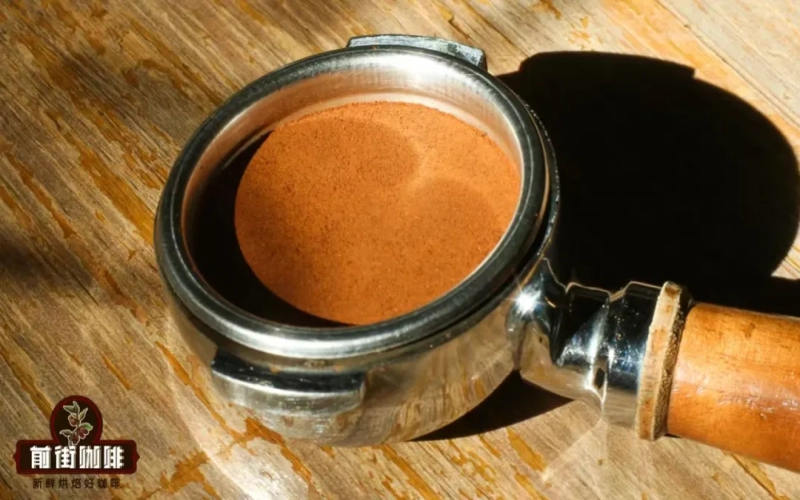
Analyzing Portafilter Basket Differences: How Do 51mm and 58mm Diameters Affect Espresso Extraction? What's the Right Dose?
In the process of espresso extraction, the portafilter basket is often an overlooked yet extremely critical component. Many coffee enthusiasts, when troubleshooting extraction issues, frequently hear the saying "if your espresso extracts poorly, chances are you didn't choose the right basket" — and indeed, the basket directly intervenes in the final performance of espresso. So what differences actually exist between one basket and another? And through what means do they influence extraction? In this article, Front Street Coffee will explore two core dimensions — basket diameter and basket capacity — explaining the accessory compatibility issues brought about by different diameters, as well as how the surface area and thickness of the coffee puck affect water contact and resistance levels. We will also discuss the logic behind a basket's dose limit, helping everyone make more suitable judgments when purchasing and using a coffee machine. [more…]
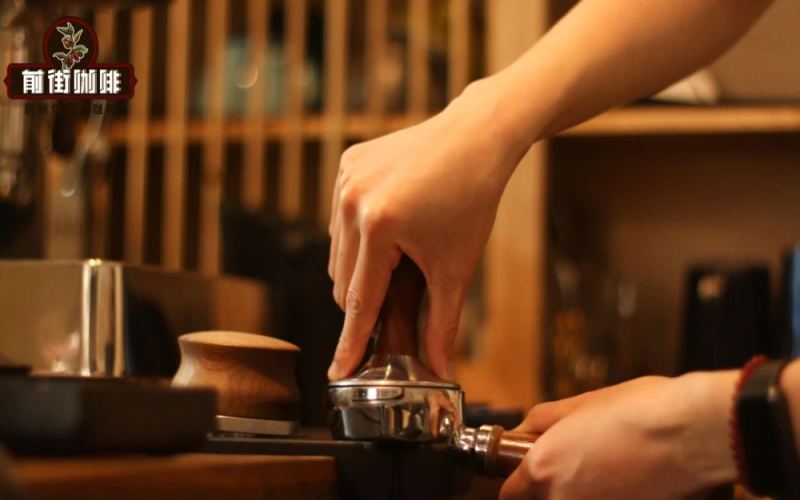
The Correct Guide to Using a Coffee Tamper: A Full Analysis of Espresso Tamping Techniques and French Press Grind Size
Making a proper espresso is impossible without tamping, a step that cannot be skipped. The tamper not only affects the density of the coffee puck but also directly determines whether extraction is even. This article starts from the actual function of the tamper, explains why it comes in so many sizes, and analyzes how different brands, materials, and designs affect its price. It also clears up a common misconception: although a French press has "press" in its name, it is a completely different concept from espresso tamping. The article also includes the specific brewing parameters and flavor description for Front Street Coffee's Strawberry Candy coffee beans in a French press, making it suitable for coffee lovers who want a deeper understanding of tamping and how to use a French press. [more…]
Espresso Tamper Buying Guide: Full Analysis of Flat vs. Ripple Base Differences and Size Selection
For every barista, the tamper is an indispensable companion when making espresso. Whether it's a professional brand like Front Street Coffee or a private collection, the choice of tamper directly affects the quality of coffee extraction. This article will start from the core function of the tamper, delve into why tampers come in different sizes, and analyze the differences between various base designs to help coffee lovers make informed choices among the many products available. By understanding how the tamper levels and compacts the coffee grounds, we will reveal its important significance as a bridge between the barista and the espresso machine. [more…]
Espresso Extraction Quality and Portafilter Basket Performance Validation: How Diameter and Capacity Affect Coffee Flavor
In the pursuit of an ideal espresso, the portafilter basket—a seemingly inconspicuous accessory—often becomes one of the key factors determining the success or failure of extraction. Many coffee enthusiasts, when troubleshooting extraction problems, have heard the saying, "If your espresso extracts poorly, chances are you didn't choose the right basket." So what differences actually exist between baskets? And through what mechanisms do they influence the extraction result? This article, from the perspective of Front Street, will focus on the two core dimensions of basket diameter and capacity to systematically analyze how the basket affects espresso extraction quality, helping readers make more informed judgments when purchasing and using coffee machine accessories. [more…]
The Correct Use of a Coffee Tamper and an Analysis of Coffee Ground Coarseness for French Press
In the process of making espresso, the tamper is one of the indispensable tools for a barista. It not only affects the degree to which the coffee grounds are compacted, but also directly relates to extraction quality and flavor performance. Starting from the practical role of the tamper, this article will analyze its size differences, the reasons behind its price, and key points for purchasing, while also extending to the brewing logic of the French press to explain how coffee grind size affects flavor. By comparing two methods—espresso tamping and French press immersion—it helps coffee enthusiasts gain a more comprehensive understanding of the key details in coffee preparation and make more suitable choices in practice. [more…]

How to Determine Espresso Dose? An Analysis of Espresso Flavor Evaluation Methods
Espresso is the core of Italian coffee, and its dose selection and flavor evaluation are key concerns for coffee enthusiasts. Starting from the definition and history of espresso, this article traces its evolution from its invention in Italy in the early 20th century to the development of modern coffee machines, and provides a detailed introduction to the reference dose ranges for single and double shots with different portafilter basket diameters. At the same time, the article also offers a systematic sensory evaluation method, covering aroma, the balance of acidity, bitterness, and sweetness, body, flavor layers, and overall balance, helping readers appreciate a cup of Espresso more professionally. The article also incorporates Front Street Coffee's product recommendations, providing practical references for daily brewing and bean selection. [more…]
Is It Feasible to Mix Ingredients into the Espresso Puck for Extraction? Looking at the Key to Even Espresso Extraction Through the Lens of Channeling
In coffee-making, some people wonder: since soaking and stirring are a hassle, why not add ingredients directly into the extraction process and let the hot water bring out the flavors along with it. For most brewing methods, this can indeed simplify the process and blend the flavors, but Front Street Coffee explicitly does not recommend using it for espresso. The reason is that espresso extraction relies on about 9 bar of pressure, with a 58mm puck bearing roughly 240 kilograms of force, making extraction extremely efficient and extremely sensitive. Once the puck's structure is disrupted by foreign objects, hot water will preferentially flow along the path of least resistance, forming channeling, which causes some coffee grounds to be over-extracted and others under-extracted, resulting in an imbalanced flavor. This article starts from the principles of pressure extraction and the relationship between Fick's law and grind size, and combines experiments and cases such as adding sugar and adding butter to explain why espresso should not be mixed with other materials, as well as safer ways to add flavor when desired. [more…]
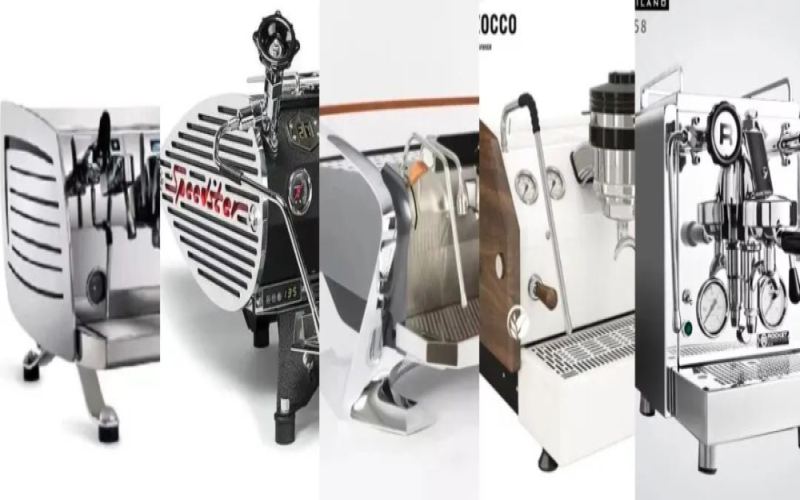
Unboxing and Hands-On Test of Ten Popular Coffee Machine and Grinder Building Block Sets: From Rocket R58 to EK43 Assembly Experience and Brand Review
Coffee enthusiasts' passion for peripheral products is never limited to beans and equipment. This time, we got our hands on ten popular coffee machine and grinder building block models available on the market all at once, covering five series: Late Autumn in Sicily, Midsummer Green, Roman Holiday, Twilight Venice, and Early Spring in Milan, and it took us a week to complete the assembly. From basic models to patience-testing ones, the number of pieces, color schemes, and fidelity to the original machines vary. The article will introduce one by one the real coffee equipment parameters corresponding to each building block set, including Rocket R58, EK43, Slayer Steam EP, Mythos One, La Marzocco GS3, Ultra, Victoria Arduino VA388, LWW EG-1, Kees Speedster, and Mazzer Super Jolly, while also sharing the actual performance of domestic building blocks in terms of fit and structural support. If you also like coffee peripherals, why not take a look at these interesting little items together. [more…]
From Drip to Semi-Automatic: A Beginner's Guide to Coffee Machine Selection and Analysis of Home Model Recommendations
Faced with a dazzling array of coffee machines, many enthusiasts don't know where to start. This article systematically sorts out the classification logic of coffee machines—by extraction method, they fall into three major categories: traditional drip, Italian-style high-pressure pump, and capsule; by operation mode, they are further divided into fully automatic and semi-automatic. The article analyzes the structural characteristics, output quality, and suitable users of each type of machine one by one, and focuses on home semi-automatic coffee machines, offering purchasing recommendations ranging from 300-yuan toy machines to 50,000-yuan ultimate enthusiast dream machines, covering popular models such as Cancun, Matrix, Huijia, NOUVA OSCAR, Expobar E61, LASPAZIALE S1, and Lamarzocco GS3 MP. Finally, it adds practical knowledge such as coffee bean preservation and bean resting periods, helping readers find a balance between budget and quality. [more…]
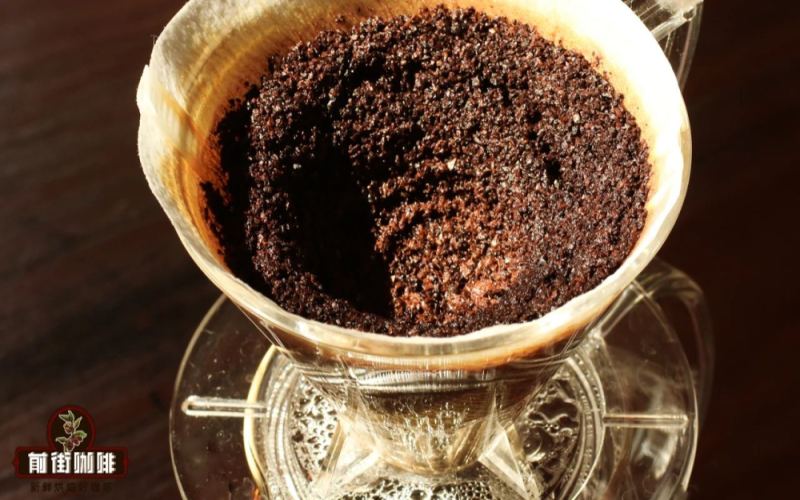
A Detailed Guide to the Key Steps of Distribution and Tamping in Espresso Extraction: How to Make a Complete Puck
When extracting espresso, many coffee enthusiasts strive to knock out a complete puck. Although whether the puck is complete does not directly determine the flavor of the coffee, it can indirectly reflect whether the extraction process is standardized. The formation of the puck is closely related to operations such as distribution and tamping, and these steps are precisely the key to affecting coffee quality. Based on the practical experience of Front Street Coffee, this article explains in detail how to reduce channeling by choosing an appropriate dose, distributing the grounds evenly, and tamping correctly, ultimately obtaining a complete puck and thereby increasing the chances of making delicious coffee. [more…]
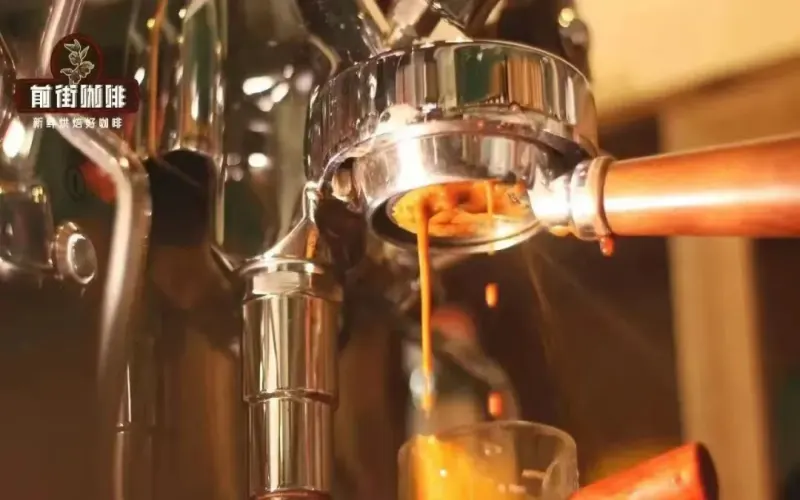
Espresso Coffee Distribution and Tamping Techniques Explained: How Much Tamping Pressure Is Right? Sharing Even Distribution and Tamping Methods
In the process of making espresso, distributing and tamping the coffee grounds are key steps to ensuring extraction stability. Many beginners often wonder: how much force is actually needed to tamp the coffee grounds? Does the amount of force really affect extraction time? In this article, Front Street Coffee will combine experimental data to deeply analyze the actual impact of tamping force on extraction, and share a practical set of techniques for even distribution and proper tamping to help you reduce channeling and make every cup of espresso extract more evenly and stably. Whether you are a beginner or an advanced enthusiast, you can find key points to improve your skills. [more…]
A Beginner's Guide to Coffee Latte Art: A Complete Guide to Choosing Equipment and Tools from Espresso Machines to Latte Art Pitchers
Wanting to learn latte art, passion alone is not enough—choosing the right equipment and tools is the first step. This article is aimed at beginner baristas and systematically sorts out the various basic equipment needed to get started with latte art: from the differences and selection points of the four boiler systems in professional Italian espresso machines (single boiler, heat exchanger, dual boiler, multi-boiler), to the classification of steam wands and steam tip types, then to grinder burr types, tamper shape matching, latte art pitcher spout shapes and groove designs, as well as the logic for choosing materials such as espresso beans and milk. It also analyzes the influence of cup shape on latte art results and gives the key parameters for adjusting machine settings, helping beginners avoid detours and laying a solid hardware foundation for subsequent latte art practice. [more…]
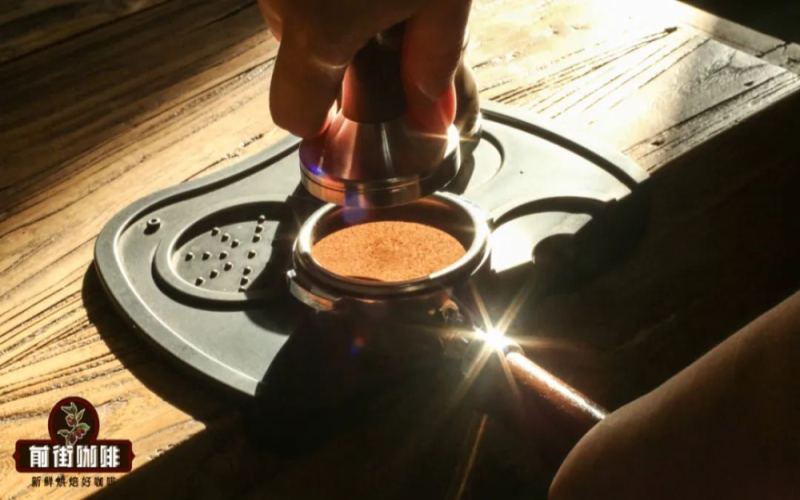
How Much Tamping Pressure Is Right for an Espresso Machine? Breaking Down the 9-Bar Extraction Pressure Principle and the Necessity of Tamping
The distribution and tamping steps before espresso extraction have always been a focal point of discussion among enthusiasts. Whether the coffee grounds are evenly distributed in the portafilter basket and whether consistent force is applied during tamping will directly affect the final flavor. But exactly how much force should be used for tamping? Do light tamping, heavy tamping, or even no tamping at all really make a significant difference in extraction time and taste? Through practical testing and comparison, combined with the physical conversion of the 9-bar extraction pressure of an espresso machine, this article reveals the true relationship between tamping force and extraction results, and explains why, even under high-pressure extraction, the step of tamping is still indispensable. In this article, Front Street classic blend coffee beans are used for testing, making it suitable for coffee enthusiasts who want to gain a deeper understanding of the principles of espresso extraction. [more…]
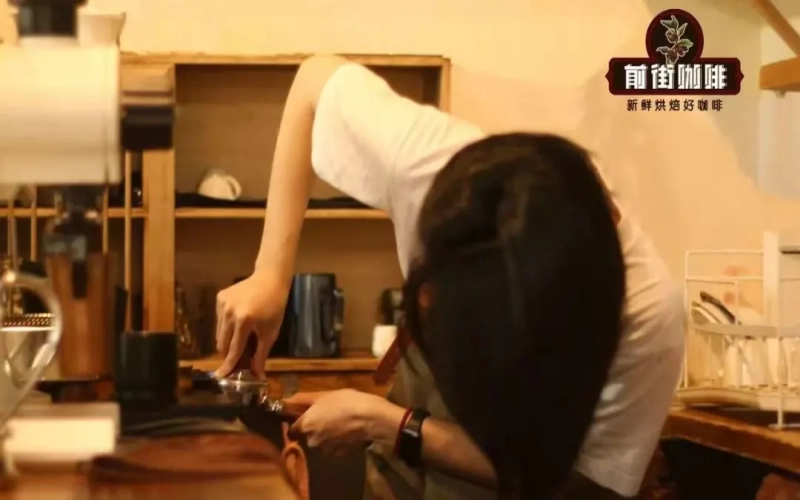
How much does espresso tamping pressure affect extraction time? Front Street's actual comparison test results of 2kg, 5kg, and 20kg
Many people new to espresso think that the harder you tamp, the denser the puck becomes, the harder it is for hot water to pass through, and the longer the extraction time naturally gets; conversely, with a light tamp, the puck is loose, the flow is smooth, and the time shortens. This logic sounds reasonable, but what is the real situation? Front Street used the same medium-dark roasted espresso blend, tamping 20g of coffee grounds with 2kg, 5kg, and 20kg of force respectively, extracting at a 1:2 coffee-to-liquid ratio, and the extraction times were almost identical, with no obvious difference in flavor performance either. Why is this so? The core reason is that the 9bar pressure during espresso machine extraction, converted to a 58mm puck, is as high as about 243kg, far beyond what human tamping force can compare to. Even so, tamping force still affects the probability of channeling occurring. This article will combine experimental data to analyze the true relationship between tamping force and extraction, and explain why even tamping is more worthy of attention than hard tamping. [more…]
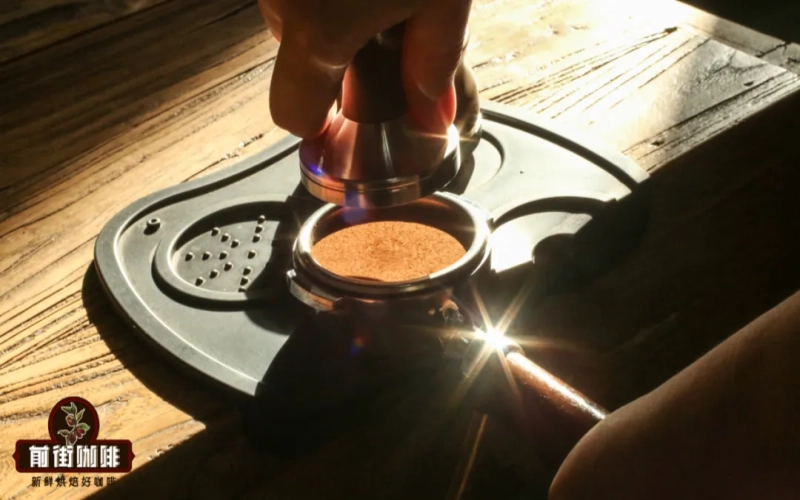
How Much Force Is Needed to Tamp Espresso? A Detailed Explanation of the 9-Bar Pressure Concept and Its Impact on Extraction
Many coffee enthusiasts wonder when making espresso: exactly how much force is needed to tamp the puck? Do light tamping, heavy tamping, or even no tamping at all actually affect the extraction result? This article will use actual extraction experiments to compare the extraction time and flavor performance of espresso under different tamping pressures, and provide an in-depth analysis of the true meaning of the 9-bar pressure in espresso machines. At the same time, Front Street will also share two blended beans suitable for espresso, to help you better understand the practical role of tamping in extraction, and why even applying full force seems insignificant in the face of the coffee machine. [more…]
The Impact of Tamping Pressure on Espresso Extraction and an Analysis of Proper Distribution and Tamping Methods
In preparing espresso extraction, distribution and tamping are key steps that determine the quality of the final product. Many coffee enthusiasts have asked Front Street Coffee via our backend: exactly how much force should be used when tamping? Through comparative experiments, this article tests the extraction time and flavor performance of espresso under three conditions: light tamping at 2kg, heavy tamping at 18kg, and no tamping at all. Combined with the conversion of a coffee machine's 9 bar pressure, it explains why the amount of tamping force has little effect on the extraction result, while also clarifying that the real purpose of tamping is to eliminate channeling. The article also retains Front Street Coffee's practical advice to help readers master the correct tamping technique and improve the uniformity and mouthfeel of espresso. [more…]
How Much Does Tamping Pressure Affect Espresso Extraction? An Analysis of the 9-Bar Pressure Principle and Distribution Key Points
In the process of making espresso, distributing and tamping coffee grounds are often regarded as the key steps that determine extraction quality. However, how much force does tamping actually require? Do different levels of force really change extraction time and flavor? Through comparative experiments, this article will analyze the differences in espresso extraction time and taste under three conditions: light tamping, heavy tamping, and no tamping, and further explain the actual concept of a coffee machine's 9 bar pressure and its effect on the coffee puck. At the same time, the article will also explain why tamping is still necessary under such high pressure, and how moderate tamping can reduce channeling, allowing hot water to penetrate the coffee bed more evenly, thereby achieving a more balanced espresso flavor. [more…]
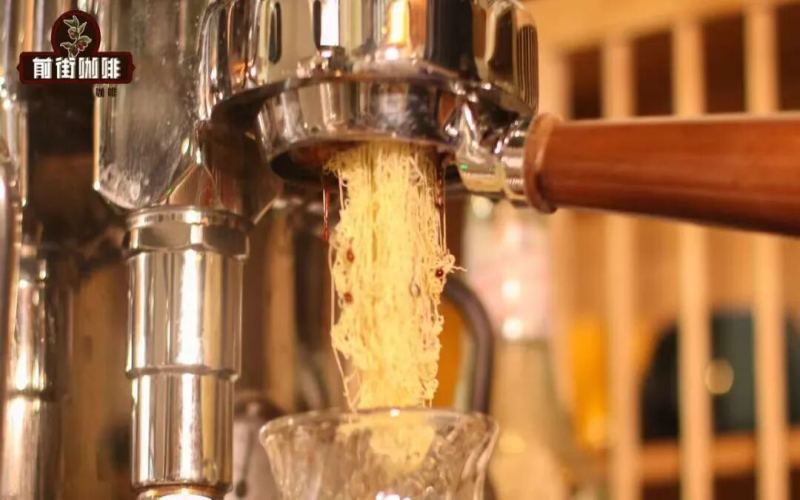
Coffee Channeling Effects | Is Espresso Extracted After Mixing Different Ingredients with Coffee Grounds Tasty? Why Is It Not Recommended to Add Things to an Espresso Puck?
If we want to add some extra aroma or flavor to coffee, we do so by adding other ingredients to the coffee so that it takes on their aroma/flavor—this is a very common practice. For example, if we want the coffee to have a certain floral scent, we can steep dried flowers of some kind in the coffee; such as [more…]
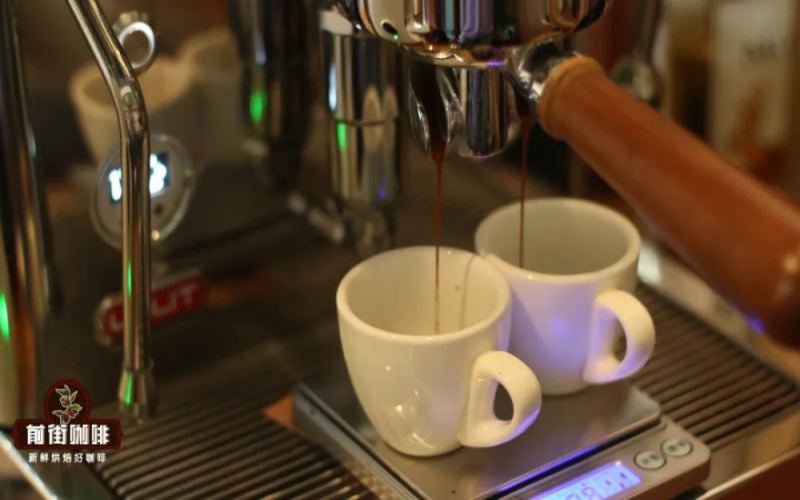
How should the portafilter temperature be controlled when extracting espresso? A hands-on test of the flavor differences among three states: room temperature, preheated, and high temperature.
When extracting espresso, should the portafilter be left at room temperature or locked onto the group head to keep it warm? Different baristas have different opinions on this. Some worry that the high temperature of the group head will overheat the filter basket and accelerate the loss of coffee grounds' aroma; others believe that keeping it warm is the only way to maintain a consistent portafilter temperature. Front Street Coffee specially designed three sets of controlled experiments for this purpose, using a room-temperature portafilter, a preheated portafilter, and a long-time high-temperature portafilter to extract the same "Sunflower Warm Sun Blend Coffee Beans," comparing aroma, acidity, sweetness, and aftertaste one by one to see exactly what kind of taste changes temperature differences bring, and which method is more worth recommending in daily operation. [more…]
A Complete Guide to Espresso: From Boiler Systems to Milk Frothing and Latte Art — Professional Fundamentals
Want to systematically master the underlying logic of espresso? This article provides a complete overview of the core knowledge system of espresso, from equipment principles to practical details. It first deeply analyzes the differences between four types of boiler heating systems and their impact on extraction stability, then explains one by one the selection of steam wands, the structure of grinder burrs, the matching principles of tampers, and key points for choosing latte art pitchers. In the materials section, it focuses on comparing the roasting differences between Northern and Southern Italian-style coffee beans and the logic for selecting suitable milk. Finally, it focuses on the five major variables of extraction and the six factors of milk frothing, and explains in detail the techniques for integrating coffee and milk foam. The full text balances theoretical depth with operational guidance, making it suitable for coffee enthusiasts who want to solidify their foundations to read carefully. [more…]