








Does a harder tamp slow down extraction on a coffee machine?
Tamping pressure has almost no effect on espresso extraction time. In Front Street's comparison test, the same medium-dark roasted espresso blend was tamped with 2kg, 5kg, and 20kg of force, using 20g of grounds and a 1:2 brew ratio. The three shots ran 29, 30, and 30 seconds respectively, and the flavors showed no meaningful difference. The reason: a 9-bar espresso machine applies roughly 243kg of pressure to a 58mm puck, far beyond any tamping force.
Tamping force still plays one role: it influences the chance of channeling, where water finds a weak spot and drills through the puck unevenly. That is why an even, level tamp matters more than a hard one. Keeping the coffee bed flat and the pressure consistent, rather than pressing with maximum strength, is the more reliable habit for repeatable espresso shots.
Many friends who are just getting into espresso believe that the harder you tamp, the denser the puck becomes, making it harder for hot water to pass through and naturally lengthening the extraction time; conversely, tamping lightly leaves the puck loose, allowing water to flow through smoothly and shortening the time. This logic sounds reasonable, but what is the real situation? Front Street used the same medium-dark roasted espresso blend, tamping 20g of coffee grounds with 2kg, 5kg, and 20kg of force respectively, extracting at a 1:2 coffee-to-water ratio, and the extraction times were almost identical, with no noticeable difference in flavor expression either. Why is this? The core reason is that the 9bar pressure during espresso machine extraction, converted to a 58mm puck, amounts to about 243kg, far beyond what human tamping force can compare to. Even so, tamping force still affects the probability of channeling occurring. This article will combine experimental data to analyze the real relationship between tamping force and extraction, and explain why even tamping is more worthy of attention than forceful tamping.



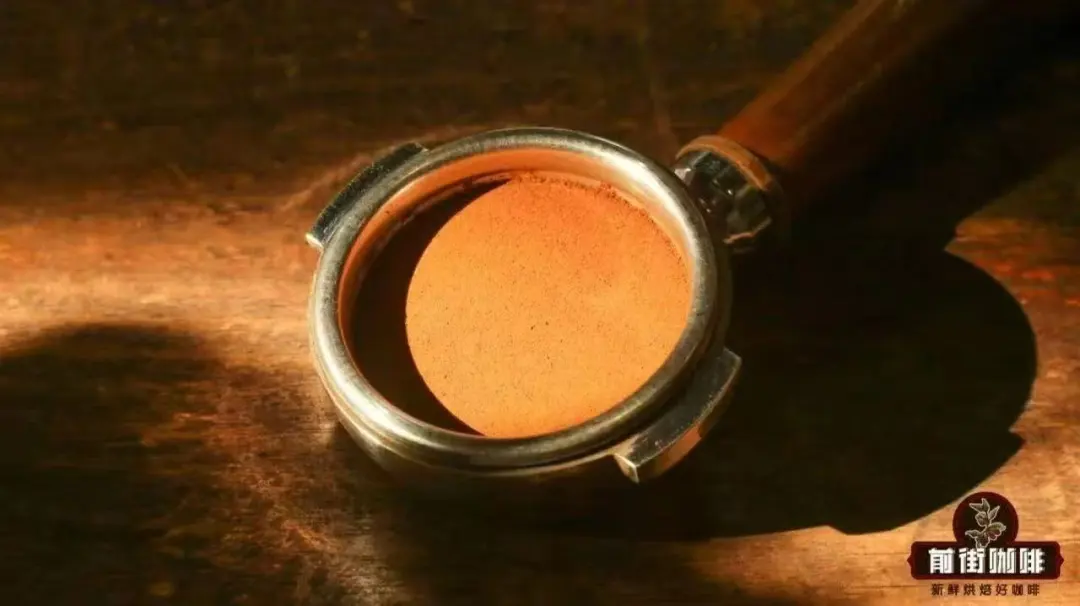
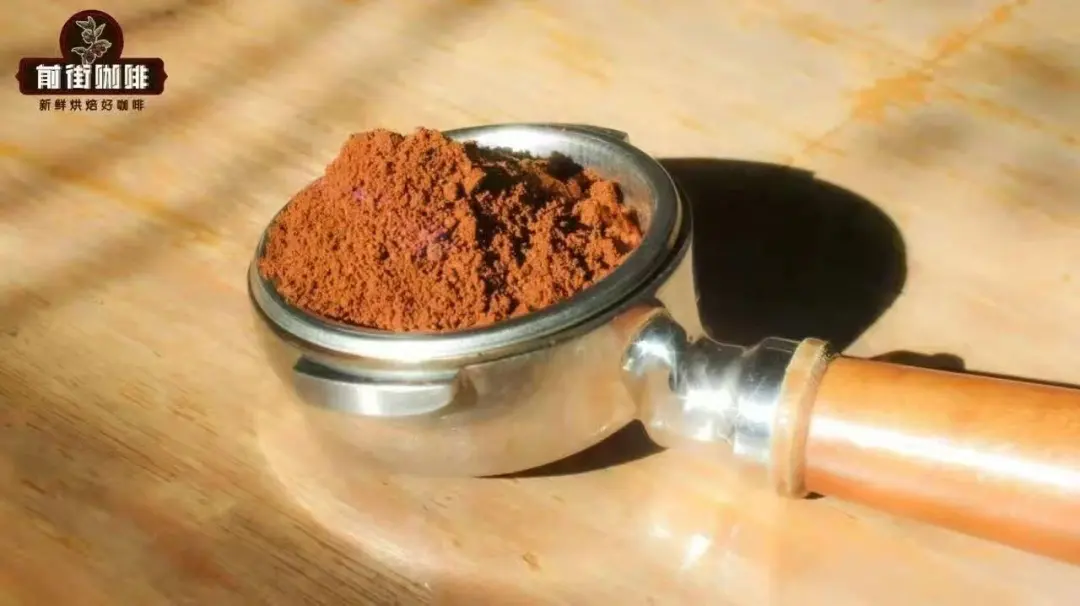
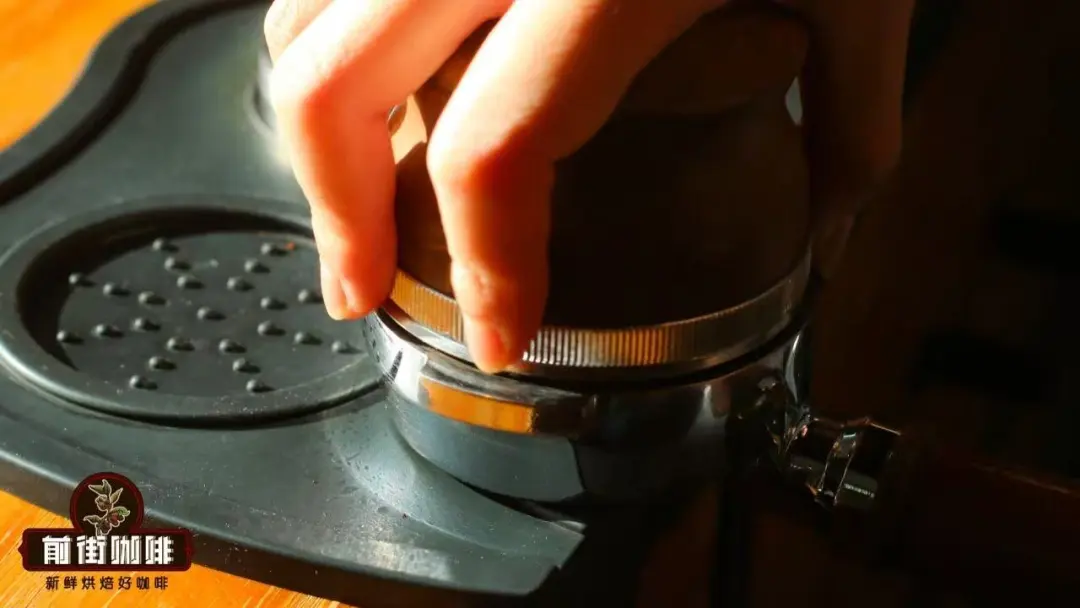
Many friends who are just getting into espresso have a common perception about the tamping step: they believe that tamping force directly determines the extraction result of the espresso. For example, some think that the harder you tamp, the denser the puck becomes, creating greater resistance when hot water passes through, which lengthens the extraction time; conversely, if you tamp lightly, the puck structure is loose, water easily penetrates, and the time naturally shortens, thereby changing the extraction yield and final flavor.
Logically speaking, this reasoning seems sound. But is that really the case? Front Street previously conducted a dedicated comparison test to verify this claim—using three different levels of force to tamp coffee grounds separately, then extracting each one to observe whether there were significant differences in extraction time and taste.
The beans selected for the experiment were a medium-dark roasted espresso blend from Front Street's bean lineup—Front Street Classic Blend, with extraction parameters set at 20g of grounds and a 1:2 coffee-to-water ratio. During tamping, forces of 2kg, 5kg, and 20kg were applied respectively. After extraction, the times used by the three groups were 29 seconds, 30 seconds, and 30 seconds respectively, with negligible differences. Since there was almost no fluctuation at the parameter level, naturally there wouldn't be much difference in flavor either. The three cups performed highly consistently, all presenting a balanced taste with notes of chocolate, caramel, butter, and cream, good body, a lasting finish, and an overall quite outstanding performance.
So does this result mean that tamping force has no effect on extraction at all? Not exactly. The effect does exist, it's just far less exaggerated than everyone imagines. The reason is simple: the pressure used during espresso machine extraction is much greater than the force we apply when tamping.
Generally speaking, the average pressure of an espresso machine during extraction is around 9bar. If 9bar is converted to force, for a puck with a diameter of 58mm, the force acting on it is approximately equivalent to 243kg, roughly the combined body weight of four adults.
It is precisely because this pressure is extremely powerful that hot water can penetrate the high-density coffee puck in a short time and dissolve out the flavor compounds within it. And it is also for this reason that the force we use to tamp the puck before extraction has almost negligible impact on the final extraction result.
But this doesn't mean tamping is completely irrelevant. Forceful tamping can indeed make the puck denser, but what it mainly affects is not the extraction time, but the probability of channeling occurring.
The espresso extraction process typically involves first pouring water, then building pressure, and then beginning extraction. If the puck is not properly tamped during the distribution stage, a large number of gaps will remain inside the puck. This will significantly interfere with the extraction process, because during extraction, hot water will preferentially flow toward these channels of lower resistance, thereby inducing channeling.
Therefore, when tamping coffee grounds before extraction, an appropriate amount of force can be applied to reduce the gaps inside the puck that easily allow water to flow through quickly, thereby lowering the likelihood of channeling occurring.
Of course, rather than single-mindedly pursuing forceful tamping, Front Street recommends that everyone focus more on how to achieve even tamping, and try to avoid producing a puck that is high on one side and low on the other. Because once the puck is uneven, the inert hot water will preferentially flow toward the lower areas of less resistance during extraction, which will likewise lead to uneven extraction problems.
So it's not just the force of tamping—the method of tamping also deserves everyone's serious attention. Front Street has shared relevant content in previous posts, so we won't elaborate further here.
- END -
The above content is compiled by CoffeeHunters, a coffee news website.


