







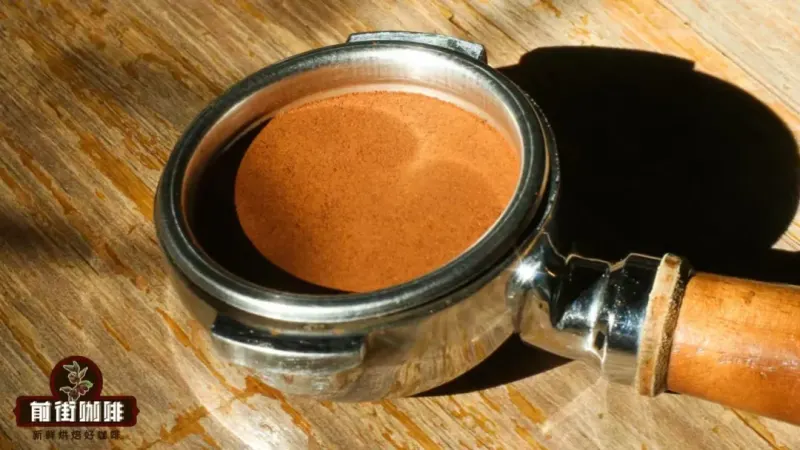
Which Basket Diameter Fits Your Coffee Machine?
Portafilter baskets come mainly in 51mm and 58mm diameters, and the group head of a coffee machine only accepts the matching size. The diameter cannot be changed later, so tampers, distribution tools, and dispersion screens must all match it. Basket diameter and capacity together set the puck's surface area and thickness, which change water contact and resistance.
A basket's dose limit follows from those dimensions: a wider, shallower puck and a narrower, deeper one behave differently under the same pressure and flow. Before buying accessories for a coffee machine, check the basket diameter first, since mismatched parts will not seat or extract correctly.
During the espresso extraction process, the portafilter basket is often an overlooked yet crucial component. Many coffee enthusiasts, when troubleshooting extraction issues, frequently hear the saying, "If your espresso isn't extracting well, it's most likely because you didn't choose the right basket"—and indeed, the basket directly influences the final outcome of espresso. So what exactly are the differences between one basket and another? And through what means do they affect extraction? In this article, Front Street Coffee will focus on two core dimensions—basket diameter and basket capacity—to explain the accessory compatibility issues caused by different sizes, as well as how the puck's surface area and thickness affect water contact and resistance levels. We will also discuss the logic behind a basket's dose limit, helping everyone make more suitable decisions when purchasing and using a coffee machine.
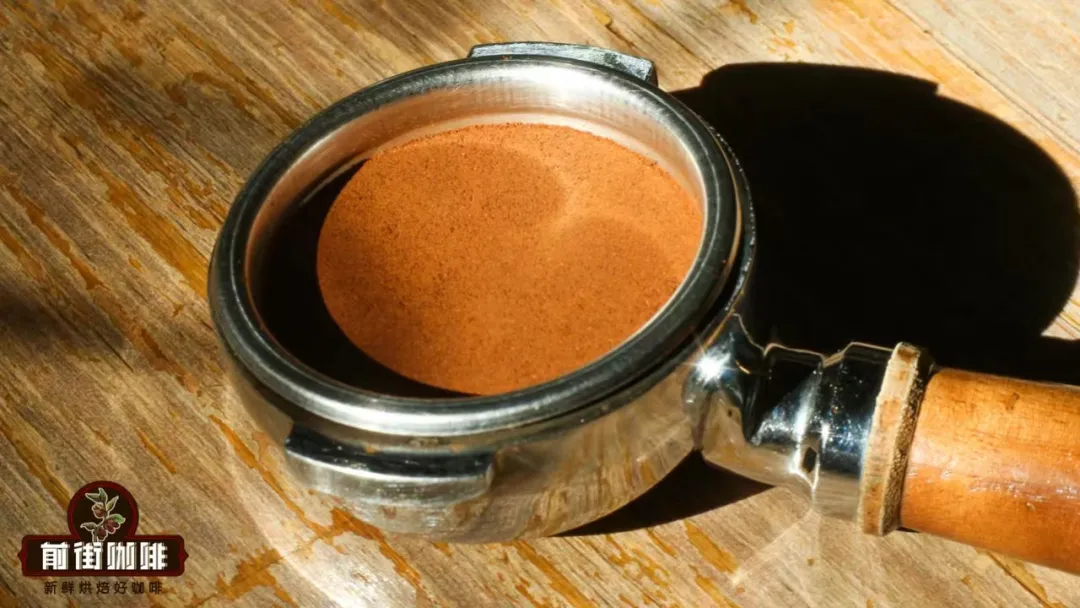
That's true, but a basket's function is not limited to this. Those who have recently paid attention to espresso extraction issues have probably come across a similar saying: "If your espresso isn't extracting well, it's most likely because you didn't choose the right basket." The message behind this statement is that the basket also influences the extraction result of espresso. So the question follows—do baskets really differ from one another? And how do they act on the extraction process?
It's fine if you're not sure. Today, Front Street Coffee will give everyone a brief overview of exactly which aspects of the basket affect espresso extraction.
Let's start with basket diameter. Open any search platform and type in "basket," and nine times out of ten you'll see the numbers "51" and "58," which mainly represent the currently mainstream basket and portafilter diameters. When choosing a coffee machine, besides looking at what functions the machine itself offers, this value should also be included in your purchasing considerations.
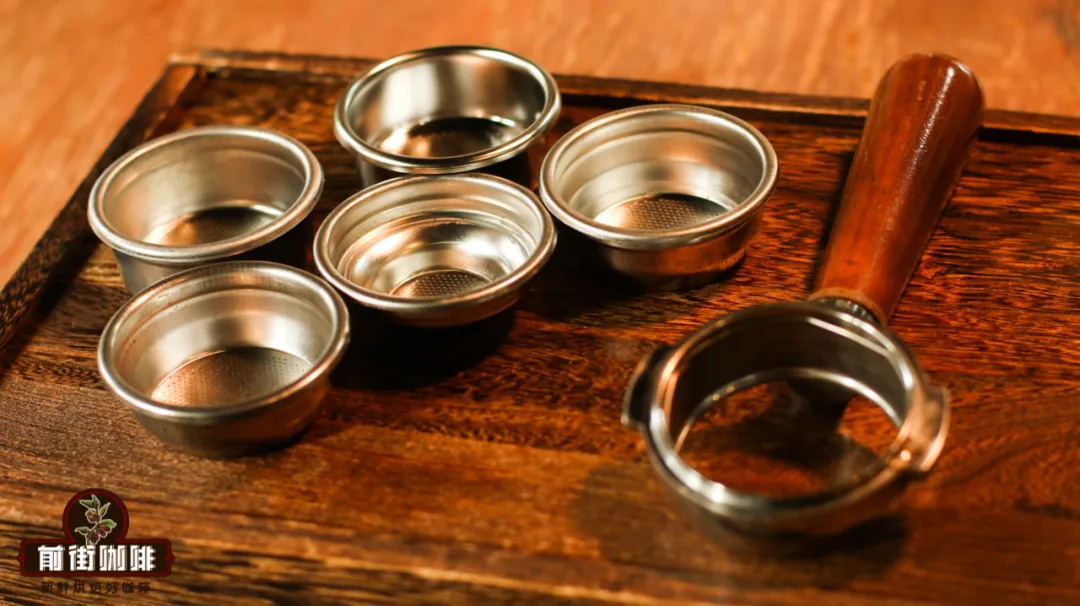
The reason is that the group head of different coffee machines can only match baskets and portafilters of the corresponding diameter, and this diameter cannot be changed later, so each coffee machine and its accessories must maintain a uniform, fixed diameter. When purchasing related accessories, you must also choose products of the same diameter, such as tampers, distribution tools, secondary dispersion screens, etc., otherwise they will be unusable due to diameter mismatch.
It's worth mentioning that 51mm and 58mm are just two widely used diameters; other specifications also exist on the market. Generally speaking, smaller-diameter baskets and portafilters are mostly used in home coffee machines or older models; larger-diameter baskets and portafilters appear more often on commercial or mid-to-high-end coffee machines.
The size of the basket diameter brings two effects. First is the puck's surface area: the larger the basket diameter, the larger the puck's surface area, and vice versa. Second is the puck's thickness: at the same dose, the puck thickness in a large-diameter basket will be less than in a small-diameter basket. Both factors affect espresso extraction—the puck's surface area determines the size of the water contact area, while the puck's thickness determines the level of puck resistance.
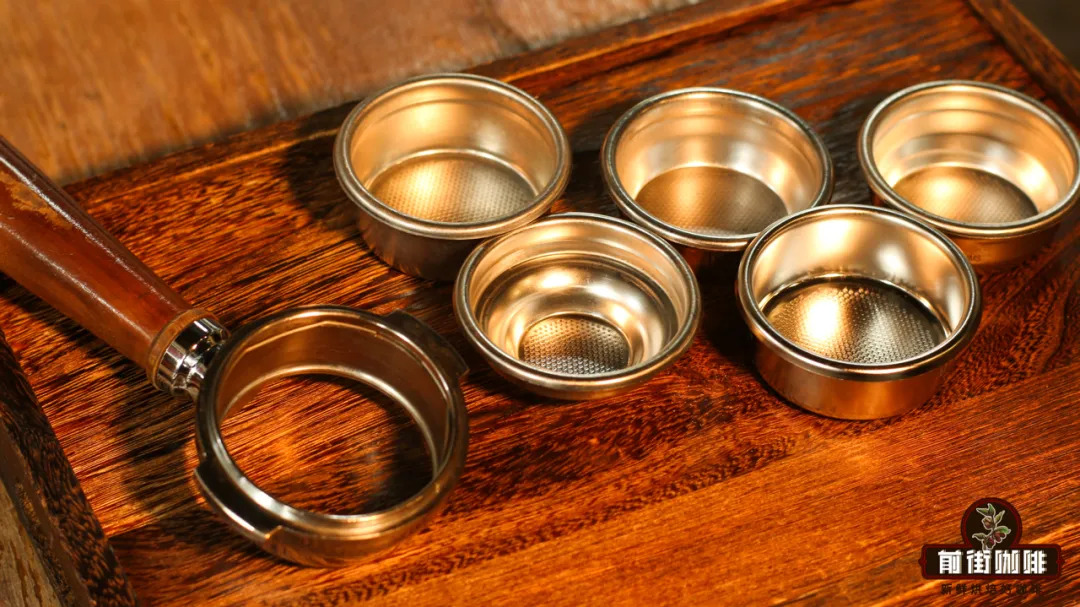
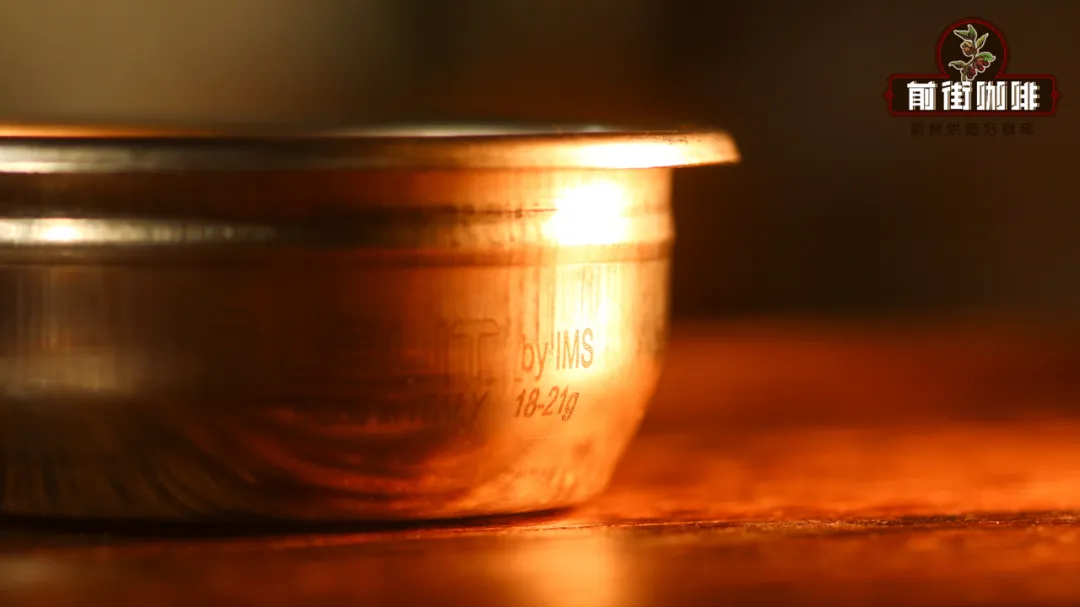
Now let's look at basket capacity. Everyone knows that the amount of coffee a basket can hold is limited. Because after tamping, the puck must maintain an appropriate distance from the dispersion screen; too close or too far will interfere with espresso extraction. Therefore, each basket's coffee dose is confined to a certain range.
The above content is compiled by CoffeeHunters, a coffee news website.


