







Search Results for: 20-mesh Mandheling
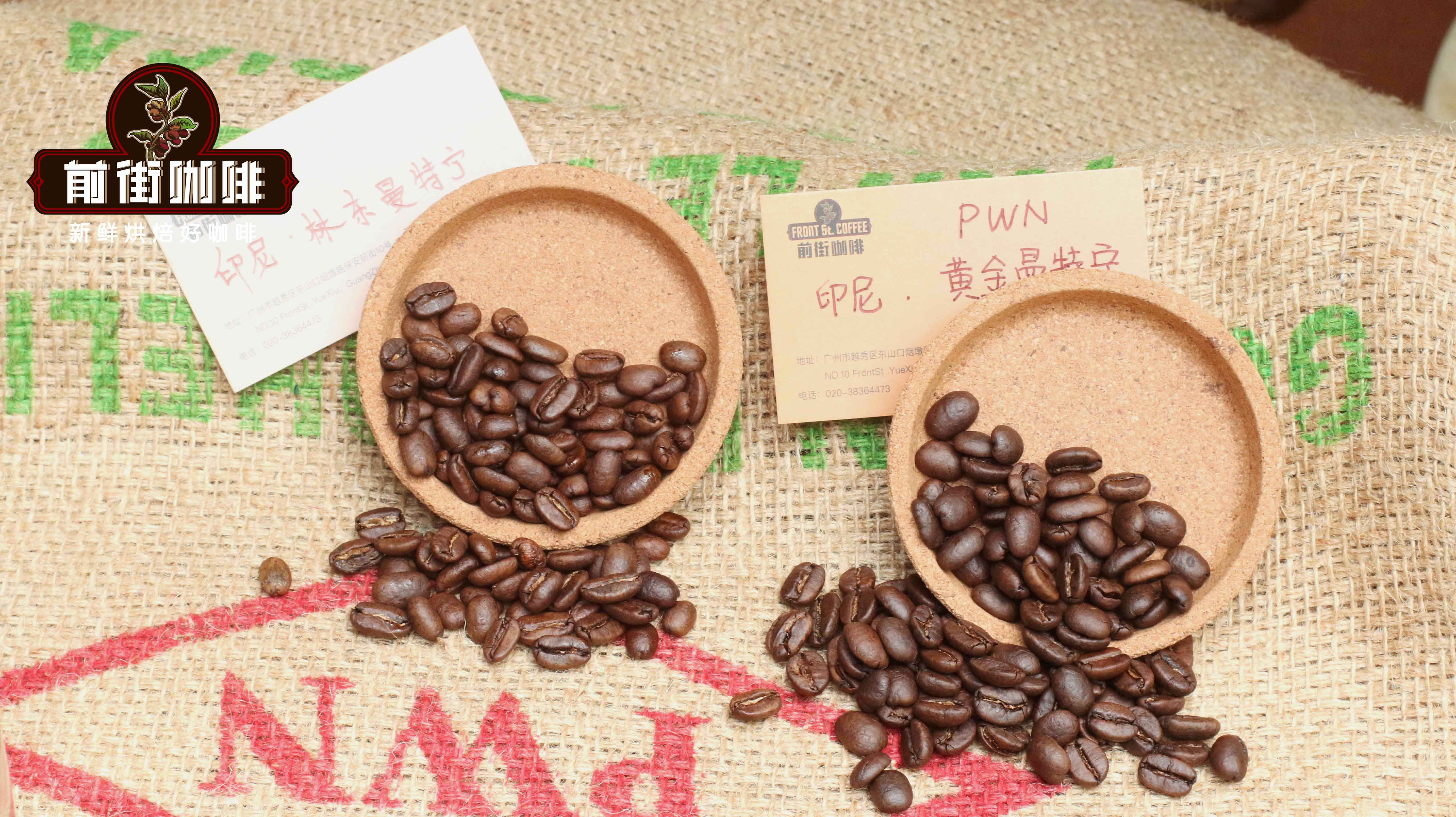
Analyzing Mandheling Coffee Bean Flavors: What Exactly Is the Difference Between PWN Golden Mandheling and 20-Mesh Golden Mandheling?
Mandheling coffee, with its rich, full-bodied taste and herbal, pine, and spice notes, has long been prized by seasoned coffee enthusiasts. However, full-bodied does not mean bitter; when a coffee's body reaches a certain level, a sweet aftertaste reminiscent of cane sugar or brown sugar emerges instead. There are many beans on the market marketed under the banner of "Golden Mandheling," yet their prices and quality vary widely, and the most easily confused among them are authentic PWN Golden Mandheling and the large-bean Mandheling advertised as "20 mesh." This article focuses on Front Street Indonesian Mandheling and Front Street PWN Golden Mandheling—their origins, screening standards, and cupping performance—to help you understand what true Golden Mandheling really is, and how it differs fundamentally from so-called 20-mesh Mandheling. [more…]
An Analysis of the Indonesian Sumatra Golden Mandheling Coffee Bean Variety: The Truth About PWN Certification and the 20-Screen Specification
Golden Mandheling is a highly representative variety of Indonesian coffee, known for its full-bodied mouthfeel and herbal, piney, and spicy flavors. However, while the market is flooded with products labeled Golden Mandheling, very few are truly certified by PWN. This article starts with the flavor of Front Street Indonesian Mandheling, then explores the origins of Golden Mandheling, PWN's screening standards, and why uniformity is more worthy of attention than bean size. We will also explain the specifications, appearance characteristics, and cupping performance of Front Street PWN Golden Mandheling, helping coffee enthusiasts distinguish authentic products and find a Mandheling coffee that truly meets their expectations. [more…]
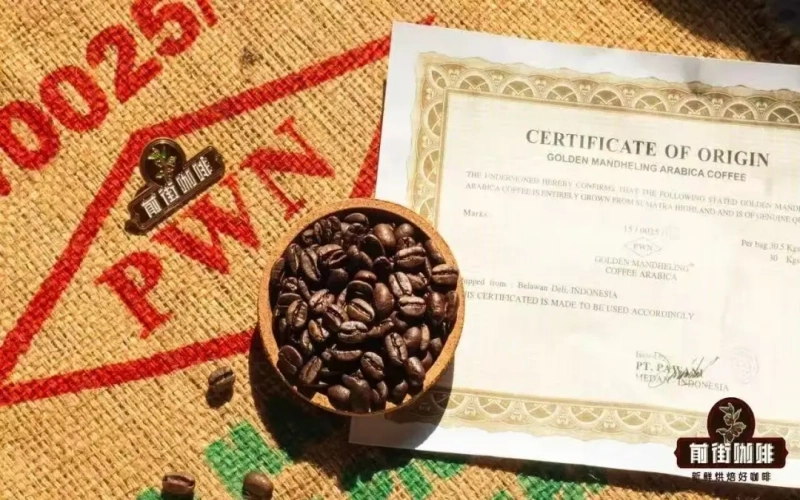
Indonesian Sumatra Mandheling Coffee Flavor Analysis! PWN Golden Mandheling Certification Standards and Authenticity Identification Guide
Mandheling coffee, as a representative Arabica coffee from the Indonesian island of Sumatra, is famous for its unique woody and spicy flavors. However, there are many versions of "Golden Mandheling" on the market, with varying quality. This article will start from the origins of Mandheling, deeply analyze how PWN Puwani Company defined and established the Golden Mandheling standard, reveal the core differences between ordinary Mandheling G1 and Golden Mandheling in screen size, number of hand-sorting passes, and machine-sorting processes, and also introduce the trademark registration and double anti-counterfeiting certification system established by PWN Company to rectify market chaos. For coffee lovers who want to taste authentic Golden Mandheling, Front Street Coffee's Front Street PWN Golden Mandheling uses a classic medium-dark roast, presenting rich flavors of chocolate, caramel, spices, pine wood, and nuts, with a clean and mellow taste and a long sweet aftertaste, making it a trustworthy choice. [more…]
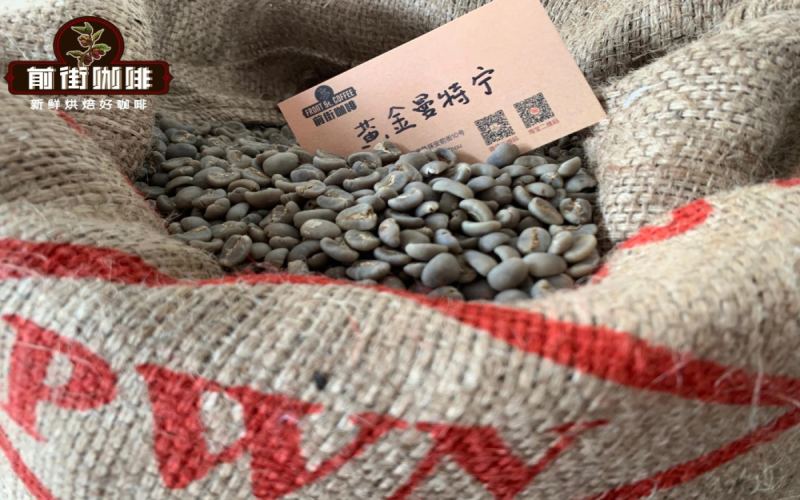
Mandheling Pour-Over Coffee Parameters | What Is Golden Mandheling? What Are the Flavor and Mouthfeel Characteristics of Golden Mandheling Coffee Beans? How Do You Identify Authentic PWN Golden Mandheling?
Front Street Golden Mandheling coffee beans are both familiar and unfamiliar to many coffee lovers. They are familiar because you often hear praise for them among coffee enthusiasts. They are unfamiliar because there are too many counterfeit Golden Mandheling coffee beans on the market, and drinking authentic Golden Mandheling coffee is a difficult thing. What is Golden Mandheling coffee? [more…]
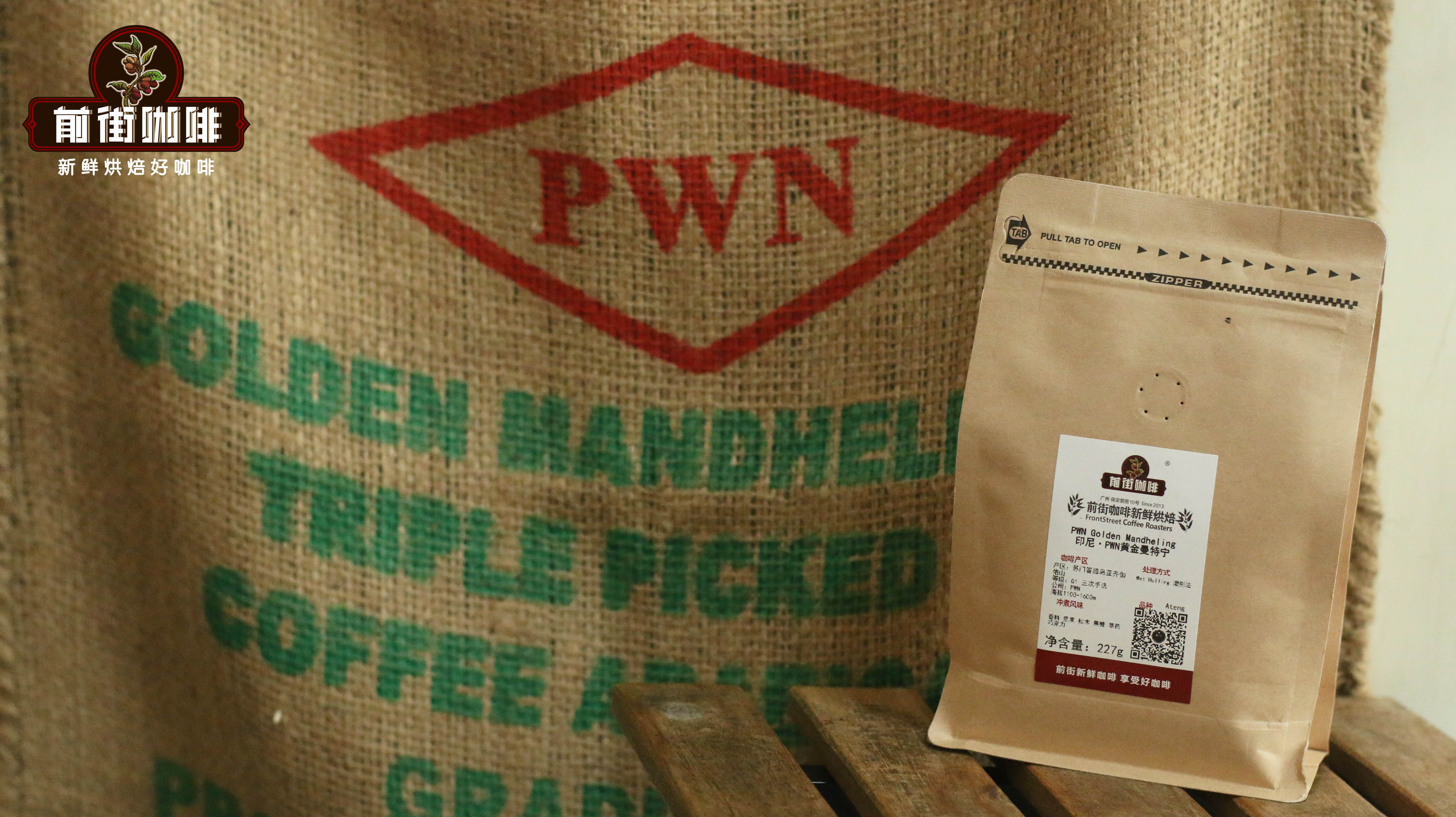
A Complete Guide to Indonesian Coffee Grading: Does Sumatra Golden Mandheling Really Belong to G1?
Indonesia is the world's largest archipelagic nation, and Sumatra, its largest island, produces Mandheling coffee, which occupies an important place in the global coffee landscape. But how does Golden Mandheling, the exclusive signature product of Indonesia's PWN company, differ from ordinary Mandheling? What standards are used to classify Indonesian green beans from G1 to G6? This article will systematically sort through Indonesia's coffee grading system, the varietal origins of Mandheling, the history of the wet-hulled process, and the brewing parameters and flavor performance of Front Street Coffee's Golden Mandheling, giving you a complete understanding of the story behind this coffee bean that is "the ugliest yet the best-tasting." [more…]
Analysis of the Maragogype Coffee Variety: A Complete Guide to the Characteristics of Nicaragua's Mama Mina Region, Roasting, and Brewing
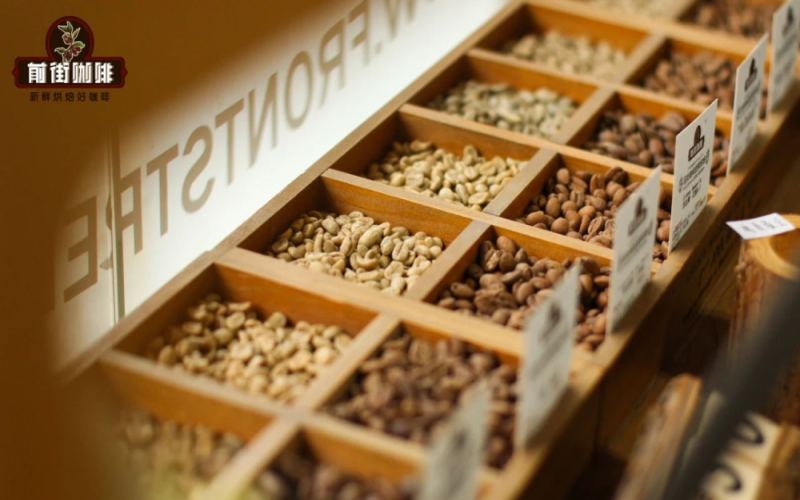
In the Arabica coffee family, there is a special variety that is far larger than its peers—the Maragogype, whose beans can grow to three times the size of common Arabica beans. This variety, scientifically named Maragogype, has attracted coffee lovers' attention with its unique form and balanced flavor ever since it was discovered in Brazil in 1870. This article, from the perspective of Front Street Coffee, will systematically review the origin, botanical classification, growing regions, and flavor characteristics of Maragogype, and provide in-depth introductions to two representative coffees—the Nicaragua Mama Mina Estate Maragogype and the Guatemala Bolsa Estate Pacamara—including detailed information and brewing parameters, offering a complete reference for coffee enthusiasts who want to learn about this niche variety. [more…]
PWN Golden Mandheling Coffee | What factors influence Indonesian coffee flavor? What is the wet-hulling process for Mandheling coffee?
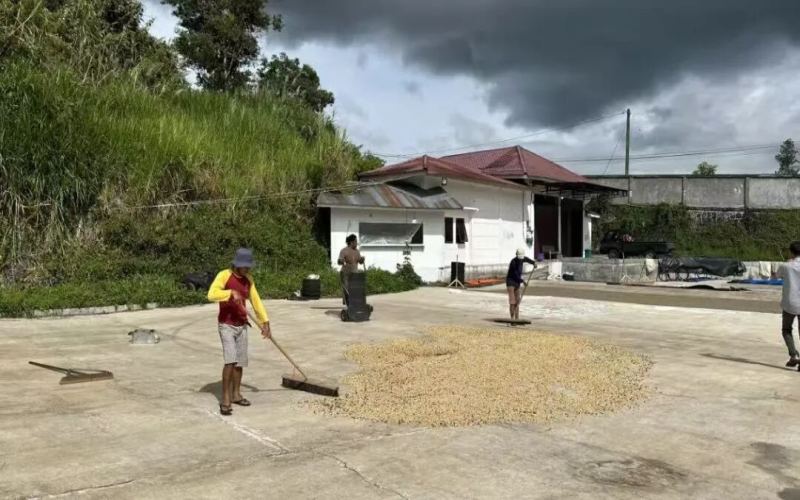
When it comes to impressions of Mandheling coffee, Front Street Coffee believes that beyond its rich, mellow body and steady roasted aroma, people also associate it with a unique "Mandheling flavor"—herbal notes. The herbal taste of Mandheling refers more to aromas reminiscent of herbs, earth, and wood, which emerge after the mellow fragrance, uniquely [more…]
Asian Coffee Beans | Which regions in Indonesia produce coffee? Where does Mandheling come from? How do you brew Golden Mandheling coffee to make it taste best?
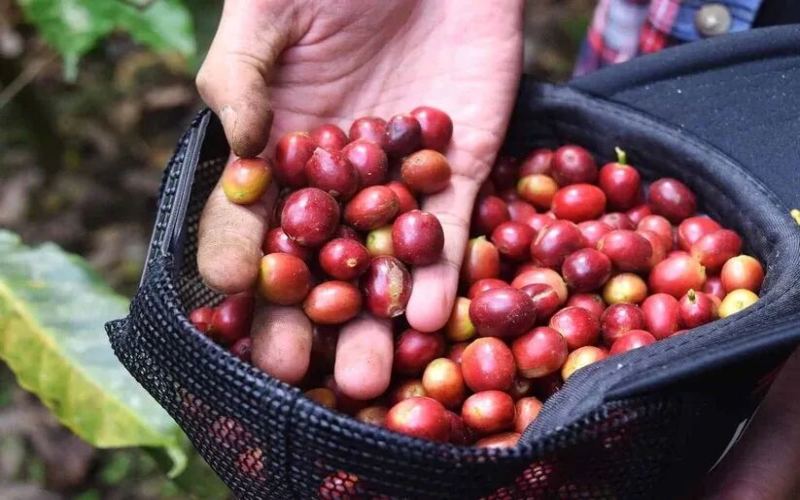
Speaking of impressions of Mandheling coffee, Front Street Coffee believes that in addition to its rich body and steady roasted aroma, everyone will also associate it with a unique "Mandheling flavor"—herbal notes. The herbal flavor of Mandheling refers more to aromas with tones similar to herbs, earth, and wood, which emerge after the rich fragrance, uniquely [more…]
Introduction to Arabica specialty coffee bean varieties and origins | What are the differences in flavor characteristics among light roast, medium roast, and dark roast single-origin coffee beans?
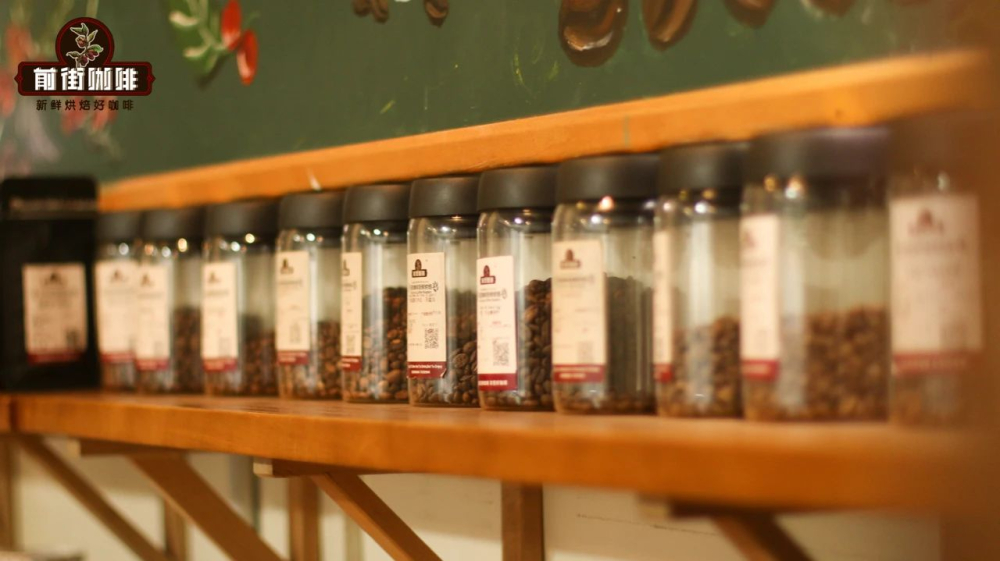
Front Street Coffee believes that different roasting degrees will produce different flavor profiles, but many people have a misconception: is it enough to simply roast coffee beans to a certain roast color? Of course not—the flavor of coffee is not just about the roast degree, but also about the growing region. [more…]
Mandheling Coffee Grade Analysis: Differences Between Golden Mandheling and Regular Versions, Sources of Herbal Flavors, and the Impact of Wet-Hulling
Mandheling coffee has always been known for its distinctive herbal, earthy, and woody notes—a flavor profile that draws enthusiasts in droves while driving others away. In recent years, many coffee lovers have noticed that Mandheling's herbal character seems to have become milder. What exactly lies behind this shift in variety, origin, and processing methods? This article will take an in-depth look at the causes of Mandheling's herbal flavor, compare the differences between Golden Mandheling and regular Mandheling in terms of variety selection, processing methods, and screening standards, and reveal how the wet-hulling process affects the final flavor in the cup. At the same time, we will also introduce the PWN Golden Mandheling recommended by Front Street Coffee, giving you a look at what makes truly high-quality Mandheling so captivating. [more…]
From Choosing Equipment to Pouring Technique: A Complete Guide to Pour-Over Coffee Basics, Water Temperature, Grind Size, and Coffee-to-Water Ratio
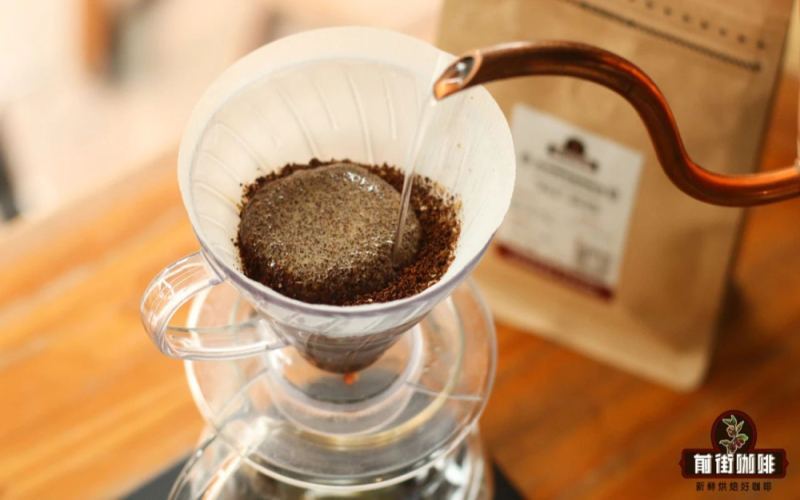
For making an authentic single-origin coffee at home, pour-over is often the lowest-barrier and quickest option to master. The equipment isn't as bulky or expensive as espresso machines, and as long as you grasp a few key parameters, your results will gradually become consistent. Drawing on the hands-on experience of Front Street Coffee, this article systematically lays out the equipment setup needed for pour-over coffee, including guidance on choosing a gooseneck kettle, dripper, grinder, thermometer, digital scale, filter paper, fines sifter, and server; it also breaks down how six major variables—water temperature, grind size, coffee-to-water ratio, water quality, bean freshness, and pouring technique—affect flavor, and uses a three-pour method as an example to explain how to control blooming, pouring rhythm, and extraction time, helping enthusiasts build a reproducible brewing framework. [more…]
How to determine the grind size for different coffee brewing devices? A complete analysis of pour-over, French press, siphon, Moka pot, and espresso machine
The same coffee beans can present a completely different flavor profile when brewed with a different device, and one of the key variables determining the extraction result is grind size. Coffee beans must first be ground to efficiently release aroma and soluble solids, but different devices extract in very different ways, so grind coarseness cannot be generalized. Over-extraction brings out bitter, off-flavors, while under-extraction results in a thin, sour taste, so finding grind parameters that match your device is especially important. Based on Front Street Coffee's hands-on testing experience and using the industry-recognized cupping grind standard—the No. 20 sieve pass-through rate—this article provides recommended grind ranges one by one for the French press, pour-over coffee, cold drip and cold brew, siphon, espresso machine, and moka pot, and explains how roast level, water temperature, and extraction time affect grind adjustments, helping you consistently reproduce a delicious cup at home. [more…]
A Complete Guide to Lintong Mandheling Coffee: Origin, Processing, and Brewing Flavors of Sumatra's Classic Black Coffee
Lintong Mandheling is one of the most iconic classic coffees from the Sumatra region of Indonesia, renowned for its rich, full-bodied, low-acid, non-astringent mouthfeel and its distinctive herbal, woody aroma. This article provides a comprehensive overview of this classic black coffee's origin background and tasting highlights—from the origin of the Mandheling name, Indonesia's G1 to G6 grading system, and the two core producing regions of Lake Toba and Lake Tawar, to the steps of the wet-hulling process, the green bean characteristics and medium-dark roast flavor profile of Front Street Lintong Mandheling, and the pour-over parameters and extraction performance at different roast levels. It is suitable for coffee enthusiasts who wish to gain a deeper understanding of Indonesian Mandheling. [more…]

Why Does Hand-Brewed Dark Roast Coffee Taste Bitter? A Comprehensive Analysis from Roasting Principles to Extraction Parameters
Today, on pourover coffee menus, acidic beans dominate the mainstream, yet a group of veteran enthusiasts remains steadfastly devoted to the bitter flavors of dark-roasted coffee. Where exactly does this bitterness come from? How does the degree of roast influence the flavor trajectory of coffee? The nutty aroma, rich body, and bittersweet finish unique to dark-roasted beans are an experience that light-roasted beans find hard to replicate. Of course, a delicious cup of dark-roasted coffee also depends on proper brewing methods. Starting from the principles of roasting, this article analyzes the unique charm of dark-roasted bitter coffee, and using Golden Mandheling as an example, shares key parameters such as water temperature, grind size, dripper selection, and pouring technique, helping you brew a gentle, smooth dark-roast pourover at home. [more…]
The Grading Code of Kenyan Coffee Beans: A Detailed Explanation of AA, TOP, and Other Designations and Cupping Standards
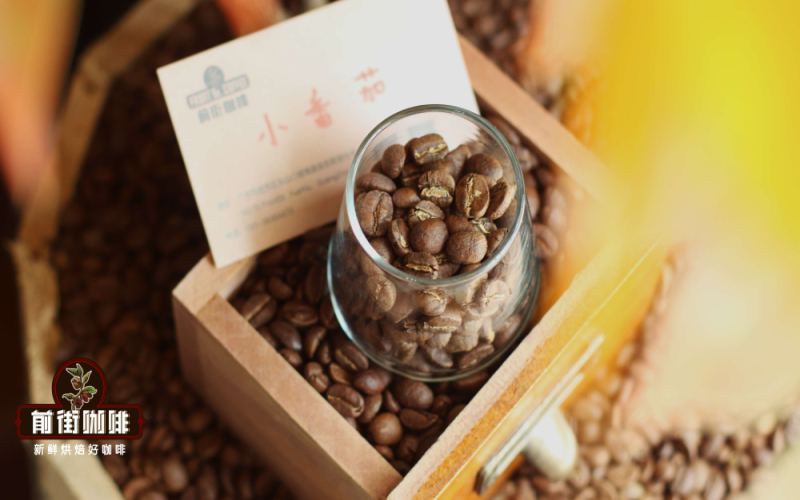
When selecting Kenyan coffee, what exactly do the terms "AA" and "TOP" commonly seen on packaging represent? This article systematically sorts out Kenya's coffee grading system, from the bean size grading under the 1934 auction system (AA, AB, PB, C, E, TT, T, MH/ML) to the secondary quality ratings established by the Kenya Coffee Research Institute (TOP, Plus, FAQ), and analyzes the comprehensive scoring mechanism across the three dimensions of green beans, roasted beans, and cupping. It also presents the producing region information and brewing parameters of Front Street Kenya Little Tomato coffee beans, helping you understand the practical meaning behind the grading labels. [more…]
Pour Over, Cold Brew, Ice Drip, Moka Pot, and Espresso: Grind Size Selection for Each Extraction Method and Analysis of 20-Mesh Sieve Pass Rate
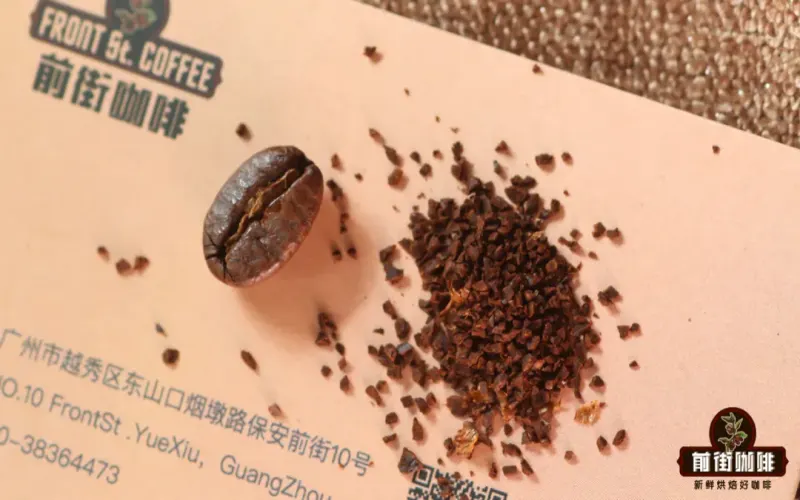
Grind size is one of the core parameters determining the success or failure of coffee extraction, but the coarseness of coffee grounds is difficult to describe with intuitive numerical values, so sieve passing rate has become a more precise way to communicate. In this article, Front Street will systematically sort out the suitable grind levels for pour-over, cold brew (cold immersion and ice drip), French press, clever cup, moka pot, and espresso machine, and provide specific passing rate references for the No. 20 Chinese standard sieve. Whether you are a beginner who has just started or a veteran player looking to calibrate your grind, you can find corresponding parameter suggestions here. The article also specifically explains the differences between medium-light roast and medium-dark roast pour-over, adjustment methods for iced pour-over, and the reason why cold brew grind is not finer-is-better, helping you avoid common pitfalls and brew a full-flavored good cup of coffee. [more…]
Brazil Cerrado Coffee NY.2 Grade Explained: A Complete Guide from Origin and Variety to Cupping Flavor
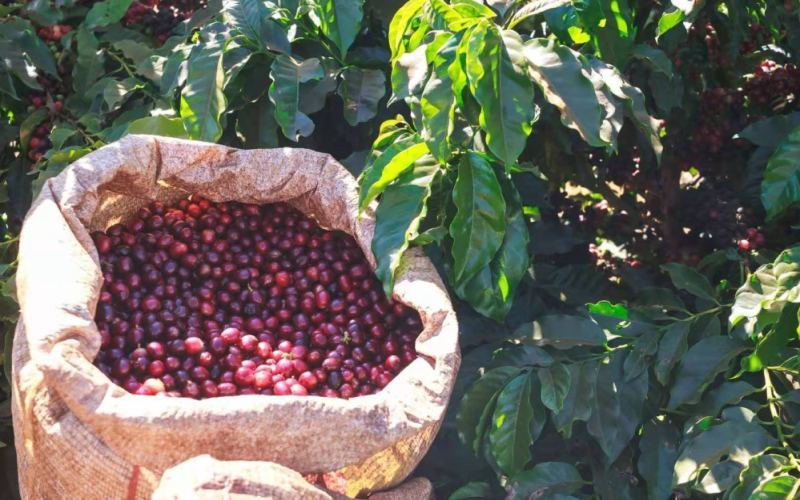
Brazil, as the world's largest coffee producer, is known for the coffee beans from the Cerrado region in the central-west of Minas Gerais, which are celebrated for their mild flavor and consistent quality. Among Front Street Coffee's daily drinking bean series, the Brazil Cerrado Red Bourbon has won the favor of many coffee lovers with its rich, smooth body and intense chocolate and nutty flavors. This article will systematically review the terroir conditions of the Cerrado region, the characteristics of the Bourbon variety, and the semi-washed processing method, and will further analyze the three major grading dimensions of Brazilian green coffee—defect ratio, screen size specifications, and cup profile—to help readers thoroughly understand the complete meaning behind the label "Brazil NY.2SC – 17/18 FC Cerrado," along with the brewing parameters and flavor tasting notes from Front Street Coffee's baristas. [more…]
Arabica Coffee Bean Flavor Characteristics and Main Subspecies Overview: Analysis of Differences Among Typica, Bourbon, Geisha, and Other Varieties
Arabica accounts for more than seventy percent of global coffee production and is also widely recognized as the coffee species with superior flavor performance. But Arabica is not a single variety; under it there are also many subdivided subspecies such as Typica, Bourbon, and Geisha, each differing in bean shape, flavor, and cultivation characteristics. From the perspective of Front Street Coffee, this article systematically sorts out the basic characteristics of Arabica coffee, its caffeine and sugar content, as well as the appearance and flavor characteristics of major varieties such as Typica, Maragogype, Pacamara, the Bourbon group, and Geisha, helping coffee enthusiasts build a clearer understanding of varieties. [more…]
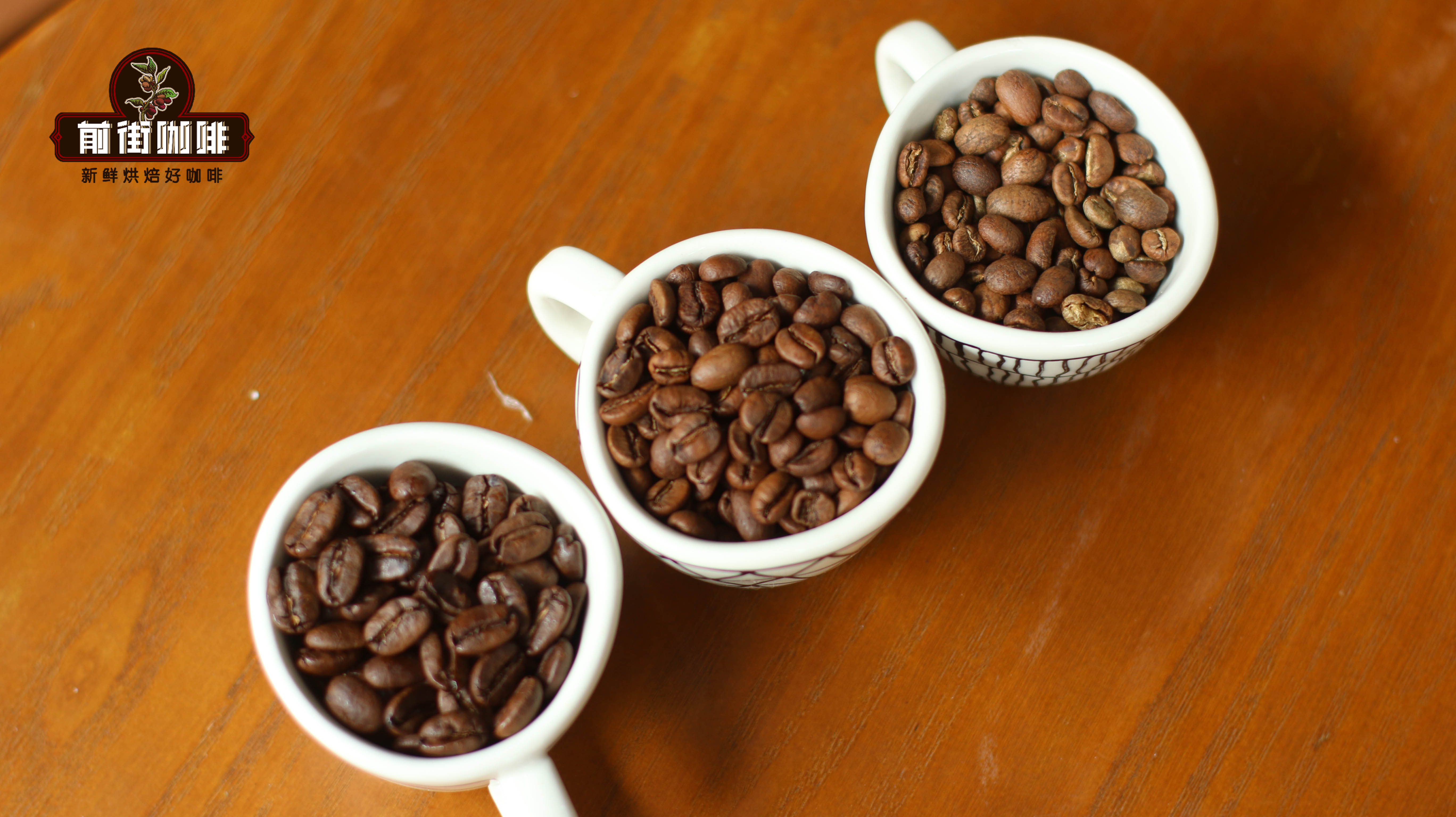
How to drink and brew dark roast coffee grounds and coffee beans? A detailed explanation of the high-concentration, low-extraction method and parameters that bring out a prominent sweet aftertaste
Deeply roasted coffee beans, due to sufficient caramelization, often present a richer mellow sweetness and caramel aroma. However, if brewed improperly, bitterness can easily overpower the sweet aftertaste. This article begins with the flavor characteristics of dark-roasted coffee and introduces how to better present the sweetness and sweet aftertaste of dark-roasted coffee through bean selection and brewing methods. It focuses on a Japanese-style high-concentration, low-extraction approach commonly used by Front Street Coffee, and provides specific brewing parameters and staged pouring steps for using Front Street Coffee Jamaica Blue Mountain No. 1 coffee, including coffee dose, coffee-to-water ratio, water temperature, grind size, dripper, and time, helping coffee enthusiasts brew a cup of dark-roasted coffee at home with moderate concentration and a pronounced sweet aftertaste. [more…]
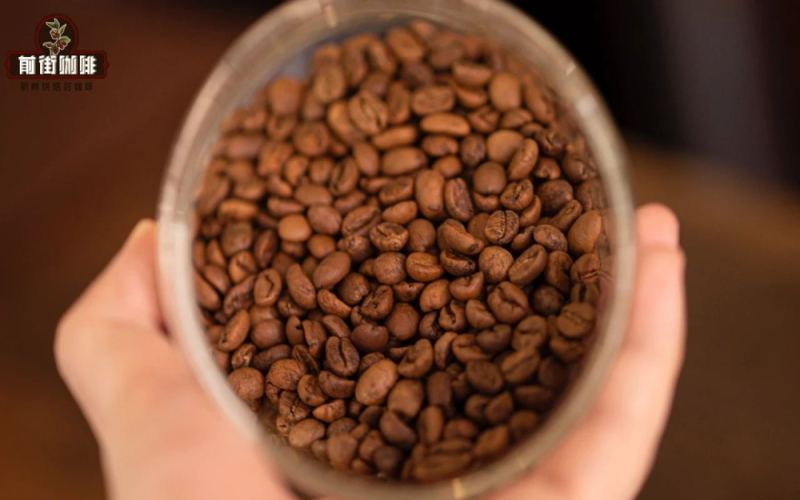
The Complete Guide to Giant Elephant Bean Coffee: Origins, Growing Conditions, and Flavor Brewing of the Maragogipe Variety
In the Arabica coffee family, there is a particularly large member—the Maragogype. Its scientific name is Maragogipe, and it was first discovered in Brazil in 1870. It was later recognized as a natural mutation of Typica, and its beans can be up to three times the size of ordinary Arabica beans. Due to high cultivation costs and difficult management, the producing areas of Maragogype are now mainly concentrated in a few Latin American countries. From the perspective of Front Street Coffee, this article will systematically introduce the variety origin of Maragogype, suitable growing regions, natural processing methods, roasting and brewing parameters, and its relationship with its hybrid descendant Pacamara, giving you a comprehensive understanding of this "giant" in the coffee world. [more…]