







What Defines an Arabica Coffee Bean and Its Varieties?
Arabica accounts for over seventy percent of global coffee production, grown mostly on volcanic slopes and plateaus at 500 to 1,500 meters or higher. The bean is oval, slender and flat, with moderate acidity and bitterness, about 0.9% to 1.2% caffeine, and roughly twice the sugar of Robusta.
Subspecies differ in bean shape, flavor and cultivation needs. Typica, Maragogype, Pacamara, the Bourbon family and Geisha each bring distinct traits. Lower chlorogenic acid, about 5.5% to 8%, makes the species more vulnerable to pests and climate, and it typically ripens more slowly than other coffee types.
Arabica accounts for over seventy percent of global coffee production and is widely recognized as the coffee species with superior flavor expression. But Arabica is not a single variety; beneath it there are numerous subdivided subspecies such as Typica, Bourbon, and Geisha, each differing in bean shape, flavor, and cultivation characteristics. This article, from the perspective of Front Street Coffee, systematically sorts out the basic characteristics of Arabica coffee, its caffeine and sugar content, as well as the appearance and flavor traits of major varieties including Typica, Maragogype, Pacamara, the Bourbon family, and Geisha, helping coffee enthusiasts build a clearer understanding of varieties.
For more specialty coffee knowledge, please follow the WeChat public account: Front Street Coffee (FrontStreet Coffee)
Coffee advertisements often emphasize that they use one hundred percent Arabica coffee. That's right—judging by price alone, Arabica is indeed more premium; generally, Arabica coffee beans cost twice as much as Robusta. So how do Arabica's branch varieties compare? Front Street Coffee (FrontStreet Coffee) will talk about Arabica coffee today.
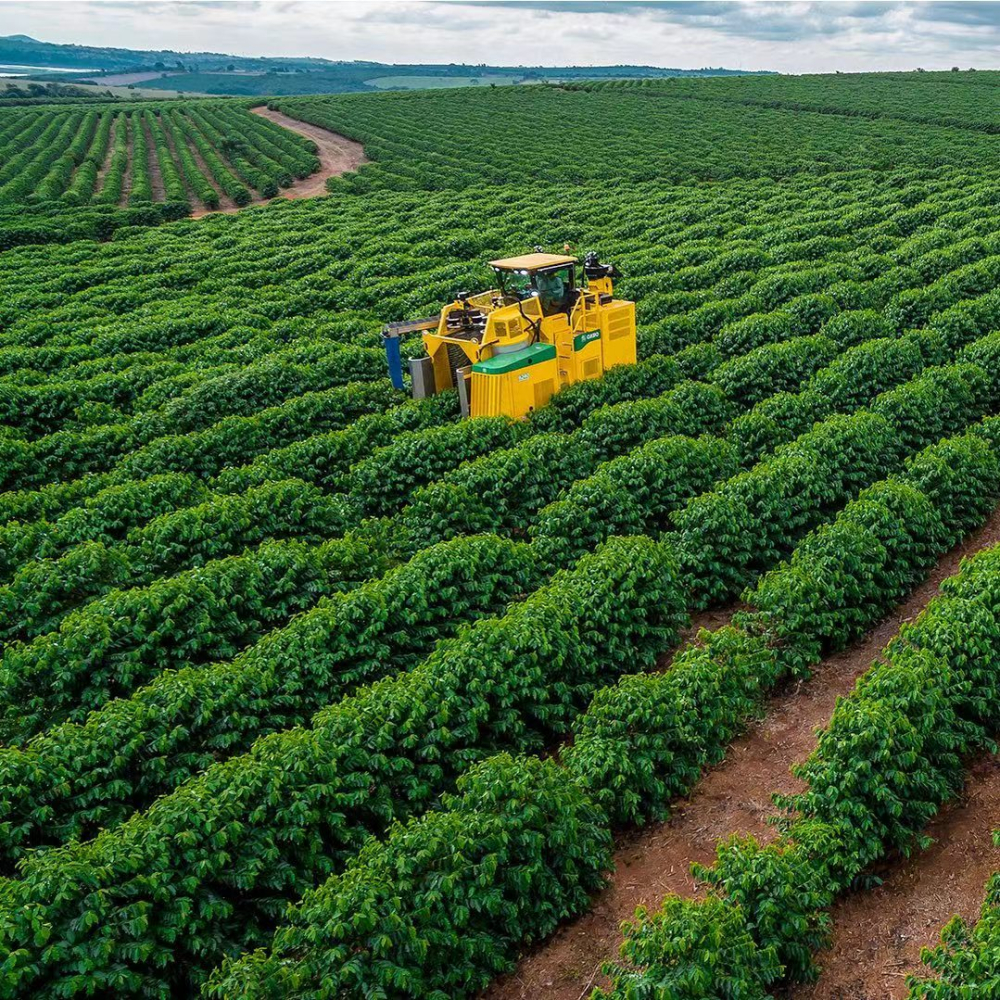
Arabica Coffee Arabica coffee refers to the Arabica coffee species, accounting for about 70% to 80% of world coffee production, mostly grown on volcanic slopes or plateaus at altitudes of 500 to 1500 meters or above. The bean shape is oval, relatively slender and flat, with moderate acidity and bitterness, and a mild aroma. Currently, the largest Arabica-growing country is Brazil, while Colombia produces only Arabica coffee.
Arabica has low caffeine content, about 0.9% to 1.2%; fat content is 60% more than Robusta coffee; sugar content is twice as much; therefore, Arabica tastes sweeter, milder, with a slight fruity acidity. Moreover, Arabica has lower chlorogenic acid, about 5.5% to 8%. Chlorogenic acid not only provides antioxidant benefits but is also an important component for resisting pests, so Arabica is more susceptible to pest and disease damage and is also easily affected by climate. It is generally grown at higher altitudes, bears fewer fruits, and ripens more slowly.
Today Arabica beans account for seventy percent of world coffee production, and Arabica beans are recognized as the better-flavored coffee beans. So what exactly do Arabica beans look like?
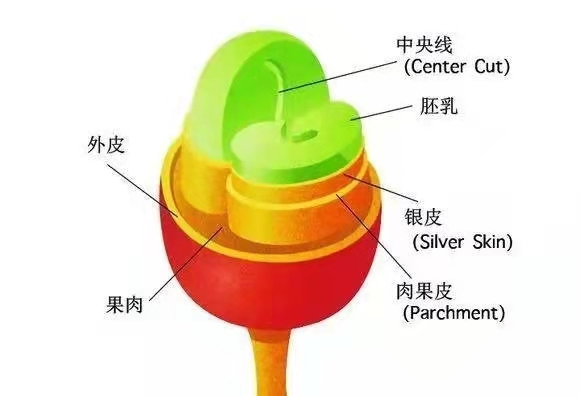
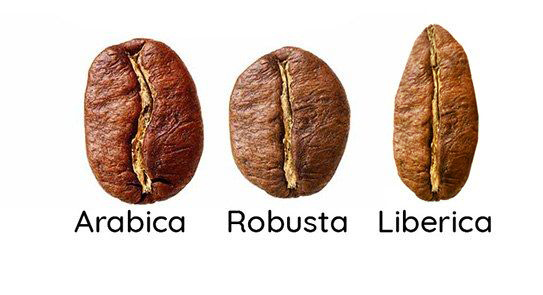
A casual search online will find the distinguishing features between Arabica beans and Robusta and Liberica beans. Among them, Arabica is described as having an oval bean shape, relatively slender and flat, with an "S"-shaped center line.
A typical Arabica fruit contains two coffee beans, so Arabica coffee beans have one flat side. Of course, there are exceptions, such as when a single coffee cherry contains only one coffee bean; these beans appear round and plump, somewhat resembling the appearance of Robusta. This is called a peaberry, and it is generally smaller than flat beans. If a normal flat bean is 17-18 mesh, then a peaberry is about 14-15 mesh.
Did you think Front Street was finished with the introduction? Actually, this is just the beginning. You should know that the Arabica species is a large variety category, and beneath it there are many subdivided coffee varieties, such as Typica, Bourbon, Geisha, etc., all of which have subtle bean appearance variations.
Typica Coffee As the oldest coffee variety, Typica's physical characteristics are often used as the model features of the Arabica species; in Central America it is called Arabigo or criollo. It is the variety closest to the original species. The bean shape is oval, relatively slender and flat, with an "S"-shaped center line, like an elongated egg. Front Street has noticed that many written textbooks use images precisely from Typica. It has a clean citric acidity, a sweet aftertaste, and low resistance to leaf rust, making it difficult to care for. The tree has low yield, and the harvest period is long (harvested once every 2 years), resulting in low production.
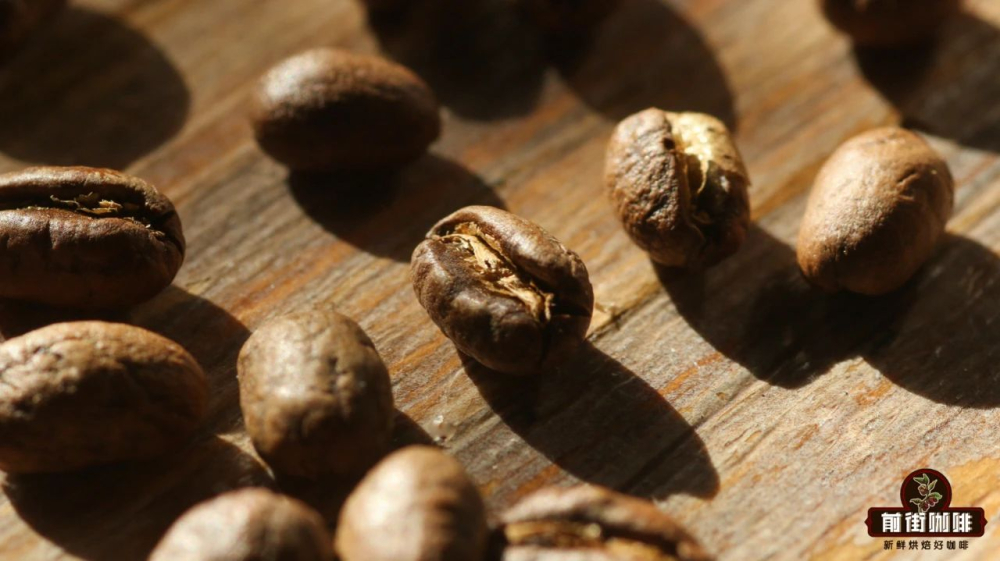
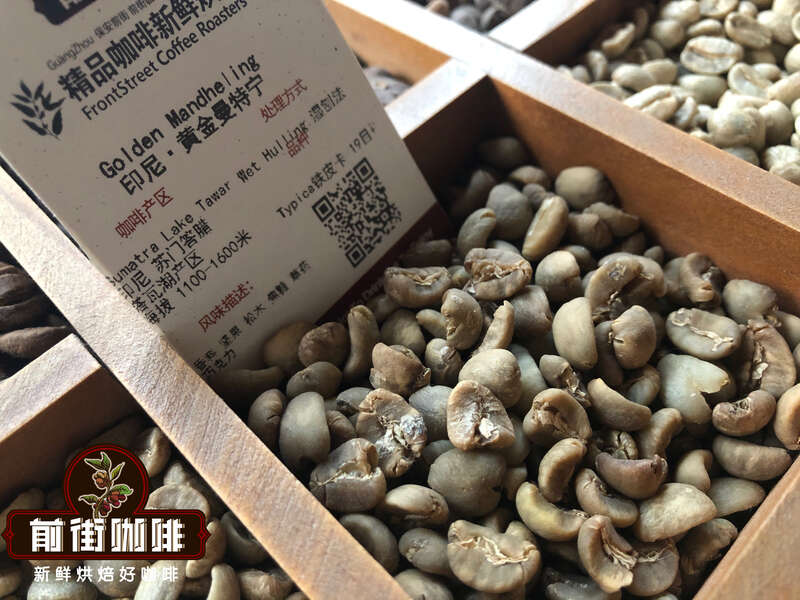
Of course, sometimes special processing techniques can also change the appearance of coffee beans. For example, the wet-hulling process often used in Indonesia has its greatest feature in that after the washing process, the parchment is removed and then dried. Using a machine to remove the parchment easily subjects the beans to machine compression, and the beans tend to crack into a goat-hoof shape.
Maragogype/Pacamara Coffee Maragogype is a natural mutation of Typica, named for its huge size. Its bean body is long and rectangular, flat in shape, and large size is its main characteristic. A typical Typica is around 17-18 mesh, while Maragogype can mostly reach over 20 mesh. It can be seen as a giant Typica.
Pacamara is an artificial hybrid of Pacas and Maragogype, inheriting Pacas's high productivity and adaptability along with Maragogype's size and excellent acidity. A normal Pacamara can maintain about 70% of the size of Maragogype.
Bourbon Family Coffee Bourbon is a natural mutation of Typica. Its greatest change in coffee beans is from the original long body to a round body, which is what we often call round-bodied Bourbon. The bean size is similar to Typica.
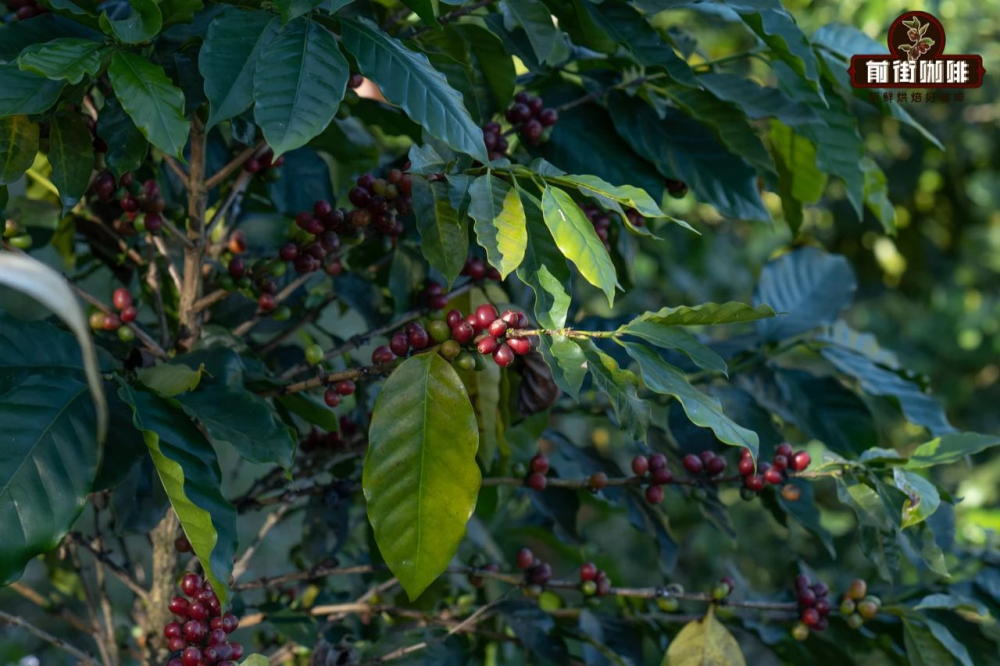
Some coffee experts believe Bourbon is merely a natural mutation of Typica with nothing special! But that is not the case. Bourbon has its own characteristics, and like Typica it has a high-quality mouthfeel, a wine-like acidity, and a sweet aftertaste. Typica and Bourbon can be distinguished by the coffee tree's leaves and bean appearance. Bourbon's leaves are relatively broad, and its coffee cherries are smaller and more densely clustered, so its beans are relatively smaller and rounder than Typica.
Its direct single-gene mutant varieties, such as Yellow Bourbon, Pink Bourbon, Caturra, Pacas, and Villa Sarchi, all well inherit the appearance characteristics of Bourbon coffee beans (some Caturra, Pacas, and Villa Sarchi, after multiple artificial breeding, may show slightly elongated bean shape). The greatest difference from Bourbon in plant characteristics is that these three become smaller in size and can grow well under direct sunlight without needing shade trees, so they are also called sun-exposed coffee.
A mutation of Bourbon has a dwarfed plant and beans different from traditional Bourbon, appearing pointed and elongated. Its caffeine is only half that of ordinary Arabica coffee, and it is called pointed Bourbon or naturally low-caffeine coffee.
Geisha Coffee The Geisha variety was discovered in 1931 in the Geisha forest of Ethiopia. Afterwards, Geisha was sent to the coffee research institute in Kenya, introduced to Uganda and Tanzania in 1936, to Costa Rica in 1953, and to Panama in 1970. Initially, not many people paid attention to Geisha until Panama's Hacienda La Esmeralda separated it from other varieties in 2003 and won the BOP competition in 2004. Only then did the Geisha variety formally enter everyone's view.
The appearance characteristics of Geisha coffee must be written in two parts. The first is American Geisha, represented by Panama's Hacienda La Esmeralda. The second is African Geisha, represented by Ethiopia's Gesha Village estate.
Hacienda La Esmeralda is famous for Geisha, and the most prominent feature of its Geisha coffee appearance is that it is slender, pointed at both ends, and plump and full in the middle. Some high-quality Geisha can even reach the size of Pacamara (18-19 mesh), making its identifying features very obvious. At present, Front Street believes that if you are tasting the Geisha variety for the first time, we would recommend starting from its debut stage—the Boquete region of Panama—for example, the Front Street Panama Boquete Washed Geisha launched by Front Street. The reason is simple: since this place gave birth to the famous Geisha and produced many renowned excellent estates, its terroir and climate are naturally excellent, so the Geisha produced there is naturally the most representative in flavor.
The Geisha coffee varieties of Gesha Village estate are Gori Gesha (with seeds sought in the Gori Gesha forest) and Gesha 1931 (selected from diverse forest populations similar to Panama Geisha). Their appearance shows a relatively long bean body, smaller than Panama Geisha, with less obvious characteristics.
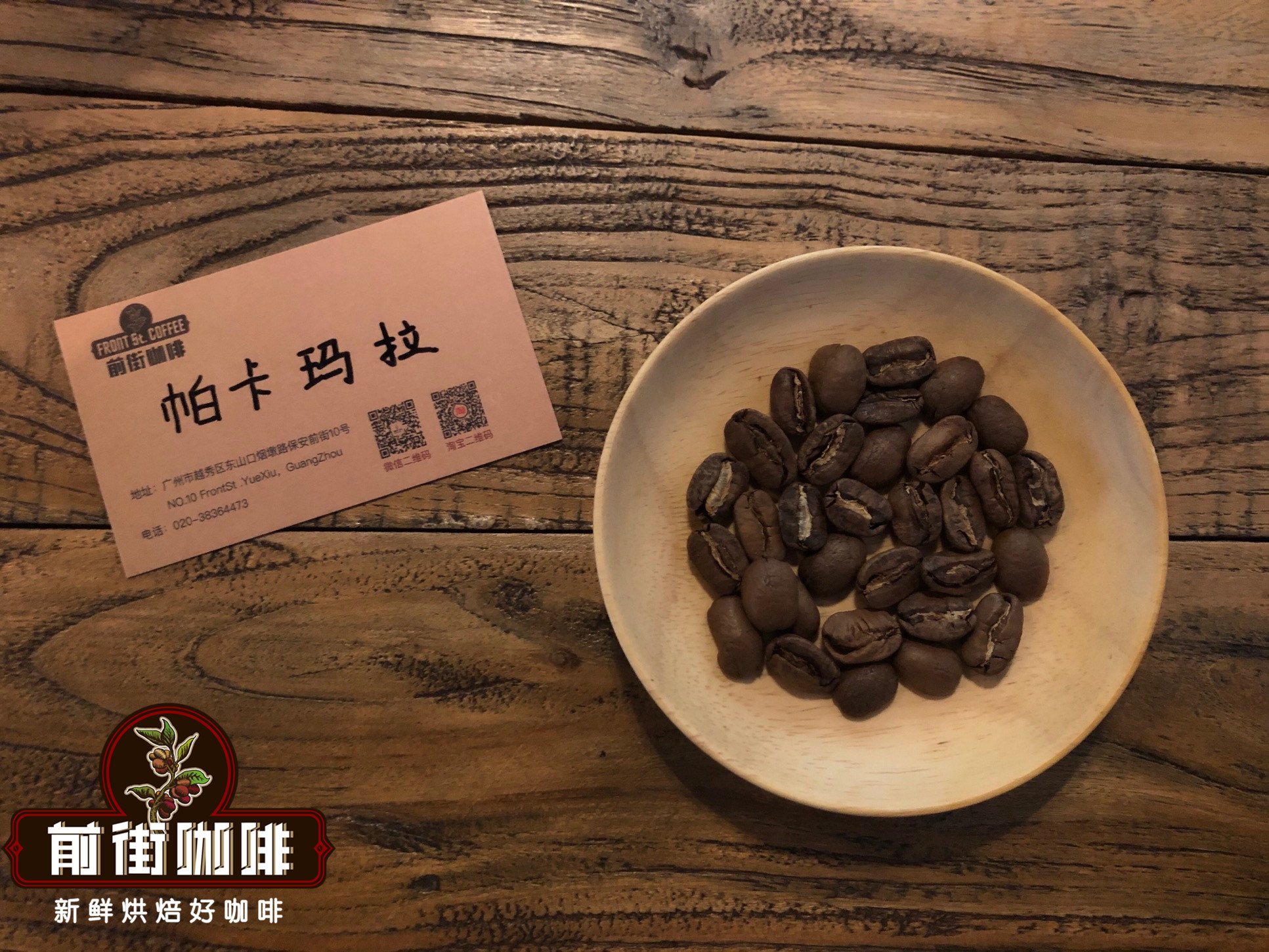
The flavor of Geisha coffee is also very delicious. Taking the Front Street Panama Hacienda La Esmeralda Blue Label that Front Street previously acquired as an example, this one is highly recognizable as a washed Geisha. The dry aroma smells of slight floral notes, while the wet aroma after brewing has obvious fruity and floral notes. When drunk, it has obvious citrus acidity, a medium tea-like body, and the whole preparation is like a cup of jasmine tea.
The above content is compiled by CoffeeHunters, a coffee news website.


