







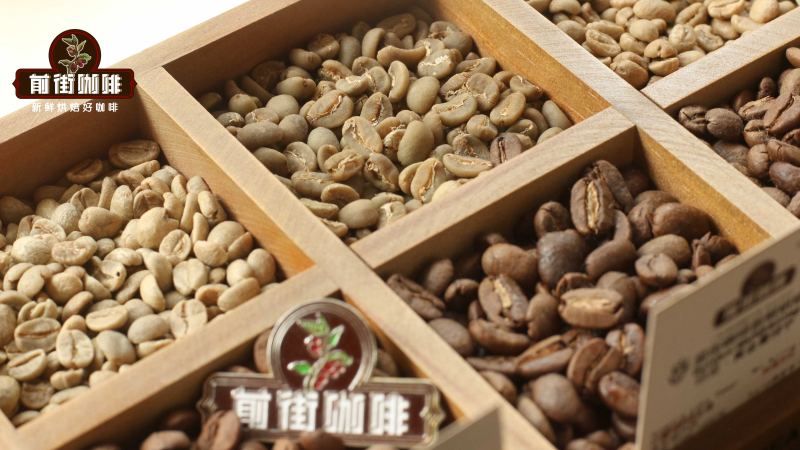
Where does Mandheling coffee come from and how does it taste?
Lintong Mandheling is a classic coffee from Indonesia's Sumatra region, known for a rich, bold body, low acidity, and herbal, woody aromas. The name Mandheling does not refer to a region, port, or variety. It comes from a mispronunciation of the Mandailing ethnic group during the World War II Japanese occupation, later popularized when a soldier arranged for 15 tons to be shipped to Japan.
Mandheling is graded G1 to G6 in Indonesia and produced mainly around Lake Toba and Lake Tawar using the wet-hulling process. Lintong Mandheling, Golden Mandheling, and other types differ. Front Street's Lintong Mandheling is roasted medium-dark, poured over for a heavy, low-acid cup with faint herbal notes and no astringency, matching the typical Sumatra style.
Lindong Mandheling is one of the most iconic classic coffees from Indonesia's Sumatra region, renowned for its rich, bold body, low-acid and non-astringent mouthfeel, and its unique herbal and woody aroma. This article provides a comprehensive overview of this classic black coffee's origin background and tasting highlights — from the origin of the name "Mandheling," Indonesia's G1 to G6 grading system, the two core producing regions of Lake Toba and Lake Tawar, and the steps of the wet-hulling process, to the green bean characteristics and medium-dark roast flavors of Front Street Lindong Mandheling, as well as pour-over parameters and extraction performance at different roast levels. It is suitable reading for coffee enthusiasts who wish to gain a deeper understanding of Indonesian Mandheling.
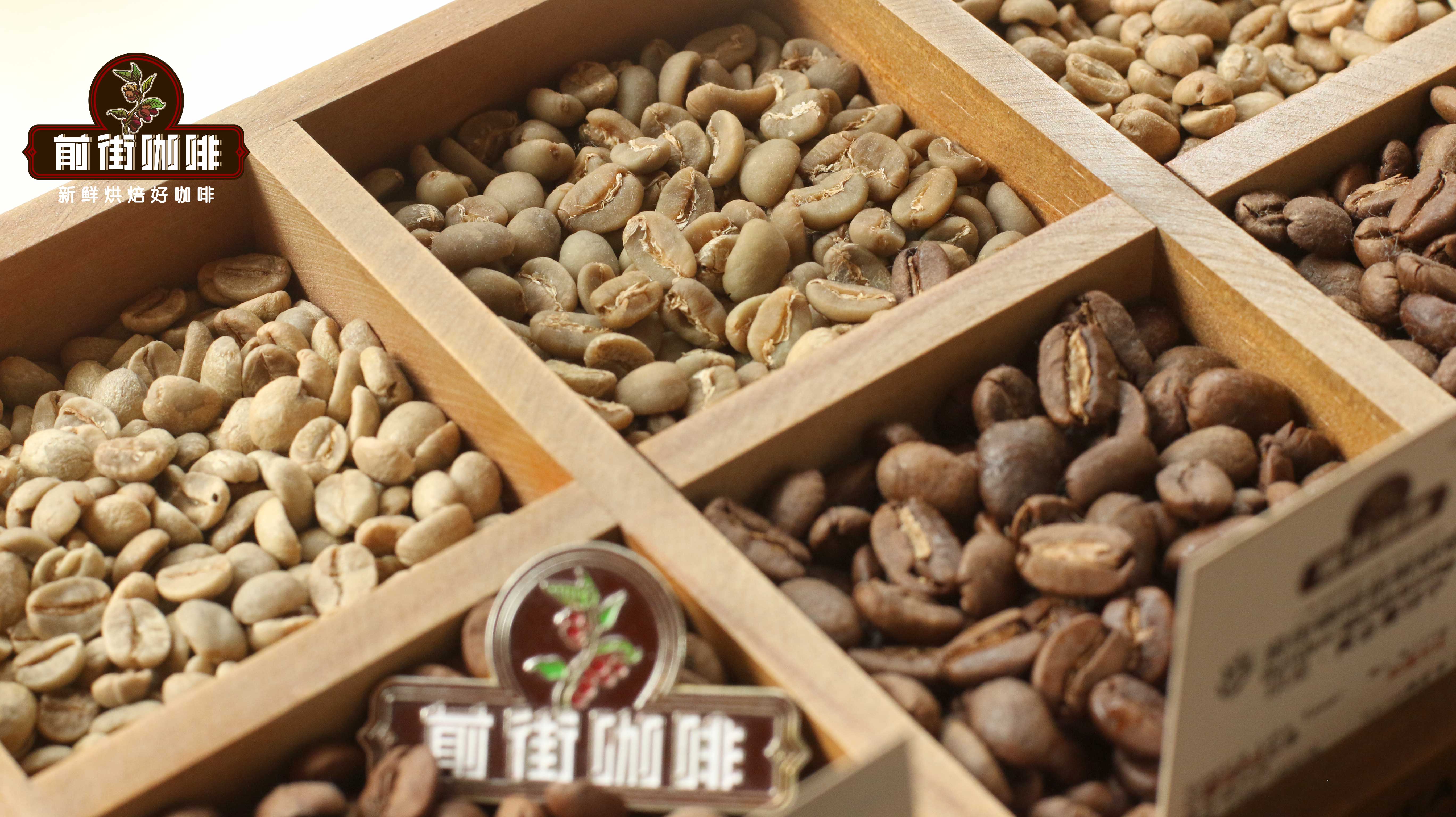
Front Street Mandheling's green beans may not look particularly attractive, but after roasting, the roasted beans display a full and beautiful color. What stands out most about Front Street Lindong Mandheling is precisely the typical style of Indonesia's Mandheling producing region. Its flavor represents a superb taste among classics — the overall profile is on the heavy side, yet within that richness there is body and a lush, lively complexity, without astringency or acidity, with both body and bitterness fully expressed. Mandheling is often regarded as the fullest-bodied coffee in the world. When tasting Front Street Mandheling, the tip of the tongue experiences a distinct smoothness, with low acidity, along with a faint herbal plant aroma.
01 | Producing Region Overview
The Origin of Mandheling
Mandheling is not the name of a producing region, a place, a port, or a coffee variety. It actually derives from a mispronunciation of the Mandailing ethnic group of Indonesia. During World War II, when Japan occupied Indonesia, a Japanese soldier drank an exceptionally aromatic and mellow coffee in a café and asked the owner what kind of coffee it was. The owner mistook the question for asking where he was from, and answered: "Mandailing." After the war, this Japanese soldier recalled the "Mandheling" he had drunk in Indonesia and arranged for an Indonesian coffee merchant to ship 15 tons to Japan, where it became hugely popular. And so the name Mandheling spread.
Mandheling is divided into many types, such as Lindong Mandheling, Golden Mandheling, and others. So what exactly are the differences among these Mandhelings? Coffee beans widely grown by locals in Sumatra and other Indonesian islands can almost all be called Mandheling — these names are simply used to distinguish Mandheling from different regions and different producers based on region and green bean supplier. Front Street currently offers four Mandhelings: Front Street Lindong Mandheling, Front Street Golden Mandheling, Front Street Tiger Mandheling, and Front Street Aged Mandheling.
What is the G1, G2, G3, G4 grading method?
Indonesian coffee beans use a grading method based on the proportion of defective beans. Indonesian beans are mainly divided into 6 grades, namely G1~G6.
Indonesia is the world's largest archipelago nation. As early as the 18th century during Dutch colonial rule, Arabica coffee trees were introduced for cultivation. The main producing regions are located on Sumatra, Java, and Sulawesi. The Mandheling produced there, with its deep, low-acid, full-bodied mouthfeel, is called "the world's most important coffee." Sumatra has the largest output, with the biggest producing area being Aceh province in the north.
Sumatra faces Java across the Sunda Strait to the southeast, faces the Malay Peninsula across the Strait of Malacca to the north, is adjacent to Borneo across the Karimata Strait to the east, and borders the Indian Ocean to the west.
At the end of the 17th century, Typica was transplanted from India to Indonesia. After centuries of cultivation, a Typica variant has developed in Sumatra. It is smaller in size than the original variety but retains Typica's deliciousness. Front Street Mandheling coffee beans are relatively large with a hard bean texture, and defects easily appear during cultivation. After harvesting, they usually undergo strict manual selection. If the control process is not strict enough, it easily leads to inconsistent quality. Combined with the fact that different roast levels directly affect the flavor, this makes it a single origin that attracts considerable controversy.
Mandheling is also known as "Sumatra coffee." Both the Lake Toba area in North Sumatra Province and the Lake Tawar area in Aceh produce Mandheling coffee — these are the famous "Two Lakes, Two Mandhelings."
Indonesia is the world's largest archipelago nation. As early as the 18th century during Dutch colonial rule, Arabica coffee trees were introduced for cultivation. The main producing regions are located on Sumatra, Java, and Sulawesi. Sumatra faces Java across the Sunda Strait to the southeast, faces the Malay Peninsula across the Strait of Malacca to the north, is adjacent to Borneo across the Karimata Strait to the east, and borders the Indian Ocean to the west.
About [Lake Toba]
Mandheling is also known as "Sumatra coffee." The homeland of premium Mandheling — the Lake Toba region — is located at the northern tip of Sumatra, Indonesia.
Lake Toba (Indonesian: Danau Toba; English: Lake Toba) is a volcanic lake located in northern Sumatra, Indonesia. The lake is diamond-shaped, 100 kilometers long and 30 kilometers wide, with an area of 1,130 square kilometers and an average elevation of about 900 meters. It is also the world's largest volcanic lake.
Lake Toba is located in the central part of North Sumatra Province. Dutch colonists moved "Java Mandheling" north to the Lake Toba area in 1888. The Lintong area of South Sumatra and the Lake Toba area can be called Mandheling — the Lintong area is the true Mandheling producing region. Mandheling comes from the mountainous areas around Lake Toba. This lake is located north of Medan, the provincial capital of Sumatra. It is an alpine freshwater lake with an average elevation of about 900 meters. What is commonly called Mandheling refers to coffee beans of Typica or its variants grown in the mountainous areas around Lake Toba.
[About "Lake Tawar"]
Lake Tawar is located in the Gayo highlands north of Aceh Province, Sumatra.
Lake Tawar is located in the central part of the Aceh Special Region, at the northern tip of Sumatra. Most of what North Sumatra produces is Gayo, mainly the Ateng variety; the northern Lake Tawar area can be called Aceh coffee or Lake Tawar coffee. Its area is less than one-tenth that of Lake Toba, yet in recent years its coffee quality and output have surpassed Lake Toba.
02 | Processing Method
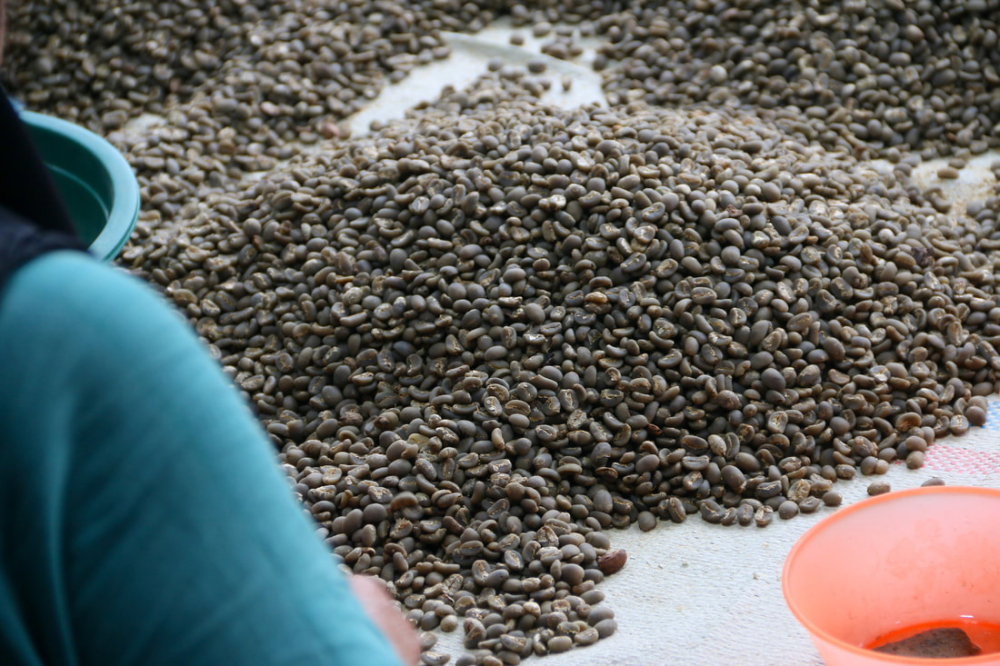
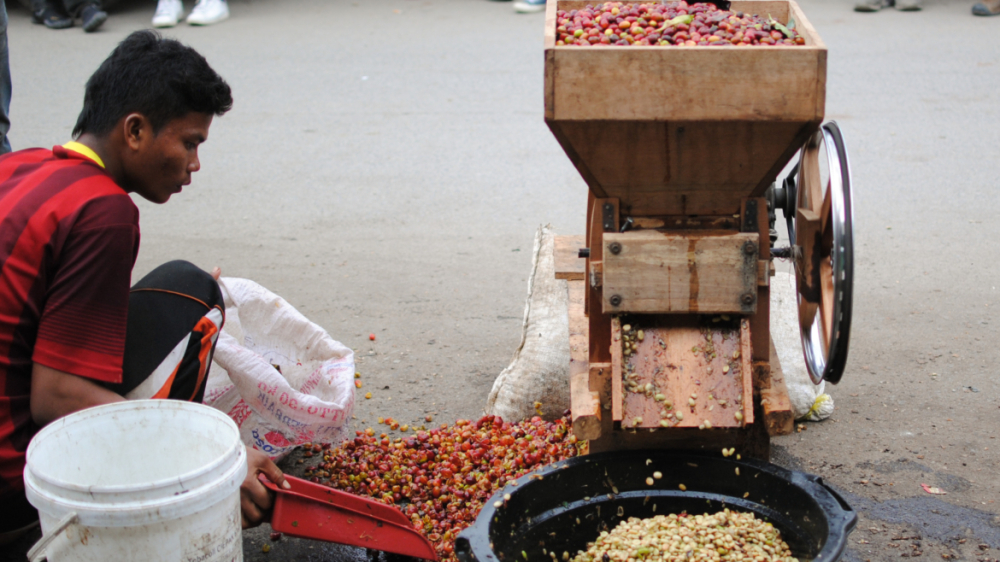
Wet hulling, also known as Wet Hulling, is called Giling Basah in the local language and is a traditional Indonesian coffee processing method. Judging by the name alone, wet hulling seems very similar to wet processing (washed processing), yet the cupping flavors of these two processing methods are completely different. Coffee processed by wet hulling is usually full-bodied and intense, with a very distinctive character.
Steps of the Wet Hulling Process
① Remove the skin and pulp, keeping the parchment and mucilage
② Ferment in a water tank
③ Wash off the mucilage
④ Sun-dry with parchment for 2-3 days, to a moisture content of 20-24%
⑤ Hull off the parchment
⑥ Dry the green beans to a moisture content of 12-13%
⑦ Ready for export
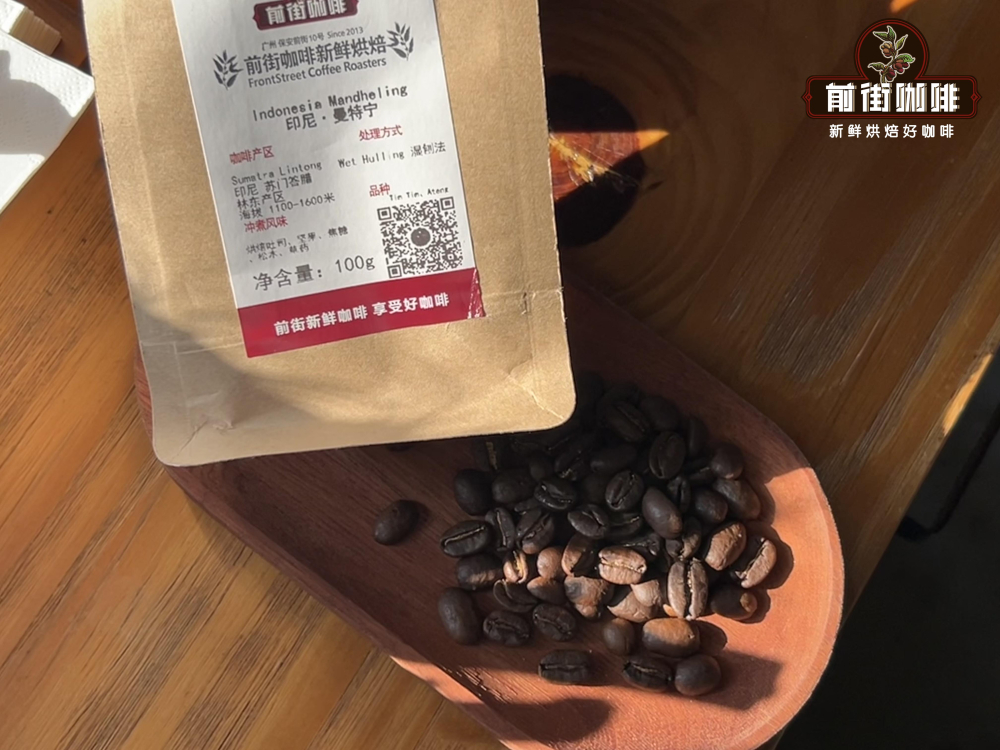
Front Street Lindong Mandheling G1 Lintong Mandheling Grade -1
The most famous producing areas for Asian coffee are the various islands of the Malay Archipelago: Sumatra, Java, and Kalimantan. Among them, the Sumatra Mandheling coffee from Indonesia's Sumatra island is the most renowned.
Both the Lake Toba area in North Sumatra Province and the Lake Tawar area in Aceh produce Mandheling coffee — these are the famous "Two Lakes, Two Mandhelings." What the "Two Lakes, Two Mandhelings" have in common is that both are full-bodied and aromatic. The difference is that Lake Toba Mandheling is more muted and deep in aroma, even with a hint of grass jelly flavor, while Lake Tawar Mandheling has brighter fruit acidity and sometimes a cedar or woody note.
From left to right: Front Street Lindong Mandheling G1, Front Street Horse-Face Mandheling, Front Street Golden Mandheling
[Front Street Lindong Mandheling] Flavor Description:
1. Mouthfeel: Aromatic and rich, sweet-bitter in nature, with an intense and stimulating mouthfeel upon entry, clove and woody aromatic flavors. Medium-dark roasted Front Street Lindong Mandheling has low acidity, a spice-family and mint mouthfeel, and a strong, lasting, full-bodied sweetness.
2. Aroma: The dry aroma has notes of glutinous rice, malt, spices, caramel, and wood. After adding hot water, the wet aroma is a deep roasted caramel note and pine wood note, plus a faint earthy fragrance.
3. Visual: The beans are full and uniform. After roasting, the beans are quite large; the green beans are brown or dark green.
1. Light roast: Fuji Royal ghost-tooth grinder setting 3.5, water temperature 90°C, water-to-coffee ratio 1:15
2. Medium-dark roast: Fuji Royal ghost-tooth grinder setting 4, water temperature 88°C, water-to-coffee ratio 1:15
3. Dark roast: Fuji Royal ghost-tooth grinder setting 4.5, water temperature 86°C, water-to-coffee ratio 1:15
(Front Street Coffee generally sifts powder to 80% with a 20-mesh sifting bowl for light roasts before pour-over, and sifts to 70% for medium-dark roasts before pour-over.)
[Front Street Brewing Results]
1. Light roast: At this roast level, Front Street Lindong Mandheling has a relatively pronounced fruity acidity and is slightly bitter. The fruity acidity is noticeable but comfortable on entry, with a sensation of saliva being produced on both sides of the mouth. The smoothness is average.
2. Medium-dark roast: The balance is very good — aromatic, rich, and full-bodied. The bitterness is more pronounced, the chocolate note and slight sweetness are more prominent, the licorice note is obvious, the fruity acidity is weak, and the smoothness is better than the light roast. The aroma is intense, and the fruity acidity is noticeably enhanced.
3. Dark roast: Almost no acidity, with a very heavy bitterness. If roasted over direct fire, slight improper roasting can also produce a burnt taste.
1. Choice of equipment: Hario V60
2. Water temperature: 88°C
3. Grind size: Fuji Royal grinder setting 4
4. Roast level: Medium-dark roast
5. Bloom time: 25 seconds
Front Street Coffee (FrontStreet Coffee) method: [Three-pour interruption] For pour-over Front Street Lindong Mandheling, 15g coffee, Fuji Royal ghost-tooth burr setting 4 grind, V60 dripper, 88-89°C water temperature. First pour 30g of water for a 25s bloom, pour until 104g then stop, wait for the water level in the coffee bed to drop to half before pouring again, pour slowly until 220g. Discard the final 5 grams. Water-to-coffee ratio 1:15, extraction time about 2:00.
Front Street Lindong Mandheling can also be extracted using the volcano pour method, or with a flannel filter or Kono.
Front Street brewing method: High-temperature extraction, water temperature 90-92°C, pour with a small stream in the front stage at a position the size of a one-yuan coin, stop, bloom, stop, bloom, keeping the coffee grounds in a blooming state continuously, bloom time 1:30, then extract quickly with a large stream. Total extraction time 2:30.
The above content is compiled by CoffeeHunters, a coffee news website.


