







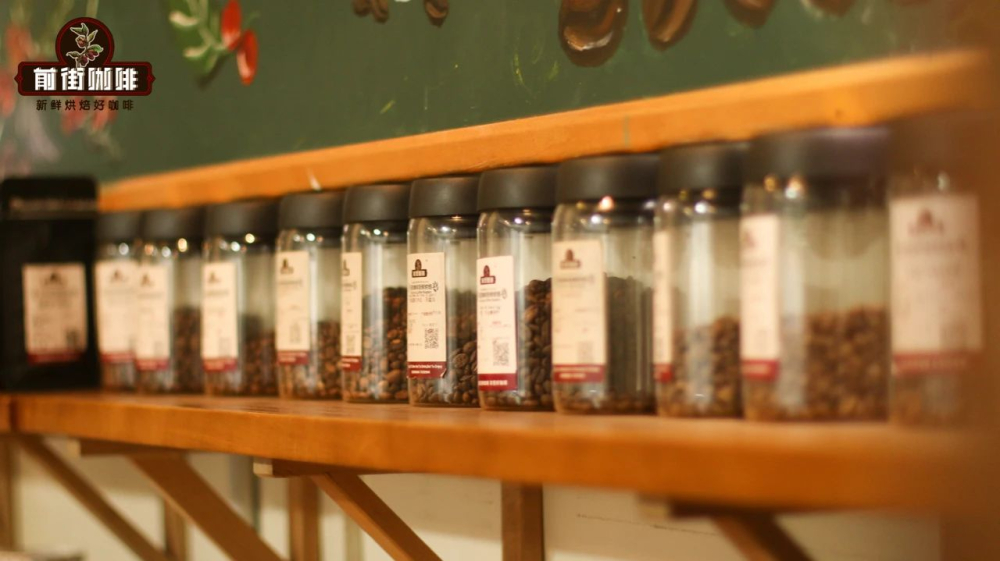
Front Street Coffee believes that different roast levels yield different flavor expressions, but many people have a misconception: is it enough to roast coffee beans to a certain roast color? Of course not. The flavor of coffee is not just about the roast level; it also depends on the overall expression of the region, variety, and altitude. Front Street Coffee believes that every coffee bean has a roasting curve that suits it. Although each coffee bean has a high tolerance, only when it is roasted to a recognizable degree can the flavor of its origin emerge. This is the logic behind Front Street Coffee's roasting. Considering only the roast level is not enough.
Light Roast Coffee
Characteristics: Light roast coffee is light brown, with no oil on the surface of the beans. The beans are hard, the acidity is bright, the mouthfeel is mellow, and the taste is lively.
Flavor: Coffees with fruity and floral notes are usually light roasts. As long as the beans have been well grown, processed, and roasted, they can produce a wide variety of flavors, aromas, aftertastes, and more.
However, if the roast does not penetrate to the center of the bean, grassy and herbal flavors may also appear, which some people find unacceptable.
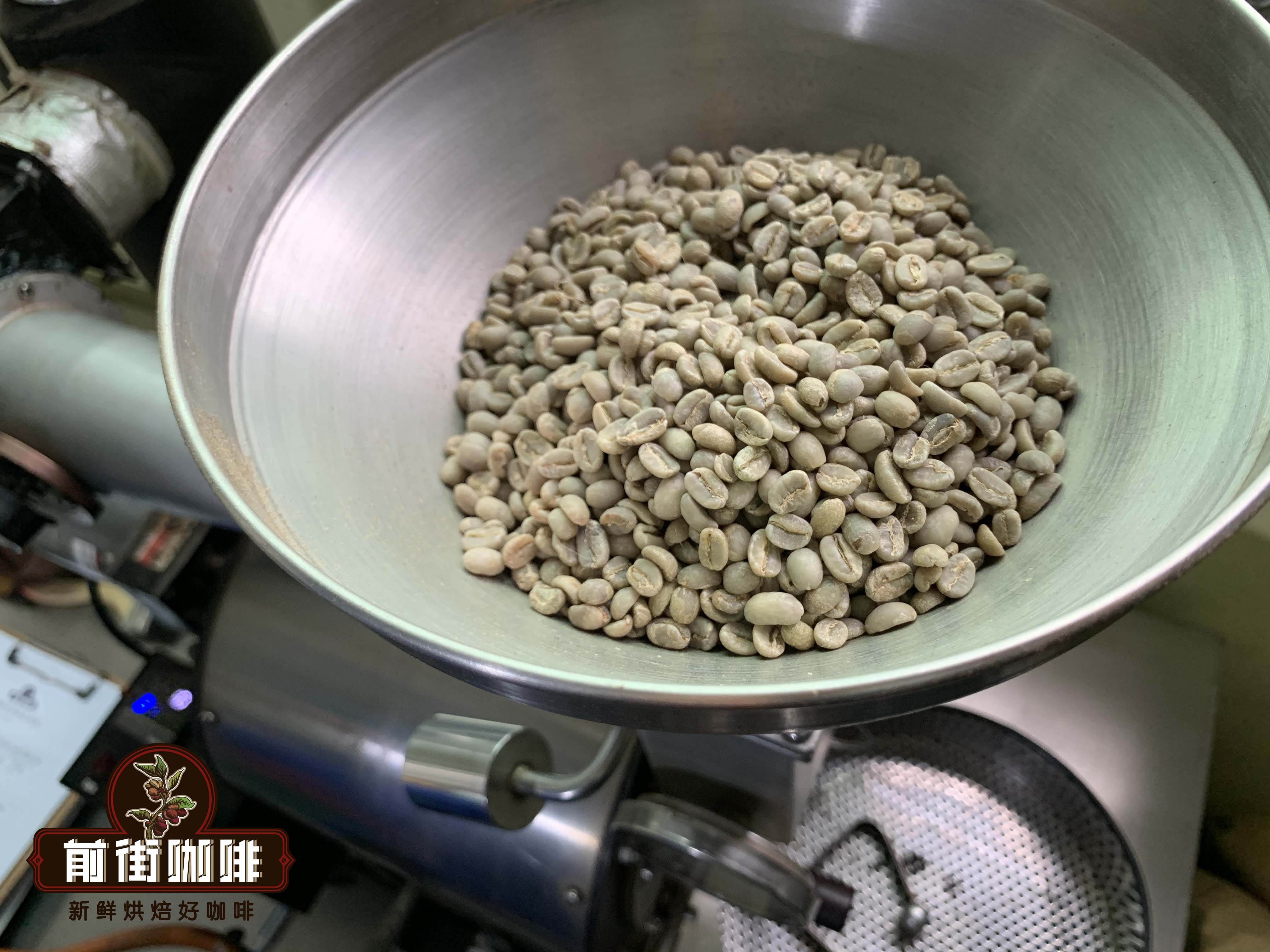
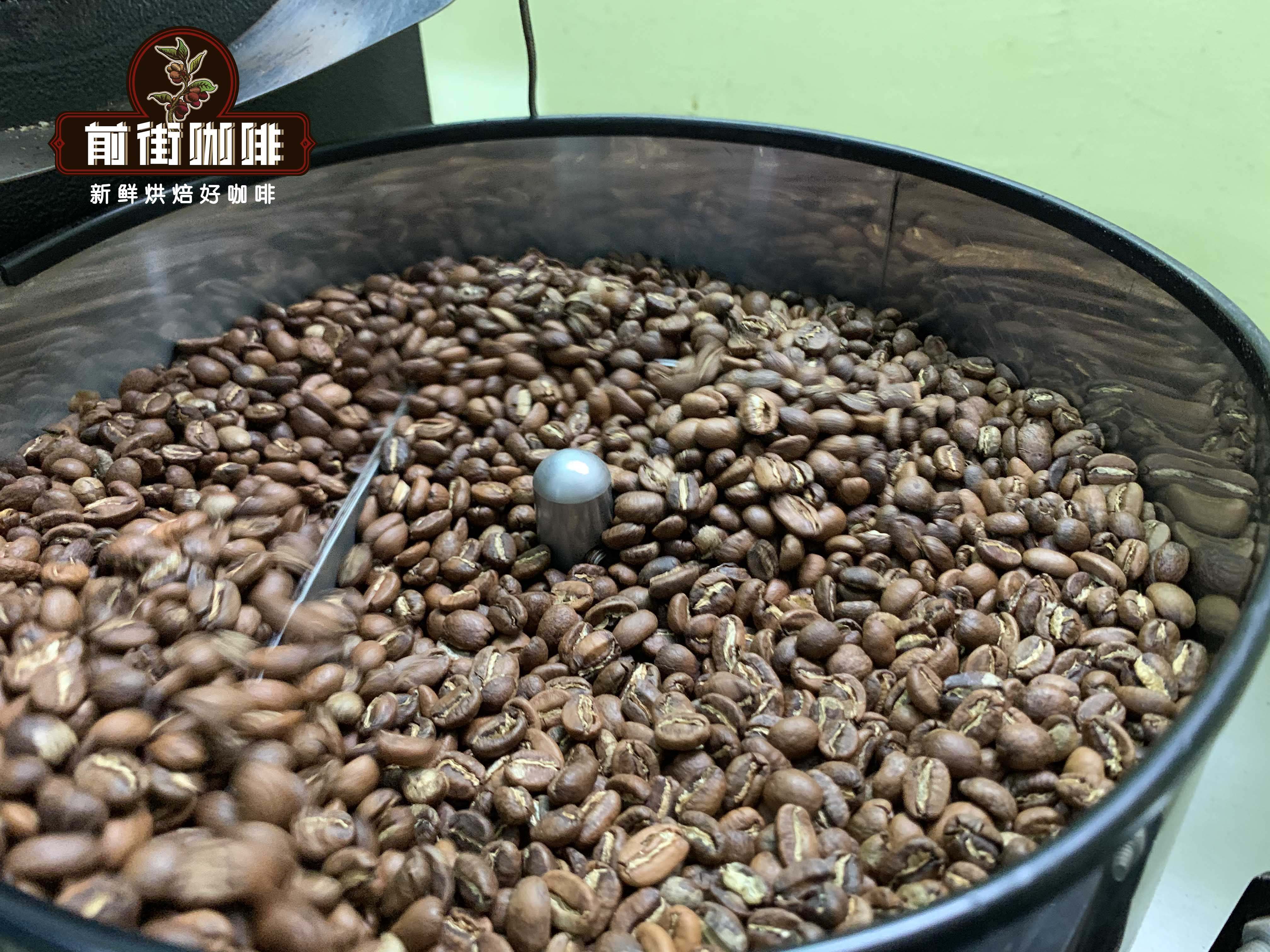
Light roast is deeply favored by the specialty coffee industry because it can bring more varied, vibrant, and unique flavors to coffee. They highlight the distinctive characteristics of a coffee's origin better than other roast levels.
Stage: The internal temperature of light roast coffee usually reaches 170-200°C. These beans have barely reached what we call "first crack," the stage when steam inside the bean breaks through the outer layer and produces a "cracking" sound.
Other names for light roast include: Cinnamon Roast, Light Roast.
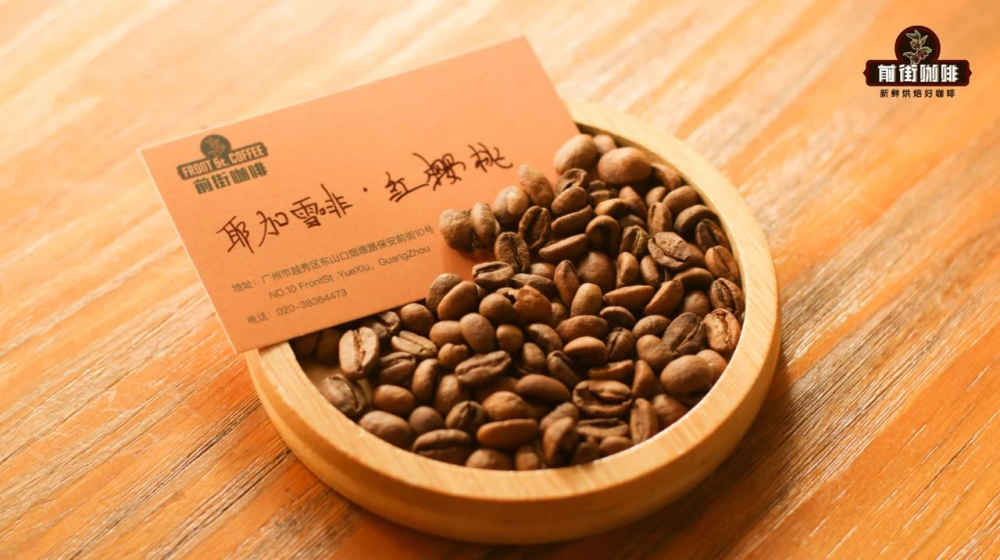
Front Street Coffee takes the Ethiopian Front Street Yirgacheffe Red Cherry Project coffee beans as an example. Through pour-over, you can find that its fruity acidity is relatively bright and light.
Region | Yirgacheffe |
Estate | Aricha |
Altitude | 1850-2050m |
Variety | Local Heirloom |
Processing Method | Natural Process |
Dripper | Hario V60 |
Water Temperature | 90℃ |
Dose | 15g |
Coffee-to-Water Ratio | 1:15 |
Grind Size | BG#5F(Chinese standard20mesh sieve pass rate80%) |
Front Street Coffee uses staged extraction: 30g of water for blooming for 30 seconds, then pour in a small stream in circles until 125g for a stage, and when the water level drops and is about to expose the coffee bed, continue pouring until 225g and stop. When the water level drops and is about to expose the coffee bed, remove the dripper. (Start timing from the beginning of blooming.) Extraction time is 2'00".
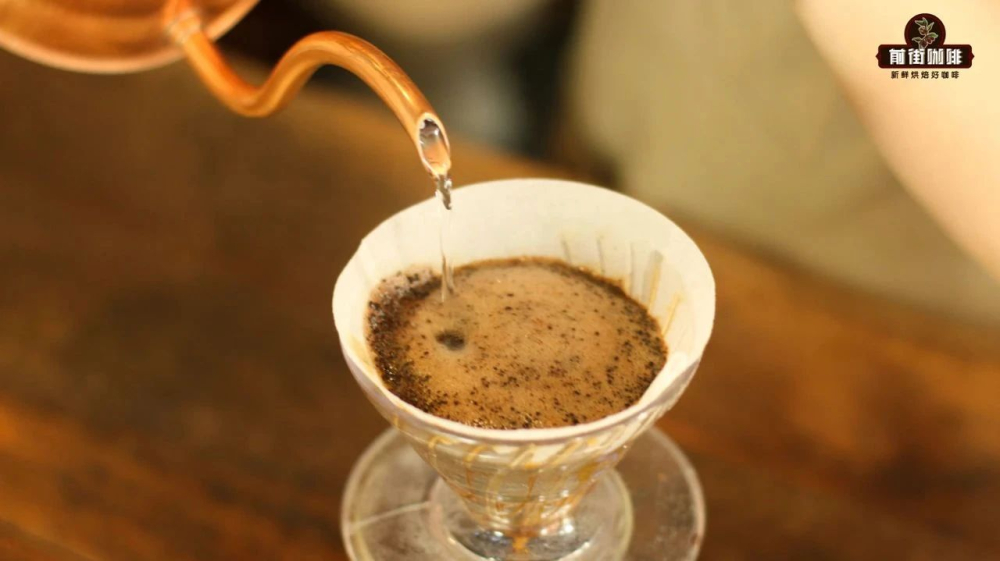
[Flavor Description]
Berries, cream, honey, citrus, juicy mouthfeel, bright acidity.
Medium Roast Coffee
Characteristics: Medium roast coffee is brown, with a small amount of oil appearing on the surface of the beans. These coffees have a little acidity and a red wine note, with a rounded mouthfeel.
Flavor: Roasting to this degree also preserves many of the coffee's unique flavors. Heat begins to enter the interior of the bean, causing caramelization and sweetness. Therefore, the various indicators are relatively balanced, richer than light roast and sweeter, but some bright acidic aromas may disappear.
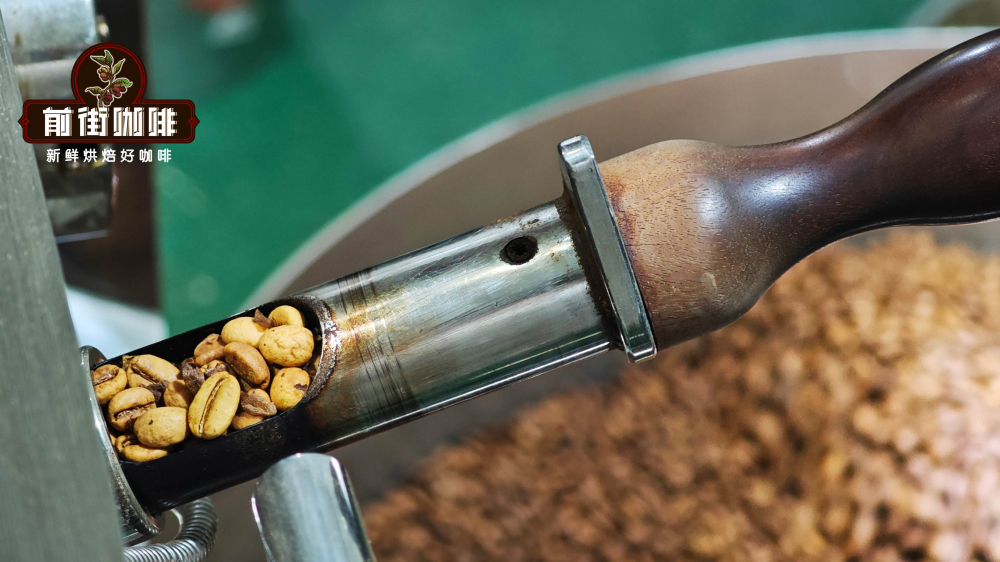
This is a roast level that roasters relatively prefer. Front Street Coffee believes it is because it is more approachable for general drinkers, balancing acidity and bitterness while still showcasing the coffee's natural flavors.
Stage: The temperature of medium roast can reach 200-215°C. The roasting temperature is slightly higher, and it is ready just when the sound of "first crack" is heard.
Other names include: Medium Roast, Deep Roast, City Roast.
Front Street Coffee takes the Front Street Brazil Queen Estate coffee beans on its bean list as an example. Through pour-over, you can find that its fruity acidity is soft, with prominent nutty and chocolate flavors.
Region | Mogiana, São Paulo |
Estate | Queen Estate |
Altitude | 1400-1950m |
Variety | Yellow Bourbon |
Processing Method | Natural Process |
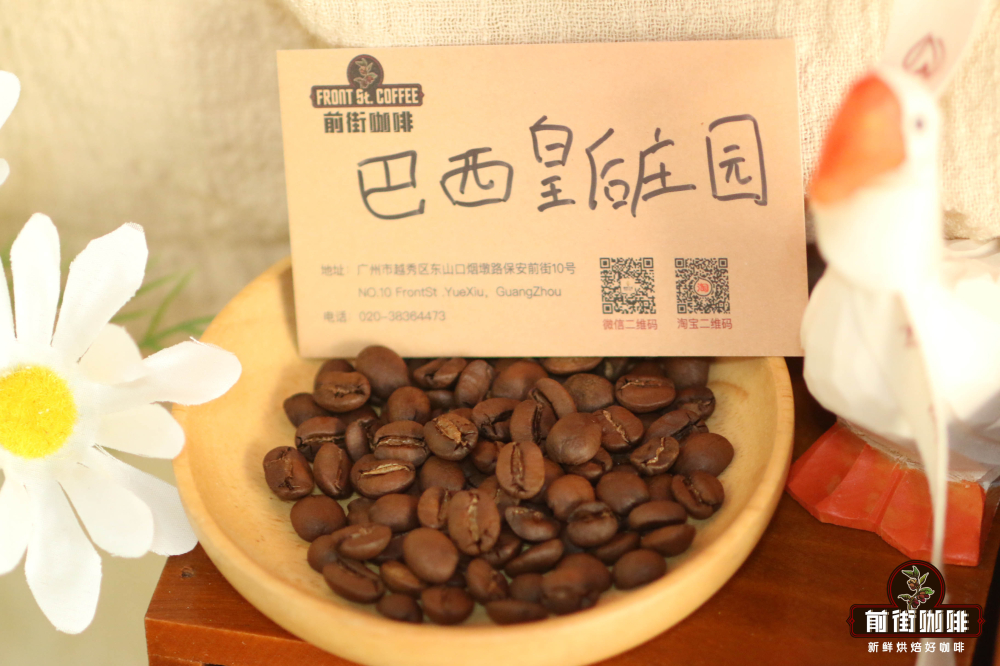
Dripper | Kono |
Water Temperature | 88℃ |
Dose | 15g |
Coffee-to-Water Ratio | 1:15 |
Grind Size | BG#5I(Chinese standard20mesh sieve pass rate70-75%) |
*Reason for choosing the Kono dripper: The Kono dripper has few ribs and they are located at the lower end. The filter paper fits closely against the dripper, which can restrict airflow, increase the contact time between water and coffee grounds, allow the coffee grounds to be fully extracted, and enhance the mellow mouthfeel. It is suitable for brewing medium-dark roasted coffee beans such as Front Street Brazil Queen Estate, Front Street Jamaica Blue Mountain, and Front Street Golden Mandheling.
Front Street Coffee uses staged extraction: 30g of water for blooming for 30 seconds, then pour in a small stream in circles until 125g for a stage, and when the water level drops and is about to expose the coffee bed, continue pouring until 225g and stop. When the water level drops and is about to expose the coffee bed, remove the dripper. (Start timing from the beginning of blooming.) Extraction time is 2'00".
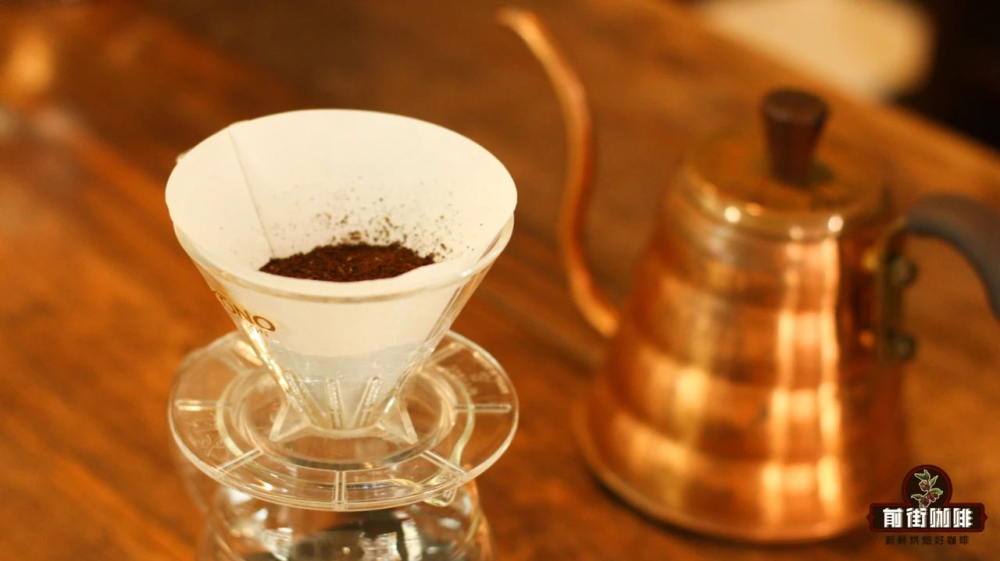
[Flavor Description]
The flavor has obvious sweetness, with a light lemon aroma, a rich nutty flavor, and a noticeable dark chocolate note in the finish. The overall impression is relatively rounded.
Dark Roast Coffee
Characteristics: Dark roast coffee is a dark brown coffee with rich surface oils, low acidity, a heavy red wine note, and a more bitter and fuller-bodied taste.
Flavor: Coffee roasted to this level basically cannot be judged by origin, but this does not mean this coffee tastes bad. Some coffees are very suitable for dark roasting and will have characteristic flavors of chocolate, nuts, and caramel.
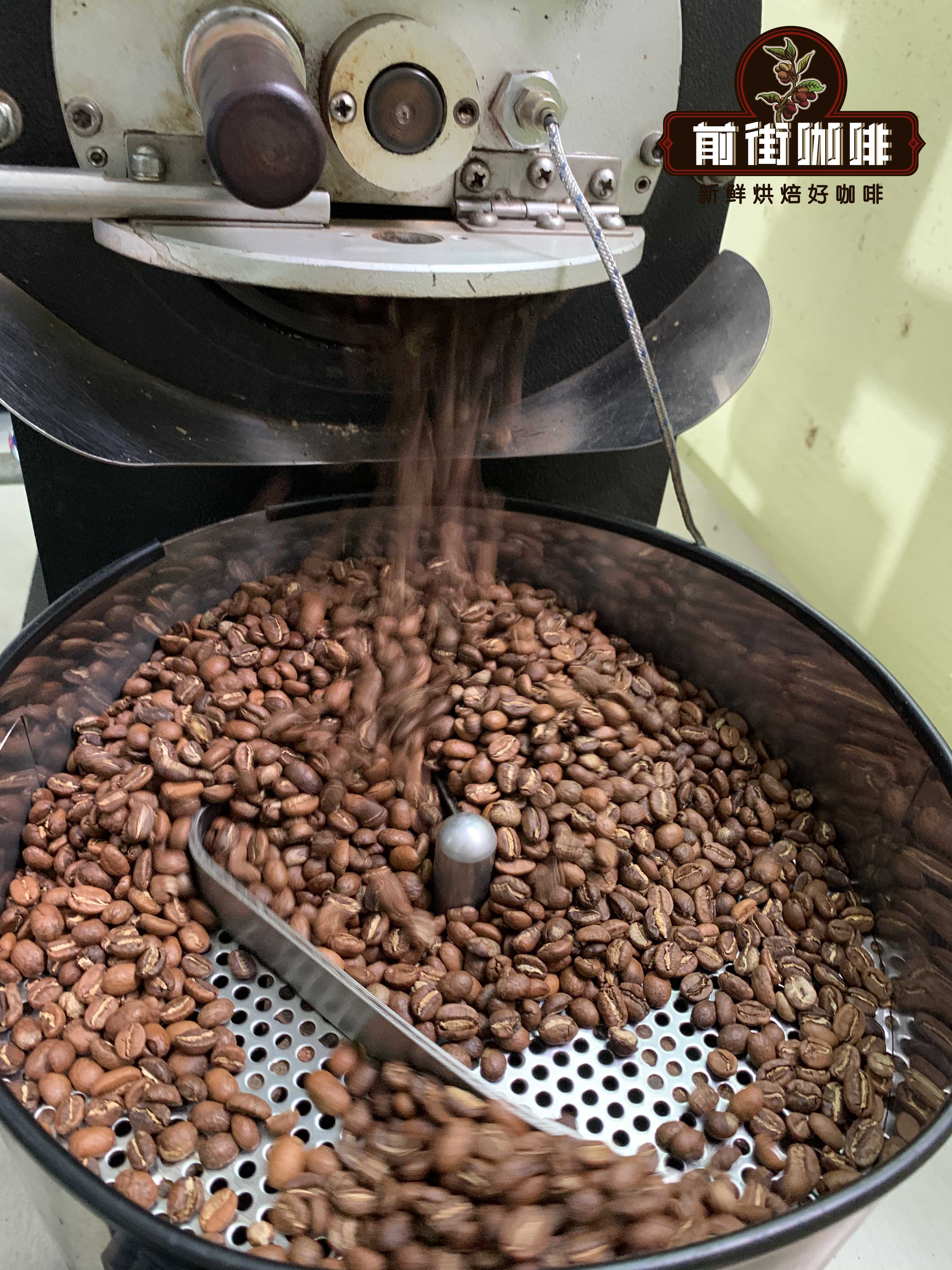
The difference between light roast and dark roast is very obvious. Front Street Coffee strongly recommends trying both extremes at the same time so you can truly appreciate the difference.
Professional coffee roasters rarely have more than 1 or 2 dark roast products. If there is not much flavor difference between beans (dark roasting increases uniformity), then it is not very meaningful, and beginners can do it too.
Dark roast coffee held king status before the concept of specialty coffee appeared. The important reason was that coffee cultivation techniques were relatively backward in the past, and the beans themselves were of poor quality. Dark roasting removed the less desirable flavors of lower-grade coffee and countered low-quality coffee, but now it is no longer needed. Increasingly strict screening and grading systems allow roasters to enjoy specialty-grade coffee beans.
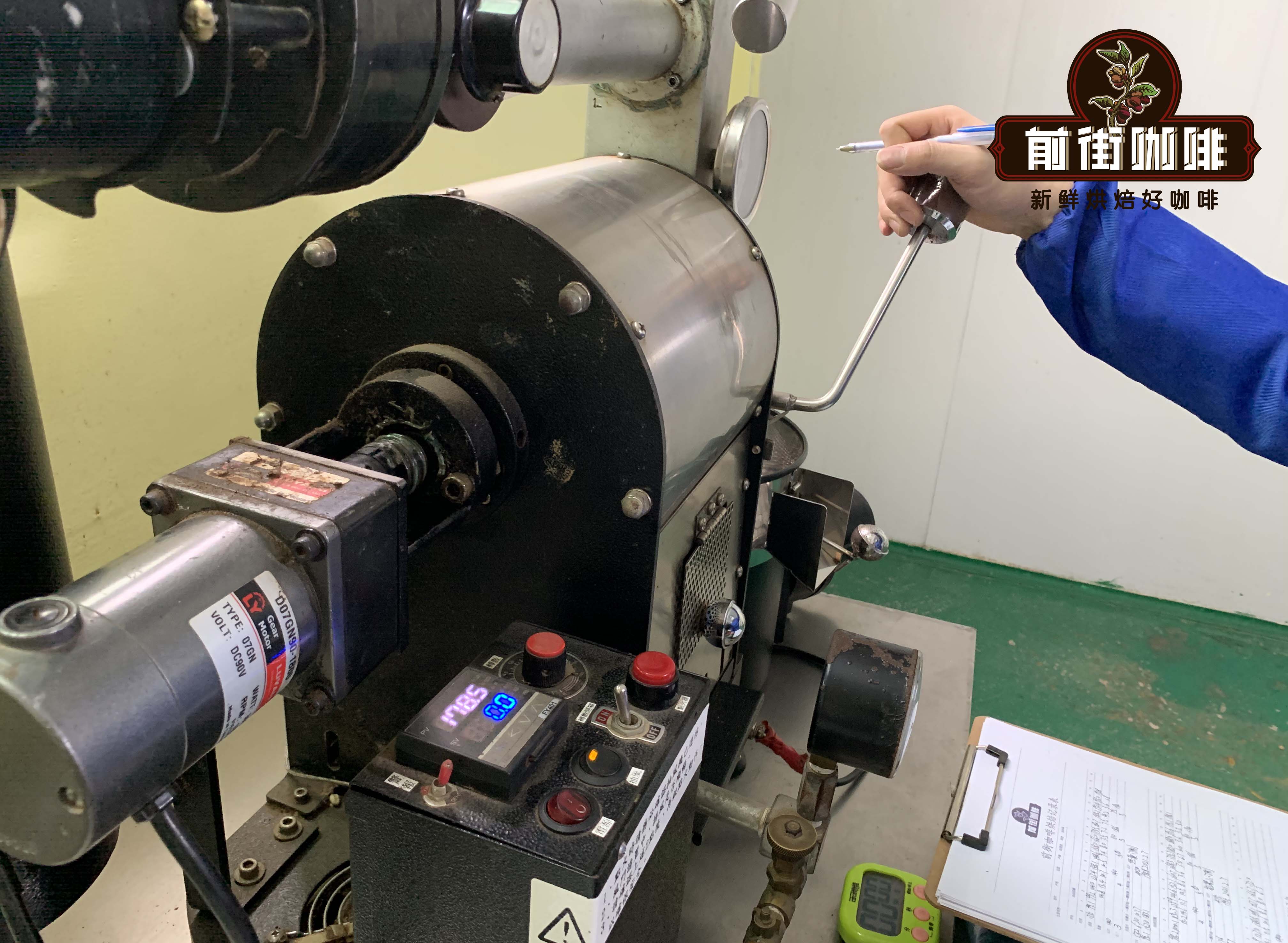
Now, the goal of professional roasters is not to roast away bad flavors, but to try for deeper flavor, darker color, and better-tasting coffee based on a specific coffee.
Stage: Dark roast coffee reaches 220-225°C during roasting. If it is not a micro roast, it will usually reach "second crack."
Other names also include: Full City Roast, French Roast, Italian Roast.
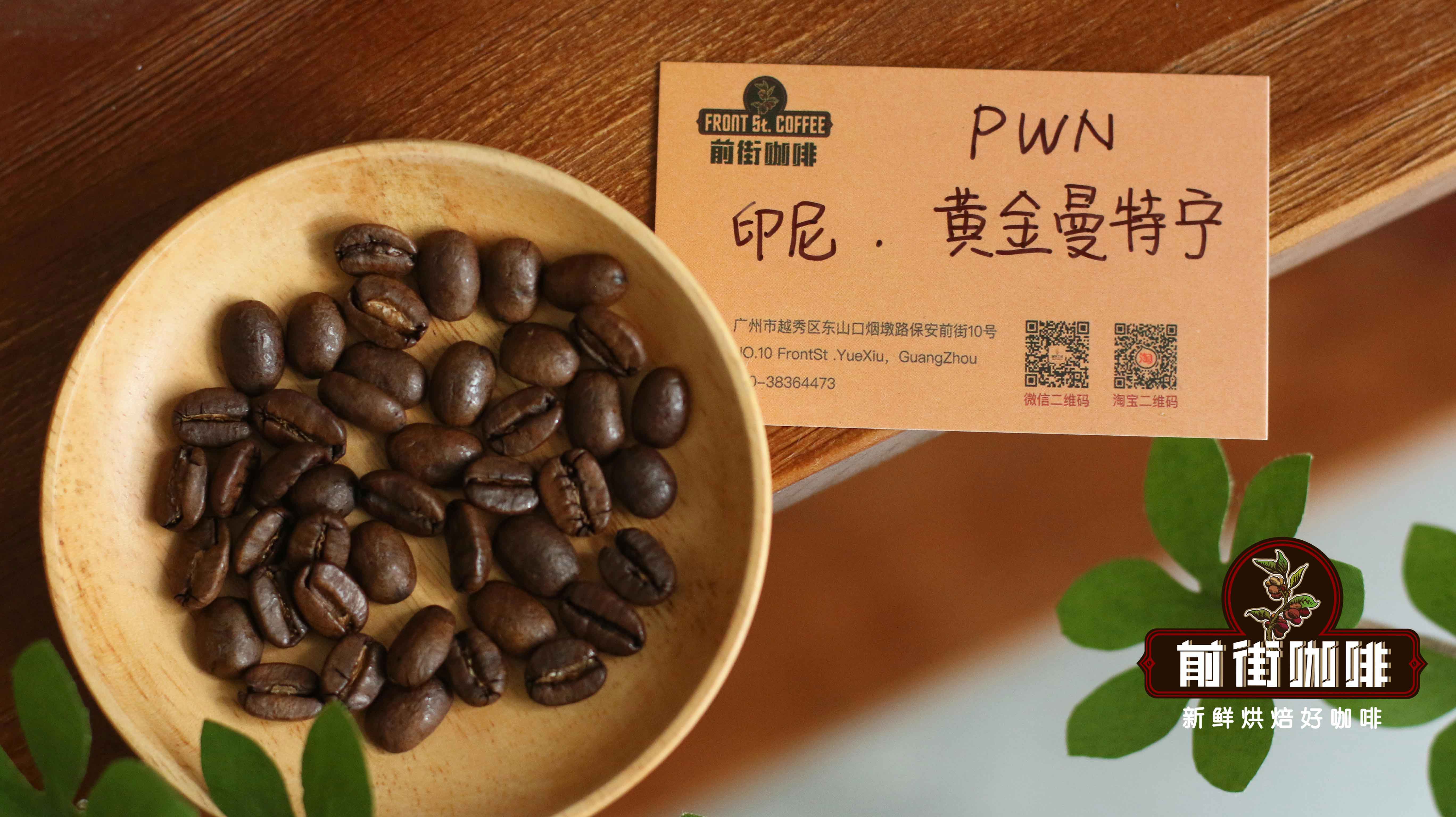
Front Street Coffee takes the Front Street Indonesia Golden Mandheling coffee beans on its bean list as an example. Through pour-over, you can find that its fruity acidity is basically gone, with rich nutty and chocolate flavors and a prominent sweetness.
Region | Sumatra |
Company | PWN |
Altitude | 1100-1600m |
Variety | ateng |
Processing Method | Wet Hulled Process |
Dripper | Kono |
Water Temperature | 88℃ |
Dose | 15g |
Coffee-to-Water Ratio | 1:15 |
Grind Size | BG#6K(Chinese standard20mesh sieve pass rate70-75%) |
*Reason for choosing the Kono dripper: The Kono dripper has few ribs and they are located at the lower end. The filter paper fits closely against the dripper, which can restrict airflow, increase the contact time between water and coffee grounds, allow the coffee grounds to be fully extracted, and enhance the mellow mouthfeel.
Front Street Coffee uses staged extraction: 30g of water for blooming for 30 seconds, then pour in a small stream in circles until 125g for a stage, and when the water level drops and is about to expose the coffee bed, continue pouring until 225g and stop. When the water level drops and is about to expose the coffee bed, remove the dripper. (Start timing from the beginning of blooming.) Extraction time is 2'00".
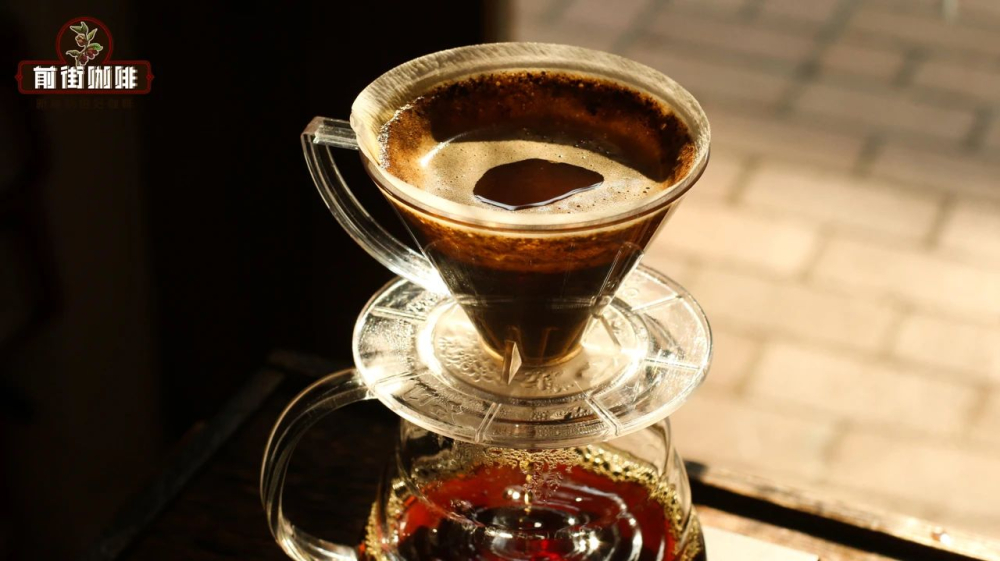
[Flavor Description]
Layered and complex, mellow and clean, highly balanced, with a strong woody fragrance, rich malt and caramel aromas, fruity notes, and a lingering finish.
The above content is compiled by CoffeeHunters, a coffee news website.

