







How Does the Process of Coffee Beans Affect Pour-Over Brewing?
Pour-over is a low-barrier way to brew single-origin coffee at home, since the gear costs less and takes less space than an espresso machine. Six variables shape the cup: water temperature, grind size, coffee-to-water ratio, water quality, bean freshness, and pouring technique. A three-stage pour controls blooming, rhythm, and extraction time.
The needed equipment includes a pour-over kettle, dripper, sharing pot, grinder, filter paper, electronic scale, thermometer, and powder sifting mesh. Because the process of coffee beans, including the roasting process and freshness, sets the flavor ceiling, results stay consistent only when grind, ratio, and pouring are adjusted around the beans at hand.
For making an authentic single-origin coffee at home, pour-over is often the lowest-barrier and quickest option to pick up. The equipment isn't as bulky or expensive as espresso machines, and as long as you grasp a few key parameters, your results will gradually become consistent. Drawing on the hands-on experience of Front Street Coffee, this article systematically lays out the equipment setup needed for pour-over coffee, including the selection approach for the pour-over kettle, dripper, grinder, thermometer, electronic scale, filter paper, powder sifting mesh, and sharing pot; it also breaks down how six major variables—water temperature, grind size, coffee-to-water ratio, water quality, coffee bean freshness, and brewing technique—affect flavor, and uses a three-stage pouring method as an example to explain the specific control methods for blooming, pouring rhythm, and extraction time, helping enthusiasts build a replicable brewing framework.
As the third wave of specialty coffee keeps advancing, more and more people are willing to make coffee themselves. Front Street Coffee believes that if you want to make coffee at home, pour-over is the easiest entry path: the equipment doesn't take up as much space or cost as much as an espresso machine, and the learning curve is relatively gentle—as long as you keep practicing your pouring technique, consistency will gradually improve. Although pour-over has quite a few details to watch out for, and from a professional standpoint the barrier isn't exactly low, Front Street Coffee's experience is that as long as you control a few core requirements well, you can absolutely brew a professional and authentic single-origin coffee. Below, drawing on Front Street Coffee's hands-on experience, we briefly explain the steps of pour-over and the points that need attention.
Equipment needed for pour-over coffee Pour-over kettle, dripper, sharing pot, grinder, filter paper, electronic scale, thermometer, powder sifting mesh.
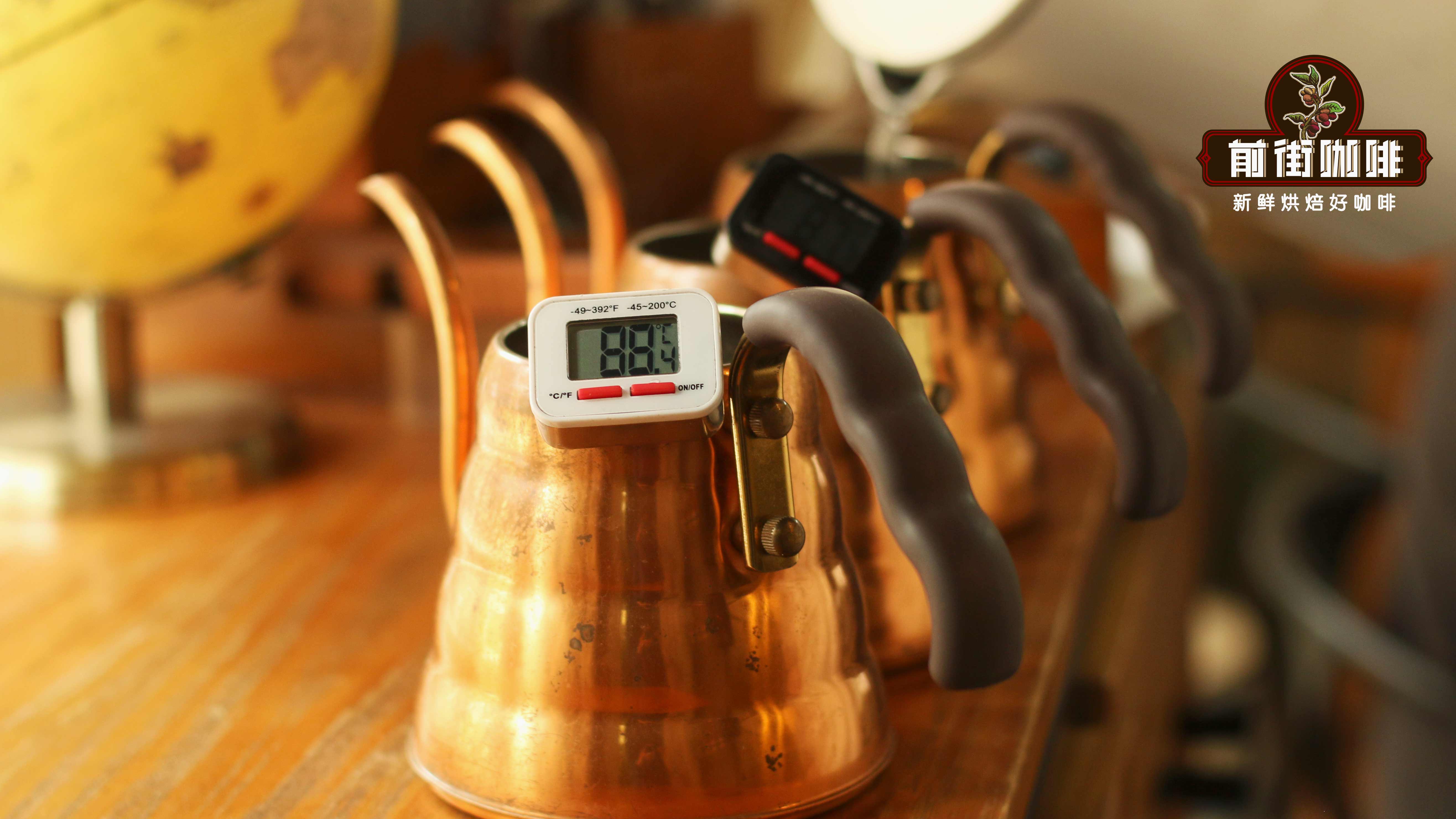
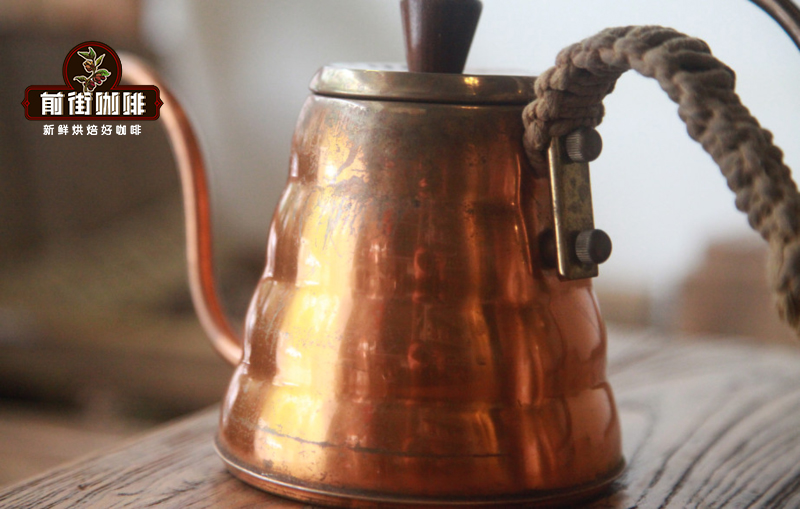
[Pour-over kettle] There are many kinds of pour-over kettles; as long as it looks pleasing to you, that's fine. Front Street Coffee does not recommend the popular Hario VKB—it's not suitable for beginners. Below are a few pour-over kettles that Front Street Coffee considers suitable for getting started.
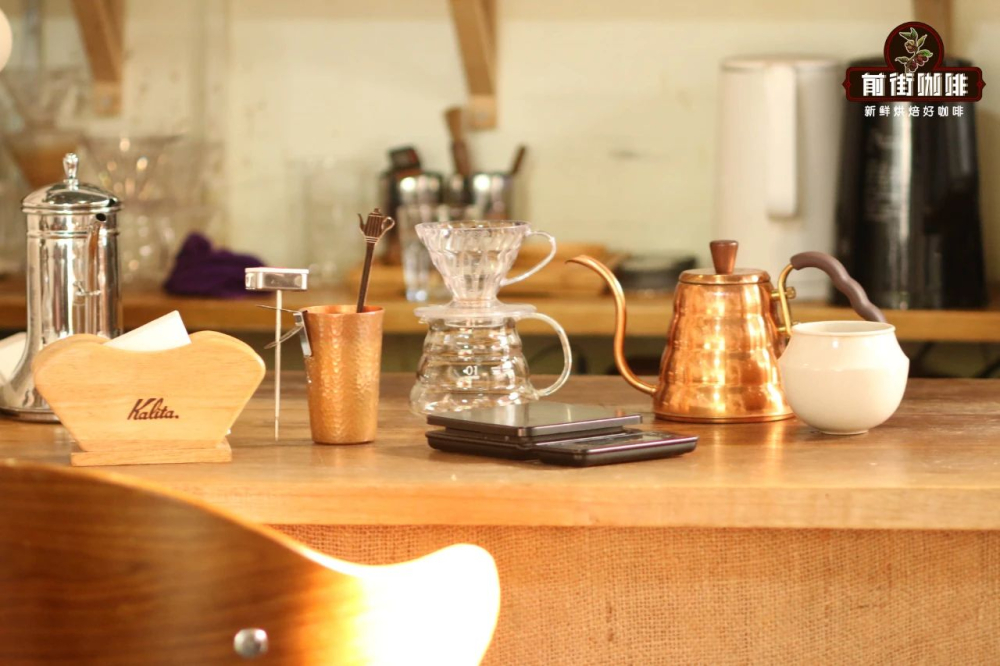
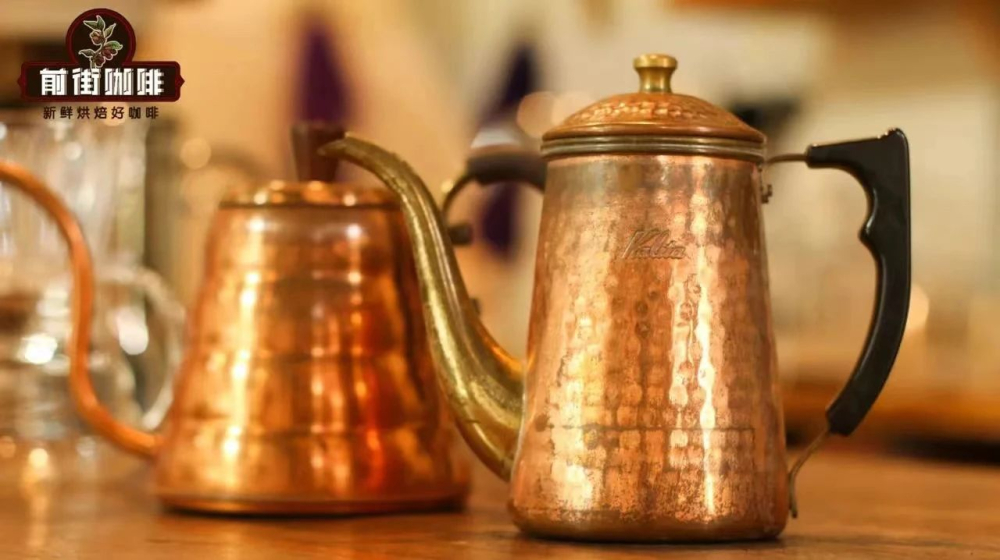
Takahiro Shizuku, colloquially known as the "cheat kettle," thanks to its excellent water flow control and impeccable craftsmanship. If you could only buy a single-function kettle, the Shizuku would not be a second choice. The price of over 500 is a bit steep, but it's well worth it, and the 0.9 L specification can meet most needs. 18-8 stainless steel material. There are mainly two drawbacks: first, the stainless steel top lid can burn players whose other hand habitually holds the lid; second, it cannot be fitted with a flow restrictor. Fine-spout kettle (inner diameter 6mm or more), representative: Bonavita temperature-controlled pour-over kettle—Front Street Coffee has this kettle in its shop. British-imported Strix temperature control system precisely controls water temperature with a tolerance of plus or minus 1 degree Celsius; the professional gooseneck fine pointed spout design more effectively controls water flow speed, rate, and direction; the base has temperature adjustment, heat preservation, and memory functions. High-quality kettle body craftsmanship, plastic lid, can be fitted with a throttle valve, and water flow control is also much better than the VKB. With one kettle in hand, you want nothing else—an excellent choice for small cafés.
Kalita crane-neck kettle. Kalita is a long-established equipment manufacturer, upholding the consistent Japanese trait: meticulous workmanship, artisan-grade build quality. Of course, this crane-neck kettle still has a gap compared to some top-tier products, but for personal use, if you have no experience with other artisanal products, using it is undoubtedly a pleasure. The handle is exquisite and comfortable, both ends keep the kettle body very stable, and the crane neck is also an advanced style with more variation and more fun. A perfect combination of wood and stainless steel. Pairs very well with its own stainless steel dripper. As for appearance, it depends on personal taste—Front Street Coffee also has this kettle in its shop, for no other reason than buying it for its looks. Beginners to pour-over can use a fine-spout kettle with an inner diameter of 5mm or less, such as the Kalita copper kettle 900.
HARIO hand grenade, with a pure stainless steel body that has undergone secondary matte polishing treatment, which can avoid small scratches from minor bumps or cleaning. The body and lid are stainless steel, while the lid and accessories are made of phenol formaldehyde resin. Why is Japan's Hario pour-over kettle so popular worldwide? Besides its superb craftsmanship and design, it's also an all-purpose kettle with controllable water flow. Compared to the "god kettle" with a 5mm opening that's only good for small-flow brewing, this Hario kettle can also satisfy the immersion brewing method popular in Europe and America, and through control can also achieve the small water flow of the drip method.
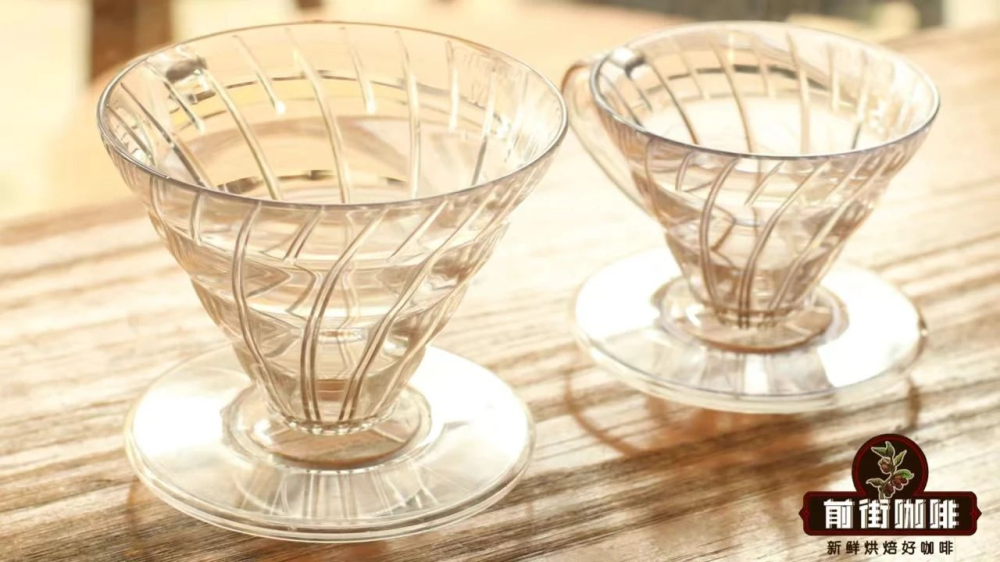
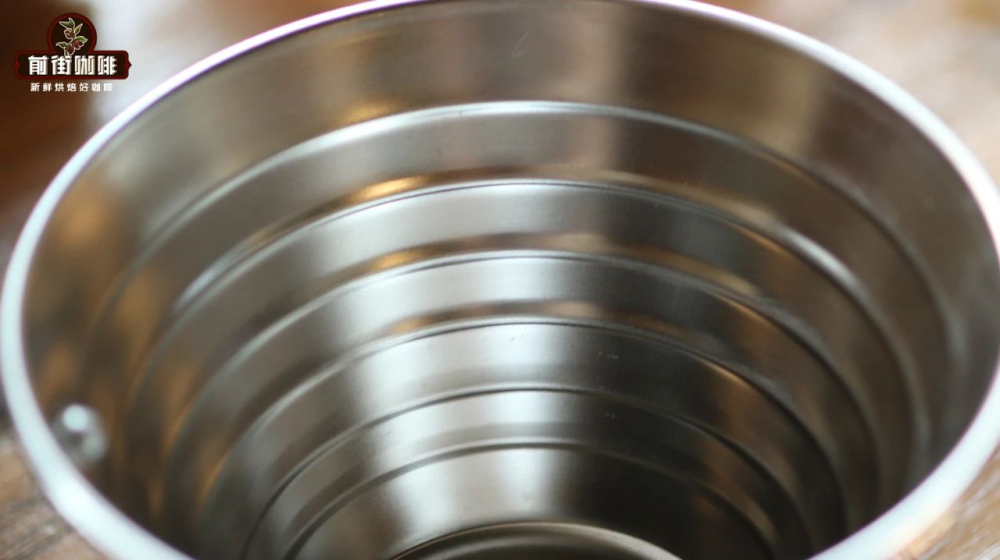
[Dripper] The Hario V60 has the greatest universal popularity, and comes in four materials: resin, glass, ceramic, and metal. The V60 caters to the variable of the crowd in coffee making, mainly through design in three points: 1. A 60-degree cone shape: this extends the time for water to pass through the coffee grounds toward the center. 2. A large filter hole: this allows us to control the flavor of the coffee by changing the flow rate of the water. 3. Spiral ribs: this lets air escape upward, maximizing the expansion of the coffee grounds.
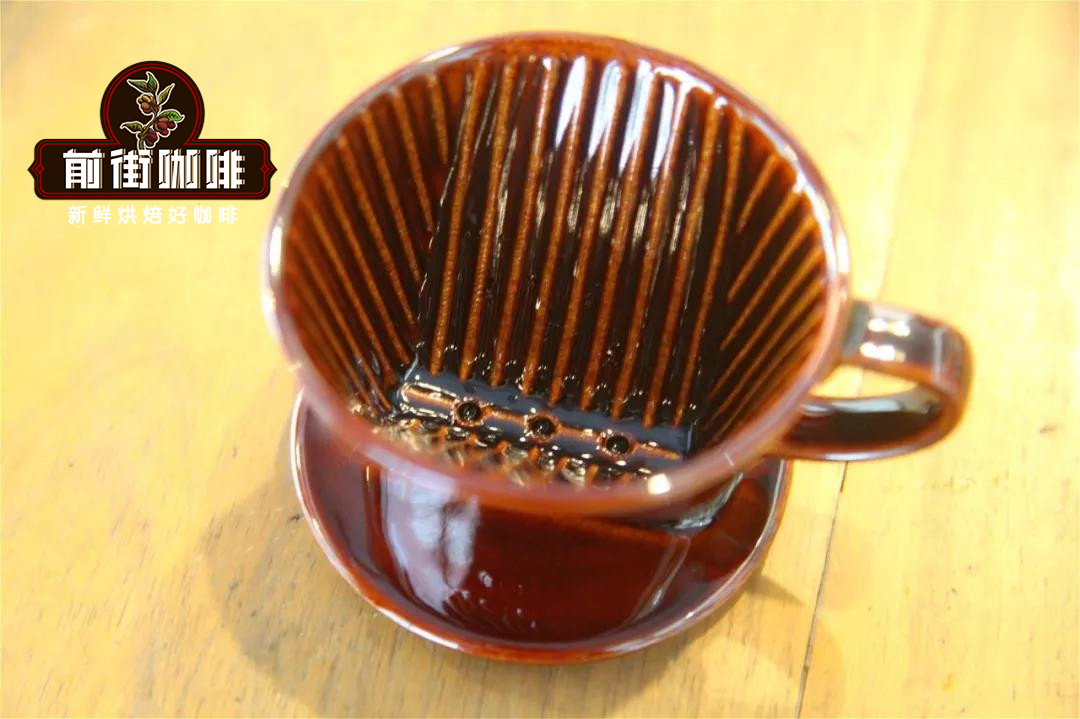
Kalita dripper, made entirely of ceramic. Ceramic coffee drippers have stronger heat retention, with glaze and even, correct color. The cup shape is a rather retro three-hole trapezoid, with a single-sided cup ring, and the internal filter ribs are distinct. The coffee brewed from each dripper is mellow and rich, suitable for coffee beans with low acidity and high body.
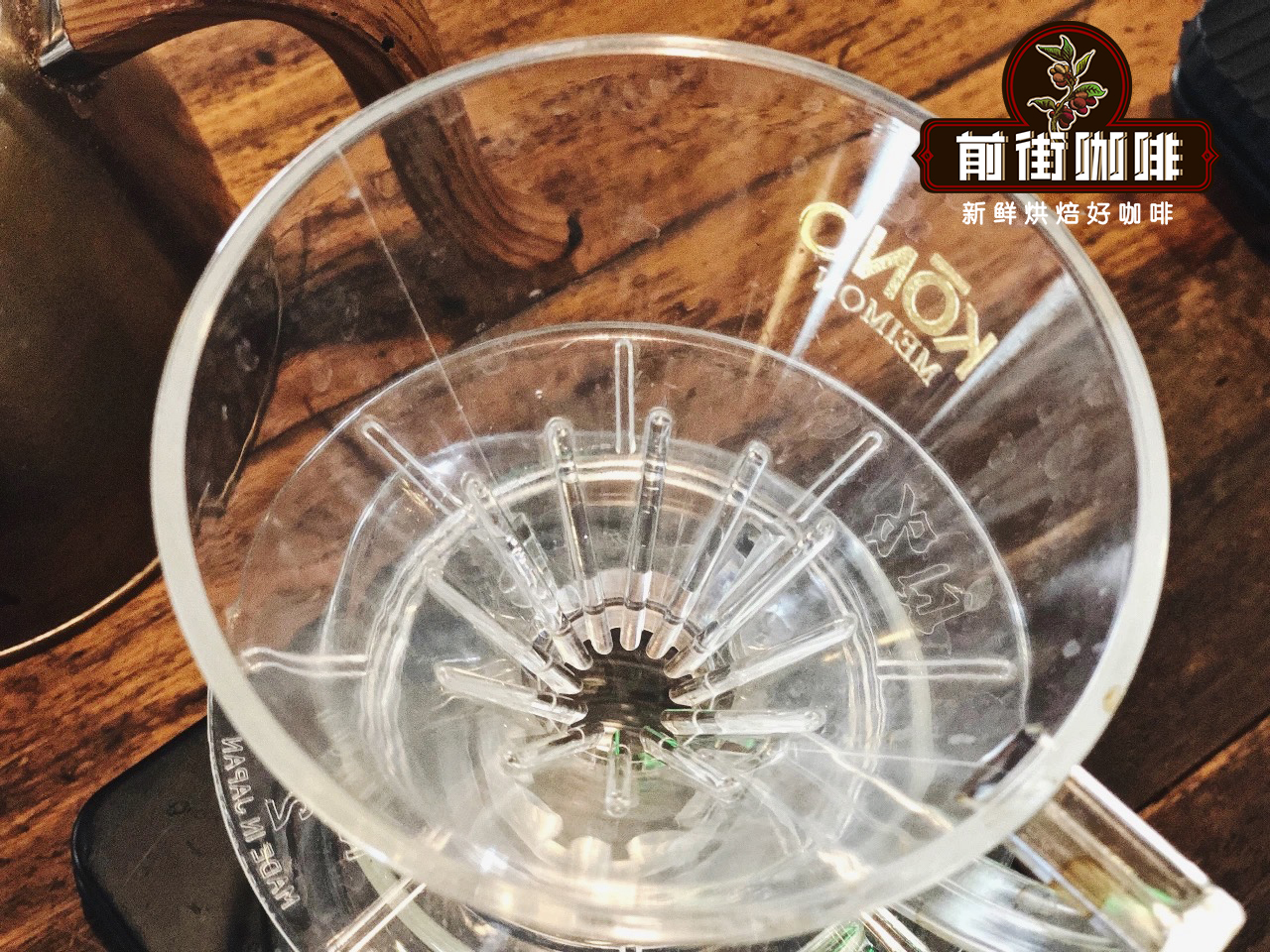
The ribs of the KONO dripper do not extend all the way from the bottom to the very top, but stop at a position less than half the dripper's height. This height is designed to ensure that during the dripping process, the filter paper can cling tightly to the dripper wall after absorbing water. Once the exhaust space is restricted, air flow follows, which increases the water absorption time of the coffee grounds.
The cake dripper has a flat bottom. The flat-bottom design makes the water flow even and also helps raise the extraction rate. In addition, there are only three small holes at the bottom, so the flow rate is relatively slow, which allows the coffee grounds to be fully soaked and the extracted coffee to be more balanced. Combined with the use of folded filter paper that doesn't directly cling to the dripper, it creates the largest dewatering area. On one hand, this facilitates concentrated dewatering, so it can drip evenly under the dripper, while also allowing temperature-controlled dewatering.
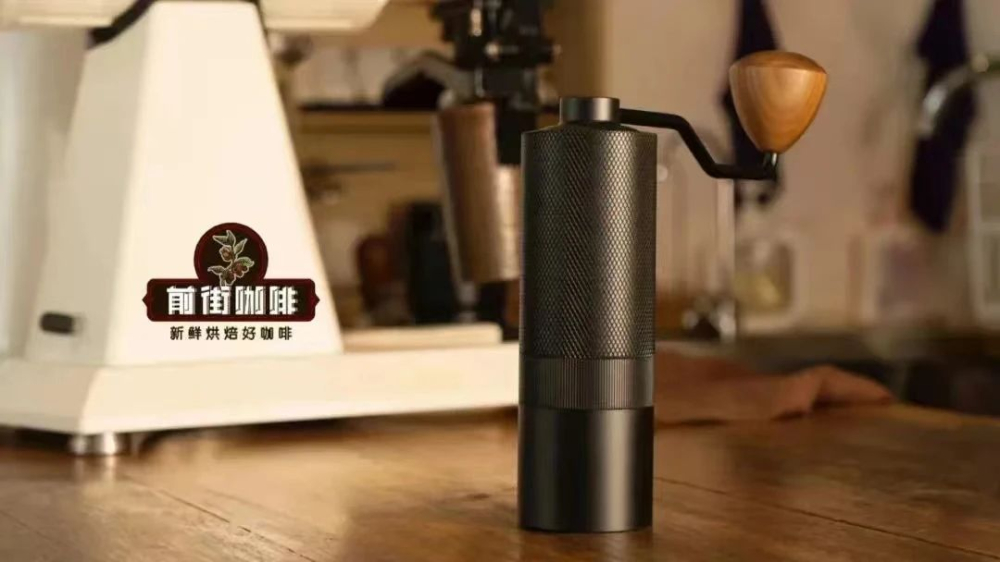
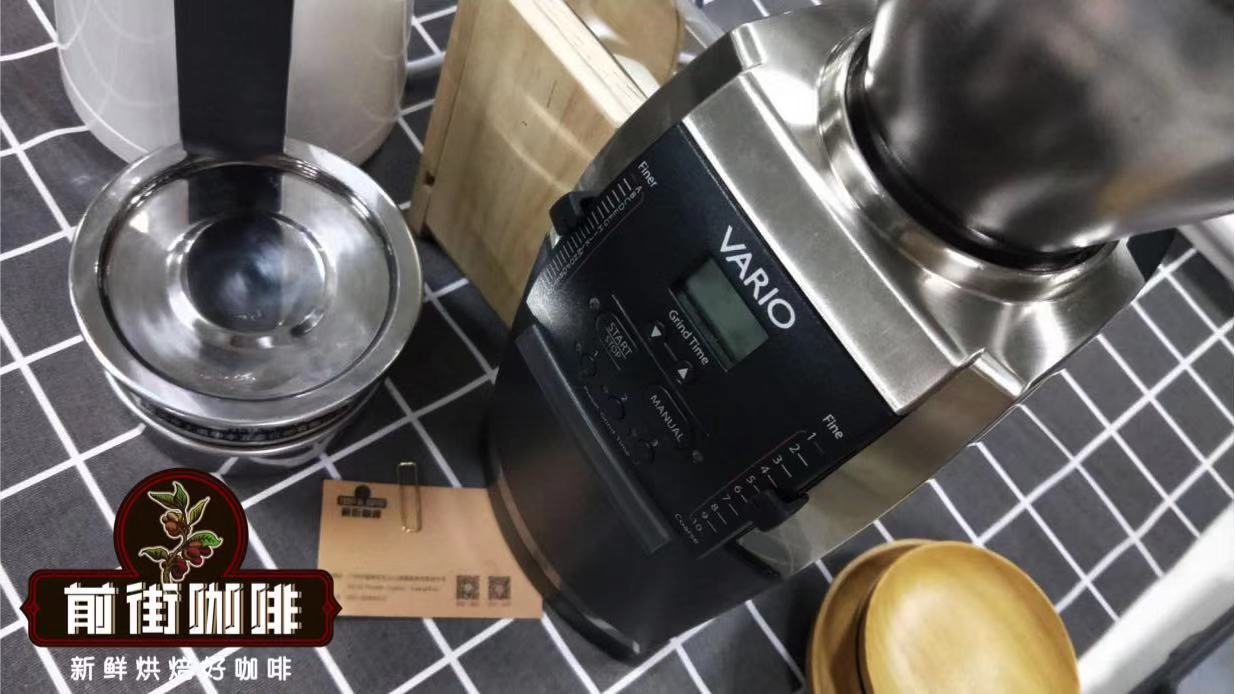
[Grinder] Good pour-over coffee requires a grinder, and there are different types of grinders. 1. Ghost tooth grinder 2. Flat burr grinder 3. Conical burr grinder
Ghost tooth grinder: it grinds beans into granular particles by grinding, and the resulting coffee powder is relatively close to round, giving single-origin coffee a good balance and body; flat burr grinder: the grind is mainly flaky, which can raise the concentration and extraction rate of the coffee liquid in a short time, and the coffee's aroma can also be extracted in a short time, but it requires a longer extraction time, and the coffee easily develops off-flavors and astringency; suitable for short-time extraction. Conical burr grinder: it grinds coffee into particles by grinding, and the resulting particles are more block-like, giving the coffee a rounder, more complex flavor . Encore grinder, Welhome grinder. Front Street Coffee uses the Baratza Encore grinder.
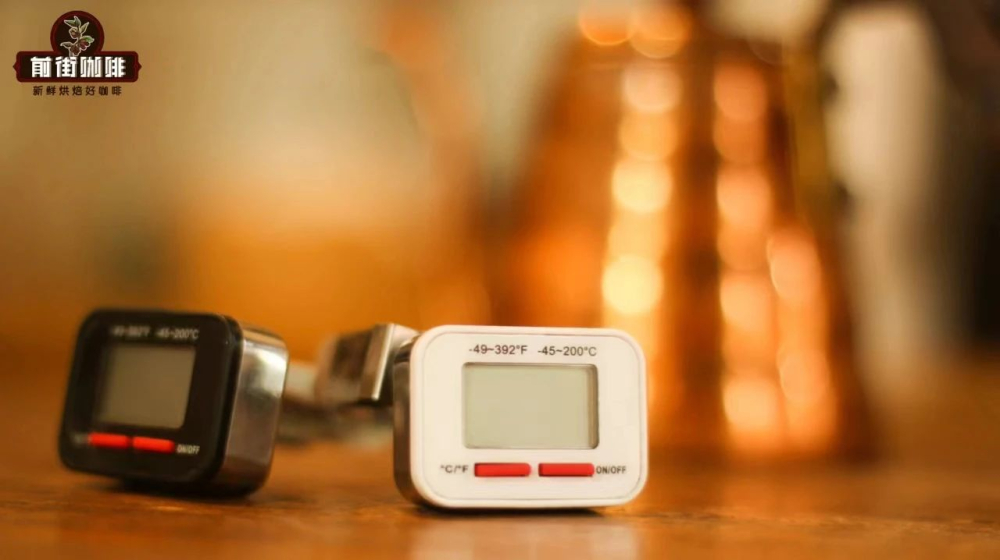
[Thermometer] A thermometer is used to measure the water temperature of the coffee. Thermometers include the Tiamo thermometer, Hero thermometer, and Cafede Kona thermometer.
[Electronic scale] An electronic scale allows us to better control the coffee-to-water ratio when brewing coffee, reducing instability and lowering the error rate. Electronic scales can cost as much as several dozen yuan or as little as several dozen yuan; there are Acaia electronic scales, Hero smart scales, and Timemore electronic scales.
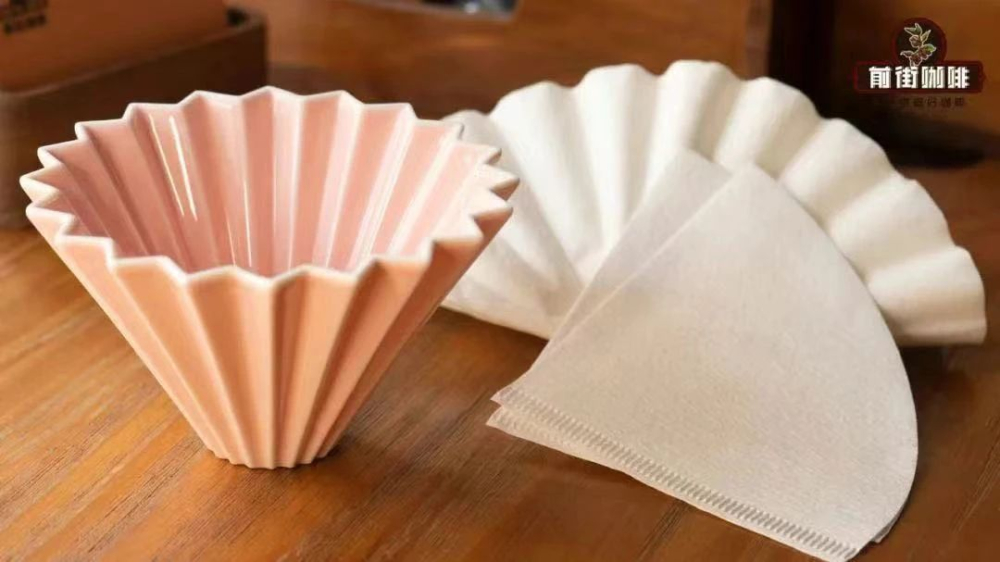
[Filter paper] There are two kinds: bleached and unbleached. Bleached filter paper looks whiter, while unbleached filter paper looks closer to light brown. The function of filter paper is to use extremely dense fibers to retain the ground coffee and filter the extracted coffee into the cup. When buying filter paper, you should choose the corresponding filter paper according to your own dripper. There are Japanese Sanyo V60 filter papers, Hario filter papers, Kalita filter papers, and Kono filter papers.
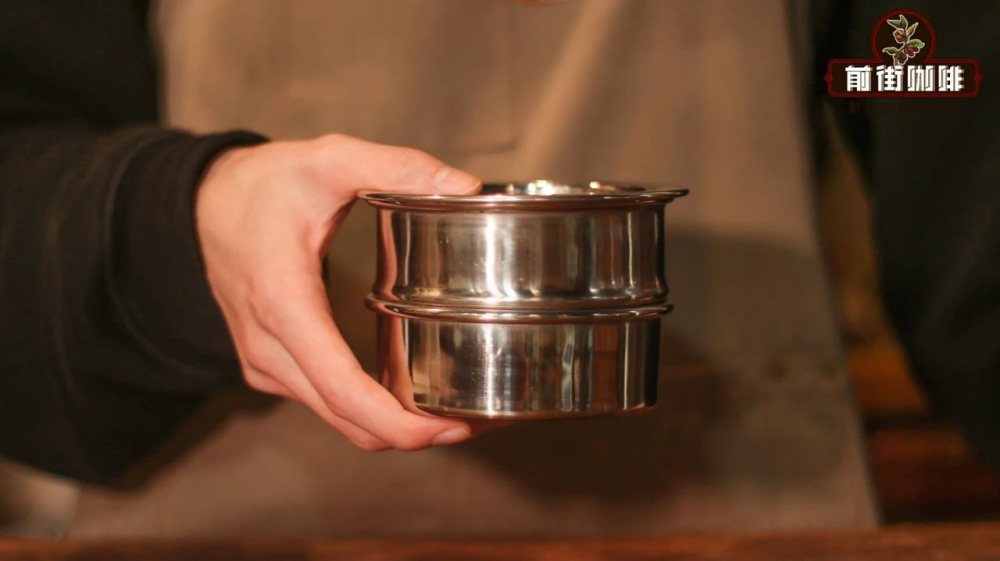
[Powder sifting mesh] It is mainly used to judge the grind size. Each coffee bean has a different suitable grind size for pour-over. Through continuous testing, Front Street Coffee determined that a grind size with 80% passing through a Chinese standard No. 20 sifting mesh is suitable for pour-over.
[Sharing pot] Actually, a sharing pot is optional. If one person is drinking, you can skip the sharing pot and just drip directly into a mug. To extract multiple cups of coffee, you need a sharing pot. With the sharing pot's own functions and transparent material, it's also easier to understand and control the extraction process; the sharing pot is actually not just for dividing cups. Front Street Coffee recommends the HARIO V60 cloud pot for sharing and the Kalita sharing pot.
Pour-over coffee steps To brew a good pot of coffee, start from these six aspects: water temperature, grind size, coffee-to-water ratio, quality, coffee beans, and brewing technique.
[Water temperature] When the water temperature rises, the extraction power is stronger, the coffee is more bitter, and the mouthfeel is intense; when the water temperature is low, the extraction power is weaker, the coffee easily becomes sour, and the surface is mild and light. The pour-over temperature should be adjusted according to the coffee's roast level. Light to medium roast beans are suggested at 90-91°C, and medium-dark roast beans are suggested at 85-87°C. Front Street Coffee basically adjusts within this range. A customer once questioned this brewing temperature, so Front Street Coffee took Golden Mandheling coffee beans (dark roast) and brewed them at 90°C, and the result was a mouthfeel almost comparable to espresso in its "quite beautiful" intensity.
[Grind size] It refers to the size of the coffee particles. Grind size affects the contact time between coffee and water. If the coffee powder is finer, water can extract more substances in the same time, but with a fine grind, the coffee is prone to over-extraction during brewing; conversely, the coarser the coffee grind, the sparser the substances extracted by water in the same state, but with a coarser grind, the coffee is prone to under-extraction. Front Street Coffee suggests a pour-over grind size with 80% passing through a Chinese standard No. 20 mesh sieve. This is the result after many tests. Note that different coffee beans have different grind sizes, so when the pour-over flavor is especially strong, you can check whether there is a problem with the grind size. Finely ground coffee will have higher concentration, higher extraction rate, and higher body and concentration (prone to over-extraction).
Front Street Coffee explanation of fine coffee powder grind size
Coarsely ground coffee has low concentration, low extraction rate, and low body and concentration (prone to under-extraction).
Front Street Coffee example of coarse coffee powder grind size
Front Street Coffee suggests that the grind size for pour-over coffee is medium-fine grind (about the size of granulated sugar).
Front Street Coffee explanation of medium-fine coffee powder grind size
[Coffee-to-water ratio] The coffee-to-water ratio refers to the ratio of coffee powder to brewing water, affecting how strong or weak the coffee is. It can be 1:10, 1:13, 1:15, or 1:16. Front Street Coffee suggests using a 1:15 coffee-to-water ratio, which is relatively suitable for medium strength in terms of concentration. Of course, everyone pursues a different mouthfeel in coffee, so when drinking coffee, everyone can adjust their own coffee-to-water ratio according to the strength they want. [Water quality] A good cup of coffee naturally requires good water quality. In daily life, don't use tap water directly to brew coffee; it's suggested to use filtered water or thoroughly purified water to brew coffee. Of course, mineral water also works. However, brewing with each type of water using the same brewing parameters will produce a different taste. Front Street Coffee also conducted an experiment for this. (This experiment was not aimed at proving which water quality is better for brewing coffee, but at showing how different water qualities differ in extracting the essence, for everyone's reference.)
Quality results test
Front Street Coffee used [Front Street Coffee Sidamo Huakui coffee beans] to demonstrate the results of this experiment:
Experimental results
Water quality directly affects all coffee's taste, mouthfeel, consistency, and other fruit-health elements. The key influencing factor lies in the water's mineral composition. Calcium, magnesium, sodium, potassium, and other supplementary ions in water affect coffee's thermodynamic extraction ability, thereby changing the coffee's flavor.
[Fresh coffee beans] Front Street Coffee believes that both single-origin beans and espresso beans can be used for pour-over coffee, but to truly enjoy the pleasure of pour-over coffee, it's better to use single-origin beans with detailed bean information (origin, variety, processing method), so you can taste the flavor characteristics of a single origin. Front Street Coffee therefore launched its daily bean series, with the aim of letting everyone buy beans at a relatively cheap price that can express the flavor of their origin, such as the citric acidity of Yirgacheffe, the herbal notes of Mandheling, and the chocolate flavors of Brazil and Colombia—these are the basic flavors of the origins, all available in the daily bean trade. Also, when buying freshly roasted coffee beans, the flavor of roasted coffee beans will gradually fade, so after getting freshly roasted beans, they need a resting period of 4-7 days, at which point the coffee flavor will be in its best state. Therefore, everyone's Front Street Coffee beans are generally beans within one week or three to four days, so that when you receive them you can immediately enjoy the coffee. After one month, the beans' flavor becomes much flatter, so it's suggested not to keep a bag of beans too long—drinking it within one month is best.
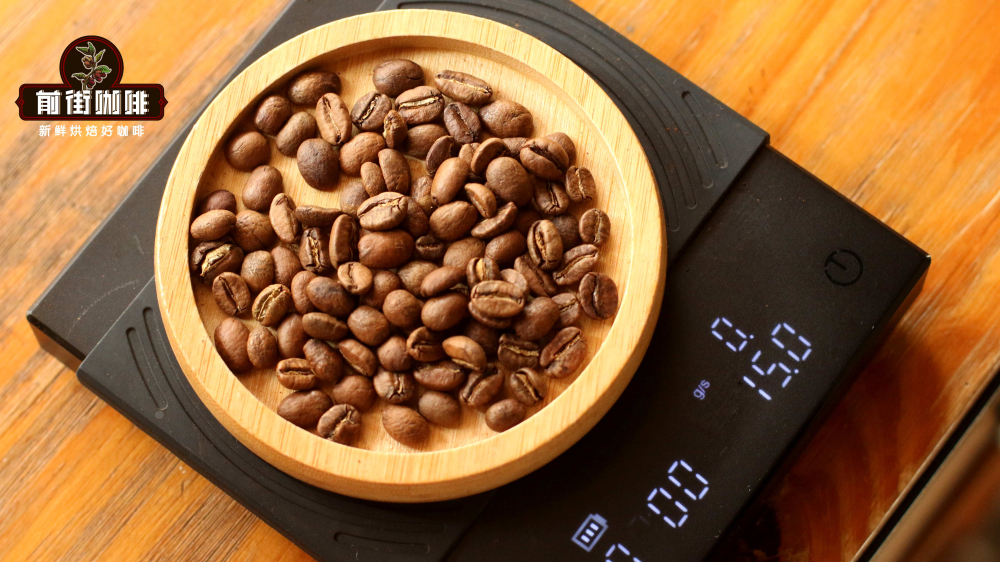
Front Street Coffee coffee beans from major origins
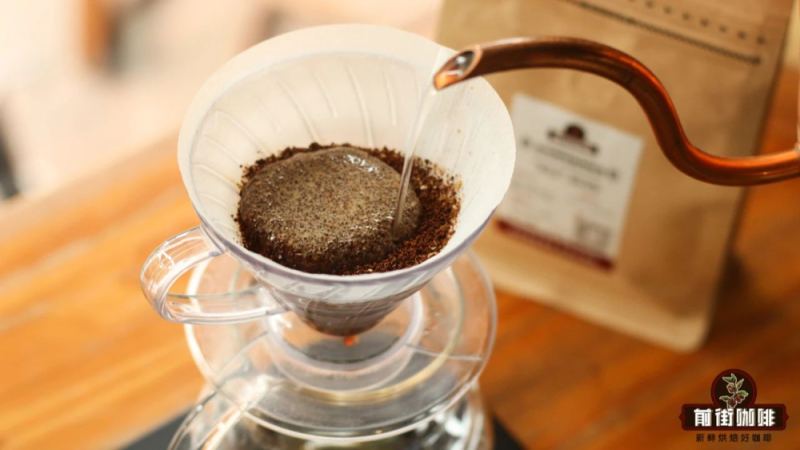
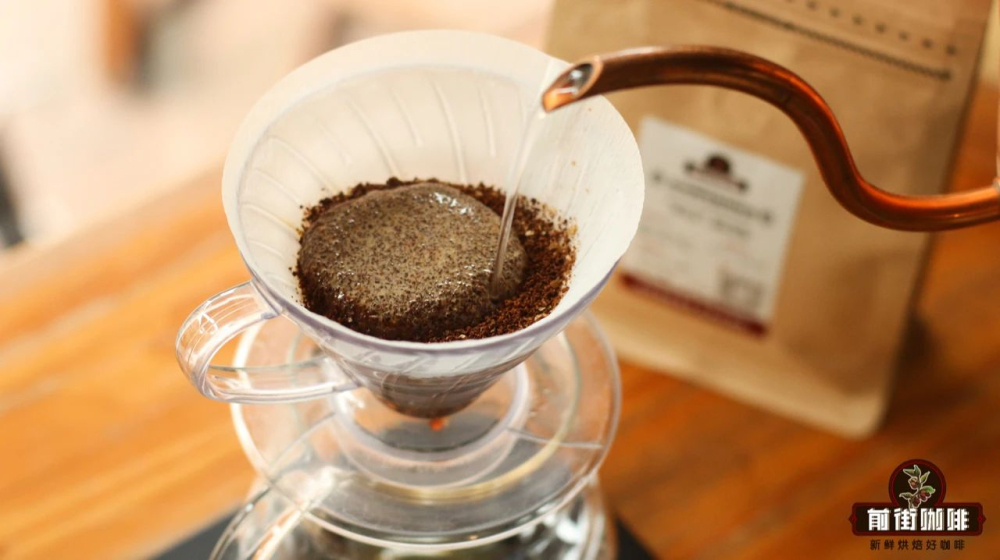
[Brewing technique] There are different brewing techniques: three-stage, one-cut, drip method, etc. Front Street Coffee suggests beginners use the three-stage pouring method to brew. This technique is suitable for light roast, medium-light, and medium roast coffee beans. The segmented extraction method of three-stage pouring can clearly define the coffee's front, middle, and back flavors, and can relatively ensure the coffee's flavor performance. First pour: bloom (helps degassing) During the roasting process of coffee beans changing from green beans to roasted beans, a series of chemical reactions and physical changes occur. After reaching a certain degree of roasting, a large amount of gas accumulates inside the coffee beans (much of it quite high).
Overall, the fresher the coffee and the closer to roasting, the more bubbles usually appear during blooming. Dark roast beans also release gas during blooming more than light roast beans. Front Street Coffee's coffee beans are all freshly roasted, so guests are generally advised to rest the beans for three days first, letting the coffee beans release some gas first, which in brewing can avoid problems of extraction and under-extraction. After the bloom and degassing, the coffee particles can absorb water evenly, allowing deep extraction to be uniform. A good bloom can let the coffee powder quickly and fully avoid degassing while also allowing the coffee powder to fully and quickly contact water, helping the coffee powder be evenly absorbed.
During blooming, pay attention to the following four points: 1. Before pouring water for the bloom, first level the coffee powder.
2. When pouring water for the bloom, do it gently. 3. During the bloom, note that the extracted liquid dripping down should be minimal; if too much extraction liquid appears in the pot at this time, reduce the amount of water poured, or check the grind size. (If the bloom water amount is too much and a large sheet of coffee liquid drips down, the fallen water does not stay but directly carries out substances from the outer layer of the coffee powder, and the off-flavors and astringency of the coffee powder's outer layer also begin to dissolve out; the coffee brewed this way is both weak and yet overly supplemented with miscellaneous flavors. If the bloom water amount is insufficient and no water droplets fall at all, then the coffee powder has not absorbed enough water, and some coffee powder is insufficient, causing insufficient nutrition.) Based on this situation, after many bloom tests, Front Street Coffee found that pouring water equal to twice the amount of coffee powder during blooming is relatively suitable.
4. The bloom time is about 30 seconds to 40 seconds. When the surface expansion of the coffee powder ends and you see shrinkage appear on the coffee surface, this indicates the bloom is complete and you can begin pouring water. (If the bloom time is too long, the coffee easily develops bitterness and astringency; if the time is too short, the soaking is insufficient, and the coffee may be under-extracted or unable to fully develop.) Generally speaking, the end time of the bloom differs for each bean. Front Street Coffee found that this is not conducive to beginners' operation—after all, beginners value standardization and ease of use—so while ensuring the coffee beans are still in a freshly roasted state, Front Street Coffee suggests a bloom time of 30 seconds; of course, experienced people can adjust the time themselves. Second pour The second pour starts from the center, injecting a small stream into the bottom of the powder bed so that the force of the water stream can be concentrated. The circular movement range should be small, about the size of a one-yuan coin, and then spiral outward. From the start of the second pour, pay attention to the water amount, trying not to exceed the height of the powder bed. At this point, when the water stream circles close to the filter paper, you can stop pouring.
Regarding pouring, Front Street Coffee tells guests that pouring should be gentle, that the water should not break during the circling pour, that the flow should be well controlled and stable, not large then small. Why is that? First, there are two reasons: the size of the water flow affects the turning of the powder, and the extraction time is controlled through the water flow.
1. The size of the water flow affects the turning of the powder bed. When you increase the water flow during pouring, the coffee powder is stirred more, so its extraction time will be shortened; conversely, when the water flow is small, the coffee powder is stirred less, so the extraction time is extended. When using a large water flow to brew the powder, the bed is stirred severely, the water level in the dripper rises rapidly, and the water is about to penetrate the filter paper, so drainage speeds up, easily making the extraction time too short, leading to insufficient nutrition and the coffee flavor not being expressed.
Using a small water flow is actually quite abnormal: although the water level is not high, an overly gentle small water flow makes the force of the stream unable to penetrate the powder bed and can only stir the surface of the coffee powder, and the extraction time is noticeably lengthened, so the coffee easily develops bitterness and miscellaneous mouthfeel, greatly affecting the coffee's taste. 2. Control extraction time through water flow Longer extraction time = stronger flavor, higher concentration, more obvious sweet-sour-bitterness Shorter extraction time = softer flavor, lower concentration, less obvious sweet-sour-bitterness
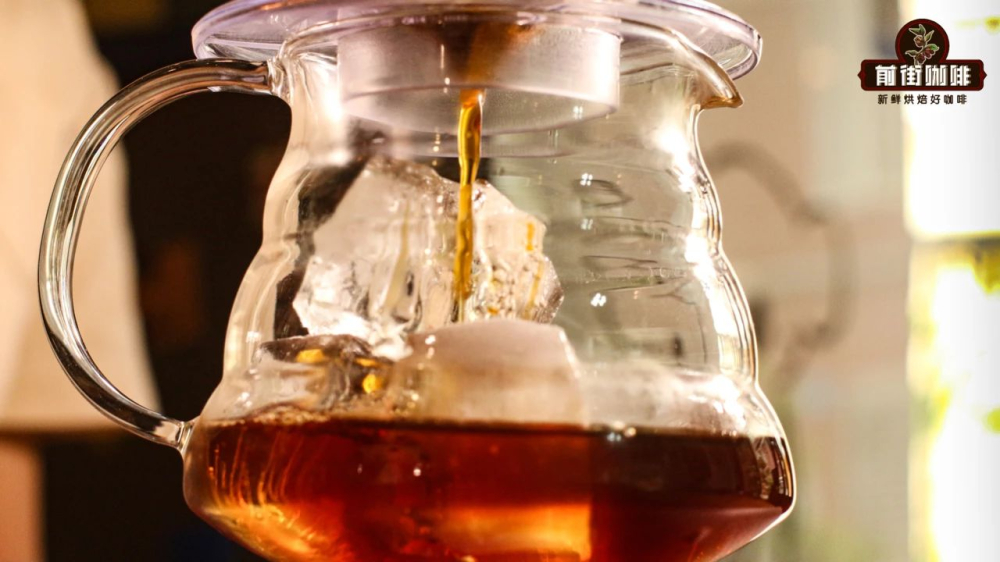
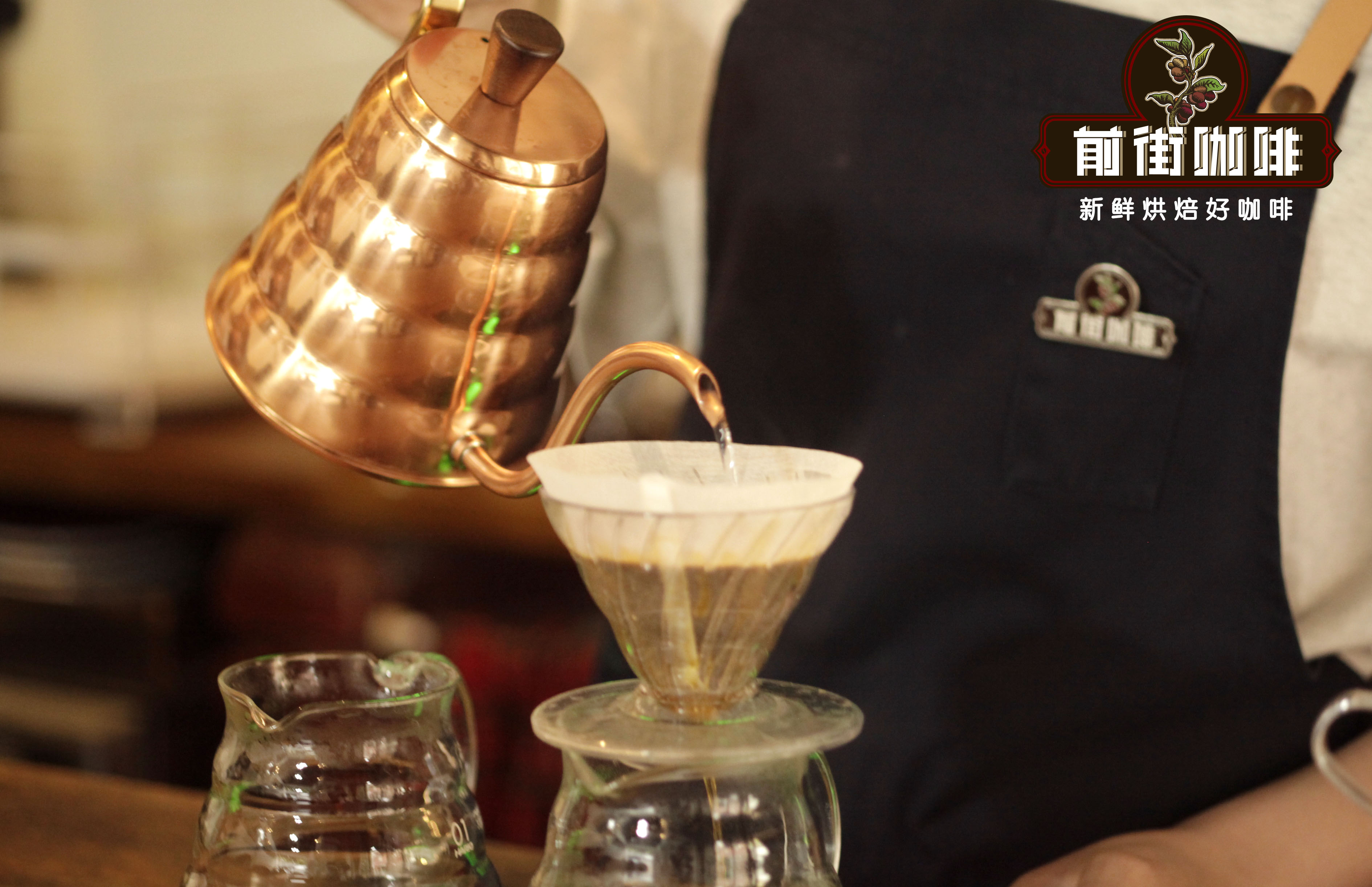
Third pour Later, you will know that the thicker powder layer at the edge of the filter paper will become heavier after absorbing water and will slide down and become thinner as the water level drops. When the water level drops to half, you can proceed with the third pour. From the start of the third pour, observe the extent of the water level drop. Likewise, start pouring from the center in a circle, and the water amount should not exceed the height of the powder bed. Then observe that the foam area has already covered the surface. The third pour should increase the tumbling of the coffee particles so that all the later particles flip and roll, first dissolving soluble substances. The rolling particles will begin to stop because you stop adding water. At this point, you must rely on the flow speed caused by the dropping water level to create friction among the coffee particles. So once water addition stops, the coffee powder particles sink downward, causing sedimentation, so pay special attention to the rhythm of water addition. If you stop pouring too many times, it is equivalent to letting the coffee powder particles stay soaked in water, which will cause the tail-end coffee to develop astringency and miscellaneous flavors.
Taking [Front Street Coffee Ethiopia Yirgacheffe coffee] as an example
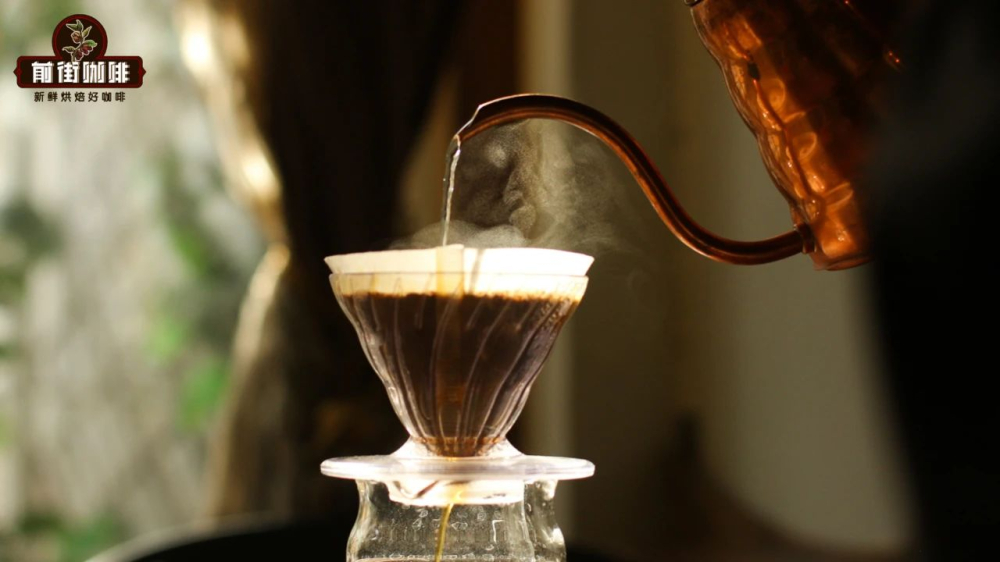
Brewing parameters: Front Street Coffee suggests using a Hario V60 dripper, 90°C water temperature, 15 grams of powder, 1:15 coffee-to-water ratio, grind size BG#5F (80% passing through a Chinese standard No. 20 sieve) Brewing method: Front Street Coffee uses segmented extraction, using 30 grams of water for a 30-second bloom, then pouring in a small stream in circles until 125 grams, pausing, and when the water level drops to the powder bed, continuing to pour until 225 grams and stopping, then when the water level drops and is about to reach the powder bed, removing the dripper. (Start timing from the beginning of the bloom.) The extraction time is 2 minutes.
Flavor description: obvious floral aroma, bright lemon-citrus acidity, with some black tea tea-like feel in the finish.
The above content is compiled by CoffeeHunters, a coffee news website.


