







What Latte Milk Coffee Ratio Works With a 1:1.5 Espresso?
With the same beans, grind, and 20-gram dose, changing only the espresso brew ratio shifts the final drink. A test using a Colombia and Brazil blend compared 1:1, 1:1.5, and 1:2. The 1:1 shot was smooth with higher acidity and creamy, nutty notes; the 1:2 shot tended toward over-extracted woody and smoky flavors.
The 1:1.5 ratio delivered the clearest layering. In a 300 ml latte cup, the smaller-ratio espresso read sweeter once milk was added, with nut, chocolate, and cream notes, while the larger ratio lost structure. For a balanced americano coffee result, the middle ratio kept caramel aroma and soft red berry flavors without the woodiness.
The same coffee beans, the same grind size and dose, with only the espresso brew ratio adjusted, can lead latte, americano, and espresso in completely different flavor directions. Using Front Street Coffee's specialty blend of Colombia and Brazil as an example, 20 grams of coffee were extracted at three ratios—1:1, 1:1.5, and 1:2—to taste the differences in espresso, latte, and americano one by one. The tests found: a smaller-ratio espresso has a more pronounced acidity but becomes noticeably sweeter as a milk coffee; a larger-ratio espresso easily develops over-extracted woody and smoky notes; 1:1.5 performs best in layering and balance. The article also shares ideas for selecting espresso beans and the characteristics of Front Street's classic espresso blend.
A coffee enthusiast once asked Front Street Coffee: if using the same beans, maintaining the same grind size and dose, do the brew ratios need different adjustments when making milk coffee, americano, and espresso? To answer this question, Front Street Coffee's baristas conducted a dedicated comparison test, using espressos with different brew ratios to make milk coffee and americano respectively, observing their flavor performance. Below we share the latte recipe ratio, as well as the comparison results for americano and espresso.
Latte recipe ratio:
The container used in this test was a cup typically used for serving lattes, with a capacity of 300 ml;
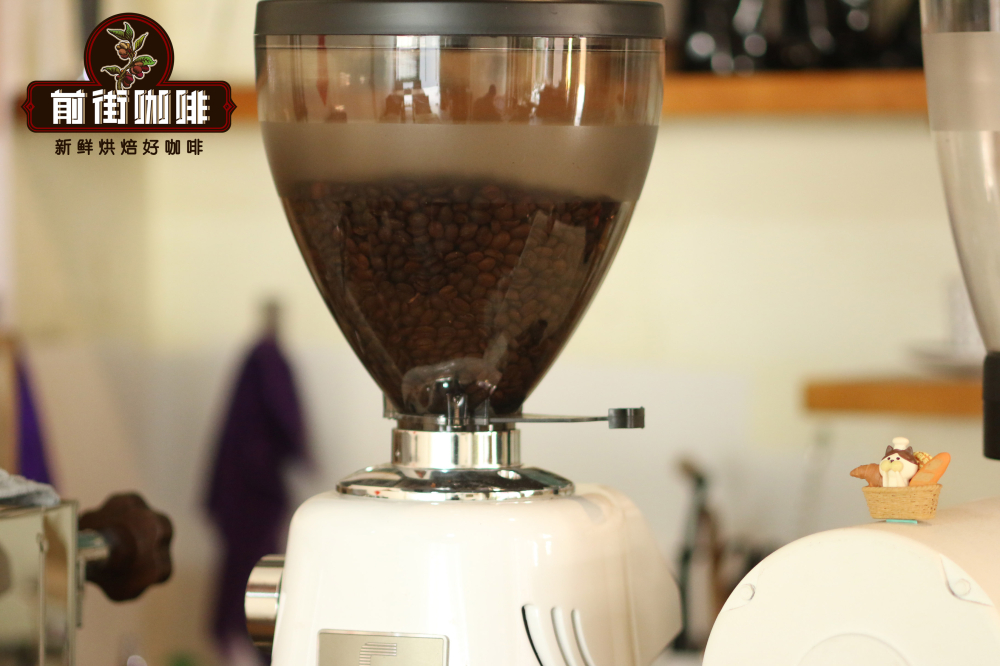
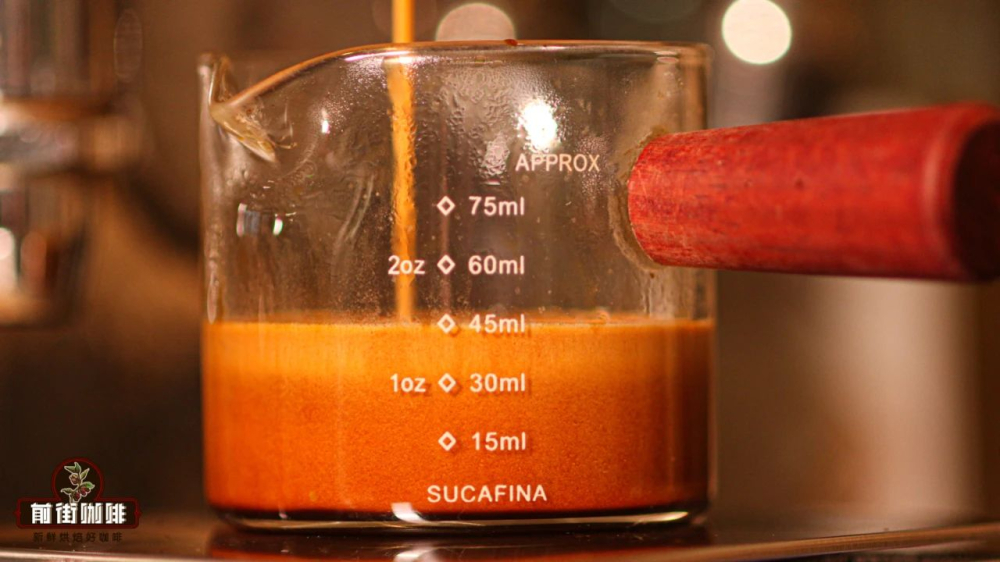
The coffee beans selected were Front Street Coffee's specialty blend made from Colombia and Brazil; the grind size was set to 1.9 on the Pegasus 900N; a single-spout portafilter was used for extraction, with the dose fixed at 20 grams, and three brew ratios were tested: 1:1, 1:1.5, and 1:2.
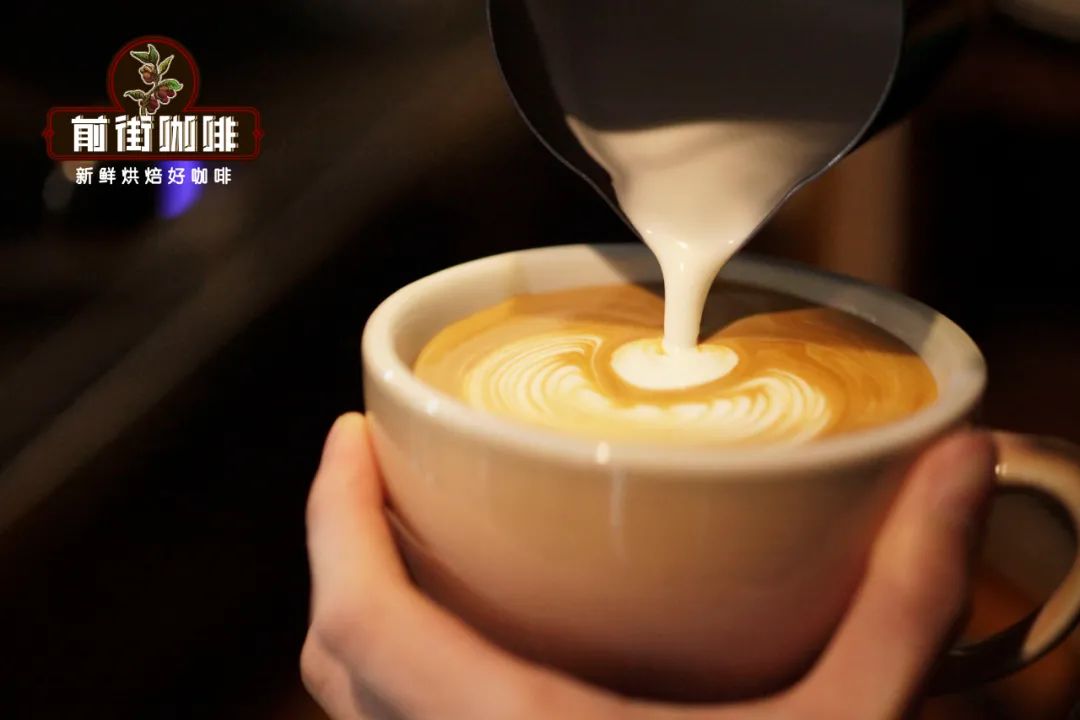
Next, let's look at how the espressos extracted at these three brew ratios taste, and how they perform when made into milk coffee and americano respectively.
Brew ratio 1:1 —20 grams of coffee extracted 20 grams of coffee liquid, extraction time: 19 seconds
[Espresso] Smooth on entry, slightly high acidity, with creamy and nutty flavors, and a lasting sucrose sweetness in the aftertaste.
[Latte] The aroma is distinctly nutty; on entry it presents nut, chocolate, and cream flavors, with a faint butter cookie note and a prominent milk sweetness.
[Americano] The aroma has caramel notes; on entry it is soft and smooth, accompanied by red berry flavors.
Brew ratio 1:1.5
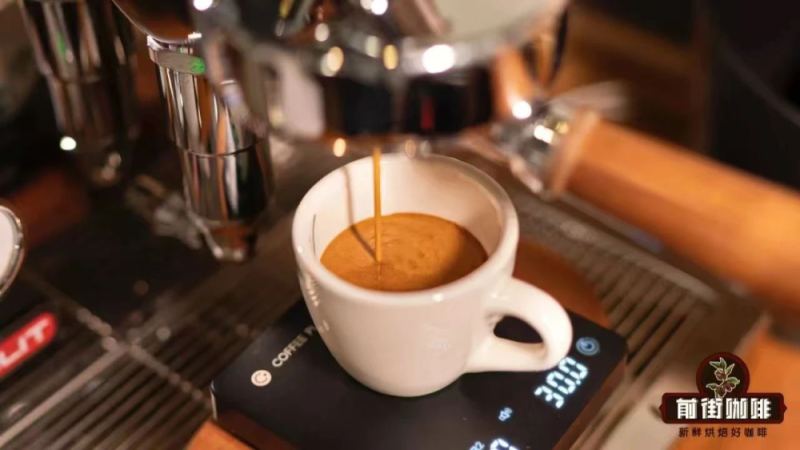
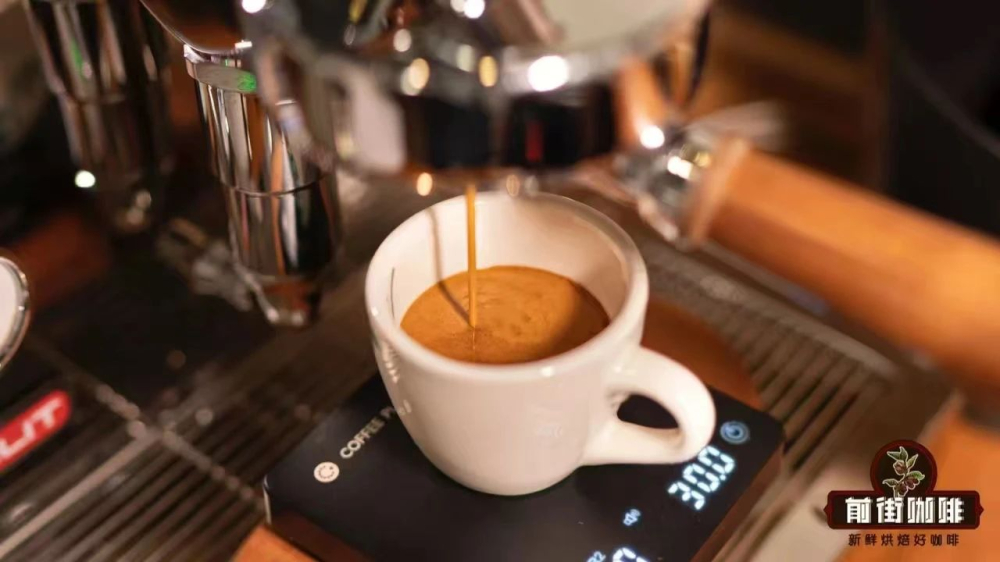
20 grams of coffee extracted 30 grams of coffee liquid, extraction time: 27 seconds
[Espresso] On entry there is a berry-like acidity, with chocolate and hazelnut flavors in the mid-palate, and a lasting aftertaste.
[Latte] The aroma has caramel notes; on entry there are cream, milk chocolate, and slight nutty flavors, with the milk and coffee fairly balanced.
[Americano] On entry there is a slight berry-like acidity, with a clear sucrose sweetness in the finish.
Brew ratio 1:2 —20 grams of coffee extracted 40 grams of coffee liquid, extraction time: 34 seconds
[Espresso] On entry there is a creamy sweetness, with a clean sweet aftertaste, some rock sugar-like sweetness, and a noticeable smoky note in the finish.
[Latte] Although light on entry, it has a toffee-like sweetness, with cinnamon and woody notes in the finish.
[Americano] The aroma has a slight woody note; on entry it presents cocoa and woody flavors.
[Summary]
Through the above practice, Front Street Coffee found that an espresso with a smaller brew ratio tastes more sour, but after adding milk it actually becomes very sweet, and as an americano it also gives a soft impression. Front Street believes this is mainly because when the espresso's extraction ratio is reduced and the extraction time is shortened, basically only the early-stage substances are extracted, making over-extraction unlikely. At the same time, because the amount of espresso liquid is reduced, under the premise of a consistent serving volume, the amount of milk used increases accordingly, so the sweetness becomes more pronounced.
The espresso with the larger brew ratio was lighter on entry, though the sweetness was quite noticeable, but woody and smoky notes soon appeared; the same was true when made into a latte—although light and sweet on entry, similar to the espresso, the woody flavor quickly emerged; as an americano, the very first sip showed a clear over-extracted woody taste.
The espresso and americano at a 1:1.5 brew ratio were relatively richer in flavor layering, and when made into a latte, the milk and coffee flavors were also fairly balanced—the coffee flavor neither overwhelmed the milk nor did the milk steal the coffee's spotlight, giving an overall sense of balance.
A previous article by Front Street Coffee also mentioned that the espresso extracted first has higher acidity and concentration, while the espresso extracted from the mid-stage onward gradually reveals noticeable sweetness, and the flavor begins to become lighter. Therefore, once the brew ratio is widened, the espresso is more prone to over-extraction.
Taking the Front Street specialty blend coffee beans and parameters used in this test by Front Street Coffee as an example, without changing the grind size, if you want a latte with prominent sweetness or a soft americano, you can try espresso liquid at a 1:1 brew ratio; while if you want a richly layered espresso or americano, or a more balanced latte, you might try espresso liquid at a 1:1.5 brew ratio.
What coffee beans are used for espresso?
From the above, it can be seen that making all three of these coffees requires espresso, so what coffee beans extract better flavor for espresso?
For those obsessed with espresso, Front Street's classic espresso blend is recommended. This is a recipe combining three origins—Brazil, Indonesia, and Vietnam—using a dark roast, which can maximize the coffee's rich aroma and also make it easy to extract abundant, dense crema. It is very suitable whether for making an americano diluted with water or a latte paired with milk, and can be purchased at Front Street's Taobao store or Front Street's Tmall flagship store.
This is also one of the reasons espresso is so beloved by coffee fans: coffee fruit is always a crop, and its flavor can be unstable year to year due to climate and environmental issues—perhaps sweeter this year and less sweet the next—and blending several coffee beans together can solve this problem well, at least keeping the coffee flavor consistent from year to year.
The above content is compiled by CoffeeHunters, a coffee news website.


