Search Results for: 翡翠
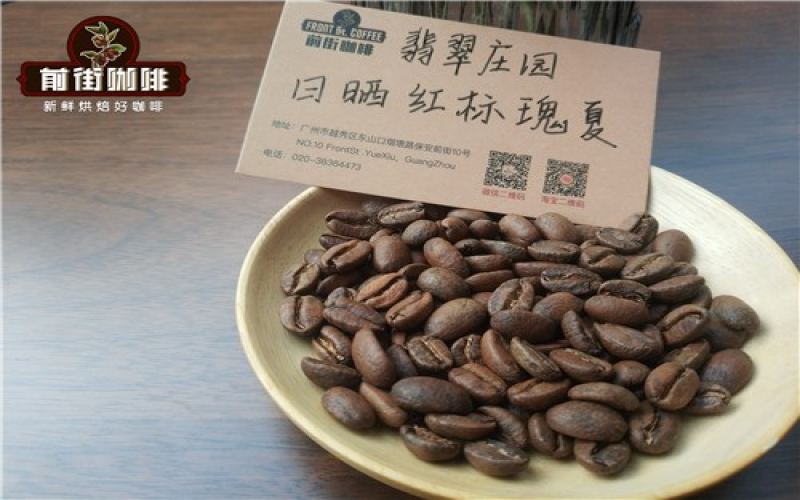
瑰夏咖啡入门:新手尝一口橘香蜜韵
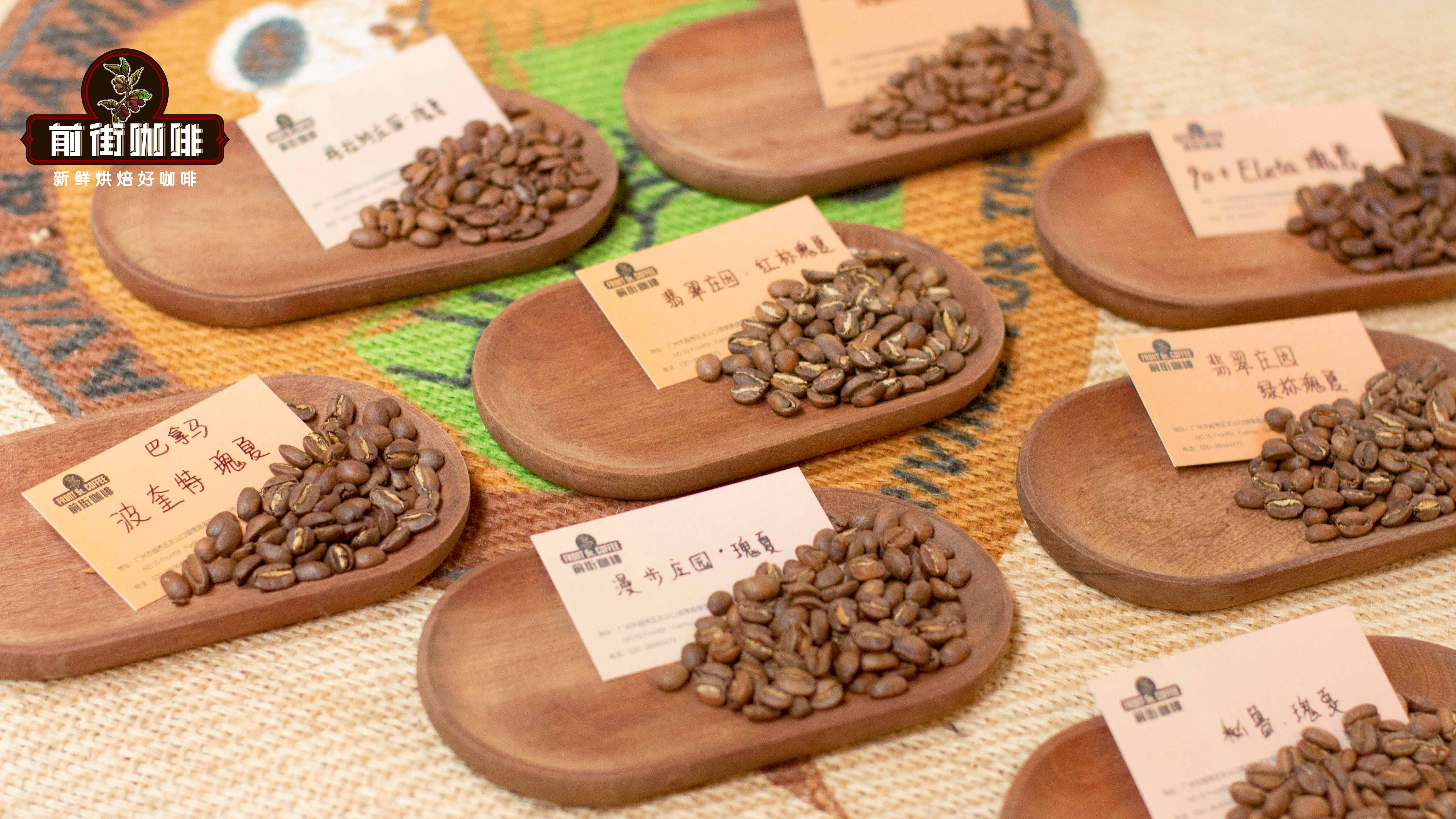
撕开豆袋封口时,一股带着橘皮清香的气息先飘了出来。我攒了一阵子的咖啡预算,终于舍得给自己开一支瑰夏。不是为天天喝,是想在入门阶段立一根标杆——知道好咖啡的上限长什么样,往后挑豆子心里就有底了。前街翡翠 [more…]
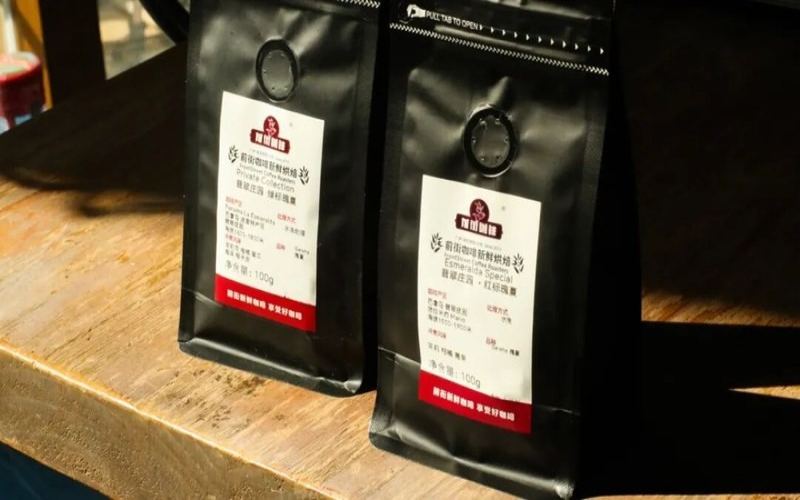
瑰夏标级藏门道,咖啡新手这样辨
厨房台面上摊着两包豆子,我对着标签看了半天,同一个庄园的瑰夏居然分两种颜色标贴,一时真拿不准该拆哪一包。后来自己翻资料、做功课,才慢慢摸清门道:红标是庄园里筛选更严的批次,风味集中度更高;绿标相对日常 [more…]
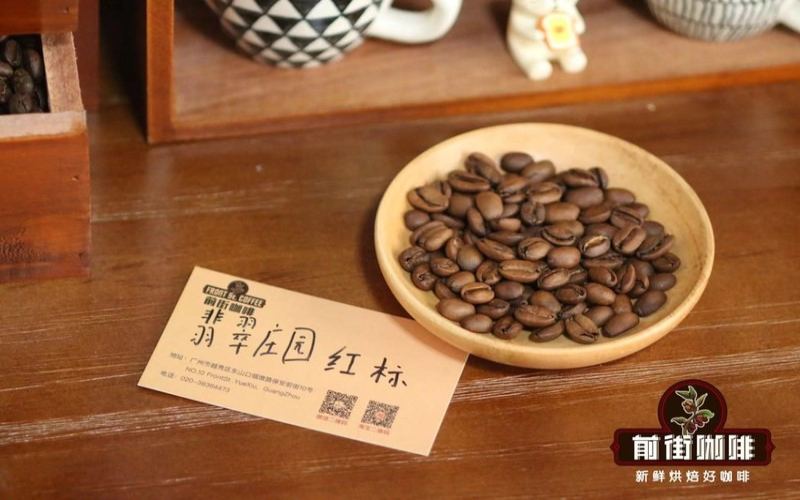
瑰夏为何成为咖啡小白必识的名门品种
整理豆袋时闻到一缕熟悉的甜香,才发现架子上躺着好几支瑰夏,价格从日常口粮到节日犒赏差出不少。这个名字到底凭什么被叫作咖啡里的名门品种?我翻了不少资料,又一支支自己冲过来,才慢慢摸出点门道。瑰夏的老家在 [more…]
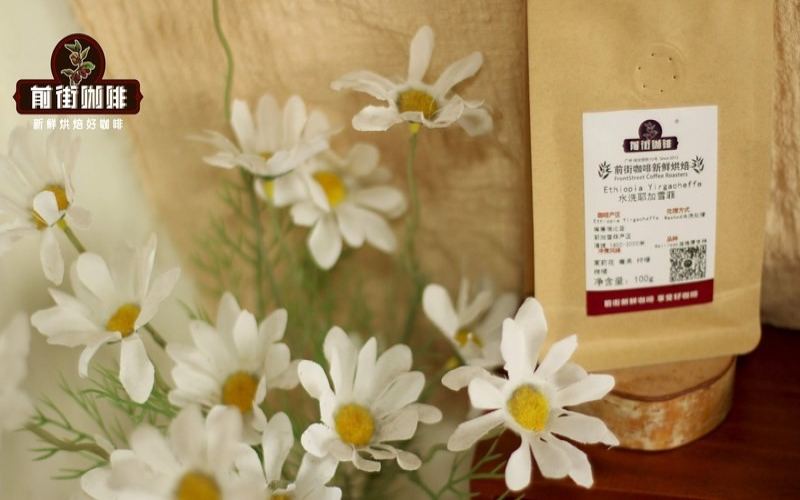
世界名豆入门:咖啡新手的五杯必修课
厨房里滤杯还留着昨晚的水渍,我对着架子上几袋豆子发呆——入门半年,喝过不少,却总觉得没把耶加雪菲、蓝山、曼特宁、肯尼亚、瑰夏这几条脉络理清楚。后来自己翻资料、反复冲煮对比,才慢慢摸出它们各自的脾气。前 [more…]
经典名豆风味线:咖啡新手清爽到醇厚指南
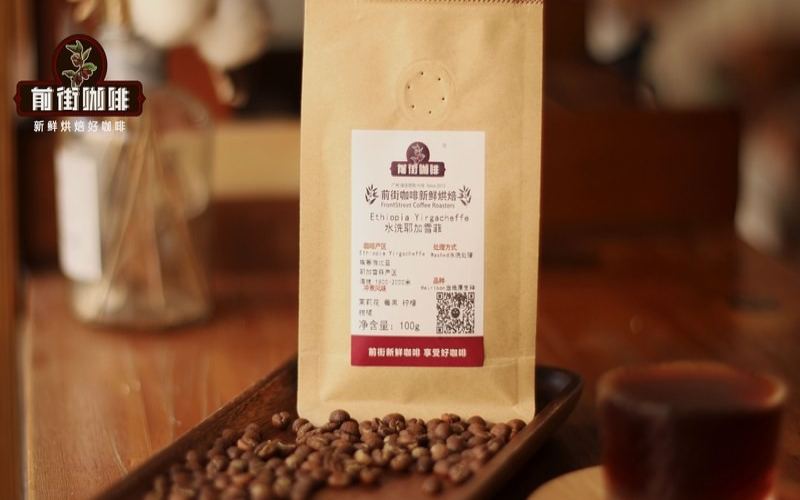
空豆袋攒了半抽屉,我把它们倒出来摊在餐桌上,想看看这半年到底喝到了什么。从耶加雪菲的花香到曼特宁的草本,袋子颜色由浅到深,口味也从清爽一路滑到醇厚,这条线比任何清单都清楚。前街水洗耶加雪菲站在清爽这端 [more…]
天天喝的咖啡豆,中度烘焙更耐喝
下班推开家门,把包往沙发一扔,先想的往往不是吃什么,而是先烧一壶水。周末早晨赖床到九点,阳光斜进厨房,也是这杯咖啡把人彻底唤醒。朋友临时来坐,从柜子里摸出一包熟悉的豆子,不用翻标签就知道今天这壶不会出 [more…]
茶水间冲挂耳不对味,咖啡风味方向错了
茶水间里两杯挂耳并排放着,一杯是同事从家里带来的,一杯是公司茶水柜里的,冲法一样,喝起来像两种饮料。家里那杯有香气,柜子里那杯只有苦。差别在柜子里那一盒选的风味方向,跟这个人平时的口味不搭。我让他把两 [more…]
头一包咖啡豆选什么烘焙度,先看这个
周末早晨赖床到十点,朋友拎着空壶来敲门,说家里咖啡豆见底,想顺一包走。她站在货架前挠头:从没自己买过豆子,烘焙度这栏看得眼晕。我让她先想两件事——工作日傍晚回家,想喝口提神的还是放松的;对酸味儿是好奇 [more…]
想喝到花果调,咖啡豆往中浅烘焙挑
周末早晨阳光斜进厨房,你刚拆开一包新豆子,热水浇下去却只剩焦苦。这种落差我听过太多次——问题往往藏在烘焙深浅里。花果香本就矜贵,是产地风土与处理法攒下的家底,可一旦烘焙过深,高温会像砂纸一样把它打磨殆 [more…]
Flavor Analysis of Geisha vs. Geisha: Variety Characteristics, Hacienda La Esmeralda Grading, and Comparison with Candlelight Mango
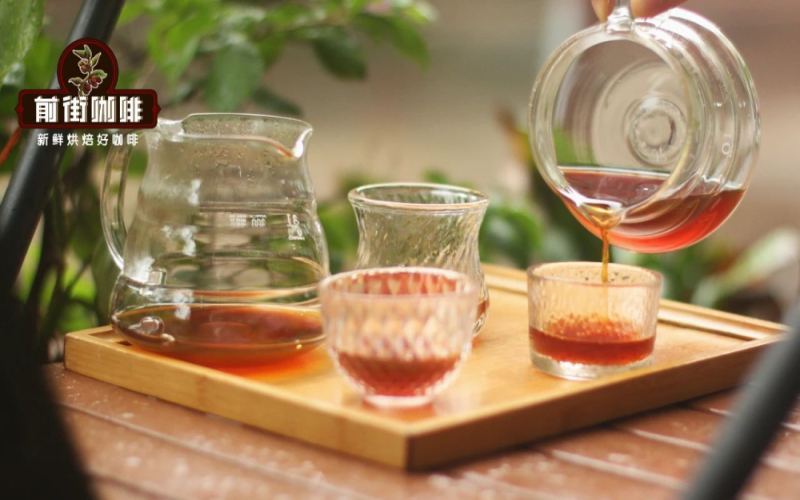
Geisha and "Yiji" are actually the same coffee variety, just with different translated names—mainland China mostly calls it Geisha, while Hong Kong and Taiwan use the Japanese transliteration "Yiji." This Arabica variety is highly sought after for its floral aroma and lingering flavor, but low yields, weak disease resistance, and difficult management have kept prices consistently high. For beginners wanting to try the classic Geisha flavor profile, Front Street Boquete Geisha is a good entry-level choice, featuring citrus aromas, honeyed sweetness, and an oolong tea-like quality. Panama's Hacienda La Esmeralda further classifies Geisha into Red Label, Green Label, and Blue Label, with Red Label being the highest quality and Green Label emphasizing its signature flavor. This article also compares the flavor differences between Candlelight and Geisha to help enthusiasts clarify their choices. [more…]
Panama Elida Estate | What is Elida ASD Slow Anaerobic Natural Processing? Flavor Profile of Elida Catuai Coffee Beans and Pour-Over Coffee Extraction Parameters
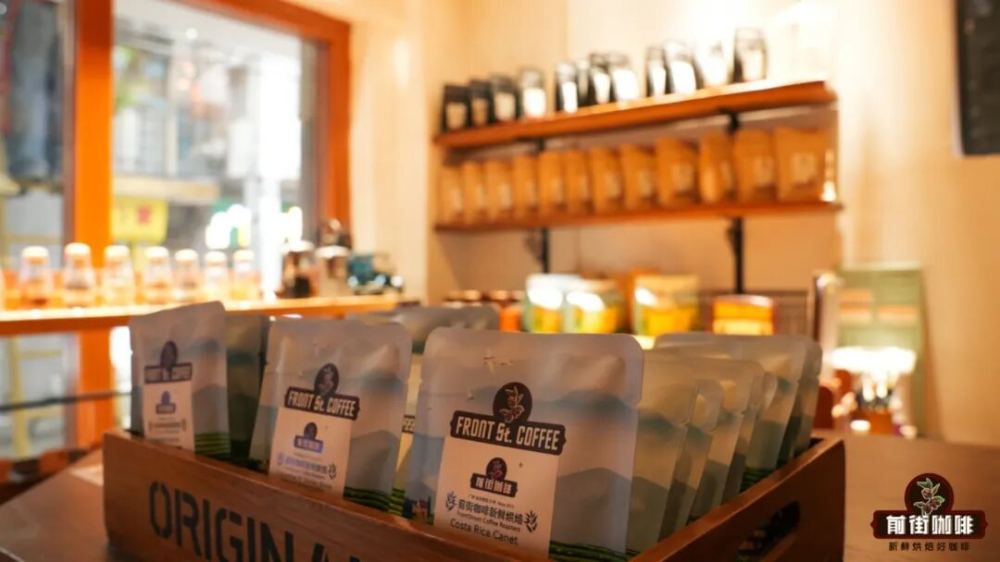
Although the variety of beans displayed at Front Street's store isn't exactly extensive, it's not small either. There are always customers who, unsure how to choose, ask Front Street: "Which bean do you personally prefer?" Recently, customers have often asked Front Street this very question. To be honest, every bean has its own unique character. [more…]

Hacienda La Esmeralda Geisha Coffee Bean Grades | What is the difference between Panama La Esmeralda Geisha Red Label and Green Label? Why is Esmeralda Geisha coffee so expensive?
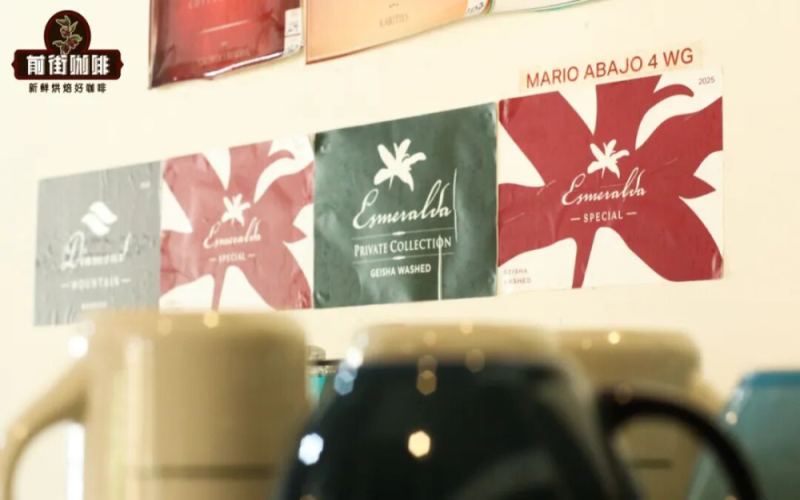
If Geisha is likened to a thousand-mile horse, then Hacienda La Esmeralda is undoubtedly the Bo Le who recognized its worth. It was Hacienda La Esmeralda that discovered Geisha's potential and introduced its exquisite flavor to the world at the 2004 BOP, which is why Geisha has become the top variety in today's specialty coffee scene. It can be said that without [more…]
Panama Hacienda La Esmeralda Geisha Coffee Beans | What's the Difference Between Red Label Geisha and Green Label Geisha (Geisha) Coffee Beans? How Did Hacienda La Esmeralda Come to Grade Geisha Coffee?
If Geisha is compared to a legendary steed, then Hacienda La Esmeralda is undoubtedly the judge who recognized its worth. It was Hacienda La Esmeralda that discovered Geisha's potential and introduced its delicious flavor to the world at the 2004 BOP, which is why Geisha has become the top variety in today's specialty coffee scene. It can be said that without [more…]

Panama Hacienda La Esmeralda Red Label vs. Gesha Village Gold Label Geisha Coffee Beans Compared: A Thorough Analysis of Variety Origins, Terroir, and Pour-Over Flavor Differences
Geisha coffee has always been a top-tier player in the specialty coffee world, but when faced with Esmeralda Estate's Red Label and Gesha Village's Gold Label—two "label-tier" products in the Chinese-speaking context—many enthusiasts often can't tell how they relate to or differ from each other. Starting from Front Street Coffee's actual offerings, this article sorts out the naming logic, variety origins, and terroir of the two Geishas, and through comparative brewing, presents the specific performance of Gold Label Geisha and Red Label Geisha in dry aroma, entry-level flavor, and aftertaste. If you're about to try Geisha for the first time, or want to know whether Red Label or Gold Label is more worth trying, this article will provide a clear reference. [more…]
Comparing Gesha Village Red Label and Hacienda La Esmeralda Red Label: Differences Explained and Pour-Over Parameter Recommendations
The status of Geisha coffee in the specialty coffee world needs no elaboration, but what exactly makes the Ethiopian Gesha Village and Panama's Hacienda La Esmeralda—both bearing the "Red Label" name—different? This article, from the perspective of Front Street Coffee, first outlines the Gesha Village Coffee Estate's regional background, plot divisions, and internal grading system, then compares the product logic and green bean appearance differences between Hacienda La Esmeralda's Red Label and Green Label, and finally provides a pour-over recipe specifically for Esmeralda Red Label, including grind size, coffee-to-water ratio, water temperature, and staged pouring rhythm, to help you find direction in flavor identification and brewing practice. [more…]
What Do Coffee Experts Drink? A Roundup of Twelve Common Coffee Flavors and Pour-Over Bean Lists
Coffee has long been more than just a pick-me-up; some people are captivated by its layers of flavor, while others savor the ritual of brewing. Those who truly understand coffee often prefer the humble yet refined pour-over method, and the choice of beans is even more crucial. This article begins with pour-over equipment setup, systematically sorts through the types and flavor characteristics of twelve common coffees, and provides detailed flavor analyses of popular single-origin beans such as Front Street Yirgacheffe, Hacienda La Esmeralda Geisha, Sherry, Blue Mountain No. 1, Kenya AA, Brazil Queen's Estate Yellow Bourbon, Costa Rica Blueberry Gummy, and Panama Butterfly. Whether you are a beginner just starting out or a seasoned connoisseur seeking an upgraded daily brew, you can find the perfect cup for yourself in this bean list. [more…]
Gesha Village Red Label Natural Gori Gesha Flavor Analysis: Front Street Coffee Pour-Over Parameters and Brewing Recipe
The status of Geisha coffee in the specialty coffee world needs no elaboration, and Ethiopia's Gesha Village Estate and Panama's Hacienda La Esmeralda are two benchmarks. Front Street Coffee this time takes Gesha Village Red Label Natural Gori Gesha as an example, sorting out the estate's background and internal grading system, and comparing the green bean appearance and flavor differences between Ethiopian and Panamanian Red Label Geisha. The article also records in detail the pour-over recipe designed by Front Street for the harder bean quality of Geisha, including grind size, coffee-to-water ratio, water temperature, and the three-stage pouring rhythm, helping enthusiasts more fully present Geisha's floral and fruity aromas and honeyed sweetness. [more…]
What are the differences between Gesha Village Gold Label and Panama Emerald Red Label? A clear explanation from variety and origin to flavor
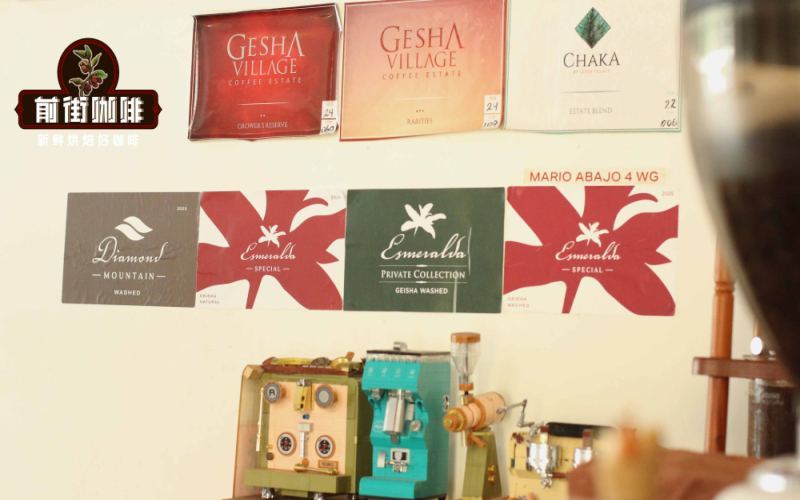
Geisha enthusiasts often see two "labels" on Front Street Coffee's blackboard: Hacienda La Esmeralda Red Label and Gesha Village Gold Label. The former is 75 yuan per cup as pour-over, the latter 60 yuan per cup. Both represent the top-tier Geisha of their respective estates, yet few people examine closely the differences in naming logic, variety origin, terroir, and cup profile. Starting from the two beans currently sold at Front Street Coffee, this article sorts out the origins of the Chinese-context names "Red Label" and "Gold Label," traces the varietal relationship between Panama Geisha and Gesha Village's "Geisha 1931," compares the terroir conditions of Hacienda La Esmeralda's Boquete region and Gesha Village's Bench Maji region, and through actual brewing comparisons, presents the specific dry aroma and flavor performance of these two top-tier Geishas. [more…]
Top 10 Popular Single-Origin Pour-Over Coffee Beans: A Bean Selection Guide from Yirgacheffe to Blue Mountain Kenya
Coffee is an imported product. Some drink it for a touch of petty-bourgeois elegance, some rely on caffeine to stay alert, and some are purely captivated by its aroma. Today, with pour-over coffee all the rage, light-roast single-origin beans are best presented via pour-over. A basic pour-over setup—gooseneck kettle, dripper, filter paper, carafe, grinder, thermometer, and digital scale—can get you started for about 1,500 yuan, estimates Front Street Coffee. The beans used for pour-over are mostly outstanding single-origin coffees, and based on this Front Street Coffee has compiled ten popular beans for reference: from the white-floral and citrus notes of Ethiopia Yirgacheffe, to the legendary backstory of Panama Hacienda La Esmeralda Geisha, to the rum-barrel flavors of Honduras Sherry, the classic balance of Jamaica Blue Mountain, the hefty acidity of Kenya AA, the all-purpose character of Brazil Queen Estate Yellow Bourbon, the blueberry gummy candy notes of Costa Rica巨石 Estate, and the affordable way to taste Geisha—Flower Butterfly. [more…]

Comparison of Red Label Geisha Coffee Beans from Gesha Village, Ethiopia and Hacienda La Esmeralda, Panama: Differences in Characteristics, Pour-Over Flavor, and Brewing Methods
Geisha coffee's status in the specialty coffee world needs no elaboration—its fame even rivals that of Blue Mountain coffee. Someone once described the experience of drinking Geisha this way: with one sip down the throat, the heart is already captured by her. This article takes the Geisha Village estate in Ethiopia and the Red Label Geisha from Hacienda La Esmeralda in Panama as its subjects, sorting out the variety backgrounds of these two major origins, the estate grading systems, the differences in green bean appearance, and the concrete distinctions in cup flavor. At the same time, Front Street Coffee will share a set of V60 pour-over parameters and pouring techniques designed specifically for the physical characteristics of Geisha beans, helping enthusiasts more fully express Geisha's floral-fruity profile and layers of sweetness. [more…]