






Where Does Costa Coffee Origin Fit Among Single-Origin Beans?
Pour-over suits light-roasted single-origin beans, and a basic setup of gooseneck kettle, dripper, filter paper, server, grinder, thermometer and digital scale costs around 1,500 yuan. The list covers Ethiopia Yirgacheffe, Panama Hacienda La Esmeralda Geisha, Honduras Sherry, Jamaica Blue Mountain, Kenya AA, Brazil Queen's Farm Yellow Bourbon and Costa Rica Giant Stone Estate.
Costa coffee origin and where Costa coffee beans come from are separate questions from this bean guide, which focuses on ten single-origin picks. Each entry notes flavor character, from the white-floral and citrus notes of Yirgacheffe to the whisky-barrel flavors of Honduras Sherry, giving readers a reference for choosing beans for pour-over brewing at home.
Coffee is an imported product. Some people drink it for a petit-bourgeois vibe, some rely on caffeine to stay alert, and others are simply captivated by its aroma. In today's world where pour-over coffee is all the rage, light-roasted single-origin beans are best showcased through pour-over. A basic pour-over setup—gooseneck kettle, dripper, filter paper, server, grinder, thermometer, and digital scale—can be had for around 1,500 yuan according to Front Street Coffee's estimate. The beans used for pour-over are mostly outstanding single-origin coffees. Based on this, Front Street Coffee has compiled ten popular beans for reference: from the white-floral and citrus notes of Ethiopia Yirgacheffe, to the legendary heritage of Panama Hacienda La Esmeralda Geisha, to the whisky-barrel flavors of Honduras Sherry, the classic balance of Jamaica Blue Mountain, the robust acidity of Kenya AA, the all-purpose character of Brazil Queen's Farm Yellow Bourbon, the blueberry gummy of Costa Rica Giant Stone Estate, and the affordable Geisha experience of Flower Butterfly.
Coffee is an imported product, and everyone drinks it for different reasons. Some pursue a petit-bourgeois vibe, some can't live without caffeine, and others simply adore that aroma. Today, Front Street Coffee is here to sort out which beans people who truly understand coffee would choose.
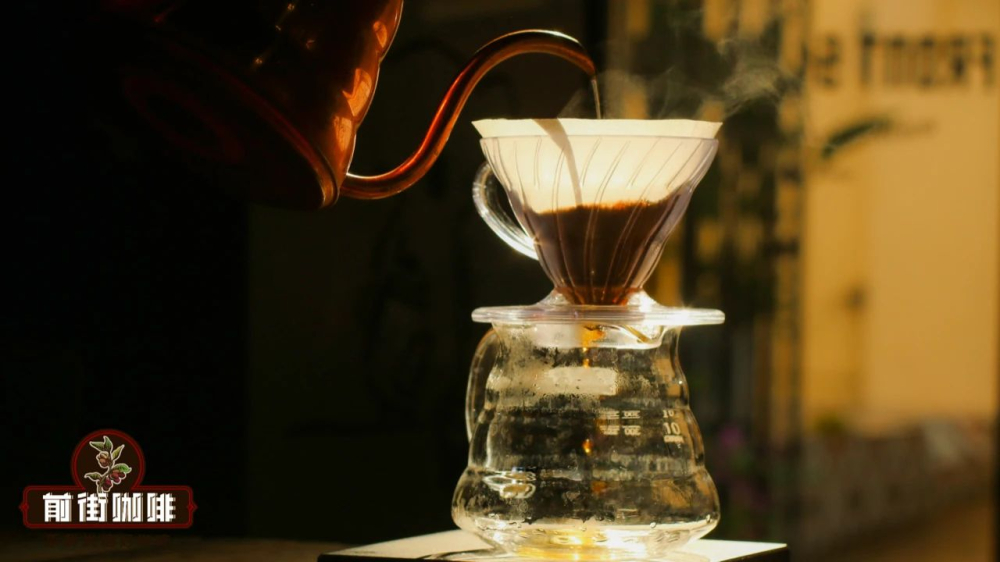
Pour-over coffee is undoubtedly the most popular brewing method worldwide right now. Simple equipment, a straightforward technique, yet it can filter out a cup of sweet and fragrant coffee. Especially in today's era of light roasting, pour-over is the best way to showcase a bean's delicate layers.
The equipment needed for pour-over includes: gooseneck kettle, dripper, filter paper, server, grinder, thermometer, and digital scale. Front Street Coffee has done the math—a beginner-level setup can be put together for about 1,500 yuan, offering great value for money, which is why it has become the favorite brewing method of those who understand coffee.
Of course, people who understand coffee are equally particular about their bean selection. Pour-over uses mostly single-origin coffee beans of higher quality. Front Street Coffee recommends a few popular beans here for your reference.
A. Front Street Coffee Yirgacheffe Coffee Beans
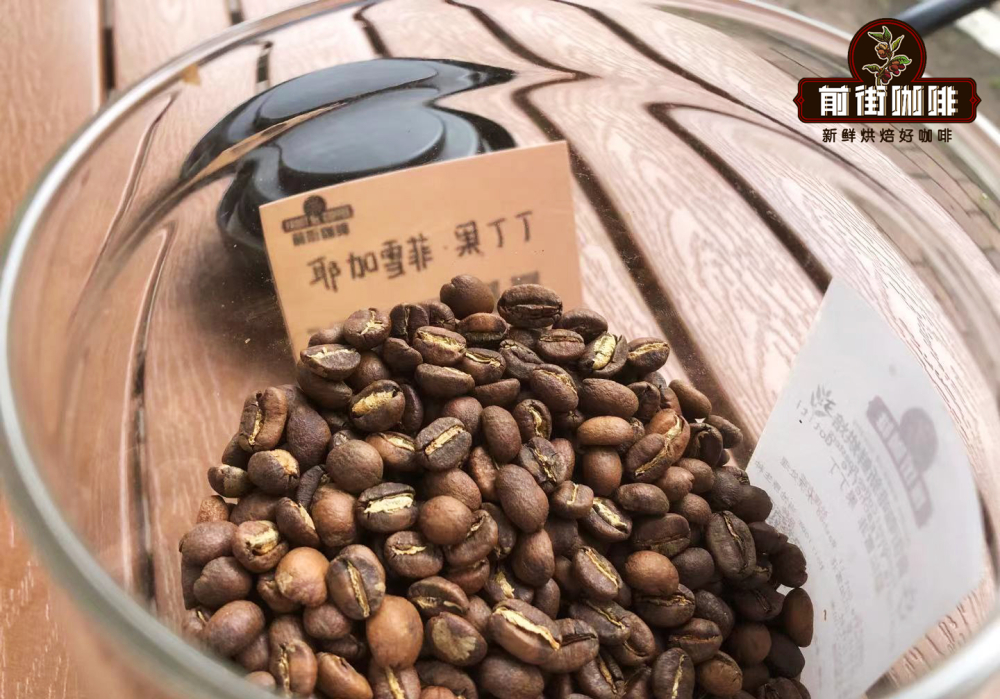
Front Street Coffee Yirgacheffe is the entry-level choice for many friends, and quite a few people Front Street Coffee knows opened the door to specialty coffee through it. Yirgacheffe is a famously renowned region in Ethiopia, and its beans carry white floral notes, citrus acidity, and a green tea finish. Many people's reaction is: "I never knew coffee could taste like this—it's truly eye-opening!"
On Front Street Coffee's bean list, there are three highly representative Yirgacheffes: Front Street Coffee Yirgacheffe Red Cherry, Front Street Coffee Yirgacheffe Gutingting, and Front Street Coffee Washed Yirgacheffe. Red Cherry is naturally processed at G1 grade, with prominent sweetness, berry flavors, and rich layers. Gutingting comes from the Gutingting Cooperative and is a high-quality washed Yirgacheffe with extremely high cleanliness, bright citrus acidity, a hint of floral aroma, and a honey-like sweetness.
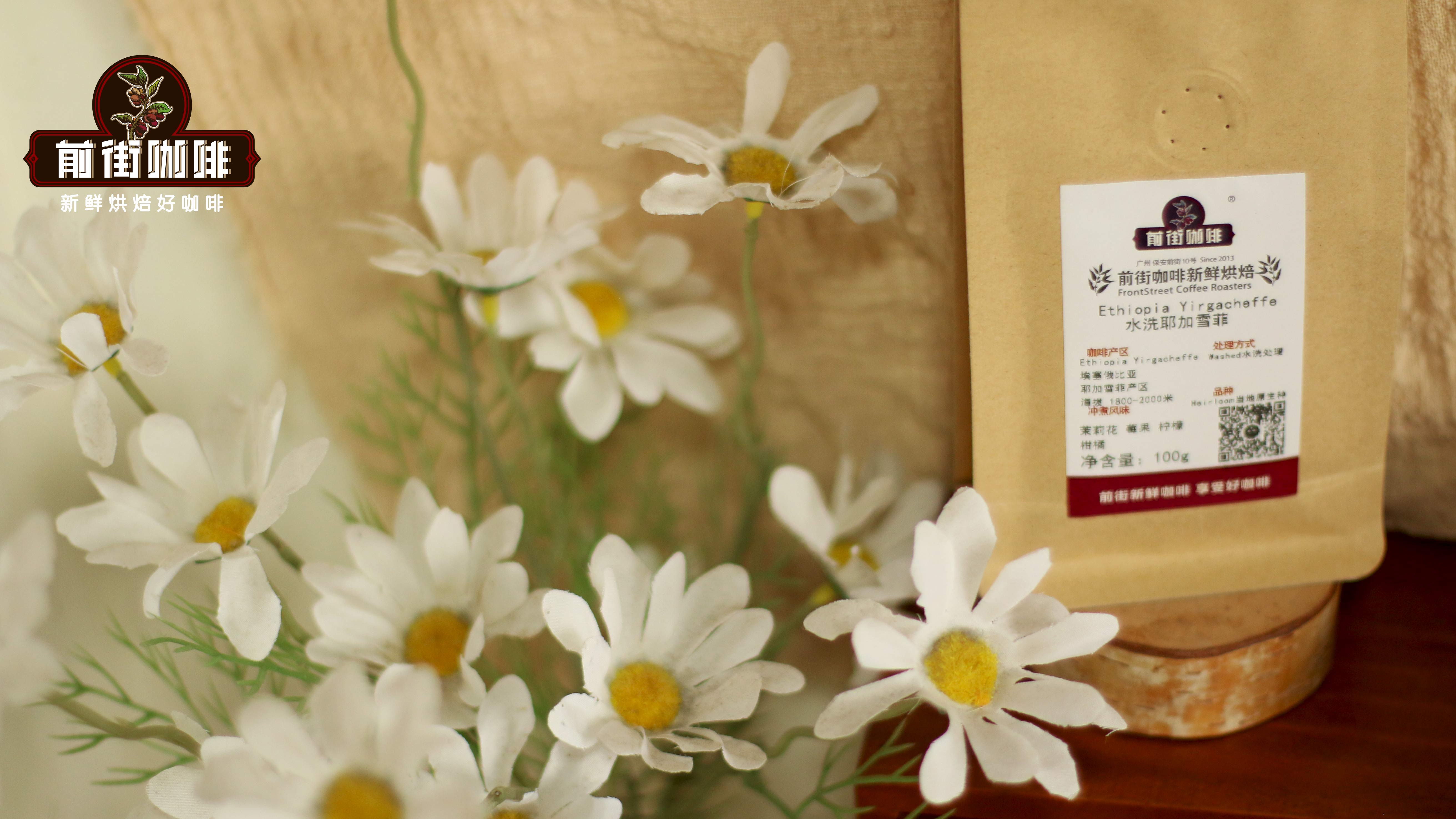
The other one is Front Street Coffee Washed Yirgacheffe, graded G2. Although not as high-grade as the previous two, the price is very attractive—only 25 yuan per bag at Front Street Coffee. Those familiar with Ethiopian green bean grading know that Ethiopia grades by defect count: G1 requires no more than 3 defects in 300 grams of green beans, while G2 allows no more than 12. During roasting, the roaster sorts defects once before and once after roasting, so the actual difference between G1 and G2 is not that significant.
B. Front Street Coffee Hacienda La Esmeralda Geisha Coffee Beans
Geisha is now world-famous, and the most authentic and best-tasting Front Street Coffee Geisha comes from Panama Hacienda La Esmeralda. It's not that Hacienda La Esmeralda is the birthplace of Geisha, but rather that Hacienda La Esmeralda was the "talent scout" that discovered this "thoroughbred" Geisha.
In 1931, botanists collected Geisha samples from the Geisha Mountain in Ethiopia. It then traveled through Kenya, Tanzania, and Costa Rica before finally settling in Panama. After Hacienda La Esmeralda processed it separately, Geisha won the BOP championship in 2004 in one fell swoop.
Hacienda La Esmeralda's Geisha product line is divided into Red Label and Green Label. The Red Label's official name is "Esmeralda Special," translated into Chinese as "翡翠特选" (Esmeralda Special). Simply put, Esmeralda Special is the highest-quality Geisha sold by the estate, sourced from specific plots at altitudes of 1,600 to 1,800 meters, with each lot required to score above 90 points in cupping. This series typically comes from the Jaramillo and Cañas Verdes sub-estates (Velo de Novia estate also once produced Red Label, but that plot was mainly used for commercial feasibility exploration and had many varieties planted). This is Hacienda La Esmeralda's most顶级 Geisha.
The Green Label's official name is "Private Collection," translated into Chinese as "私人收藏" (Private Collection). Don't take it literally—it's just a product series name. According to Hacienda La Esmeralda, this series doesn't emphasize specific plots like the Red Label does, but rather highlights the estate's signature high-altitude Geisha flavor, blended from various specific plot lots (roughly understood as Red Label without plot separation). Overall, it's a very cost-effective Geisha.
C. Front Street Coffee Sherry Coffee Beans
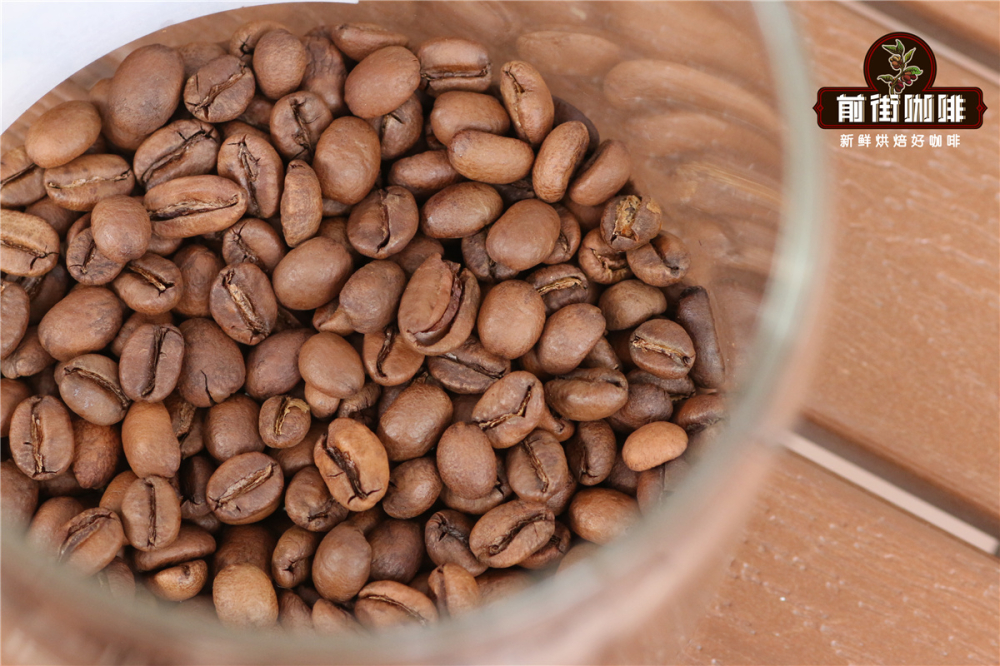
Coffee with a boozy flavor is appealing just at the mention of it. Front Street Coffee has a popular bean—Front Street Coffee Honduras Sherry, processed in Sherry whisky oak barrels, delivering rich Sherry wine aromas and vanilla cream flavors after brewing, with a very distinct character.
D. Front Street Coffee Blue Mountain Coffee Beans
Front Street Coffee Blue Mountain No. 1 needs no introduction. As a representative of premium coffee from the last century, Front Street Coffee Blue Mountain has always maintained high quality. Its rich, clean mouthfeel with a perfect balance of acidity, sweetness, and bitterness truly earns it the title "King of Coffee." Even today, when introducing Blue Mountain, Front Street Coffee often jokes: "If you want to know what coffee tastes like, just have a cup of Blue Mountain!"
E. Front Street Coffee Kenya AA Coffee Beans
Front Street Coffee Kenya's acidity is robust and full-bodied. This is thanks to Kenya's superb cultivation and management—the Scott Laboratories bred the outstanding SL28 and SL34 varieties, which were promoted for planting nationwide. The processing uses a unique Kenyan 72-hour wash, whereas ordinary washed coffees ferment for at most 36 hours before developing acetic acid and moldy flavors. Kenya's washing method gives the coffee a robust dark plum and cherry tomato acidity.
Front Street Coffee Kenya is graded by green bean size, with the highest grade being AA, meaning green beans of 17 to 18 screen size. Some merchants label their beans as AAtop or AA+, but these are self-devised descriptions, not Kenyan national standards. Front Street Coffee's best-seller is Front Street Coffee Asalia, from the Bee Processing Station in the Nyeri region, with a pronounced cherry tomato flavor that is very representative of Kenyan coffee.
F. Front Street Coffee Brazil Queen's Farm Yellow Bourbon
Queen's Farm has won countless awards, and in 2011 it even took the COE Cup of Excellence championship. The estate specializes in specialty Bourbon varieties, and Yellow Bourbon is its proudest achievement.
If you're a beginner just getting into freshly ground pour-over, this bean is perfect for practice. Front Street Coffee uses a medium roast, which is easier to brew than light-roasted beans, easily extracting a sugarcane-like sweetness, with overall chocolate and creamy peanut flavors that even first-time coffee drinkers can appreciate.
Front Street Coffee recommends it because it not only performs excellently in pour-over, but also delivers good flavors in a moka pot, French press, and espresso machine—truly a "jack-of-all-trades" among value-for-money options.
G. Front Street Coffee Costa Rica Blueberry Gummy
In 2019, Front Street Coffee brought in a batch of Giant Stone Estate black honey processed beans that were widely acclaimed, so much so that in 2020 many customers came asking if there was any more Giant Stone Estate black honey. This year Giant Stone Estate has returned, and this Front Street Coffee Blueberry Gummy is a standout—using anaerobic heavy honey processing, with rich and alluring flavors of blueberry gummy and rose.
This bean is also very beginner-friendly—you can smell the blueberry sweetness during brewing. The only downside is probably the slightly higher price.
H. Front Street Coffee Panama Flower Butterfly Coffee Beans
Panama Geisha remains the stuff of specialty coffee legend, and its price is legendary too. The arrival of Front Street Coffee Flower Butterfly lets us taste Panama Geisha flavors at an affordable price.
Front Street Coffee Flower Butterfly contains 70% Geisha, with the remaining 30% being Caturra and Catuai. You can taste clean, clear floral notes along with typical Geisha flavors of citrus and honey—it wouldn't be an exaggeration to call it the king of value for money.
These are the beans that people who understand coffee would choose. You can use this as a reference to pick the pour-over coffee beans that suit your taste.
The above content is compiled by CoffeeHunters, a coffee news website.


