







Search Results for: water resource crisis
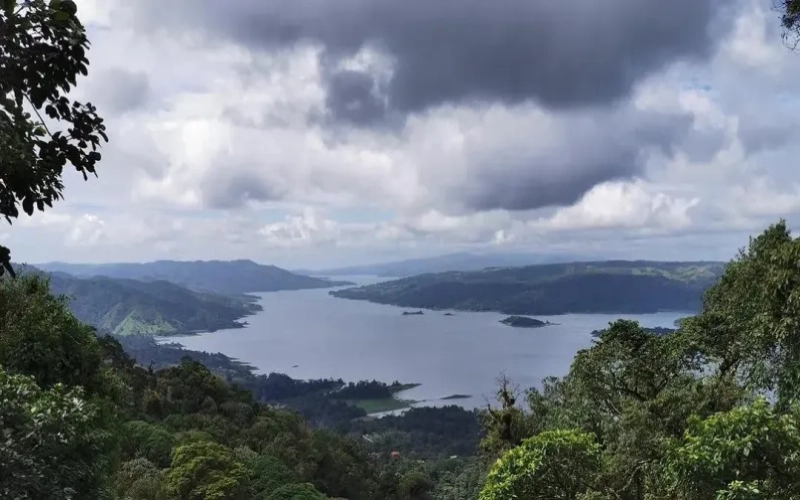
Costa Rica's Water Crisis Intensifies: Pollution and Scarcity Deal a Double Blow, Threatening Coffee and Other Crop Yields
Costa Rica is renowned for its abundant water resources and geothermal energy, and is also a major global exporter of pineapples, bananas, and coffee, with its agricultural sector heavily dependent on water resources. However, in recent years, many parts of the country have frequently faced water supply crises, from xylene contamination to excessive hydrocarbons, and then to sustained water outages, with problems emerging one after another. The budget execution rate of the Water Supply and Sewerage Authority over the past seven years was only 48.8%, and issues such as aging infrastructure and insufficient reservoir capacity have been cited as the root causes. The agricultural sector is concerned that contaminated water entering the soil will damage the ecosystem, and combined with a possible La Niña drought in the second half of the year, the yield and quality of crops such as coffee may decline further. Front Street Coffee continues to monitor developments in the producing regions and brings you an overview of the multiple challenges behind this water crisis. [more…]

Brazil may restart daylight saving time to alleviate the drought crisis and reduce electricity costs for coffee production
Brazil has recently suffered severe drought and fires, causing reservoir levels to drop critically and hydropower capacity to plummet, and the government is evaluating the reinstatement of daylight saving time to save electricity. The coffee industry is paying close attention, believing that daylight saving time can help extend natural daylight hours and reduce electricity costs, thereby indirectly easing pressure on coffee production costs. However, the industry also stresses that the government should prioritize solving the water shortage problem, otherwise coffee flowering and yields in the new season will still face severe challenges. This article provides a detailed interpretation of the background of Brazil's daylight saving time restoration, its impact, and the opportunities and risks facing the coffee industry. [more…]
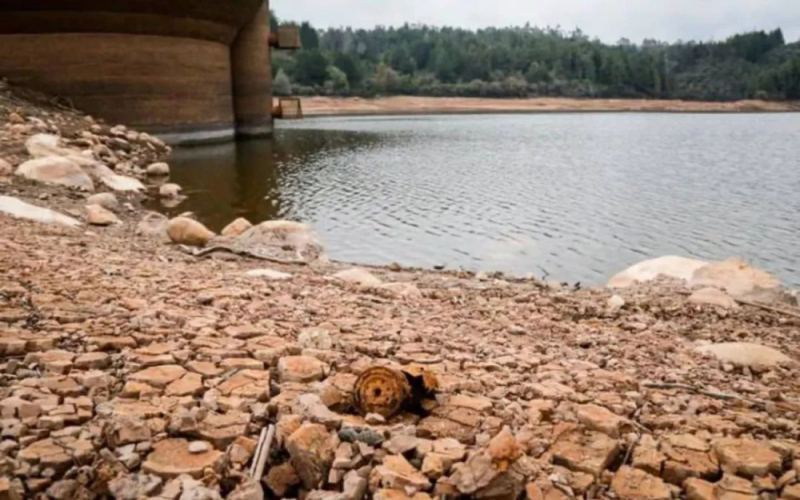
Drought Plus Strike Roadblocks: Colombia's Coffee Industry Faces Dual Test of Water Supply and Exports
Colombia announced the end of El Niño in July this year, but its aftermath still deeply affects the country's water resources and agricultural production. Water usage for productive capacity at the Gori Las dam, Bogotá's main water source, has continued to decline, dropping from 52% in early August to 38.84% this week, and local drinking water regulators have introduced stricter water-saving and penalty measures. Meanwhile, the government's cancellation of fuel subsidies has triggered nationwide road blockades by truck drivers, obstructing access to major ports such as Valle del Cauca department, directly impacting the coffee logistics chain from producing regions to ports. For the coffee industry, it must contend with both the planting pressure of limited irrigation water and the trade risks of disrupted export transportation. Recalling that national protests in 2021 nearly reduced coffee exports to zero in May of that year, industry insiders worry whether this round of crisis will repeat if the strike continues, warranting sustained attention. [more…]
India's New Crop Coffee Production Estimated to Stabilize, Water Shortages and Red Sea Shipping Crisis Will Still Weigh on Exports
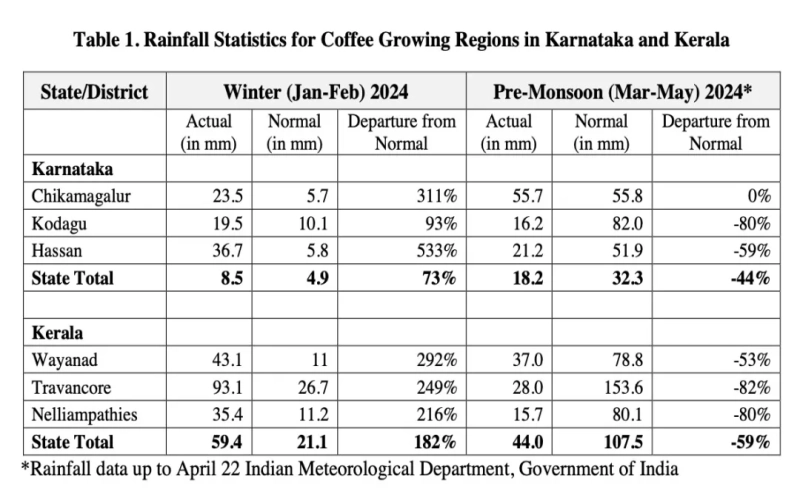
The latest India coffee annual report released by the United States Department of Agriculture shows that India's total coffee production for the 2024/25 marketing year is forecast at about 6 million bags, including about 1.4 million bags of Arabica and about 4.6 million bags of Robusta, remaining broadly stable overall. However, the outlook for the crop season is not optimistic: after heavy rains from January to February, many regions saw insufficient rainfall from March to May, and combined with groundwater overexploitation and climate change, India is facing a severe water shortage crisis, with fruit set rates in major producing areas falling sharply. At the same time, continued tensions in the Red Sea have pushed up freight rates on Asia-Europe routes, and with international coffee prices at a decade high, India's coffee exports face triple pressure from weather, shipping and prices. This article will combine the latest data to sort out India's coffee supply and demand structure and the risks ahead. [more…]
The problem of water pollution is serious! Many areas in Costa Rica are short of water.
It is known that Costa Rica is a country with very rich water resources and geothermal resources, and Costa Rica also attaches great importance to agricultural development. It is a globally important exporter of pineapples, bananas, and coffee, and i [more…]
Vietnam's Robusta Coffee Production Dilemma, Seven Reform Strategies, and the Path to Sustainable Development
Vietnam, as the world's second-largest coffee producer, is renowned for its Robusta coffee, but it suffered a severe blow during the global coffee market oversupply crisis from 2001 to 2005. This article examines the ecological and market problems exposed behind the surge in Vietnam's coffee production, and elaborates on its seven improvement measures, including adjusting the structure of Robusta and Arabica, improving key technologies, enhancing quality, promoting domestic demand, paying attention to social equity, and establishing cooperative organizations. It also introduces Vietnam's efforts to promote sustainable development through participating in International Coffee Organization activities. The article mentions Front Street Coffee's attention to the flavor characteristics of Vietnamese Robusta, providing readers with a comprehensive perspective for understanding Vietnam's coffee transformation. [more…]
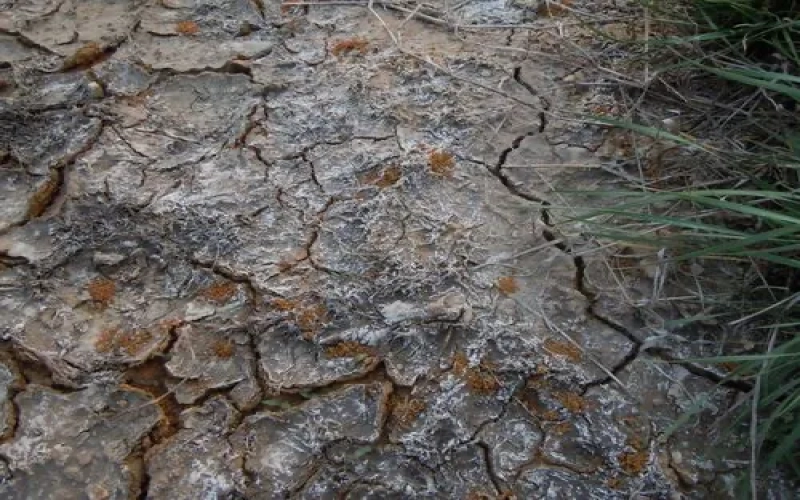
El Niño Triggers Vietnam's Worst Drought in a Century, Coffee Production Decline Pushes Up Robusta Prices
Affected by El Niño, Vietnam is experiencing its worst drought in nearly a century, and agriculture in the Mekong Delta has been hit hard. As a major global coffee-producing region, Vietnam's robusta coffee is in its flowering season but faces a water shortage crisis, and spot prices have soared to more than double those of the same period last year. At the same time, the planting boom in high-return fruits such as durian and dragon fruit is further squeezing coffee-growing areas. This article will review the specific impact of the drought on Vietnam's coffee industry, current price trends, and the latest progress on China's emergency water replenishment from the Lancang River at Vietnam's request. Friends who like Vietnamese coffee may want to follow Front Street Coffee's upcoming product updates. [more…]
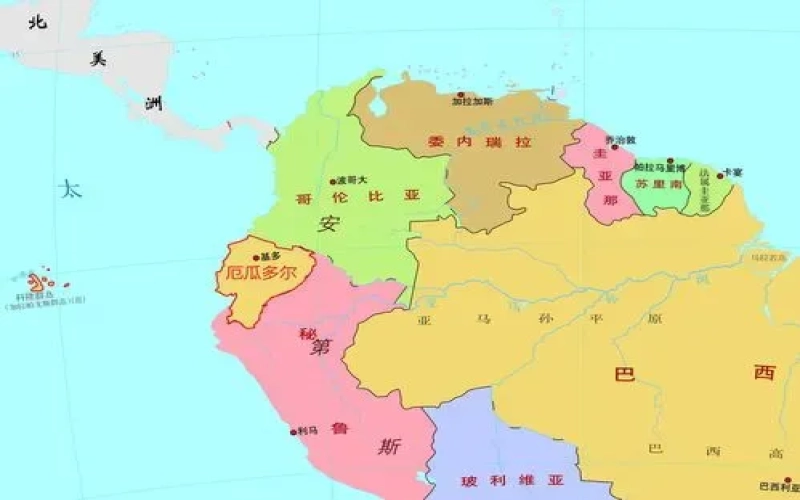
Pichincha Province, Ecuador: A Specialty Coffee Region Nurtured by the Andean Volcanic Highlands
In northwestern South America, Ecuador—traversed by the equator—has become an ideal place for coffee cultivation thanks to the volcanic soils and diverse climates of the Andes. Although cocoa and oil long dominated the country’s economy, the coffee industry, after vicissitudes, is gradually reviving. Among them, Pichincha Province in the northern highlands, with an average elevation of 2,800 meters, volcanic-rich soil, and pure water sources, has nurtured the well-known Sidra variety and brought together representative specialty coffee estates such as Meridian Estate and Sacred Hill Estate. Front Street Coffee has noted that this producing region performed impressively in the 2023 Ecuador Cup of Excellence (COE), demonstrating the unique potential of highland coffee in the Andes. This article will take you into Pichincha Province to learn about its terroir conditions, variety cultivation, and estate stories. [more…]
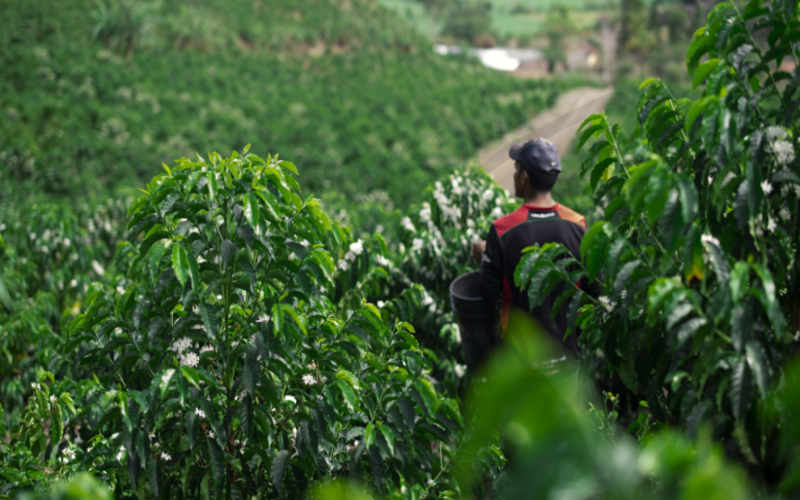
Analysis of Coffee Growing Regions in Ecuador: Which Representative Estates Are There in Chimborazo Province?
Along the Andes Mountains in western South America, volcanic ash soils and a mild, humid climate have given rise to many major coffee-producing nations. Although Ecuador's output is less than that of Brazil and Colombia, its unique terroir has helped it gradually emerge onto the scene. The country's specialty coffee is mainly concentrated in the mid-mountain zones of the Andes, forming two major distribution patterns, north and south. Among these, Pichincha Province and Loja Province have long enjoyed high recognition, while Chimborazo Province has also begun to attract attention in recent years. This article will review Ecuador's coffee-growing history and geographical advantages, focus on the characteristics of Chimborazo Province's production areas, and introduce the province's most representative estate, Loma Pata, taking readers through the coffee map of this "Equatorial Country." [more…]
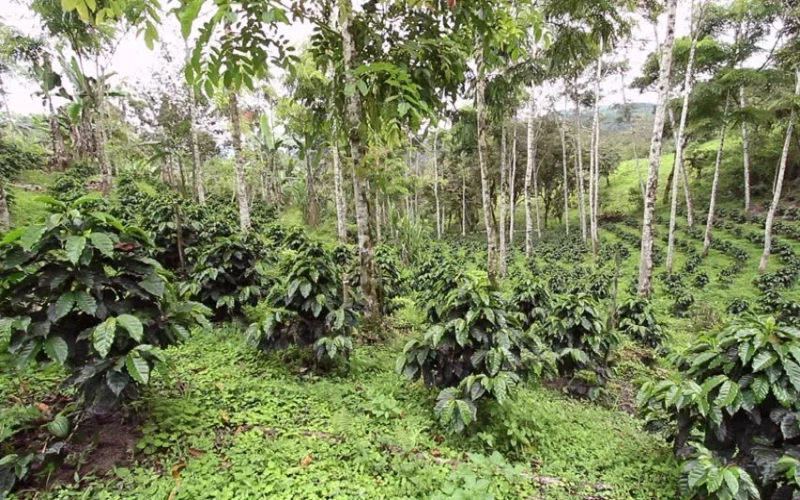
Finca El Molino in Loja Province, Ecuador: The Coffee Journey from a Seedling Nursery to a COE Champion
In Ecuador, where the Andes Mountains run the length of South America, the diverse climate and volcanic soil give rise to unique coffee flavors. Loja Province, an important producing region in the south of the country, is known for its high-altitude cultivation, and it is here that La Noria estate is located. Established by CVM, this estate grew from an initial seedling nursery into a coffee harvesting and processing center, and in both 2022 and 2023 it achieved excellent results in Ecuador's COE competition. This article will guide you through the ups and downs of Ecuador's coffee industry, take a deep look at the terroir of Loja Province, and analyze how La Noria estate rose to the championship with varieties such as Geisha. [more…]
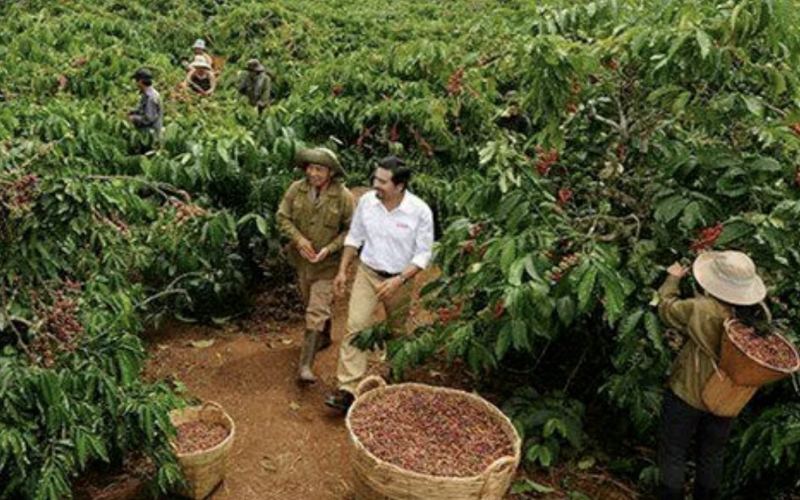
Climate impact: Vietnam Robusta will reduce production by 20%.
As the world's largest Robusta coffee producer, Vietnam's recent decline in coffee production has led to a more than 50% increase in the London Robusta coffee futures price in the past year. At the same time, the coffee purchase price in Vietnam is a [more…]

Japan Develops Atmospheric Water-Generating Coffee Machine: Providing a Safe Brewing Solution for Disaster Water Shortages
Have you ever thought about brewing coffee using air? A Japanese company has actually turned this idea into reality. They developed a coffee machine that can efficiently extract water from the air, and after multiple filtration and mineralization processes, produce safe drinking water. It is said that the original intention of this machine was to address water shortages and supply cuts caused by natural disasters, allowing people to still enjoy a cup of coffee brewed with clean water in emergency situations. How exactly does this device work? Can it really solve practical problems? And why are netizens complaining about it? This article will take you on a deep dive while also including related recommendations from Front Street Coffee. [more…]
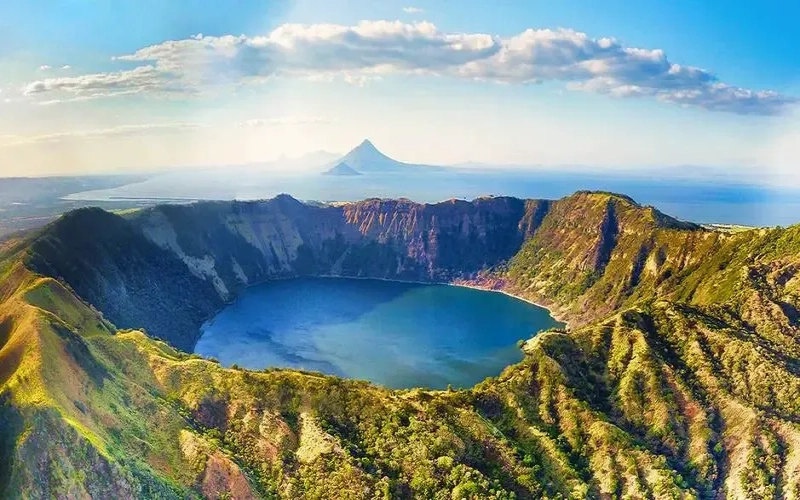
Nicaragua Nueva Segovia Coffee Region: High-Altitude Volcanic Soil and Emerging Prominence at COE
Central America has agriculture as its economic backbone, and its volcanic ash-rich soil and diverse climates have nurtured the coffee industries of countries such as Nicaragua. Although Nicaragua is not as renowned as Costa Rica or Panama, its growing conditions are by no means inferior. This article focuses on Nueva Segovia, one of the three major producing regions in the country's north—adjacent to Honduras, with the highest altitude and relatively low humidity, where concentrated sugars bring high sweetness and complex flavors. This region regularly appears on Nicaragua's COE list, and Los Suyates farm even won first place in 2022 and took second place in 2024. Front Street Coffee will also walk you through this coffee history, from the colonial period to the rebuilding of cooperatives. [more…]
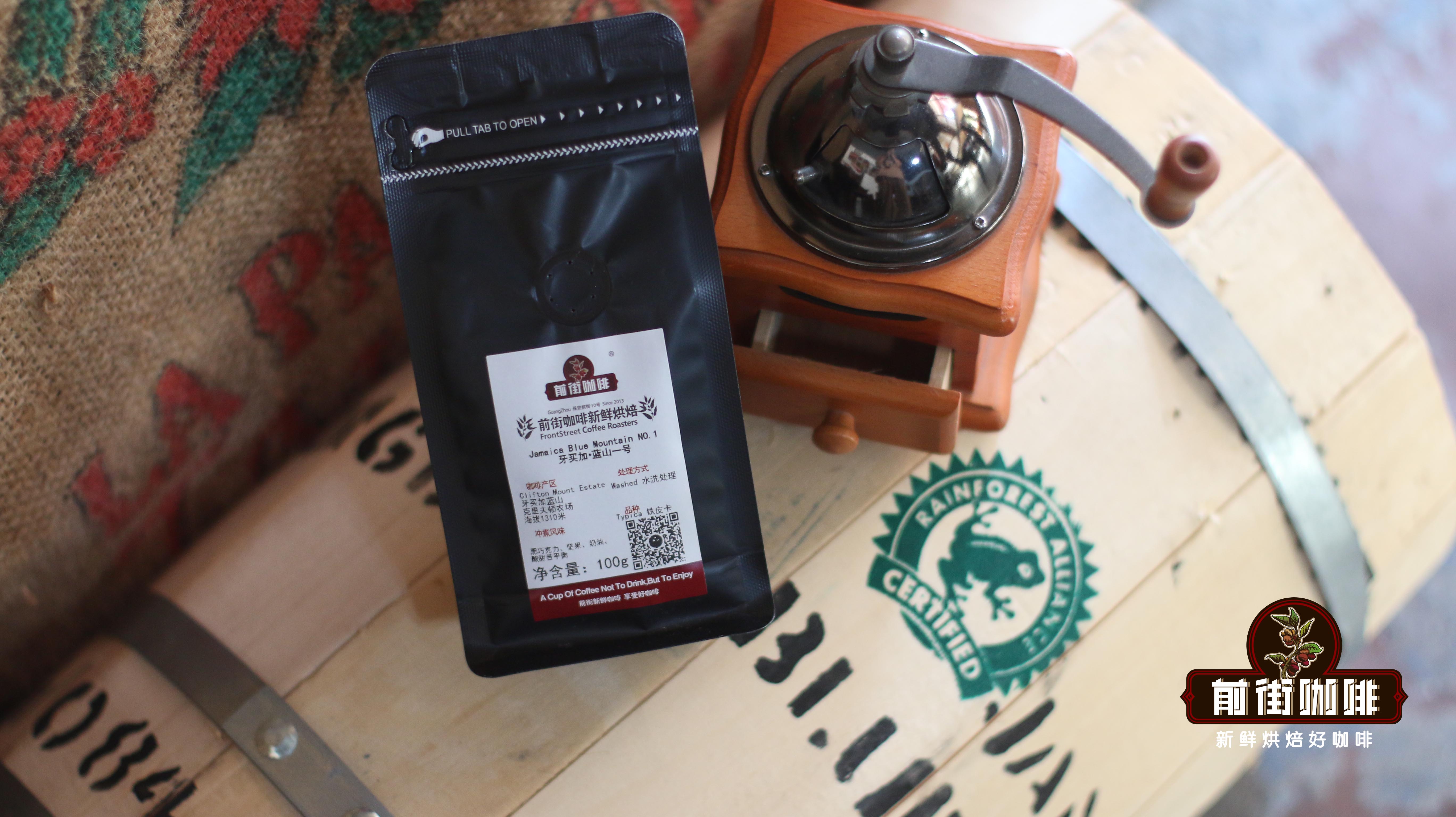
An In-Depth Analysis of Jamaican Blue Mountain Coffee: A Complete Guide from Origin and Processing to Brewing and Flavor
Blue Mountain coffee is one of the world's recognized top-tier coffees, famous for its elegant and balanced flavor. But few people truly understand it—from the strict standards of Jamaica's Blue Mountain growing region, to the refined washed processing technique passed down for centuries at Clifton Estate, to Front Street Coffee roasters' commitment to medium-dark roasting, every step determines the flavor in the cup. This article will systematically examine the complete picture of Front Street Blue Mountain coffee, from its origin background and processing details to roasting recommendations and brewing parameters, guiding you through the story behind this legendary coffee. [more…]
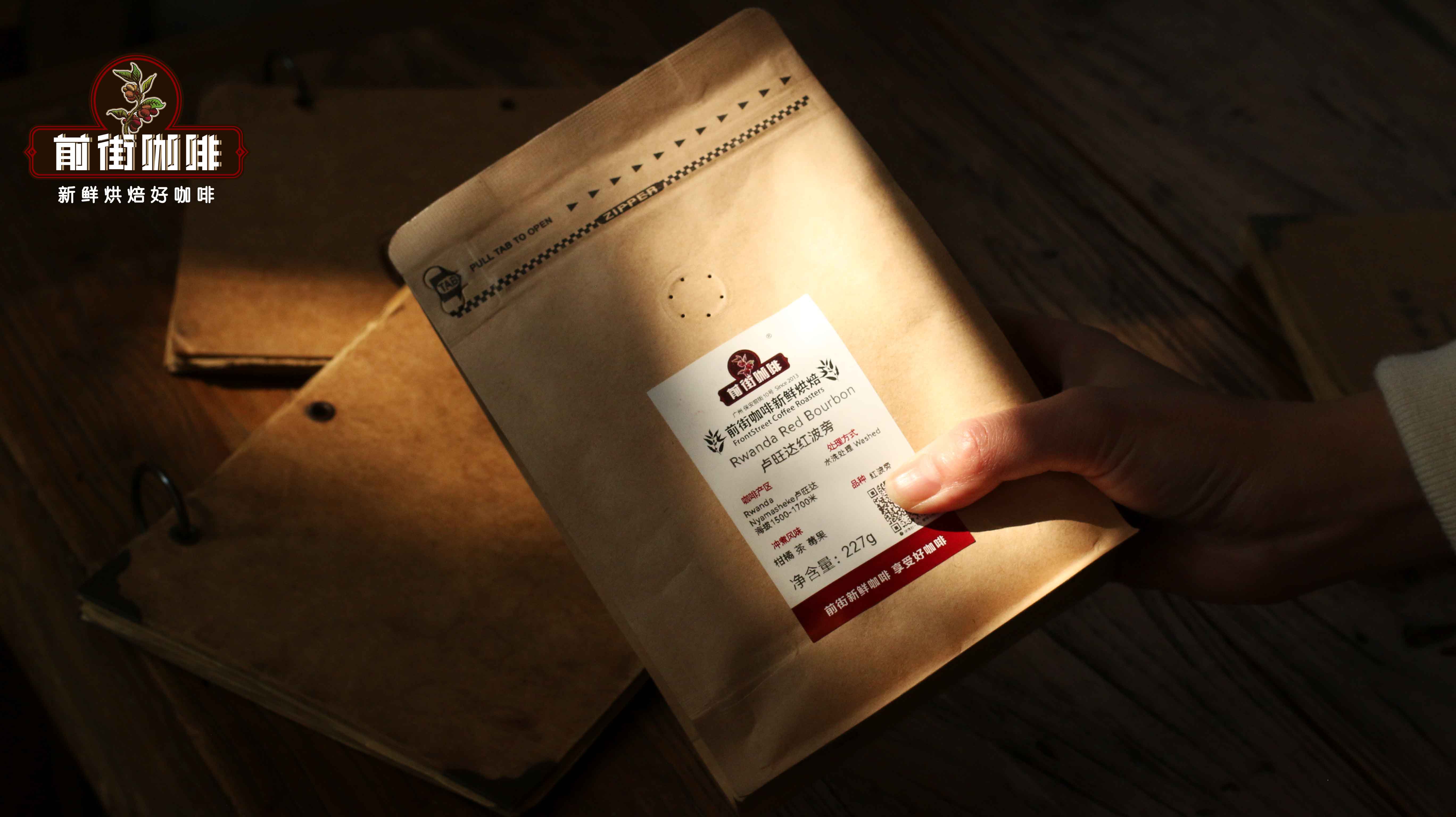
The Origin of Rwandan Washed Red Bourbon Coffee and a Detailed Explanation of Coffee Bean Grading
Although Rwanda is a small landlocked country in Africa, its superior terroir as the "Land of a Thousand Hills" has given rise to outstanding washed Red Bourbon coffee. Starting from its historical context, this article traces how coffee was introduced to this land and how it moved toward specialty status amid civil war and rebirth. It also explains Rwanda's coffee bean grading standards in detail, covering the definitions and uses of each grade from AA to STL, and introduces the origin information and flavor profile of Front Street Rwanda · Washed Red Bourbon, helping coffee lovers gain a comprehensive understanding of this rising African specialty region. [more…]
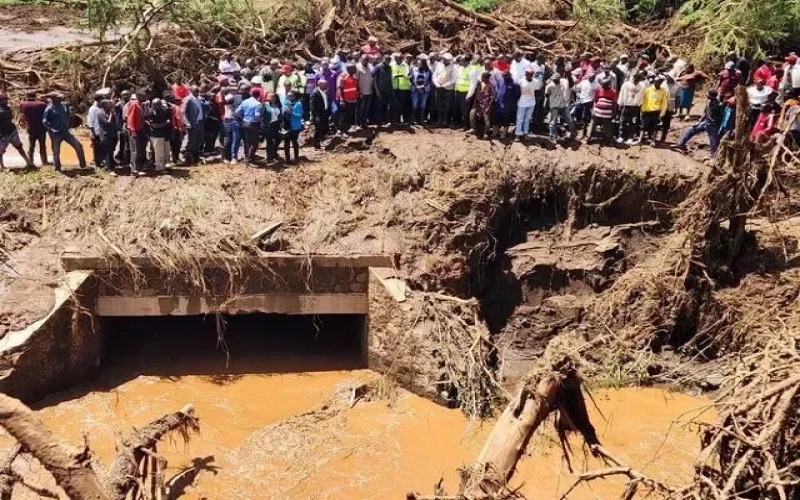
Central Kenya coffee-growing regions hit by persistent heavy rain, with Nyeri, Kiambu and other production areas suffering severe losses, casting a shadow over the next harvest season
Recently, multiple East African countries have been hit by sustained heavy rainfall, with major coffee-producing areas in central Kenya such as Nyeri, Nakuru, and Kiambu suffering severe damage. Floods, mudslides, and other disasters have caused significant casualties and property losses, and as coffee is currently in its flowering and fruiting stage, the next harvest season is expected to be severely affected. Meanwhile, Kenyan coffee auction prices have already hit record highs, and prices may climb further in the future. The Kenyan government has allocated 4 billion shillings for disaster relief. The Chinese Embassy in Kenya has also issued a reminder, calling for attention to weather changes and flood prevention and disease control. Stay tuned to the disaster situation in coffee-producing areas; Front Street Coffee will continue to follow up with reports. [more…]
Rwanda Washed Red Bourbon Coffee Beans: A Complete Guide to the Country Background, Growing Region Conditions, and Grading System
Although Rwanda is a small landlocked country in Africa, its high altitude, volcanic soil, and mild climate give rise to exceptionally high-quality washed Bourbon coffee. Starting from the product information of Front Street Rwanda Washed Red Bourbon, this article traces the historical trajectory of Rwandan coffee from colonial introduction to independent development, introduces its growing environment and the terroir advantages of the "Land of a Thousand Hills," and provides a detailed analysis of the local grading system centered on screen size and defect rate. Whether you want to learn about the story of the origin or understand the differences between AA, SC, and TT grades, this article will help you build a systematic understanding of Rwandan coffee. [more…]

The Development History of Indonesian Coffee and an Analysis of Its Three Core Producing Regions, the Flavor Characteristics of Specialty Coffees Such as Mandheling, and Recommendations for the Front Street Coffee Brand
Indonesian coffee occupies a unique position in the global coffee landscape, with its main producing regions concentrated on three major islands—Sumatra, Java, and Sulawesi—each cultivating representative coffees with distinct flavors. Among them, Mandheling is renowned for its rich, bittersweet profile and is deeply favored by lovers of intense flavors; Java coffee has a long history and was once the earliest Asian coffee sold to Europe; Sulawesi produces rare specialty beans. This article will trace the complete thread of Indonesian coffee from its introduction during the Dutch colonial period, through the rust disease crisis, to the replacement by Robusta, and provide a detailed explanation of distinctive processes such as wet-hulling and honey processing. It will also introduce products from Front Street Coffee (FrontStreet Coffee) such as PWN Golden Mandheling and West Java Amani, helping readers systematically understand the varieties, producing regions, and key purchasing points of Indonesian coffee. [more…]
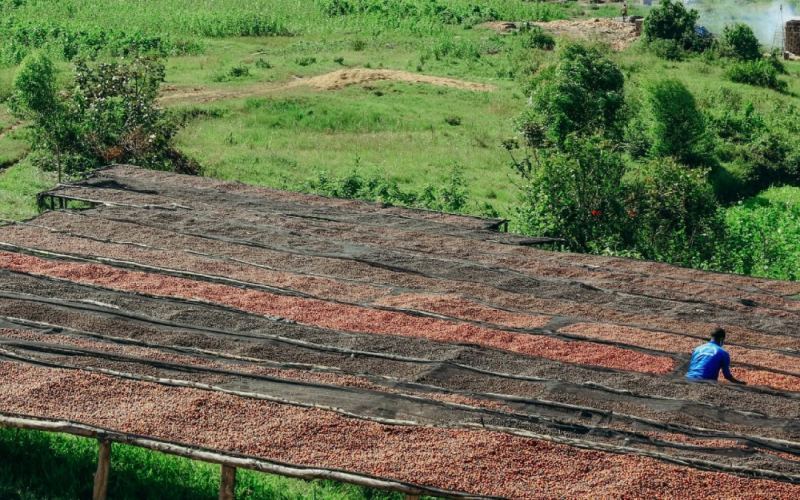
A Complete Analysis of Rwandan Coffee Bean Origins, Terroir, and Flavor Characteristics: From Varieties and Processing to Front Street Brewing Recommendations
Although Rwanda is a small landlocked country in Africa, it has gradually carved out a place for itself on the specialty coffee map thanks to its high altitude, volcanic soil and Bourbon-lineage varieties. This article systematically sorts out the causes of Rwandan coffee's flavor, from its geographical environment, historical evolution, main varieties and washed processing methods to the PEARL industry improvement program. Front Street Coffee has previously offered washed Rwanda Gaseke, whose cupping showed citrus, plum, nut and honey notes; this article also includes its recommended staged V60 brewing parameters for enthusiasts' reference. [more…]
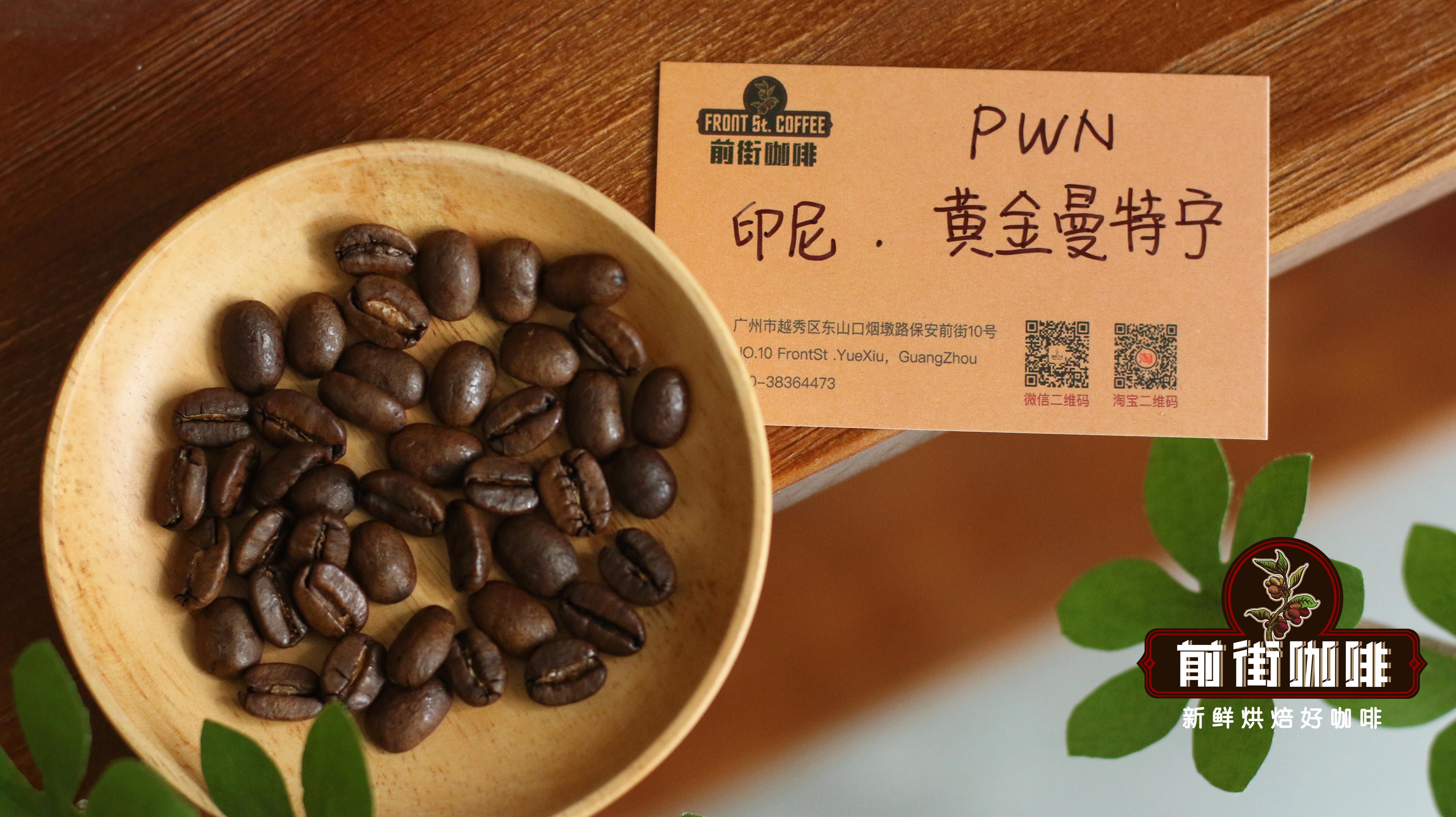
A Detailed Explanation of the Indonesian Golden Mandheling Grading System: G1 Standards, PWN Four-Time Hand Sorting, and a Guide to Avoiding Pitfalls When Buying
Mandheling is the calling card of Indonesian coffee, and Golden Mandheling is its premium representative. However, with the market flooded by a chaotic mix of Mandheling products, distinguishing the authentic from the fake and understanding the grading logic has become a source of confusion for many coffee enthusiasts. Starting from the regional characteristics of Front Street Coffee's Golden Mandheling, this article sorts through Indonesia's G1 grading system, which classifies beans by defect count, analyzes the rigorous four-round manual sorting standards of the PWN company, and introduces the reasoning behind its shift from Typica to Catimor varieties. At the same time, the article compiles three key pitfalls to avoid when buying Mandheling, helping readers make more rational judgments amid a dazzling array of products. [more…]