







Search Results for: water accumulation
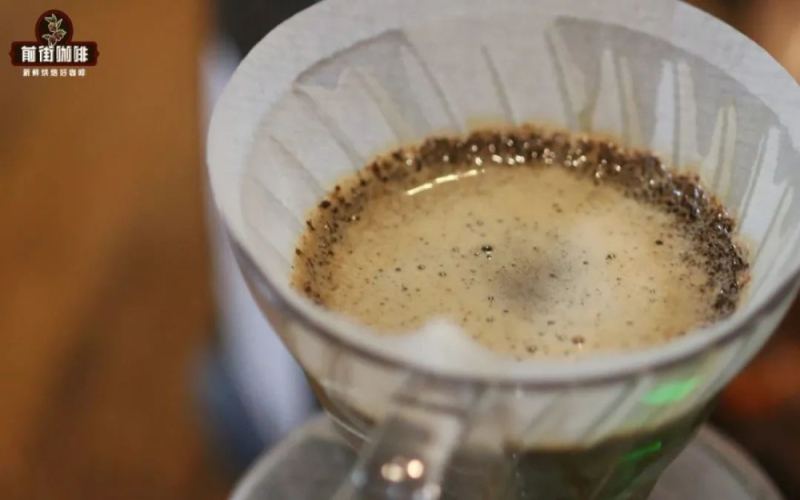
Three key time points for judging whether water accumulation will occur during the pour-over brewing process
One of the most frustrating problems in pour-over coffee is water pooling. Once clogging occurs in the final stage of brewing, the coffee's flavor often turns bitter and undrinkable. In fact, before the pouring is finished, there are several time windows where you can predict in advance whether pooling will happen. As long as you master these judgment methods, you can adjust your pouring strategy in time and avoid ending up in a passive position. This article will focus on three key time points—the degree of bloom expansion, the foam performance during pouring after the bloom, and the speed at which the water level drops before the final pour—to explain one by one how to identify the risk of pooling and give corresponding countermeasures. It will also introduce the ultimate solution when all methods fail—flow cutoff—and how to deal with the problems of overly high coffee concentration and missing flavor after flow cutoff. [more…]
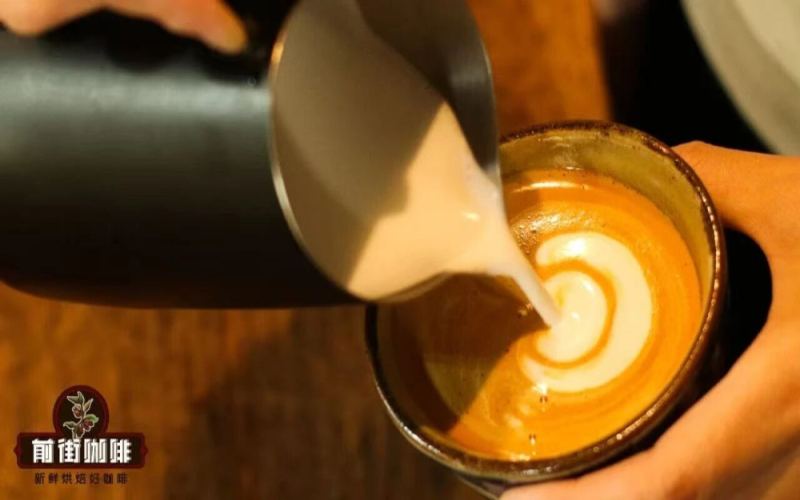
The Complete Maintenance Guide to Cleaning and Backflushing Semi-Automatic Espresso Machines
If a coffee machine is neglected for a long time, its extraction performance and flavor will gradually deteriorate. This article is aimed at semi-automatic espresso machines equipped with an independent brew head, and systematically outlines an actionable maintenance routine, from daily external wiping, cleaning the dispersion screen and portafilter, to backflushing with a blind basket, deep cleaning with cleaning powder, and regular maintenance of the dispersion screen, gasket, and boiler. It also recommends beans suitable for espresso extraction, such as Front Street Classic Blend, Commercial Blend, Dark Cocoa Base Blend, and Specialty Blend, to help you maintain consistent output whether for a café or home use. [more…]

Can a Coffee Grinder Be Washed with Water? A Detailed Guide to Daily Maintenance for Manual and Electric Grinders
Last week, Front Street Coffee shared nine details about brewing coffee, among which it mentioned that the grinder needs to be cleaned regularly. So a reader followed up with the question: Can a grinder actually be washed with water? To answer this question, we first need to understand the necessity of cleaning the grinder. The common grinding equipment on the market falls into two categories: manual and electric. Regardless of which type, the daily upkeep and regular maintenance of the burrs directly affect the service life. Accumulated coffee grounds not only cause flavor cross-contamination, but may also clog the passage. This article will detail the cleaning methods for manual and electric coffee grinders across three levels: daily quick cleaning, cleaning without disassembly, and regular deep cleaning, and will also remind you of the applicable conditions and precautions for washing with water. [more…]
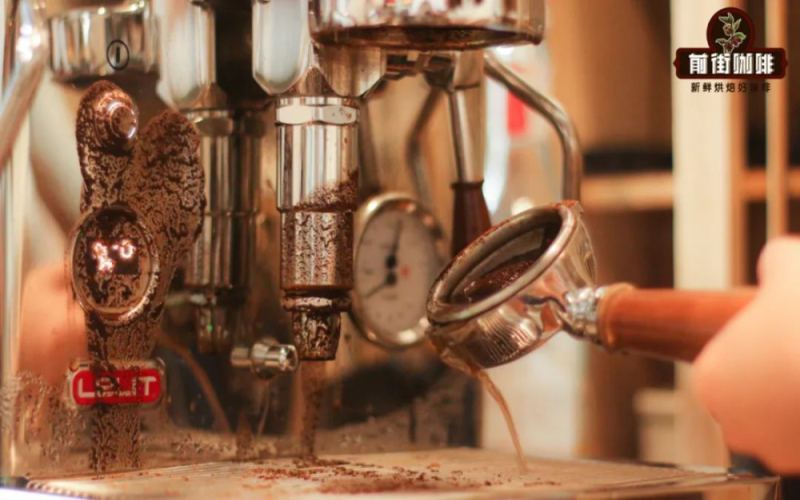
Why Does the Portafilter on an Espresso Machine Blow Off? Common Causes of Uncontrolled Extraction Pressure and How to Prevent Them
Front Street Coffee recently noticed that many coffee enthusiasts, when operating espresso machines, make some improper movements that cause the portafilter to suddenly fly out of the group head during or even after extraction, creating a scene that is both embarrassing and dangerous. This kind of machine blowout can, at best, dirty the equipment, and at worst, injure someone. What exactly causes the portafilter to be "blown" out? In this article, Front Street Coffee sorts out three common scenarios—when removing the portafilter, during espresso extraction, and when cleaning the coffee machine—analyzing one by one the causes such as improper pressure release, grinding too fine, overdosing, and not locking the portafilter tightly, and offering corresponding prevention and operating suggestions to help you enjoy espresso safely and steadily. [more…]

How can you tell if coffee beans are fresh? Practical observation methods from bloom puffing, crema thickness to flow rate and aroma
Whether coffee beans are fresh can actually be judged by many clues during the brewing process. Roasted coffee beans accumulate carbon dioxide, which gradually escapes over time, and the amount of carbon dioxide directly affects the blooming puff, the thickness of espresso crema, the water retention of the coffee bed and the flow rate, and also leaves traces in the aroma performance. From the perspective of Front Street, this article sorts out three practical methods for judging the freshness of coffee beans, explains the influence of factors such as roast level and variety on crema, and recommends Front Street Classic Blend, an espresso bean with rich crema and a fragrant flavor, to help you judge and choose more reliably. [more…]
What Is Bulletproof Coffee? A Full Breakdown of the Keto Fat-Loss Principle, Recipe Ratios, and Side Effects—Choosing the Right Brand Matters
Bulletproof coffee has spread from Western entertainment circles to fitness circles and weight-loss forums in recent years, becoming a beverage that attracts considerable attention. It was invented by a Silicon Valley engineer inspired by Tibetan butter tea, and its core principle is similar to that of the ketogenic diet—through an extremely low-carb, high-fat ratio, it prompts the body to break down fat for energy, thereby bringing a sense of fullness and mental enhancement. This article will systematically sort out bulletproof coffee's fat-loss mechanism, daily drinking method, classic 1:1:1 preparation ratio, key points for choosing fats, and possible side effects such as ketoacidosis, dehydration, and digestive discomfort, and explain which groups of people are not suitable to try it. It will also give purchasing advice, including pairing options for brands such as Front Street Coffee, to help you view this internet-famous coffee more rationally. [more…]
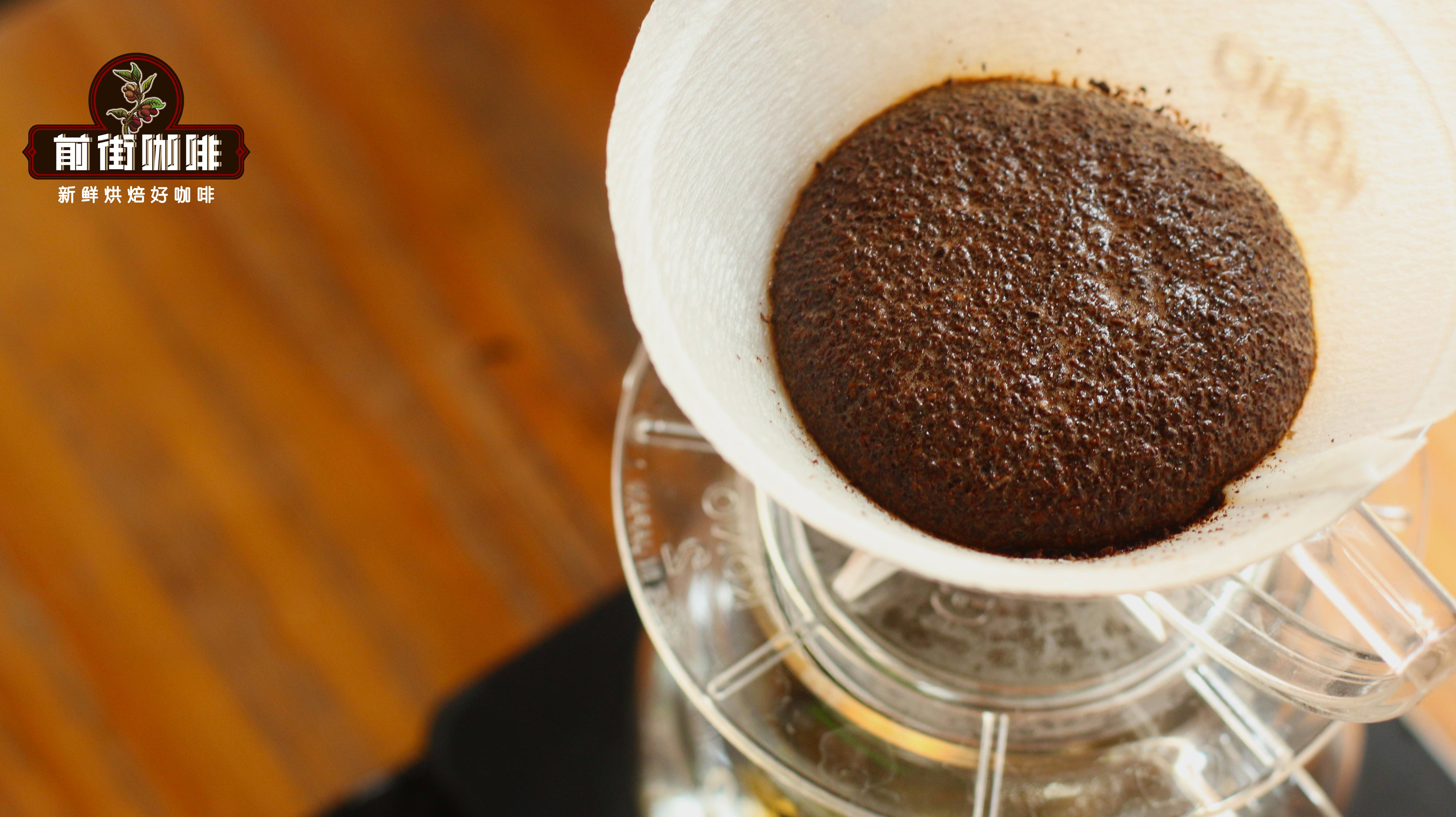
Why doesn't the coffee bed puff up during the bloom in pour-over? Understand the relationship between carbon dioxide and brewing parameters to easily achieve a full "hamburger" bloom
During a pour-over bloom, whether the coffee bed can puff up into a plump "hamburger" is a topic many enthusiasts care about. Some people use the same parameters yet always end up with a flat, deflated bed, and can't help wondering whether their bloom has failed. In fact, the principle behind the bed expanding isn't complicated: when coffee grounds contact hot water, they release carbon dioxide, and the bubbles accumulate within the bed, pushing it upward. Whether a pronounced dome forms mainly depends on the roast level and freshness of the coffee beans, as well as whether the brewing parameters are appropriate. Drawing on Front Street Coffee's brewing experience, this article breaks down the mechanism of bed expansion, explains the advantages of dark-roasted and fresh beans, while also cautioning about the extraction problems that overly fresh beans can cause, and offers recommendations on grind size, water temperature, and other parameters to help you read information about your coffee beans through the state of the bloom. [more…]
Sidamo Peach Santa Veni G1 Pour-Over and Cold Brew Parameters Explained: What Is the Flavor of the Red Cherry Project Like?
Ethiopia's harvest this year was delayed by about a month overall due to excessive rain, and it wasn't until the end of May that the first lot arrived—the Red Cherry Project. However, the later ripening period also allowed the coffee cherries to accumulate higher sweetness, and the flavor performance of the new harvest is richer than in previous years. This article focuses on the Sidamo Peach Santa Vini G1 launched by Front Street Coffee, covering everything from origin information and processing methods to specific pour-over and cold brew parameters, helping coffee enthusiasts reliably reproduce this bean's apricot, dark grape, and monthly rose aromas at home. [more…]

Complete Guide to Espresso Machine Backflushing: Water and Detergent Steps and Recommended Frequency
You dialed in your espresso extraction parameters in the morning, but by noon the flow has slowed and become unstable? Besides changes in humidity and switching beans, coffee residue built up inside the group head is often the culprit. Backflushing is the key method for removing this residue—using a blind basket to force water to flow backward through the lines, then combining it with cleaning powder to deep-clean stubborn coffee grime. This article explains in detail the procedures for water backflushing and cleaning-powder backflushing, the number of repetitions, and the daily maintenance frequency, helping baristas maintain stable extraction and avoid off-flavors getting into the cup. [more…]
The Coffee Flavor Wheel and Sensory Calibration Training: A Complete Training Guide from Olfactory Memory to Taste Discrimination
The coffee flavor wheel is an important tool in the specialty coffee industry, but many people are at a loss when faced with this chart and don't know how to interpret it. This article systematically sorts out the development background and practical value of the coffee flavor wheel, and provides an in-depth explanation of specific methods for sensory calibration training—from the daily accumulation of aroma memory to the dual perception mechanism of taste buds and mouthfeel in taste discrimination. Only by building a personal flavor memory bank through scientific training can you truly understand a cup of coffee. The article also introduces the working principles of the tongue's two types of receptors, as well as the material basis behind smoothness and astringency. If you want to improve your tasting ability, this training method is worth studying repeatedly. [more…]
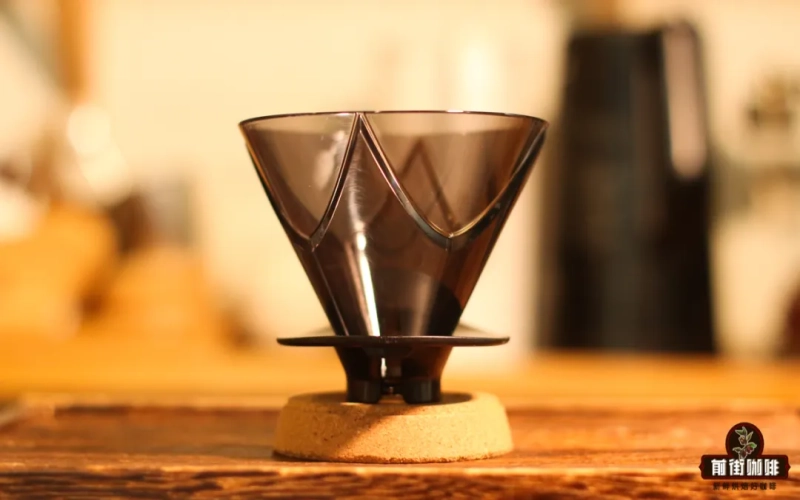
Why is the Hario V60 Infinite Cross Star Dripper called the Coffee Clever Cup? Key Points for Beginners Choosing a Dripper
Among the many pour-over drippers, the Hario Mugen dripper stands out with its unique inner wall design, and has even earned the nickname "the Clever Dripper of drippers." It shares the same lineage as the classic V60, yet takes a completely different extraction path—the V60 is known for its extreme flow rate, while the Mugen dripper goes the opposite way, using a ribless structure to create an extremely slow flow rate, keeping the coffee in a state of immersion throughout. How exactly does this design affect flavor? Why is it easier for beginners to master? This article will break down the structural principles of the Mugen cross-star dripper, its flow rate performance, and its similarities and differences with the Clever Dripper, while also offering practical dripper selection advice for those just getting started. [more…]
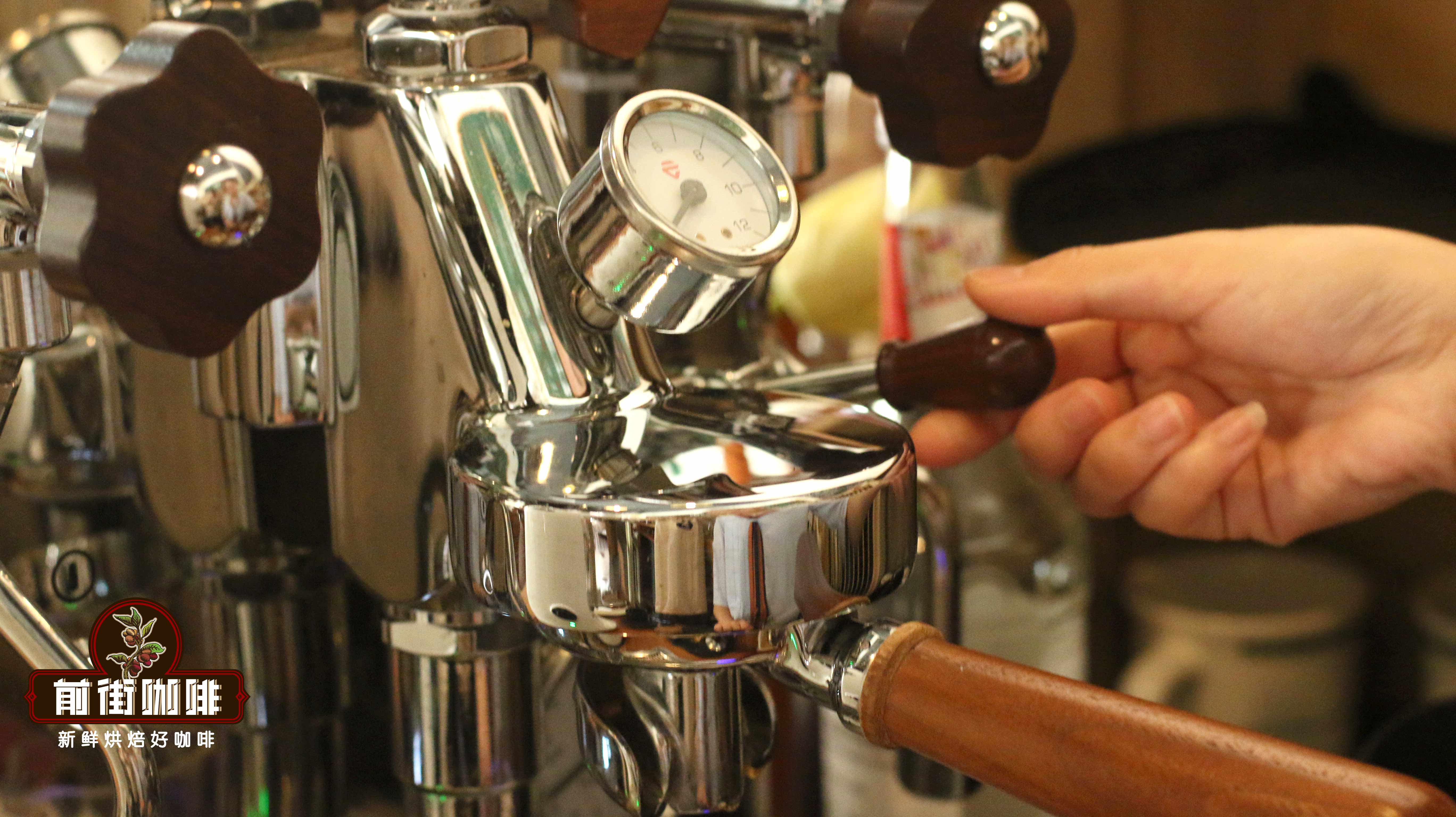
A Detailed Guide to Backflushing the Group Head of a Semi-Automatic Espresso Machine and Daily Maintenance Methods
The espresso machine is the core equipment of a coffee shop. Regular cleaning not only extends the machine's lifespan but also ensures the consistency of every cup produced. This article focuses on the key step of cleaning the interior of the group head, explaining in detail the specific procedures for quick cleaning, daily backflushing, and long-term maintenance. From judging residue on the dispersion screen to the backflush process using a blind basket with cleaning powder, and then to soaking the portafilter to remove oils, each step has clear requirements for timing and frequency. At the end, it also reminds readers that professional deep maintenance is needed every 1–2 years, making this a worthwhile reference for both coffee enthusiasts and industry professionals. [more…]
A Detailed Guide to Pour-Over Coffee Staged Extraction Techniques: A Full Breakdown of One-Pour, Three-Pour, and Three-Stage Brewing Steps
Among the many schools of pour-over coffee, single-pour, three-pour, and volcano methods each have their own characteristics, and the three-pour method is the classic example of staged extraction. By dividing the pour into several stages, staged extraction can present a richer sense of layering, clearly distinguish the flavors of the coffee's front, middle, and back sections, and at the same time reduce the chance of water escaping from the edge of the dripper, improving brewing stability. However, this technique also places higher demands on controlling flow rate and water volume. This article will use beans from Costa Rica's Pilon processing plant as an example to break down the steps of staged extraction in detail, and answer the common confusion about when to stop and when to pour again, helping you easily master this technique. [more…]
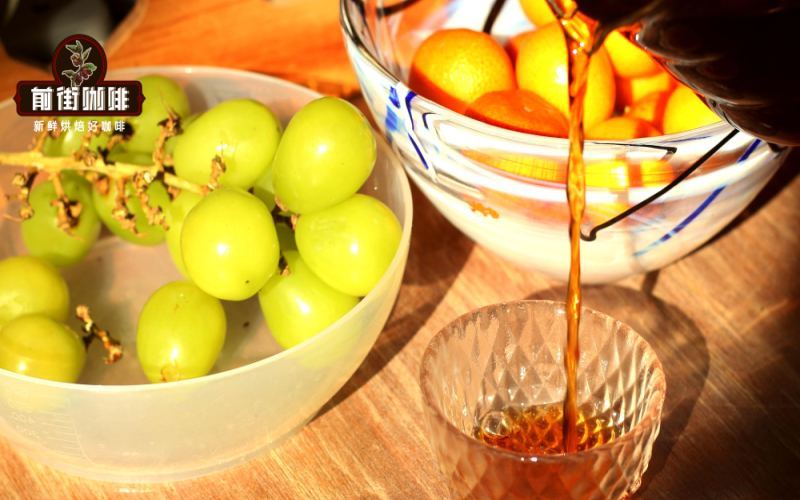
Introduction to Coffee Sensory Tasting | How Beginners Can Train Their Sense of Smell and Taste to Accurately Describe Coffee Flavors
People new to specialty coffee are often puzzled: why can others taste citrus, jasmine, oolong tea? Can a cup of coffee really have so many flavors? In fact, the key to identifying coffee flavors lies not in the taste buds, but in the sense of smell. This article will take you from the principles of sensory perception to understand how the taste buds and orthonasal and retronasal olfaction work together, introduce tasting dimensions such as aroma, sweetness, acidity, mouthfeel, flavor, aftertaste, and balance, and offer sensory-training methods that beginners can put into practice—building a flavor memory bank, making good use of the coffee flavor wheel, exercising associative thinking, accumulating through more exchanges, and paying attention to diet and upkeep. The article also combines examples from Front Street Coffee to help you build your own sensory system step by step. [more…]

From Smell to Touch: A Practical Path to Systematically Building Your Personal Coffee Sensory Skills
Coffee tasting goes far beyond taste—it is a coordinated experience of sight, hearing, touch, smell, and taste. This article starts from the interactive setting of a specialty coffee shop and delves into how to train and build your own coffee sensory system through daily accumulation and professional tools. You will learn how smell pulls on taste memory, how the tongue distinguishes the five basic tastes, how touch perceives body and smoothness, and how to use aroma kits such as the 36-aroma coffee nose and the 100-flavor flavor map for deliberate practice. Whether you are a coffee enthusiast or a professional, this method can help you read the flavors in the cup more clearly, making every tasting more enjoyable and more precise. [more…]
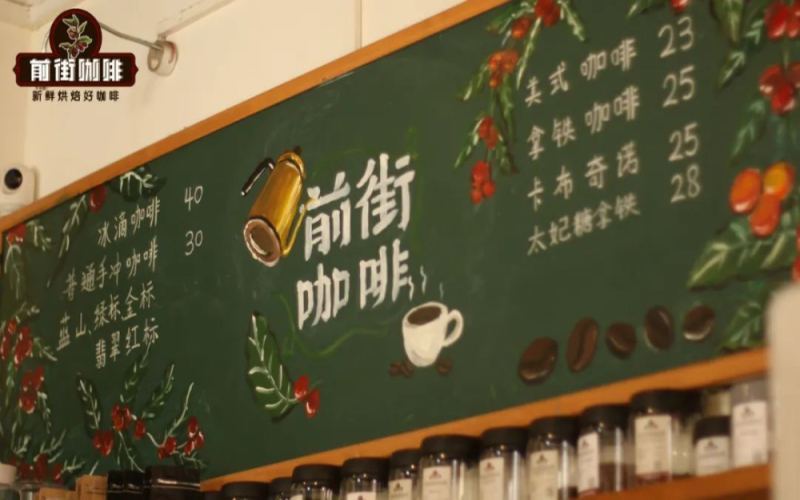
Why Is Cold Brew Priced Higher Than Americano? Analyzing the Differences Between the Two from Extraction Methods to Coffee Bean Selection
Among various types of black coffee, cold brew is often priced the highest, creating a stark contrast with the affordable Americano. This price difference is no accident—it stems from fundamental differences in extraction methods and the coffee beans used. Americano is based on espresso, simply diluted with water, making it flexible and quick to prepare; cold brew, on the other hand, encompasses various forms such as ice drip and cold steep, requiring long, slow extraction with ice water, which comes at a higher time cost. More crucially, Americano typically relies on dark-roasted commercial blend beans to accommodate milk coffee offerings, while cold brew often uses specialty beans with traceable flavors, which demand higher cultivation and processing standards, with costs accumulating layer by layer. This article will analyze the sources of the price difference between cold brew and Americano from three dimensions—water temperature, time, and beans—and share Front Street Coffee's bean selection recommendations for cold brew. [more…]
A Beginner's Guide to Freshly Ground Pour-Over Coffee: Equipment Selection, Brewing Steps, and a Practical Analysis of Indonesian Mandheling
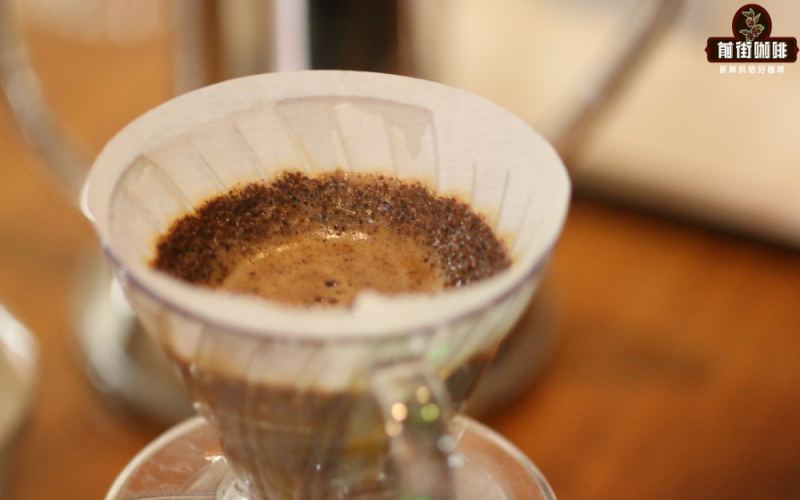
Pour-over coffee is a brewing method in which hot water is poured over ground coffee and extraction is completed through a dripper and filter paper, with the entire process typically lasting three to four minutes. Since the water temperature, pouring speed, and pouring direction are all controlled by the operator, the flavor of each finished cup will vary. Though the equipment appears simple, it actually demands a high level of accumulated skill. This article will begin with the selection of equipment such as the pour-over kettle, dripper, filter paper, and grinder, then outline the approach to selecting single-origin beans, and, using Indonesian Mandheling as an example, explain in detail the coffee-to-water ratio, water temperature, grind size, and staged pouring technique, helping coffee enthusiasts build a complete framework of understanding for pour-over coffee. [more…]
Grinder Maintenance Frequency and Cleaning Guide: How to Clean the Burrs of Manual and Electric Coffee Grinders
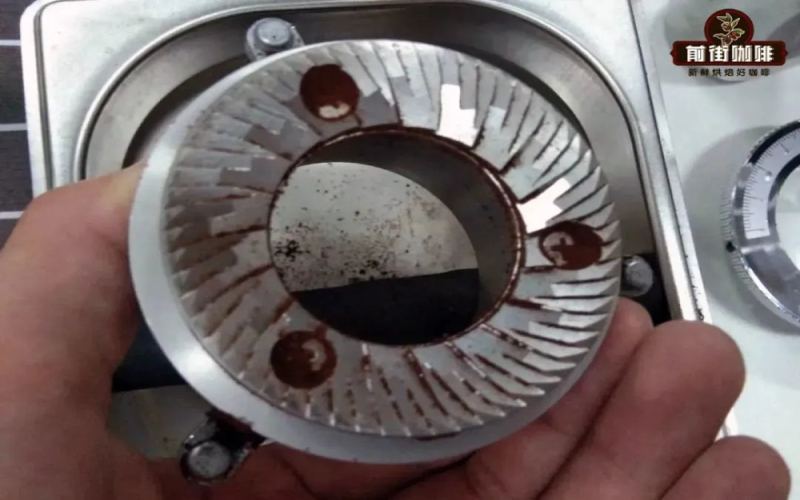
If you love brewing pour-over coffee at home, have you ever noticed that your brewed coffee tastes like it's mixed with other beans? This is very likely the work of fine powder residue left inside your grinder. Over time, static electricity causes fine powder to cling to the burrs, and the oils from dark-roasted beans build up as well. Before long, this not only affects flavor but can also clog the chute and shorten the machine's lifespan. So how exactly should you maintain your grinder? How often should you clean it? What's the difference between cleaning a hand grinder and an electric grinder? Can the burrs be washed with water? Front Street Coffee has put together a complete process, from simple daily cleaning to deep disassembly, to help you resolve all your grinder maintenance questions. [more…]
An In-Depth Analysis of the Guatemala Antigua Coffee Region: Volcanic Soil, Bourbon Variety, and a Distinctive Smoky Flavor
The Antigua region of Guatemala is renowned worldwide for its exceptional quality and layered flavors, where chocolatey sweetness intertwines with elegant acidity, and the distinctive smoky note in the finish is endlessly memorable. This land boasts over 300 microclimates and fertile volcanic soil, providing uniquely favorable conditions for coffee cultivation. Antigua primarily grows the Bourbon variety, and the high altitude with large temperature swings between day and night allows the coffee cherries to accumulate more sugars, extending the maturation period and making the flavor increasingly complex and rich. This article will guide you into the terroir secrets of the Antigua region, from volcanic ash soil to the flavors in the cup, exploring the mysteries of this fine brew. [more…]

Building Coffee Sensory Skills from Scratch: A Practical Training Path for Specialty Pour-Over Single-Origin Tasting and an Analysis of SCA Courses
Specialty coffee has developed into a complete knowledge system spanning everything from cultivation and processing to roasting and brewing, and tasting is an indispensable part of it. When faced with professional courses such as Q-Grader and SCA sensory tasting, how should beginners choose? This article offers practical training advice on three levels—accumulating experience through drinking more, distinguishing tastes before discussing flavor, and understanding how flavor is composed—to help coffee lovers gradually build their own flavor memory bank through everyday drinking and describe a cup of coffee's taste and aroma as accurately as a professional. [more…]