







Search Results for: traditional processing method
A Complete Guide to Coffee Bean Processing Methods: The Boundaries of Traditional Craft, Fermentation Innovation, and Special Processing Techniques
The processing method of coffee beans directly affects the flavor in the cup. From natural, washed, to honey processing, each traditional craft has its own unique expression. However, in the past decade, many processing methods claiming to be "special" have emerged in the coffee world. How exactly are they defined in relation to traditional methods? This article sorts out the characteristics and differences of common processing methods, explores the role of fermentation in tradition and innovation, and introduces the Red Plum processing method from Finca Paraiso in Colombia. Front Street Coffee is always happy to share coffee knowledge, hoping to let more people understand the logic behind processing methods and drink the best coffee at the lowest price. [more…]
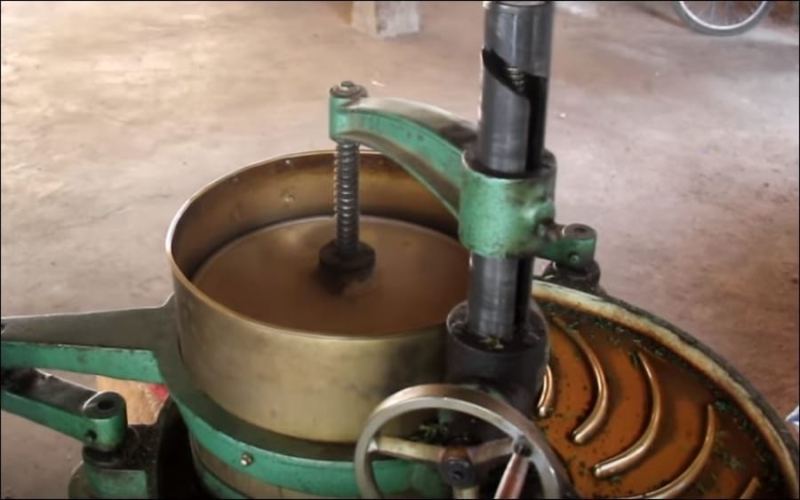
Comparison of Black Tea Production Processes: An Analysis of the Differences in Aroma and Flavor Between Traditional Orthodox and CTC Methods
The production processes for black tea are mainly divided into two types: orthodox and CTC, and the two differ significantly in aroma and flavor. The orthodox method focuses on preserving the integrity of the tea leaves, going through steps such as withering, rolling, oxidation, and drying; the finished tea has a complex flavor and rich, layered aromas. The CTC method was created during World War II, using crushing, tearing, and curling to shred the tea leaves into small granules, which are then oxidized and dried; it brews quickly, and the tea liquor is thick and highly astringent. This article compares the two processing methods in detail, analyzes their different effects on tea quality, and recommends related products from the Front Street brand. [more…]
What is the difference between traditional black tea and CTC broken black tea? Which is more worth drinking? Includes a CTC broken black tea brewing tutorial
Friends who love drinking black tea have probably all come across the term CTC. How exactly does it differ from traditional black tea? The core difference between the two lies in their production methods—the traditional method emphasizes plucking, withering, rolling, oxidation, and drying, with intricate and elaborate steps; CTC, on the other hand, relies on machines to complete crushing, tearing, and curling in one go, making it fast and low-cost. These processing differences directly determine the flavor direction of the finished tea: CTC is intense and powerful, prone to bitterness, and suitable for milk tea or masala chai; traditional black tea has delicate layers, suitable for drinking plain or with lemon. This article will break down each step of the two processing methods one by one, analyze their respective taste characteristics and quality levels, and tell you how to make a choice based on your drinking scenario, with a brewing tutorial for CTC black tea fannings attached at the end. [more…]

A Complete Guide to Anaerobic Coffee Processing: Key Differences from Traditional Natural and Washed Methods and Flavor Expression
Anaerobic coffee has been appearing on coffee bean lists frequently in recent years. Although many people have tried it, they only have a vague understanding of its specific process, and some even develop an aversion to it due to unfamiliarity. In fact, anaerobic processing is not as complicated as imagined. In most cases, it simply adds an extra anaerobic fermentation step before traditional natural or washed processing. The depth of fermentation is precisely the key that determines the direction of coffee flavor. From the perspective of Front Street, this article sorts out the basic principles of anaerobic processing, common methods, and their connection with traditional processing. Combined with three specific beans, it helps readers understand the flavor differences brought by different anaerobic treatments, so they can find the cup that suits their taste. [more…]

A Detailed Guide to Coffee Washed Processing: From Traditional Wet Processing to the Process Differences of K72 and Double Washed
As one of the most traditional methods of processing green coffee, the washed method has long been favored by coffee enthusiasts for the cleanliness and consistent quality that come from the depulping and washing steps. With the growth of specialty coffee, a variety of new names have appeared on the market, such as "double washed," "K72 washed," and "dry-fermented washed." How exactly do they differ from traditional washed coffee? In this article, from the perspective of Front Street, we will trace the historical origins and process characteristics of the washed method, and then examine one by one the fermentation details and flavor profiles of these derivative processing methods, helping readers more clearly understand how different washed processes affect the coffee in the cup. [more…]

A Complete Guide to the Washed Processing Family: Process Differences from Traditional Wet Processing to Double Washed, K72, and Dry Fermentation
As the most classic method of green bean processing, the washed method has won the favor of many coffee lovers with its outstanding cleanliness. With the development of specialty coffee, new names such as double washed, K72 washed, and dry-fermented washed have emerged on the market. How exactly do they differ from conventional washed processing? This article will start with the historical origins of the traditional wet process and gradually break down the operational procedures and flavor characteristics of these derived techniques, helping you clarify the logic behind different washed methods. Front Street Coffee will also combine its own production experience to help you understand how the fermentation stage shapes the acidity and sweetness of a cup of coffee. [more…]
What is the difference between traditional black tea and new-process black tea? Which has a better taste, traditional Dianhong or sun-dried black tea?
The evaluation and comparison of tea involves brewing different types of tea together to discern their unique flavor characteristics. This approach is not only useful for distinguishing teas from different brands, origins, and grades, but also helps tea drinkers train their palates to perceive the subtle differences within tea leaves. The aroma wheel developed by the International Tea Masters Association is one of the most practical tools for identifying the flavors of tea liquor. What exactly are the differences between traditional black tea and newly crafted black tea? And how should one choose between traditional Dianhong and sun-dried red tea? Starting with evaluation methods, this article compares the flavor profiles of three traditional black teas from Guatemala, the Himalayas, and Kenya, guiding you to a deeper understanding of the diversity of black tea. [more…]
A Comprehensive Analysis of Kenya's Double Washed Process: Operational Workflow, Flavor Changes, and Comparison with K72 and Dry Fermentation
As one of the most traditional green bean processing methods, the washed process significantly enhances coffee quality and cleanliness through its depulping and washing steps, making it highly favored by enthusiasts. With the rise of the specialty coffee wave, new terms such as double washed, K72 washed, and dry fermentation washed have emerged endlessly—how exactly do they differ from traditional washing? From the perspective of Front Street, this article first traces the historical origins and procedures of traditional washing, then delves into the origins, operational details, and flavor expression of Kenyan double washing, and further introduces the characteristics of K72 washed and dry fermentation washed, helping readers understand how variables such as soaking time and number of soaks in the fermentation stage shape the final flavor of coffee. [more…]
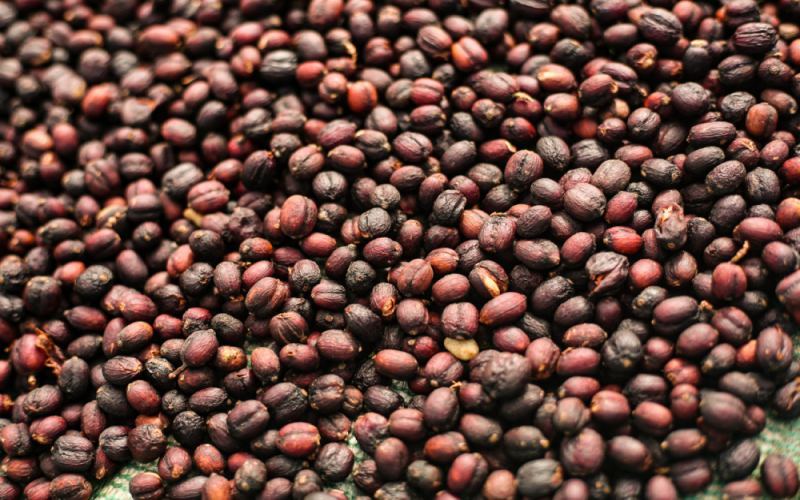
A Complete Guide to Coffee Bean Processing Methods: Traditional Natural vs. Specialty Natural and Five Single-Origin Pour-Over Recommendations
The flavor of coffee beans depends largely on the processing method, and among these, the natural process is one of the oldest and most representative methods. This article first introduces the basic workflow of traditional natural processing, its advantages and disadvantages, and its impact on flavor, then takes a deeper look at the detailed steps and unique taste of fine natural Yirgacheffe. After that, we recommend five widely praised specialty natural coffee beans for coffee lovers, including Front Street Natural Red Cherry, Huakui, Yunnan Typica, Hacienda La Esmeralda Diamond Mountain, and Fazenda Rainha, along with the region, estate, altitude, variety, and flavor description of each bean, to help you understand the charm of natural coffee more systematically. [more…]
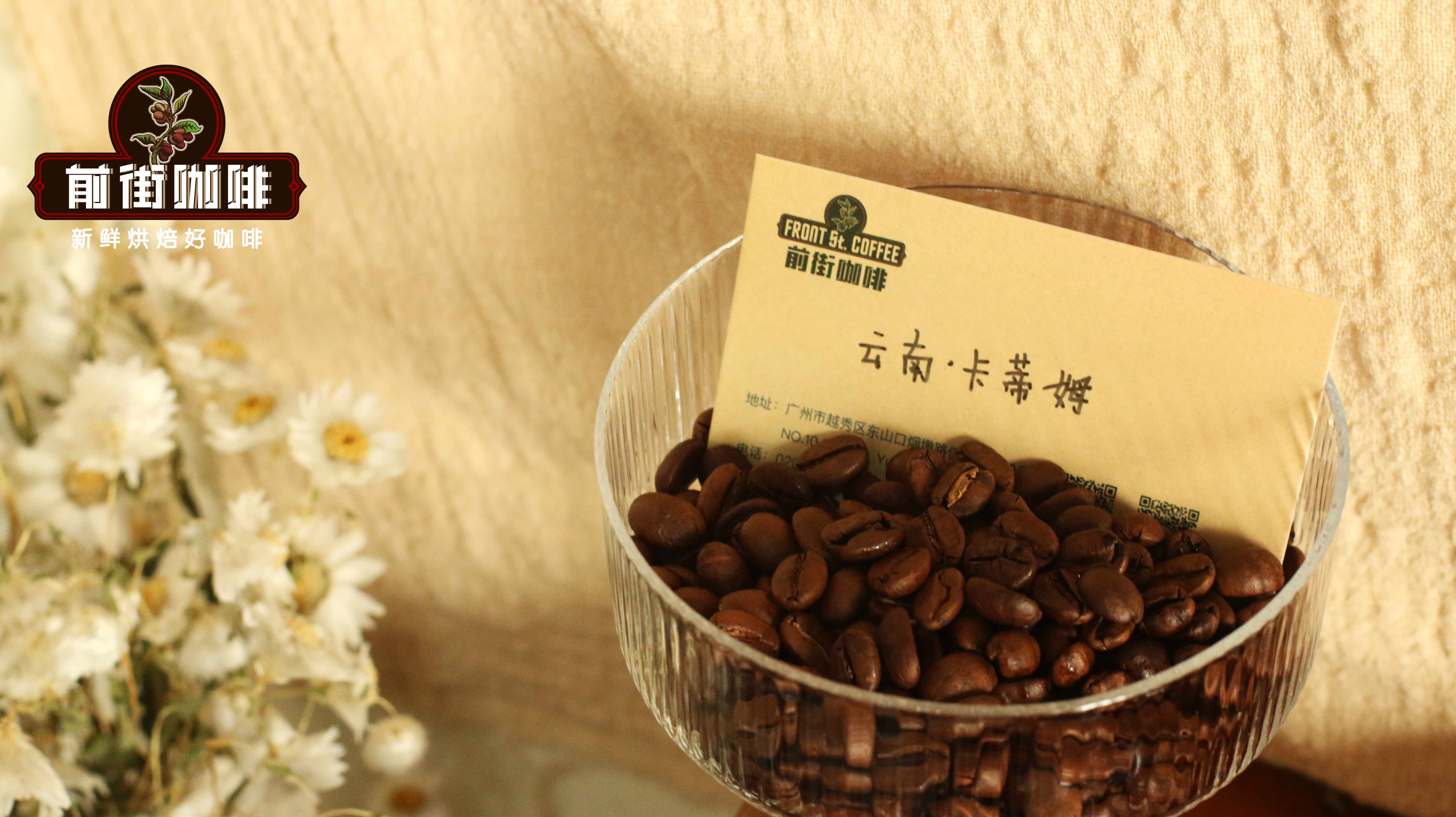
How Does Typica Differ from Catimor? A Comparative Analysis of the Varietal Flavors and Brewing of Yunnan Baoshan Coffee Beans
In the Yunnan coffee market, the Catimor variety accounts for the vast majority. To mask some of Catimor's inherent flaws, many producers turn to special processing methods to reshape the flavor, but Front Street Coffee has always held that relying on processing methods to alter coffee's performance is not a sustainable strategy—consumers mostly approach special processing methods with a curiosity for novelty, while traditional processing methods are what they are truly willing to accept long-term. If traditional processing methods are applied to Catimor, it can also present a pleasantly enjoyable cup after brewing. So how can the public be left with a good impression when drinking traditionally processed Yunnan coffee? The answer is to start from the source—the variety. At its Baoshan estate in Yunnan, Front Street primarily cultivates Typica, precisely in the hope of leading by example and driving a transformation in the image of Yunnan coffee. This article will compare the actual differences between the two varieties, Typica and Catimor, from multiple angles including cultivation yield, estate environment, and brewing flavor. [more…]
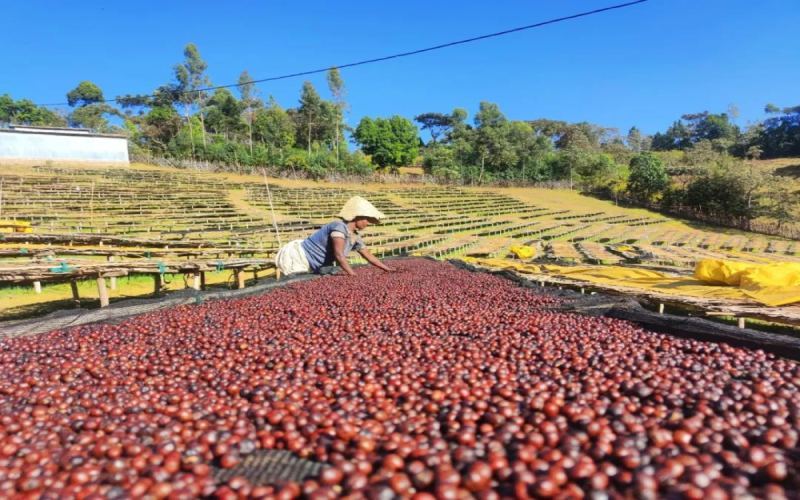
Analysis of the Natural Process Workflow and Flavor Characteristics: A Beginner's Guide to Green Coffee Processing from Traditional to Specialty Natural
The final flavor profile of a cup of coffee is determined not only by variety and origin, but also by the way the green beans are processed. As one of the oldest coffee processing methods, the natural process has re-emerged as a focal point in the specialty coffee world in recent years, thanks to its rich fruity aromas and full-bodied sweetness. This article, from the perspective of Front Street, systematically walks through the complete steps of the natural process, compares traditional natural processing with refined natural processing, explains in detail each stage from picking and sorting, drying, to hulling and storage, and introduces two representative Front Street natural-processed coffee beans — Huakui and the 2013 Typica — to help coffee enthusiasts fully understand the appeal of the natural process. [more…]

Analysis of the Three Major Branches of Washed Coffee: Differences Between Traditional Washed, Double Washed, and Dry Washed Processing and Kenyan Flavor Characteristics
Coffee processing methods go far beyond just traditional washed—branches like dry washed and double washed each have their own intricacies. Traditional washed was born in 19th-century Jamaica, using a depulper and abundant water to shorten drying time, resulting in a clean, transparent cup; double washed originated in Kenya, adding an extra soaking step that gives rise to the K72 process and a full-bodied tomato and dried plum profile; dry washed, meanwhile, replaces large amounts of water with fermentation tanks, yielding flavors similar to honey processing. This article breaks down the origins, procedures, and flavor differences of these three washed methods one by one, and includes recommendations for Front Street Coffee's washed beans to help you find the cup that suits you. [more…]
Sun-Dried Processing Method Explained: Flavor Evolution from Traditional Drying to the Red Cherry Project and Key Brewing Points
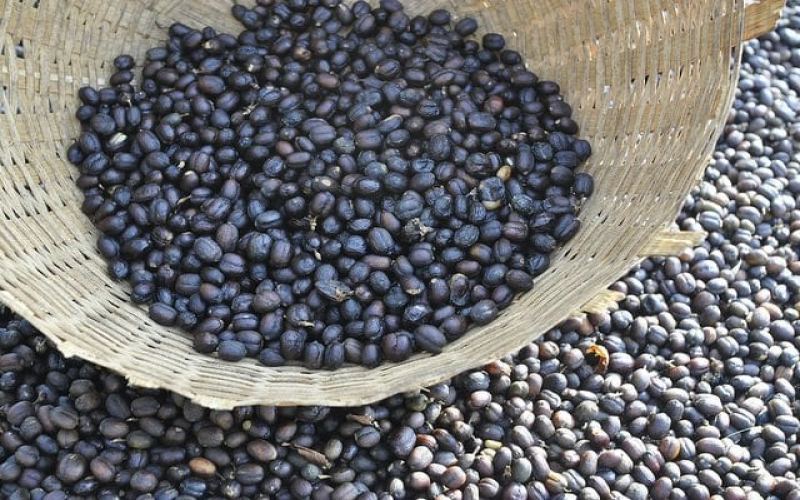
As the oldest method of processing green coffee, the natural process uses sunlight to dry the whole coffee cherry together with its pulp, giving the beans intense tropical fruit notes and fermented sweetness. However, traditional natural processing often carried defective flavors due to lax quality control, and it was only in recent years, driven by the specialty coffee wave and Ethiopia's Red Cherry project, that natural processing moved toward refinement. This article will outline the principles of the natural method, its historical evolution, and the modern operational workflow, and will use Front Street Yirgacheffe Red Cherry natural beans as an example to analyze their flavor characteristics and brewing parameters, helping enthusiasts fully understand the unique appeal of this processing method. [more…]
An In-Depth Analysis of the Natural Process: Advantages, Disadvantages, and Flavor Evolution from Traditional Sun-Drying to Slow Fermentation
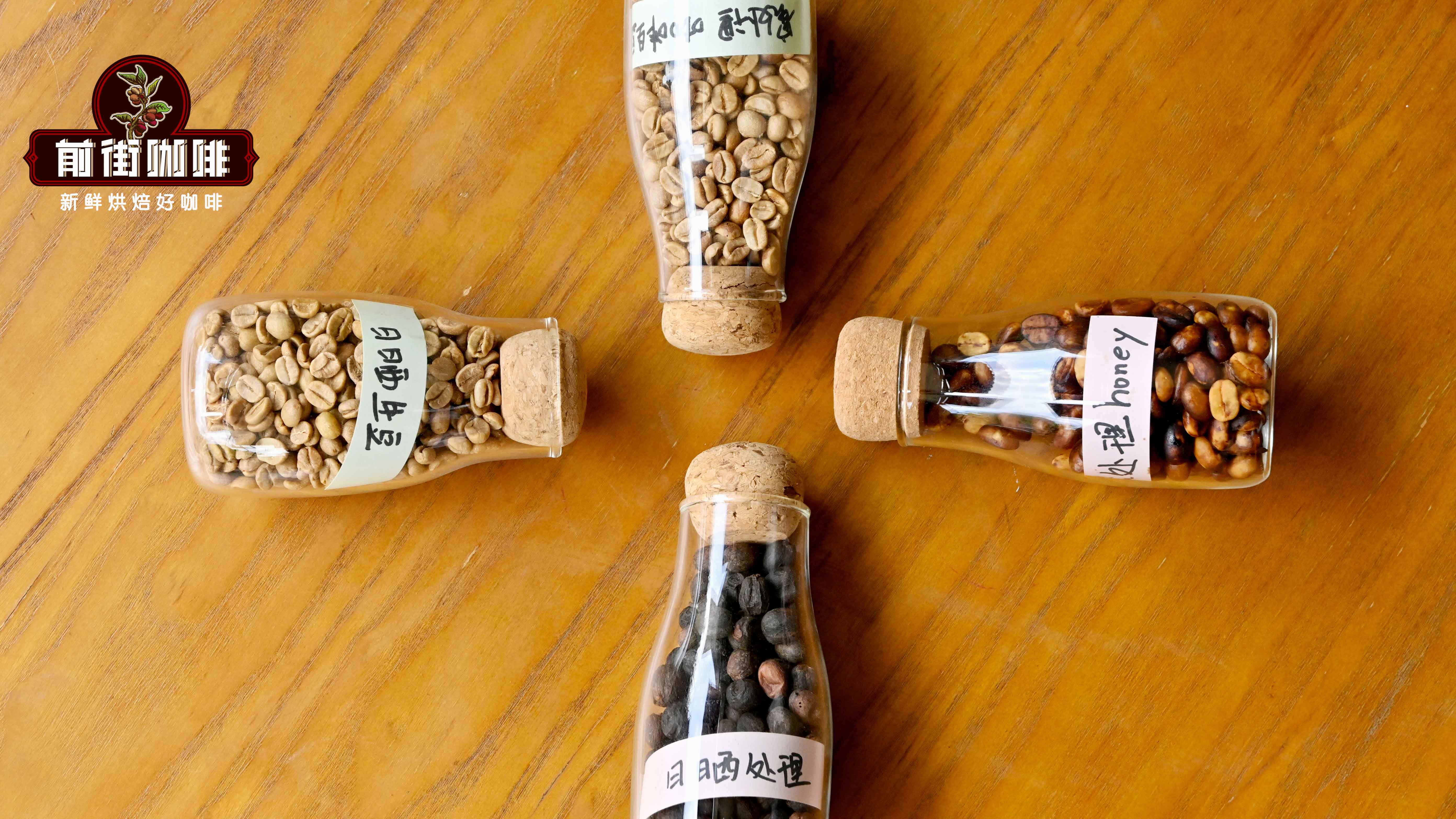
The natural process is the oldest method of coffee processing, allowing the fruit to dry naturally while the beans mature inside the pulp, resulting in intense flavor and prominent sweetness. Today, the natural process has been refined, from African raised beds to single-layer slow fermentation, greatly improving quality and even becoming the top choice for competition-grade coffee. This article will guide you through a comprehensive understanding of the natural process's operational flow, flavor advantages, traditional flaws, and modern improved techniques, and recommend freshly roasted beans such as Front Street Natural Huakui and Front Street Red Cherry, allowing you to understand the unique charm of naturally processed coffee from theory to practice. [more…]
A Comprehensive Analysis of the Natural Process: From Traditional Drying to the Flavor Code of Specialty Coffee
The natural process is the oldest method of processing coffee beans, drying coffee cherries together with their pulp under the sun, known in English as Natural. This processing method maximizes the retention of sugars and aromas in the pulp, giving the coffee beans rich tropical fruit flavors, full-bodied fermentation notes, and sweetness. However, traditional natural processing was once heavily criticized for inconsistent quality control, until the rise of the specialty coffee wave, when refined natural processing techniques revived this ancient method. This article will guide you through the principles of the natural process, its historical evolution, the revolutionary significance of the Red Cherry Project, as well as recommendations and brewing parameters for several Front Street natural process coffee beans, allowing you to deeply experience the unique charm of natural coffee. [more…]
Ethiopian Coffee Traditions: Analyzing the Fruity Flavors of Natural Beans and the Clay Pot Brewing Method
Ethiopia is the birthplace of coffee, and locals still carry on an ancient and complete set of methods for making and drinking coffee. From gathering naturally fallen cherries and insisting on sun-drying, to repeatedly boiling the beans in a clay pot with frankincense and spices, the entire process is full of ritual. This traditional method allows the coffee beans to absorb more of the aroma of the fruit pulp, resulting in a finished cup that is rich in fruity notes and thick in mouthfeel. This article will guide you through the sources of Ethiopian coffee's flavor, the brewing process, and the unique hospitality customs, so you can appreciate the hours of cultural accumulation behind a single cup of coffee. [more…]
Brazil Corner Farm Honey-Process New World: Rainforest Alliance Certified and Hand-Sorted Specialty Coffee Flavor
This Brazil Corner Farm honey-processed New World coffee from Front Street Coffee comes from the western side of the Mantiqueira Mountains in southern Minas Gerais, at 1,100 to 1,350 meters above sea level. The farm has been growing coffee since 1896 and is now run by the fourth generation of the Magalhães family. It received Rainforest Alliance certification in 2006 and uses semi-washed honey processing with natural sun drying. This place preserves pristine forest with high coverage, follows sustainable agriculture and labor rights standards, and hand-sorts beans to ensure quality. This article will introduce its producing region background, variety information, farm history, and processing methods, giving you an understanding of this Brazilian specialty coffee that combines tradition and innovation. [more…]

The African Coffee Association calls for increasing the share of specialty process coffee exports and reducing traditional process exports.
At the 20th African Fine Coffee Conference held in Addis Ababa, officials from the African Coffee Association (AFCA) issued a clear call to traders: efforts should focus on promoting the export of specialty-processed coffee and gradually reducing the share of traditionally processed coffee in the international market. AFCA pointed out that Africa possesses world-class coffee resources, yet weak marketing and a single processing approach have made it difficult for growers to obtain fair returns. To change this situation, the association recommends that exporting countries strengthen brand building, upgrade processing technology, and pay close attention to external factors such as the EU Deforestation Regulation. Africa's coffee industry stands at a crossroads of transformation, and how to break through amid climate change and market access challenges has become the focus of attention for all parties. [more…]

An Analysis of Ethiopian Coffee Culture and Traditional Drinking Methods, with a Complete Overview of Regional Flavors and Processing Methods
Ethiopia is not only the birthplace of coffee, but also treats coffee as a carrier of culture and faith. From the legend of Kaldi the shepherd to the rich aroma every morning, from traditional brewing in the Jebena clay pot to the blessings of the three-round coffee ceremony, Ethiopians have preserved coffee in its most primordial purity. This article will take you deep into Ethiopia's coffee culture, its pastoral cultivation model, the distribution of its nine major producing regions, and the influence of washed and natural processing on flavor. At the same time, Front Street Coffee's many Ethiopian bean offerings, such as the Dinding Cooperative, Red Cherry, and Huakui, will also showcase for you the classic Ethiopian flavors of citrus, berries, and floral notes. [more…]
The Evolution of Ethiopian Natural Processing: From Traditional Natural to Refined Natural, How Does the Flavor of Hambela Huakui Differ?
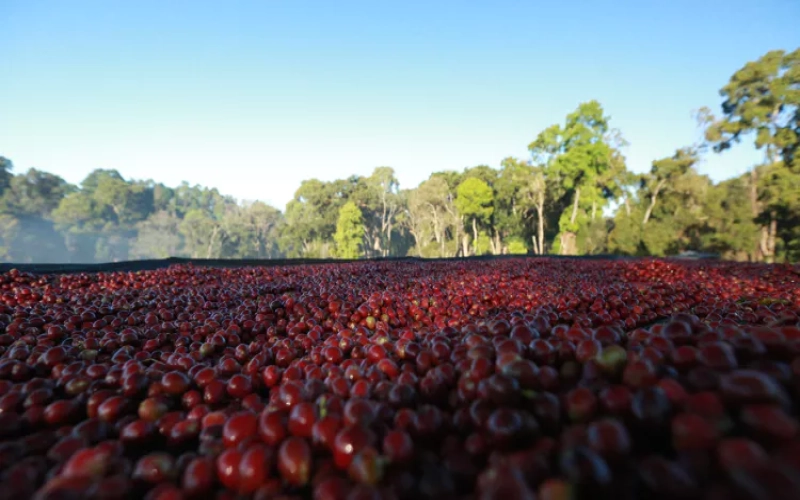
Coffee processing methods have a decisive influence on flavor direction. As the oldest processing method, natural drying has evolved from crude and rough to refined and controllable. From the perspective of Front Street Coffee, this article sorts out the basic principles and historical limitations of natural processing, compares the quality differences between traditional natural processing and refined natural processing, and uses the Hambela G1 coffee from the Guji zone of Sidama, Ethiopia, as an example to analyze how natural processing gives coffee a full body and dark berry notes. It also includes Front Street Coffee's brewing parameters and technique suggestions to help enthusiasts better present the fruit acidity and sweetness of naturally processed beans. [more…]