







How Do the Three Washed Coffee Processing Methods Differ?
Traditional, double, and dry washed are three variants of washed coffee processing that differ in procedure and flavor. Traditional washed uses a pulper and abundant water to strip the skin, pulp, and mucilage before drying, giving a clean, transparent cup. Double washed, from Kenya, adds an extra soaking step that gives rise to the K72 process and full-bodied tomato and smoked plum notes. Dry washed replaces large amounts of water with fermentation tanks, yielding flavors similar to honey processing.
The washed method was born of necessity in 19th-century Jamaica, then one of the world's major coffee producing countries. As an island origin with shorter daylight hours than most, Jamaica struggled with natural processing, in which whole cherries dry in the sun for around three weeks and spoil easily. Removing the fruit before drying cut the moisture around the beans and compressed drying time, an advance made practical by the invention of the pulper.
Coffee processing methods go far beyond the traditional washed process—branches like dry-washed and double-washed each have their own intricacies. The traditional washed process was born in 19th-century Jamaica, using a pulper and abundant water to shorten drying time, resulting in a clean, transparent cup; the double-washed process originated in Kenya, adding an extra soaking step that gives rise to the K72 process and a full-bodied tomato and smoked plum character; dry-washed, meanwhile, replaces large amounts of water with fermentation tanks, yielding flavors similar to honey processing. This article breaks down the origins, procedures, and flavor differences of these three washed methods one by one, and includes Front Street washed bean recommendations to help you find the cup that suits you.
If you follow coffee processing methods, you've surely noticed: beyond the most common washed process, there are also several washed derivatives on the market, such as dry-washed and double-washed. How exactly do these branches differ from the traditional washed process? Before diving into the comparison, it's worth first getting the ins and outs of the traditional washed process straight.
Washed Processing
Before the 19th century, coffee cherries were almost exclusively processed by the natural (dry) method. The approach was quite simple—spread freshly picked coffee cherries out like sun-drying peanuts and leave them in direct sunlight to dry.
But this method's shortcomings are obvious: the skin, pulp, and mucilage have a high moisture content, so drying often takes around three weeks. If a producing region already gets insufficient sunlight hours, the drying period stretches even longer, and the coffee cherries are highly prone to spoilage during this time.
Jamaica was one of the world's major coffee-producing countries at the time, and it suffered precisely from a shortage of sunlight. As an island-climate producing region, its daylight hours are shorter than most origins. To reduce the risk of coffee spoilage, the washed process was born.
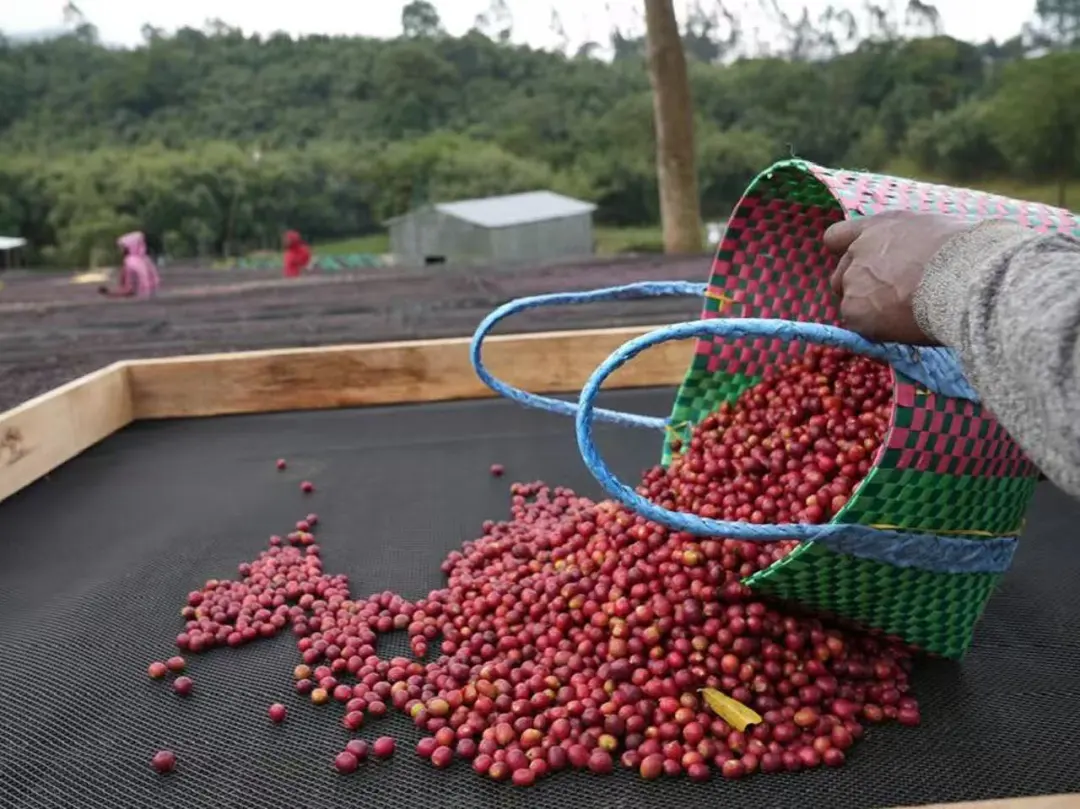
The most fundamental difference between washed and natural is that the skin, pulp, and mucilage are all removed before drying, thereby reducing the moisture wrapping the coffee beans and compressing the drying time.
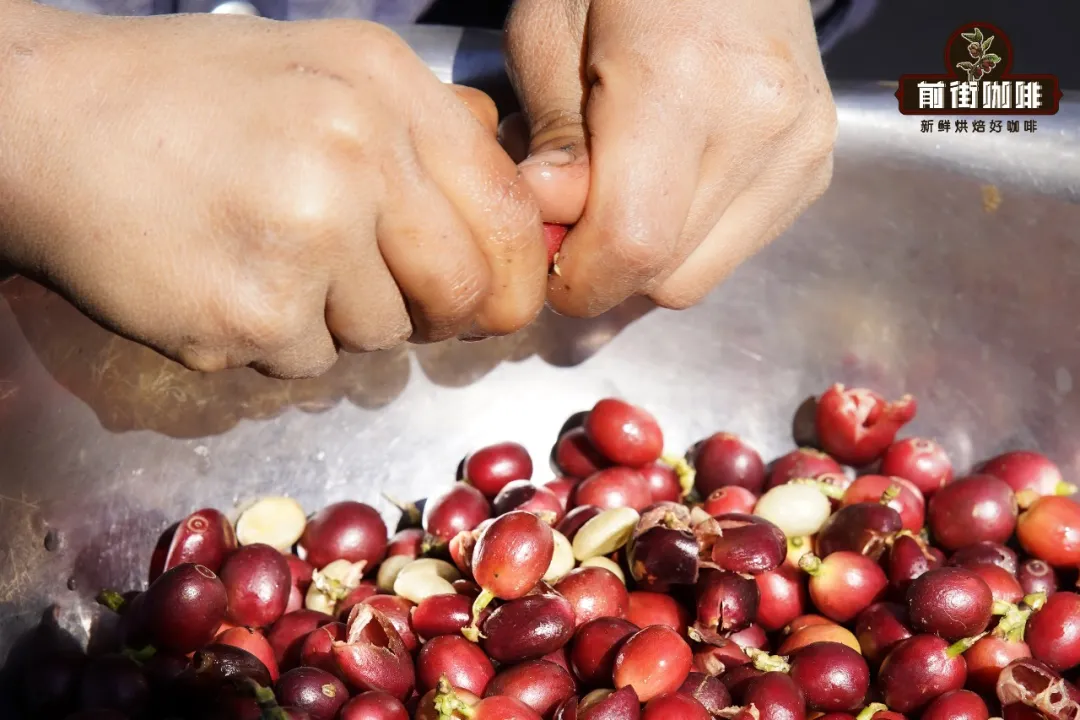
The implementation of washed processing, however, depended on the invention of the pulper—removing coffee cherry skins in large quantities within a short time is nearly impossible by hand. Front Street once tried hand-peeling a whole bucket of coffee beans at Front Street's Yunnan coffee estate—not only did it take forever, but it also took a real toll on the hands.
So in the mid-19th century, the coffee pulper took the stage of history. The first to enjoy the benefits of this machine was precisely Jamaica in the West Indies, where it was invented. That's why the washed process "Wet Process" was also called the West Indian Process in its early days.
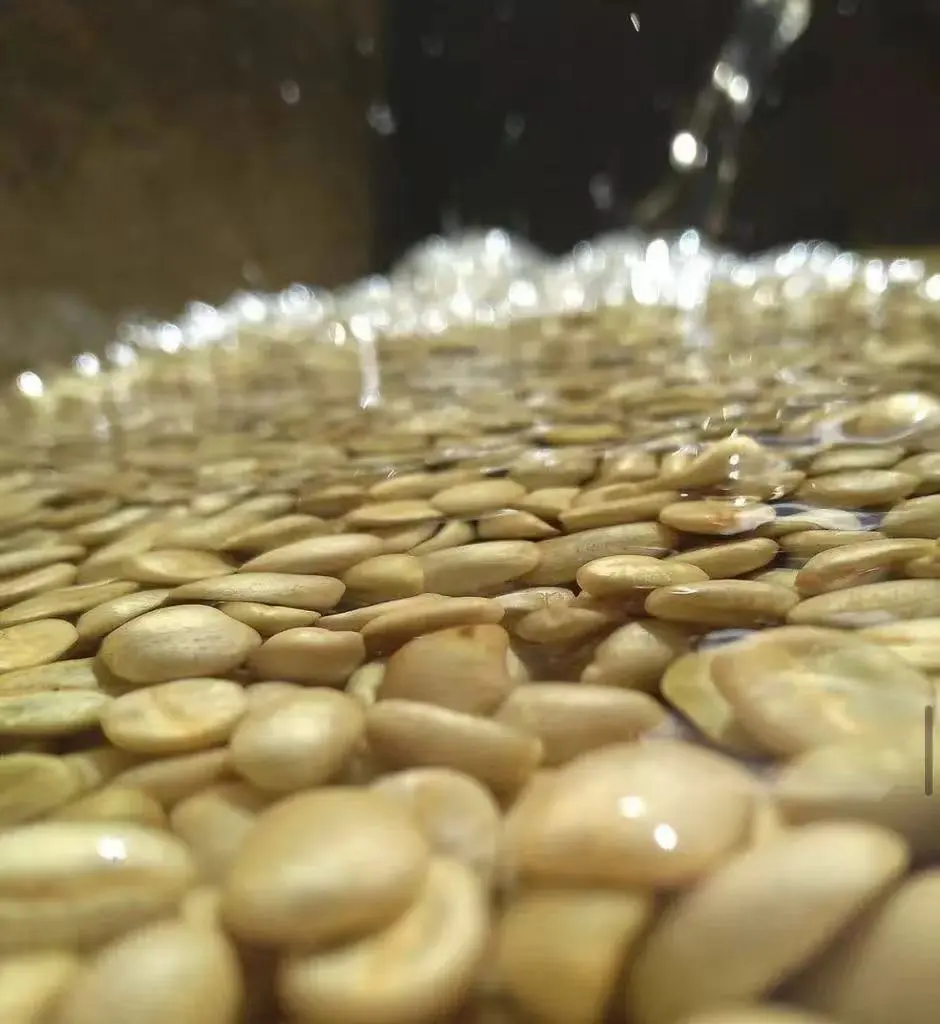
Besides the pulper, washed processing also relies on abundant local water resources—the entire process requires large amounts of clean water to soak the beans and remove mucilage, so not all producing regions have the conditions to carry out washed processing.
The complete washed process is: flotation → pulping → soaking the coffee beans in water → washing away the mucilage remaining on the bean surface with water → drying the coffee beans → hulling and storage.
Because the skin, pulp, and mucilage have already been removed, drying takes only about a week. With fewer substances participating in fermentation and a lower degree of fermentation, washed beans present an extremely clean baseline, allowing the coffee's own flavors to come through clearly.
Front Street's Yirgacheffe G1 Konga is washed processed and paired with a medium-light roast—clean and crisp on entry, with a distinct regional character. It strikes a balance between acidity and sweetness, weaving together delicate floral notes, fresh lemon, and clean green tea, with a light body and a long finish. It's a thoroughly likable washed bean.
Double Washed
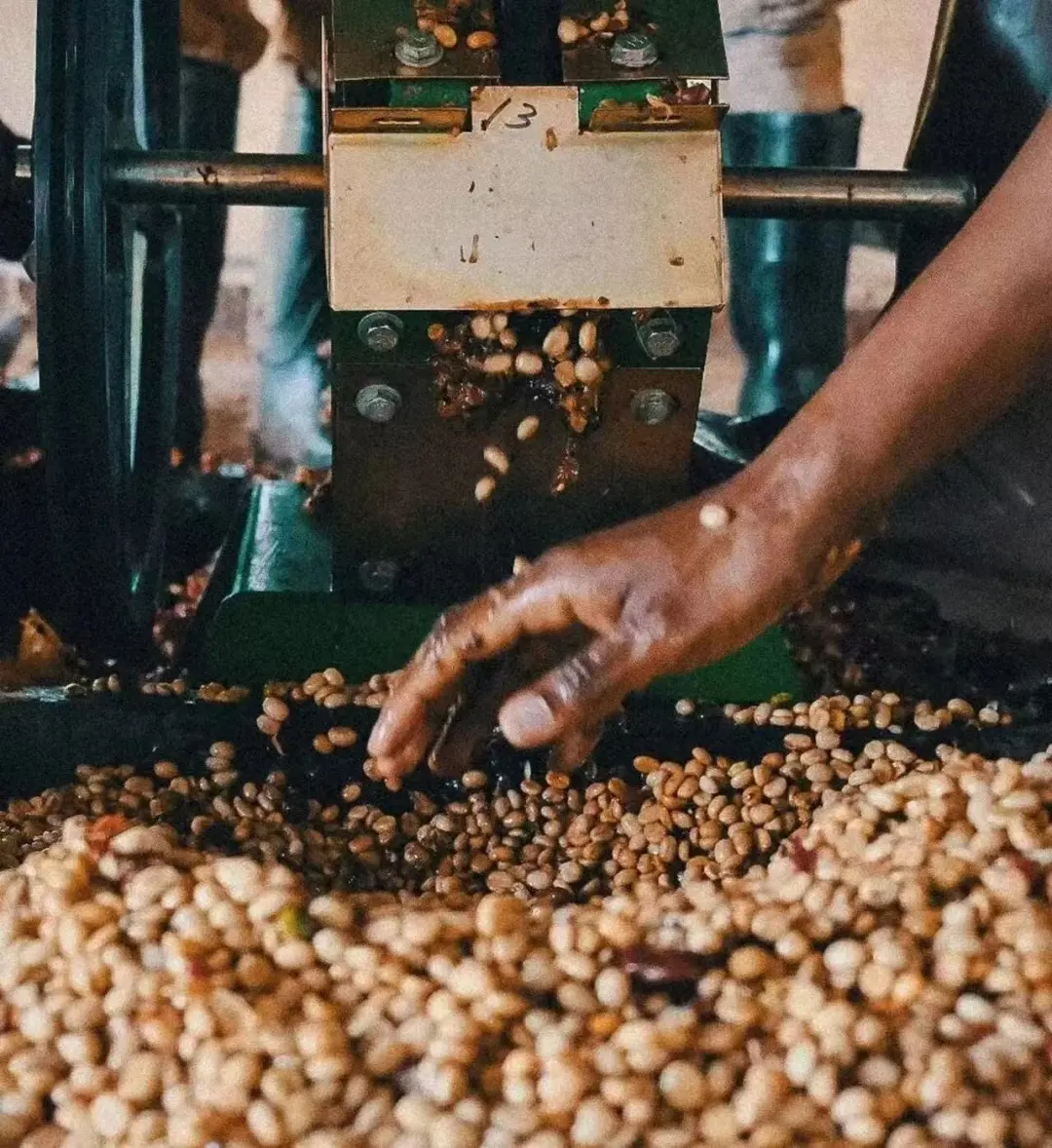
The double-washed process originated in Kenya and is one of the causes of Kenya's unique flavor. Literally, it means adding an extra washing step on top of the washed process. The flow becomes: flotation → pulping → soaking the coffee beans in water → washing away the mucilage remaining on the bean surface with water → soaking the coffee beans in water → drying the coffee beans → hulling and storage.
The reason for the extra soak was that early Kenyan processing stations didn't have enough open space. Many coffee beans, after demucilaging, had nowhere to be dried; if left piled in the shade just like that, the wet beans would easily spoil. With no other option, these beans had to be put back into water. This reduced the likelihood of spoilage and also kept dust and pests at bay.
Later, people discovered that the second soak made coffee bean quality more consistent, so even after drying space was later expanded, the practice of a second soak was retained. Because double-washing originated in Kenya, it's also called the "Kenyan washed method." What we often hear called the K72 process refers precisely to this Kenyan-style double wash—except that some batches are soaked for as long as 72 hours, hence the shorthand K72.
Front Street Kenya Little Tomato on the Front Street bean list uses double washing, and it expresses Kenyan flavor quite fully—rounded little tomato, smoked-plum-like acidity, mingled with caramel sweetness and an oolong tea finish. It's richly layered, clean yet solid in mouthfeel, and a satisfying performer.
Dry-Washed
Hearing "dry-washed," many friends mistakenly assume it's a processing method that uses no water. Unfortunately, dry-washed still requires water—just far less of it.
When introducing washed processing, Front Street mentioned that the washed method consumes large amounts of water resources, and the water that has soaked coffee beans becomes acidified and can no longer be reused. So some producing regions that need to conserve water began turning to dry-washing.
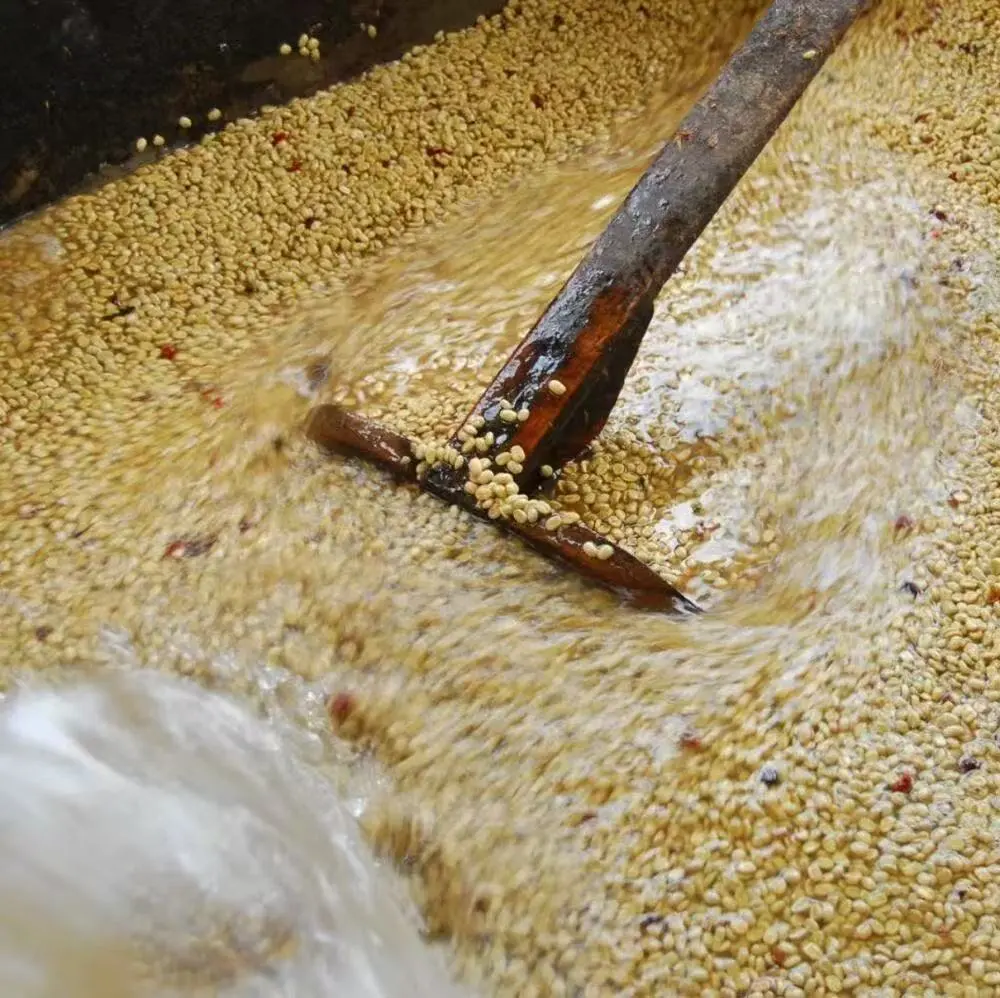
So-called dry-washing means sending coffee beans, after the skin and pulp are removed, into fermentation tanks to ferment, letting microorganisms break down the sticky substances on the mucilage so it can be removed more easily afterward. After fermentation ends, the coffee beans are rinsed with clean water to wash off the clinging mucilage, and the subsequent steps are the same as regular washing—drying, hulling, storage.
As you can see, dry-washing has a certain similarity to honey processing, with the core difference being only this: honey processing leaves the mucilage on the beans to dry together, while dry-washing first uses water to remove the mucilage before drying. Hence the flavor expressions of the two are also quite close.
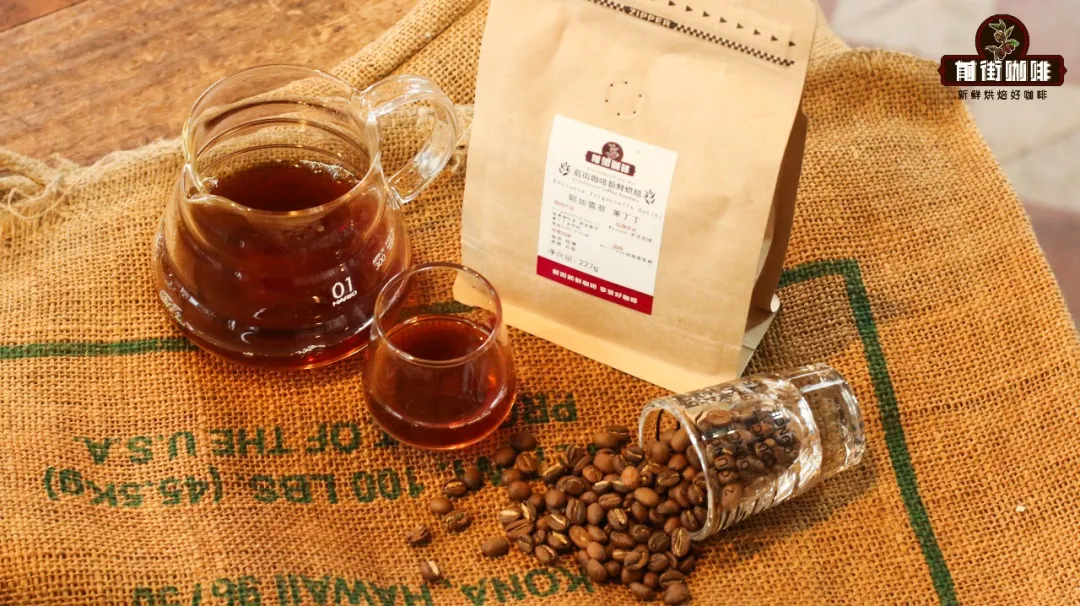
In summary, the differences between the various washed methods are now clear at a glance. That's all for Front Street's sharing this time. If you still don't know where to buy delicious washed-process coffee beans, Front Street Coffee's Tmall Taobao flagship store~~ would be a very good choice.
.
- END -
The above content is compiled by CoffeeHunters, a coffee news website.


