







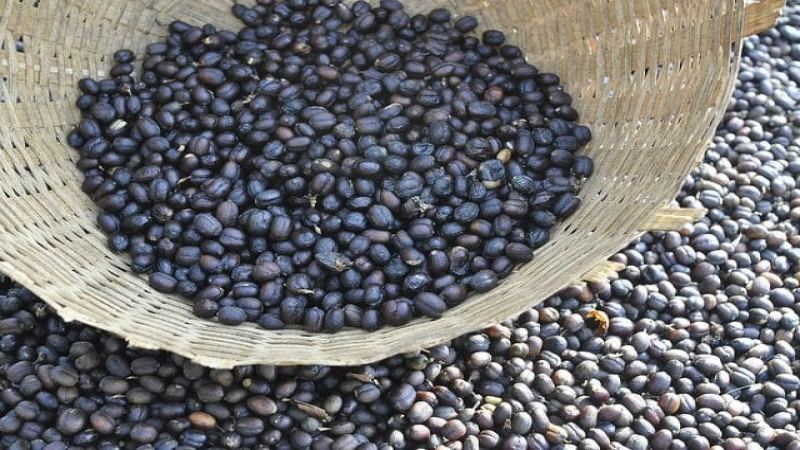
What Changes Green Coffee Beans in the Natural Process?
The natural process, also called dry process, is the oldest way to handle green coffee beans: the whole cherry, skin and pulp included, is dried in the sun and only then hulled. Sugars and aromatics from the pulp seep into the bean, and longer drying extends fermentation, producing tropical fruit notes, fermented aroma and strong sweetness.
Traditional natural processing often risked defect flavors when heat and temperature were not managed, but the specialty coffee wave and Ethiopia's Operation Cherry Red tightened control. Producers in dry regions such as Ethiopia rely on high altitude, low rainfall and long sunshine, and beans like Yirgacheffe Red Cherry natural show the resulting flavor and brewing profile.
As the oldest method of processing green coffee beans, the natural process uses sunlight to dry the whole coffee cherry, pulp and all, giving the beans rich tropical fruit notes and fermented sweetness. However, traditional natural processing often came with defect flavors due to loose quality control, and it was only in recent years, driven by the specialty coffee wave and Ethiopia's Operation Cherry Red, that natural processing became refined. This article will outline the principles, historical evolution, and modern operational flow of the natural method, and use Front Street Yirgacheffe Red Cherry natural beans as an example to analyze their flavor characteristics and brewing parameters, helping enthusiasts fully understand the unique charm of this processing method.
The natural method can be called the oldest method in the field of green coffee processing, also known as the "dry process." Its core operation is not complicated: using the heat of the sun, the whole coffee cherry—including the skin and pulp—is dried together, and then the husk is removed. Because the entire process relies on natural conditions, it is named Natural in English, emphasizing the meaning of a natural method.
During the fruit-drying stage, the sugars and aromatic substances contained in the pulp are retained to a large extent and gradually penetrate into the green beans. In addition, the longer the natural drying lasts, the more fully the fermentation process proceeds. Because the coffee beans naturally complete their maturation inside the fruit, with less interference from the external environment, natural beans often amplify their own flavors exponentially, presenting clear tropical fruit notes, full fermented aromas, and prominent sweetness. Coffee-producing regions around the world that lack water resources almost all rely on this processing method, and Ethiopia in Africa is a typical representative.
Ethiopia is located on the African continent and has natural conditions of high altitude, low rainfall, and long sunshine hours, providing an ideal environment for natural processing. Although the natural method can save a large amount of water, if producers only seek convenience and fail to strictly manage heating time and temperature, green bean quality will be uneven. Traditional natural operations usually involve spreading a cloth on the ground and directly laying the coffee fruit on it to sun-dry. If it is not turned frequently enough, problems such as local overheating or uneven fermentation are likely to occur. In addition, because the ground contains various miscellaneous bacteria and sources of contamination, the flavor of the coffee beans will also be damaged. Therefore, traditional natural coffee often carried many unpleasant defect flavors, and early high-quality beans basically did not choose natural processing, because at that time people's negative impression of natural processing was deeply rooted, and its selling price remained low.
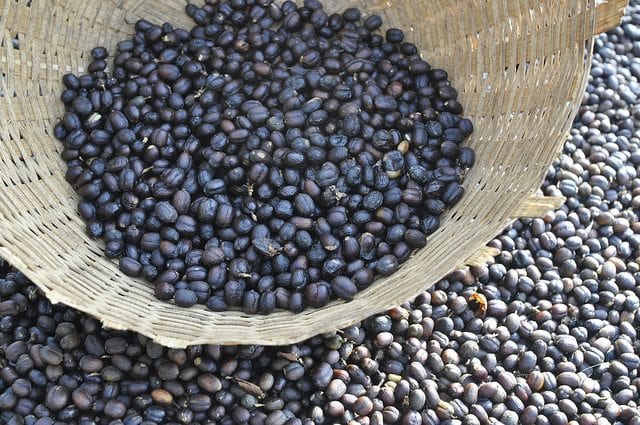
With the continuous refinement of the specialty coffee industry in recent years, natural processing techniques have also become increasingly sophisticated. For example, Front Street's Red Cherry coffee beans use this refined natural processing method.
To increase the income of local Ethiopian farmers and improve coffee quality, the Dutch trading company Trabocca BV launched the "Operation Cherry Red Project" in 2007. The project mainly targets high-altitude producing areas such as Ethiopia's Yirgacheffe, improves processing techniques such as washed, semi-washed, and natural, and introduces professional cuppers to participate. During the harvest season, differentiated harvest volumes are set according to different microclimate zones, and it is strictly required to pick only 100% ripe red coffee cherries, with output roughly controlled at 1,500 to 3,000 kilograms. The economic loans, new hardware equipment, and production technology knowledge provided by Trabocca have significantly improved the quality of coffee beans in the Yirgacheffe producing area and even throughout Ethiopia, and coffee prices have also risen accordingly, thereby increasing the income of coffee farmers.
Unlike in the past, today's natural processing invests more effort in manual screening and ensuring even drying. Freshly picked red coffee cherries are first manually screened to remove defective beans, overripe beans, and insect-damaged beans, retaining high-quality fruit. They are then sent to a drying site for processing. Different producing areas use different drying racks, including tarps, raised beds, and others, among which African drying beds are the most common. The drying cycle usually takes 27 to 30 days, until the coffee fruit turns dark purple and the moisture content drops to 11% before it is considered complete. Naturally processed Yirgacheffe has a more intense mouthfeel and richer layers, with vinous fermented notes and even more prominent sweetness.
Front Street's natural Yirgacheffe Red Cherry coffee beans use fully red cherries from the Aricha Farm processed by the natural method. The green beans are pale yellow, plump, complete in appearance, with a low defect rate, reaching G1 grade. The taste of natural Yirgacheffe is more intense, with richer layers, vinous fermented notes, and relatively high sweetness.
Brewing parameters for Front Street Yirgacheffe Red Cherry natural coffee beans:
Dripper: V60 Water temperature: 92-93°C Dose: 15g Coffee-to-water ratio: 1:15 Grind size: fine granulated sugar (20号筛碗筛粉到78%)
For the first stage, pour 30 grams of water for a 30-second bloom, then pour 95 grams (the electronic scale shows about 125 grams), completing the pour in about 1 minute. When the water level drops to 2/3 of the coffee bed, pour the remaining 100 grams (the electronic scale shows about 225 grams), completing the pour in about 1 minute 35 seconds. Dripping is completed at 2'10", remove the dripper, and extraction is complete.
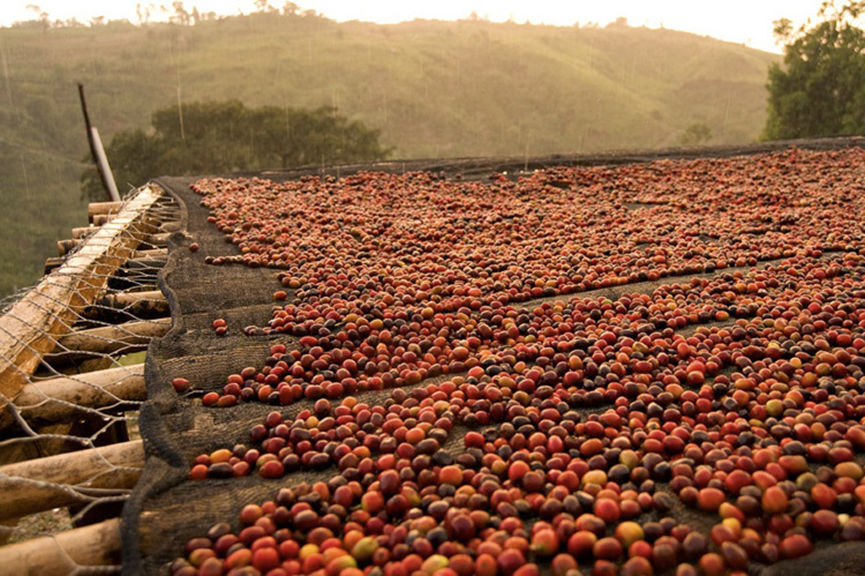
Natural Red Cherry flavor: lemon, licorice, citrus, berries, sweet orange. The overall sweetness is relatively high, the aftertaste has caramel and cream flavors, and the finish carries black tea aroma.
For professional coffee knowledge exchange and more coffee bean information, please follow Coffee Workshop (WeChat public account cafe_style)
For more specialty coffee beans, please add the private WeChat of Front Street Coffee (FrontStreet Coffee), WeChat ID: qjcoffeex
The above content is compiled by CoffeeHunters, a coffee news website.


