







Search Results for: too few coffee beans

How to drink your coffee beans within their flavor window after buying them
The price of a bag of coffee beans reflects not only its origin and variety, but also the time between when it finishes roasting and when it reaches your lips. Drink the beans too early, and the aroma may be blocked by gas; leave them too long, and the originally clear floral and fruity notes gradually fade. If you want to buy beans that are both delicious and good value, first learn to read the dates, then plan your drinking accordingly. [more…]
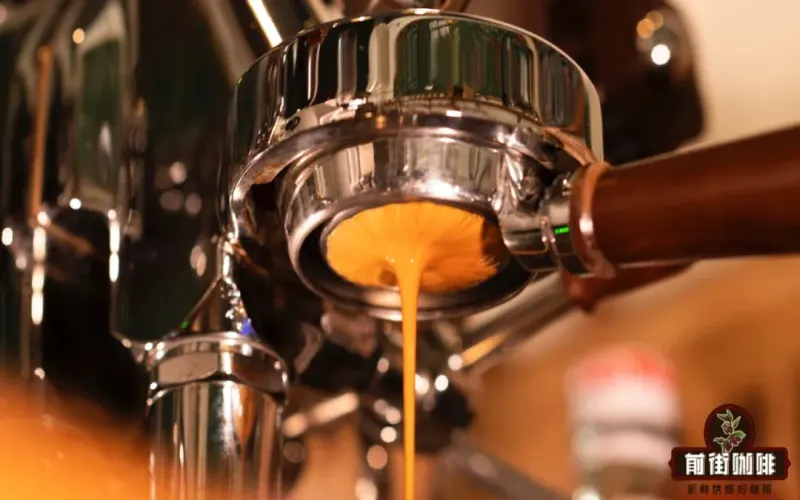
Uncovering the Hidden Factors Behind Unstable Espresso Extraction: How Residual Grounds, Water Temperature, Pressure, Environment, and Chamber Pressure Affect the Flow
Many coffee enthusiasts will notice that with the same beans and the same machine, the flow rate of espresso can change every few hours or even every few dozen minutes, sometimes fast and sometimes slow. Beyond the aging characteristics of the coffee beans themselves, there are actually quite a few easily overlooked hidden factors influencing the extraction results, including residual grounds in the grinder's chute, temperature fluctuations in the espresso machine's hot water, the state of the pump pressure, changes in ambient temperature, humidity and air pressure, and whether the grinder's hopper pressure remains stable in a café setting. Front Street will analyze these factors' mechanisms of influence on espresso extraction one by one, and provide corresponding improvement solutions to help everyone reduce unnecessary adjustments and make their output more consistent. [more…]
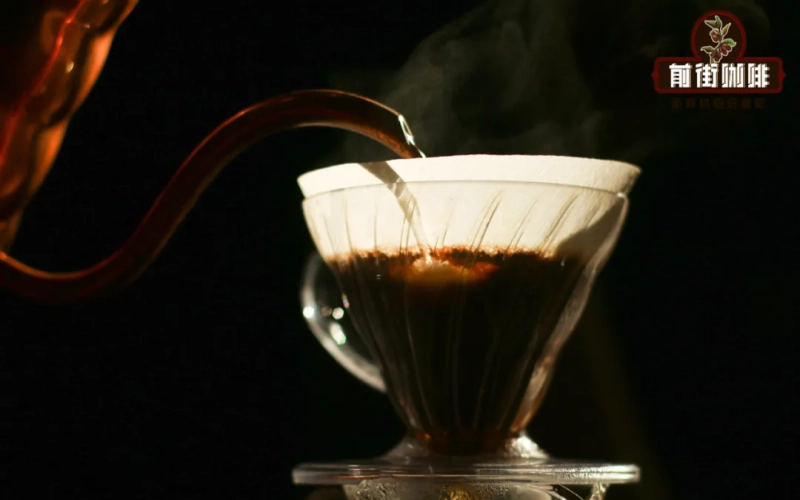
How to adjust brewing when less than 15 grams of coffee beans remain? Analysis of small-dose extraction techniques and bean-saving ideas for conical drippers
Many times, when a bag of coffee beans is nearing its end, there are always less than 15 grams of scattered beans left, which is neither enough for the usual single-serving dose nor enough to blend with other beans to make up the number. If you don't want to waste them, you need to find a way to fully extract the value from these few beans. When the dose is on the low side, the brewed coffee tends to be under-extracted, because the coffee bed becomes thinner, the amount of water poured decreases, and the contact time between hot water and coffee grounds is shortened. If a conical dripper is used, bypass water can also easily dilute the coffee liquid. In response to these difficulties, Front Street shares two approaches in this article to help everyone brew a good cup even with less than 15 grams of coffee beans. [more…]
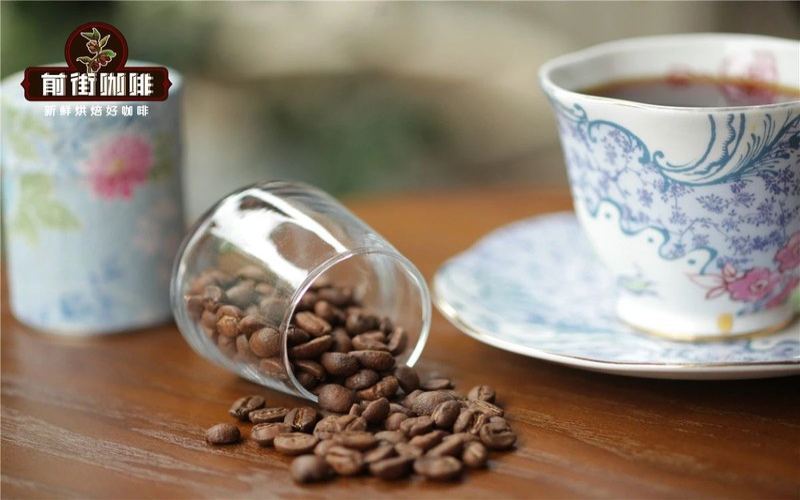
How to dial in the flavor window for moka pot coffee beans
Coffee brewed in a moka pot is strong and aromatic, and the condition of the beans directly affects how it tastes. To keep the cup from being too sharply acidic, consider the purchase date, roast date, and how quickly you drink them after opening. Fresh doesn't mean drinking them right after roasting; the beans need a period of degassing for the flavors [more…]
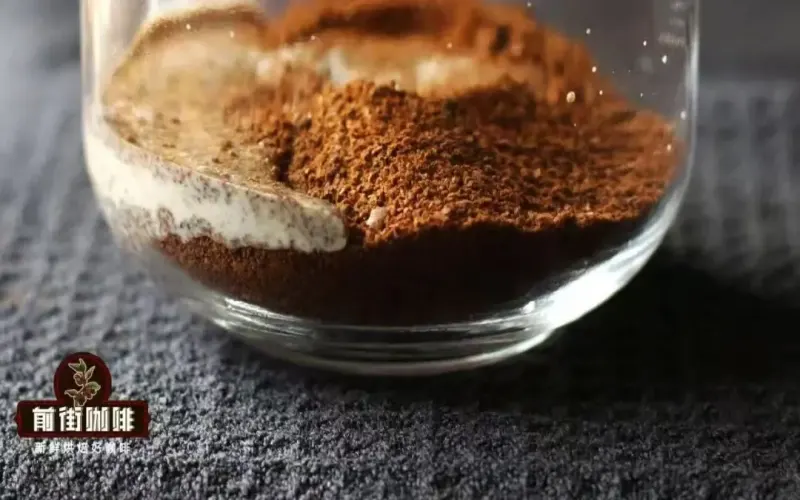
Complete Guide to Making Milk-Brewed Coffee: Food Safety, Coffee Bean Selection, and Filtration Methods Explained
Milk-brewed coffee, which uses milk instead of water to brew coffee by the cold brew method, makes it easy to produce a cup of rich, flavorful milk coffee, and has recently been highly recommended by bloggers. But many enthusiasts still have quite a few misunderstandings and questions about making it. In this article, Front Street will focus on three core points about milk-brewed coffee: first, emphasize food safety—milk easily breeds bacteria, so attention must be paid to sterilizing containers, making small batches, and drinking it promptly; second, explain the choice of coffee beans—because milk extraction efficiency is low, it is recommended to give priority to beans with strong flavors or dark roasts, such as Front Street PWN Golden Mandheling, Front Street Strawberry Candy · Geisha Blend, etc.; finally, analyze the filtration problem—filter paper is too slow, so tools such as tea bags can be used instead, but cleanliness will decline somewhat. The full text aims to help everyone avoid pitfalls and make a delicious cup of milk-brewed coffee. [more…]
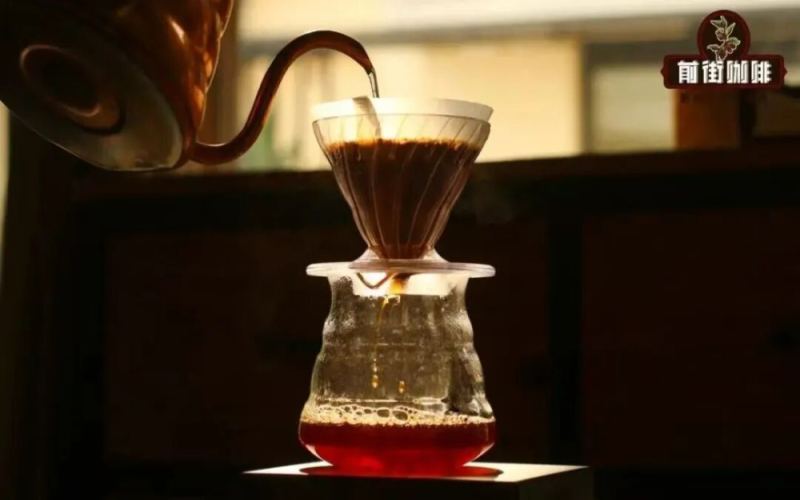
The Three Main Causes of Unstable Pour-Over Coffee Flavor: A Full Analysis of Water Temperature, Grind, and Pouring Details
Many friends who are just getting into pour-over coffee run into the same confusion: with the same beans and the same equipment, why does the coffee sometimes come out sweet and smooth, and other times bitter and hard to swallow? In fact, when coffee flavor is inconsistent, it's often not a problem with the beans, but rather that a few key extraction parameters haven't been matched up properly. Drawing on Front Street Coffee's practical experience, this article focuses on the three core variables of water temperature selection, grind size adjustment, and pouring technique, analyzing one by one the factors that affect the taste of pour-over coffee, and offering specific parameter recommendations and adjustment approaches. Whether you're using light-roast or dark-roast beans, you'll find practical methods here to make your coffee more consistent. [more…]

How Fine Should Espresso Grind Be? Master the Core Parameters to Quickly Calibrate Your Home Espresso Grinder
In the making of espresso, whether the grind setting is appropriate directly affects the extraction result, but many enthusiasts find that a dialed-in setting often "fails" after just a few days. The state of the coffee beans, air humidity, and even the freshness of the beans can all cause the same setting to behave completely differently. This article centers on the core question of exactly how fine espresso grounds should be ground, and provides a quick-start adjustment process: from setting the initial grind setting, applying the powder-to-liquid ratio and time formula, to fine-tuning in 0.2-step increments based on tasting results, gradually approaching the ideal flavor. It will also explain why espresso beans that are too fresh need to rest for a few days before use, and recommend Front Street Coffee's classic espresso blend to help you consistently recreate cafe-level espresso and milk coffee at home. [more…]
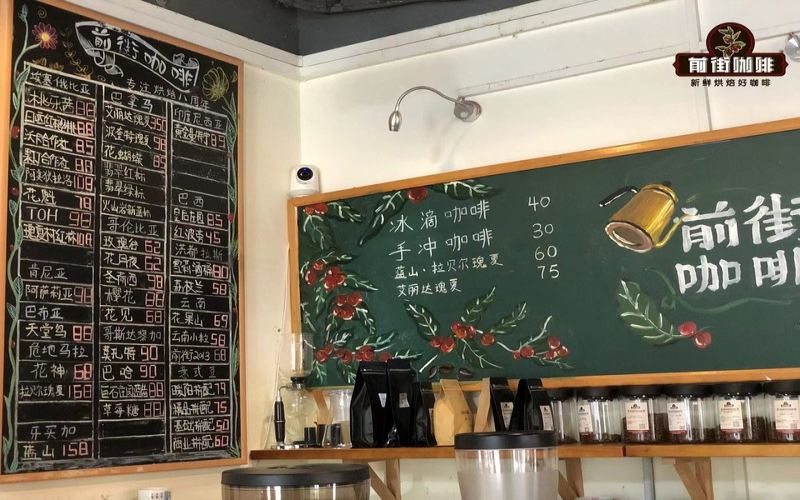
When to drink moka pot beans, and how to preserve aroma after opening
Coffee brewed in a moka pot is relatively concentrated, and the condition of the beans directly affects the aroma, sweetness, and finish. Freshly roasted beans contain more carbon dioxide, which tends to create resistance as water flows through the coffee bed; if left too long, the aroma gradually weakens. Therefore, when choosing beans for a moka pot, don't just look at the flavor description—also pay attention to the roast date. [more…]
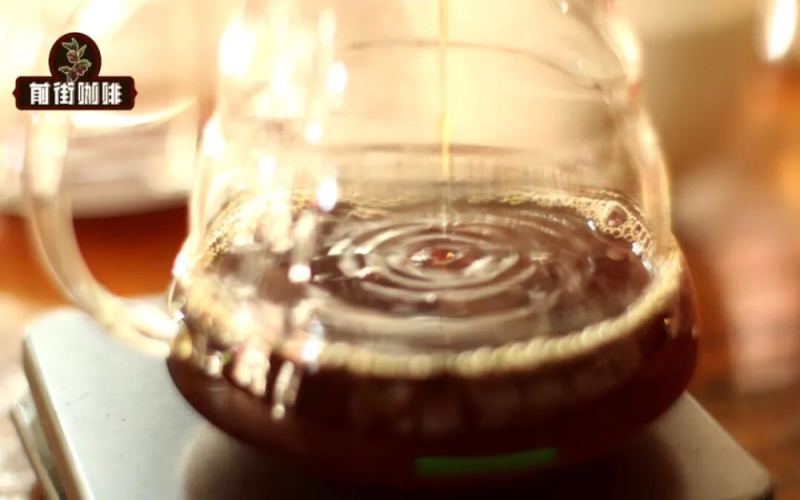
How to Fix a Burnt-Bitter Taste in Pour-Over Coffee? Four Troubleshooting Directions from Bean Roasting to Water Temperature
Many friends who are just getting into pour-over coffee complain that brewing feels like a game of chance—one moment of carelessness and you end up with a cup of liquid that's both burnt and bitter. In fact, once you understand a few key variables, the problems often become traceable. This article uses a process of elimination to sort out four common causes: the roast level of the coffee beans themselves, whether the storage time has exceeded the optimal flavor period, the grind size and the proportion of fines, and whether the brewing water temperature is too high. Drawing on the characteristics of everyday beans such as Front Street Brazil Cerrado, Front Street Colombia Huila, and Front Street Indonesia Mandheling, it provides corresponding methods of diagnosis and adjustment approaches to help you pinpoint and solve the burnt-bitter taste one by one. [more…]
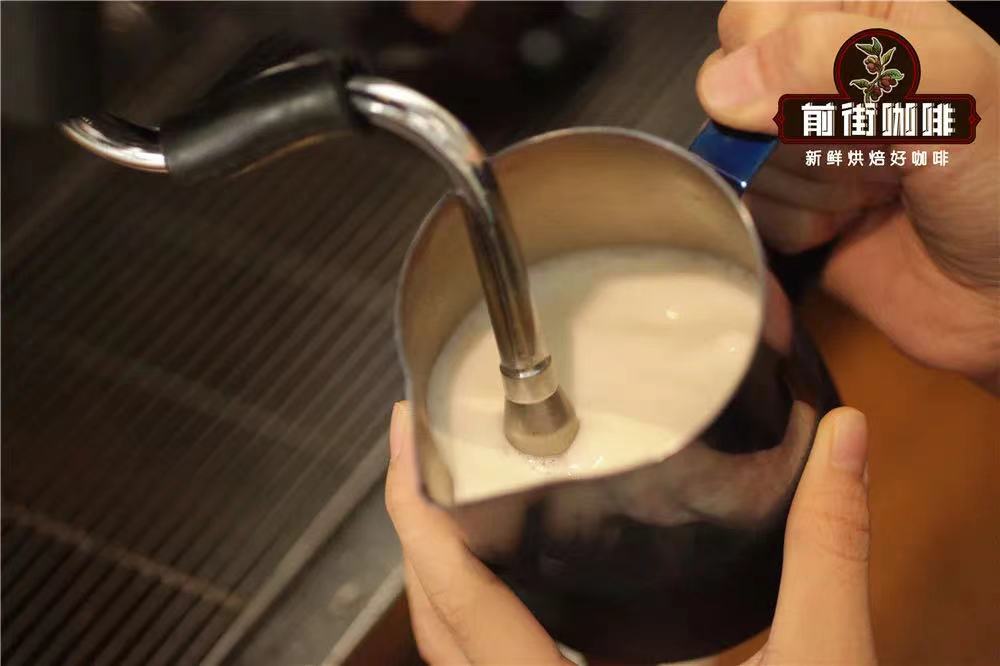
Homemade Latte Recipe | How Can Coffee Beginners Make a Delicious Latte at Home? What Is the Coffee-to-Milk Ratio for a Latte?
For professional coffee knowledge exchange and more coffee bean information, please follow Coffee Workshop (WeChat official account: cafe_style). For more specialty coffee beans, please add our personal WeChat Front Street Coffee (FrontStreet Coffee), WeChat ID: qjcoffeex. Quite a few friends have asked [more…]
A few recommended pour-over coffee beans with gentle acidity: balancing budget and drinking frequency
When it comes to hand-brewed coffee beans with a soft acidity, first consider how you'll be drinking them every day. For everyday bean purchases, you need to think about how quickly you'll go through them, how much to buy at once, and whether your household mainly drinks black coffee or milk coffee. If you mainly drink black coffee, you can pay more attention to aroma and aftertaste; if you often add milk, you need to consider whether the intensity and body can hold up. [more…]

What does SOE single-origin espresso mean? How does it differ from blended beans in flavor, mouthfeel, and production difficulty?
In the past two years, SOE has become increasingly popular in the coffee world. Many people who order an Americano at a café find they also have to choose beans, and may even have to pay a few extra yuan, which makes them curious about how it differs from regular espresso. SOE stands for Single Origin Espresso, meaning espresso made from coffee beans from a single origin, which is completely different from the traditional dark-roasted blend approach. Is it necessarily better tasting than regular espresso? The answer is not absolute. From the perspective of Front Street Coffee, this article sorts out the definition of SOE, its respective advantages and disadvantages compared with blends, the adjustment approach during extraction, and recommends three single-origin beans suitable for making SOE, to help coffee lovers understand this trend more clearly. [more…]
Always feel like your homemade latte is missing that certain something? A practical guide to the whole process, from choosing beans to the milk-to-coffee ratio.
Many people share this confusion: even though they have followed tutorials at home, the latte they make always falls short of the taste from a coffee shop. In fact, replicating a decent latte is not complicated—the key lies in mastering a few core steps: selecting coffee beans, ensuring stable espresso extraction, and getting the ratio between milk and coffee right. This article will approach these three dimensions to systematically outline the essentials of making lattes at home, and recommend three espresso blend beans suitable for daily use based on different taste preferences, helping you find your own perfect cup of latte. [more…]
How to choose a few light-roast coffee beans suitable for pour-over: the changes in cup profile brought by different roast levels
The roast level changes the flavor focus and extraction rhythm of coffee beans. Light roasts usually retain more floral and fruity notes and bright acidity, medium roasts tend to present sweetness and balance, while dark roasts lean toward nutty, cocoa, and full-bodied flavors. There is no hierarchy among them; the key is whether they match your brewing method. Pour-over flavor is mainly determined by origin, va [more…]

How to Choose a Few Dark-Roast Coffee Beans Suitable for Pour-Over: Bean Selection Logic That Even Beginners Can Understand
Light roasts preserve floral and fruity aromas and bright acidity, medium roasts bring out sweetness and balance, and dark roasts lean toward nuts, cocoa, and a full-bodied mouthfeel—the roast level determines the flavor focus and also affects the extraction rhythm. Which one to choose is not a matter of taste, but a matter of matching your brewing method. The flavor focus of a dark roast is cocoa, nuts, caramel, and roasted notes, with acidity [more…]

Recreating Café-Level Lattes at Home: A Complete Guide to Coffee Bean Selection, Espresso Extraction, and Milk-to-Coffee Ratios
Making a latte at home that tastes as good as one from a coffee shop isn't actually as hard as you might think. The key lies in three areas: choosing the right coffee beans and milk, pulling consistent espresso shots, and finding the right coffee-to-milk ratio. Drawing on Front Street Coffee's hands-on experience, this article first clarifies the traditional definition of a latte and how it differs from an Italian latte, then recommends four espresso blend beans suitable for making lattes one by one, covering different flavor profiles such as chocolate notes, floral and fruity notes, nutty cocoa, and caramel hazelnut. It also discusses the impact of the resting period on extraction, the real gap between home espresso machines and commercial ones, and why there is simply no universally applicable golden ratio. Whether you're a complete beginner or an experienced enthusiast looking to further improve the consistency of your output, you'll find practical ideas you can put into action. [more…]
From opening the bag to peak flavor for sun-dried beans, plan your drinking rhythm like this
The aroma of sun-dried coffee beans often comes through vividly, with berry, tropical fruit, floral, and fermented sweetness notes easily detectable when the bag is opened. However, freshly roasted beans do not necessarily reach their ideal state right away. After roasting, the bean mass continues to release carbon dioxide, and when there is too much gas, hot water struggles to penetrate the coffee bed evenly, and the cup may present [more…]
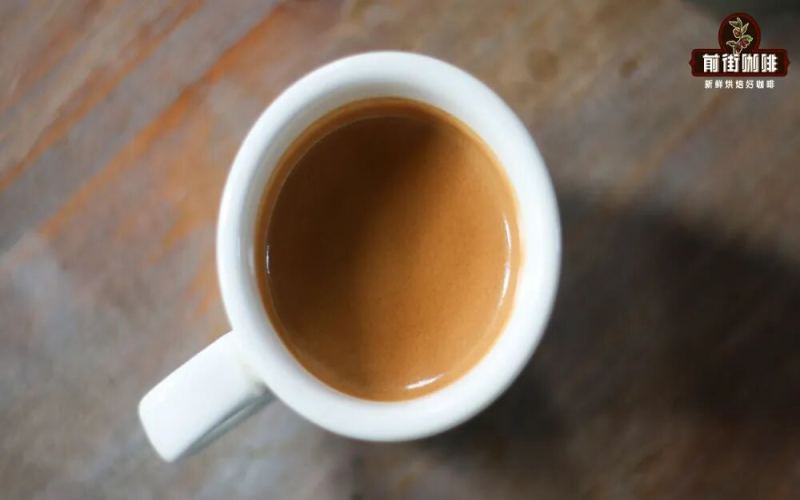
Espresso Extraction | What are the difficulties for coffee beginners in extracting espresso? What are the precautions for extracting espresso with pre-ground coffee powder?
Many people can't stand drinking espresso on its own; its highly concentrated bitter and burnt taste is often described as being like traditional Chinese medicine. Once diluted with milk or water, however, it becomes much easier for most people to accept. But reality is often cruel—you will inevitably come across coffee that is hard to swallow even after adding milk. In such cases, the coffee is usually [more…]
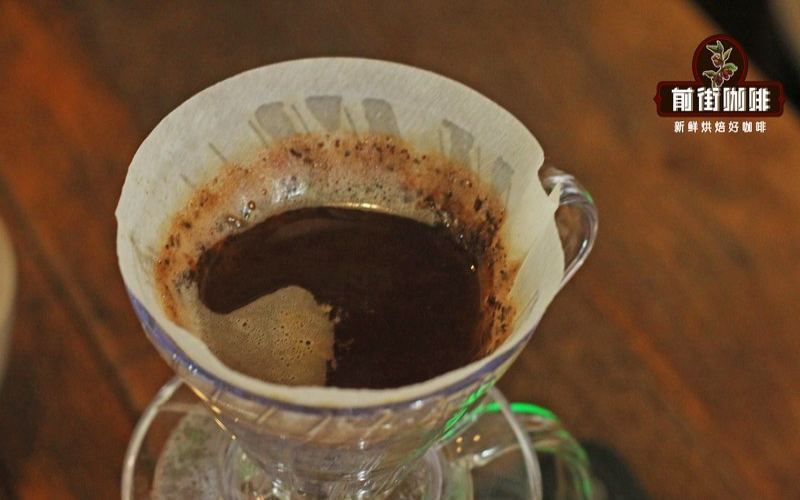
Recommend a few cost-effective home espresso coffee beans: balancing budget and drinking frequency
A cost-effective espresso bean for home use isn't just about memorizing a few names. When buying beans day to day, you need to consider how fast you'll go through them, how much to buy at once, and whether your household mainly drinks black coffee or milk-based coffee. What's truly worth referencing is the sweet-to-sour ratio on the palate, the body's thickness, and the aftertaste once it cools, combined with your brewing habits, [more…]
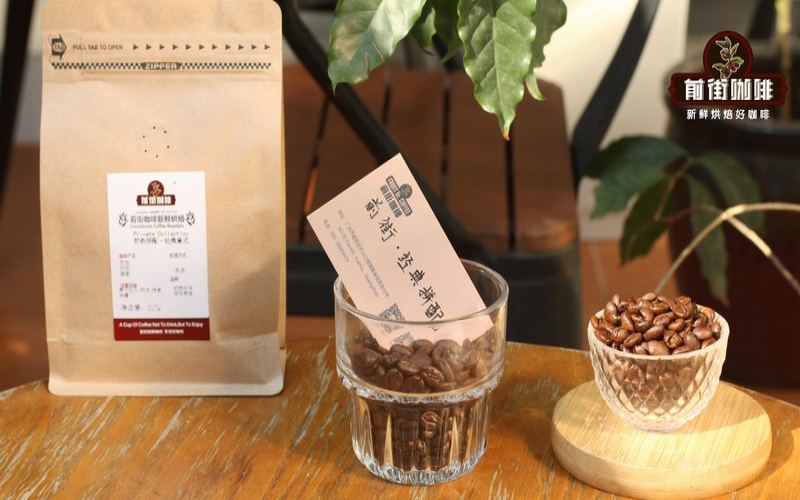
The Flavor Window and Drinking Rhythm of Nutty Cocoa Beans
For coffee beans with notes like nut, cocoa, and caramel, the appeal often lies not only in the roasting label, but also in the state they are in when you take that first sip. Drink the beans too early, and the aroma may be masked by the degassing process; leave them too long, and the originally round sweetness will gradually thin out. Only by mastering the rhythm from opening the bag to finishing the last cup can you more consistently [more…]