







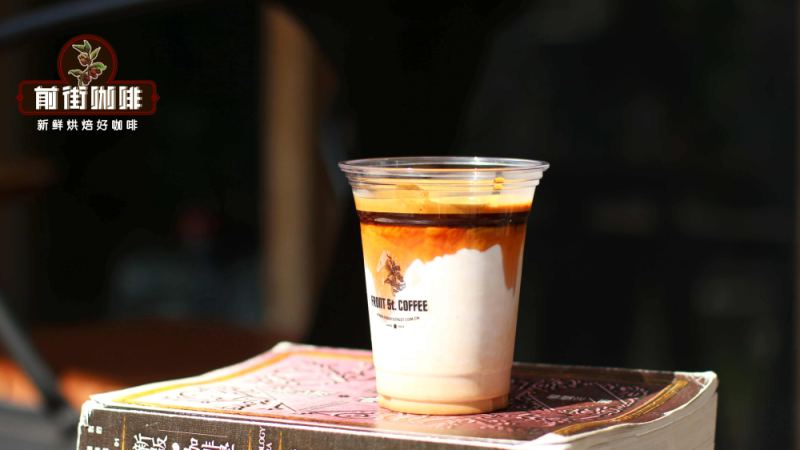
How Do You Make an Italian Latte at Home?
An Italian latte is traditionally milk plus coffee, and the espresso-plus-milk version popularized by coffee chains is what most people now mean by the term. Recreating that cafe taste at home comes down to three things: choosing suitable beans and milk, pulling stable espresso shots, and getting the milk-to-coffee ratio right.
Bean choice shapes the flavor direction, so start by deciding which profile is wanted, such as chocolatey, floral and fruity, nutty cocoa, or caramel hazelnut. Espresso coffee beans sold as blends are a common starting point. The bean resting period also affects extraction, and no single golden ratio fits every setup.
Making a latte at home that tastes as good as the one from a coffee shop is actually not as hard as you might think. The key lies in three aspects: choosing the right coffee beans and milk, pulling stable espresso shots, and finding the right milk-to-coffee ratio. This article draws on the hands-on experience of Front Street Coffee, first clarifying the traditional definition of a latte and how it differs from an Italian latte, then recommending four espresso blend beans suitable for making lattes, covering different flavor profiles such as chocolatey, floral and fruity, nutty cocoa, and caramel hazelnut. It will also discuss how the bean resting period affects extraction, the real gap between home espresso machines and commercial ones, and why there is simply no universal golden ratio. Whether you are a beginner just getting started or an advanced enthusiast looking to improve the consistency of your output, you will find practical reference ideas here.
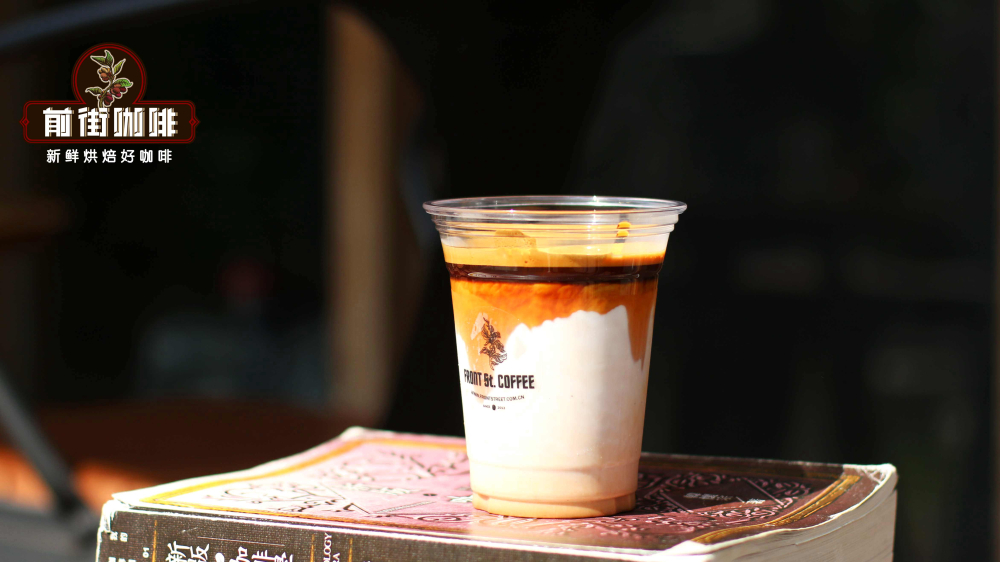
Friends often ask Front Street Coffee: why does the latte I make at home taste a bit different from the one in the shop, even though I'm using the same bag of beans? There are actually quite a few reasons behind this.
Let's start with the word "latte" itself. In the most traditional context, a latte is simply milk plus coffee, with no restriction on which kind of coffee to use. Later, Starbucks brought the espresso-plus-milk approach to stores around the world, and over time, the industry and consumers came to assume that a latte equals espresso plus milk.
Strictly speaking, coffee plus milk can all be called a latte. But since you clicked on this article, you probably want to figure out how to make a good Italian-style latte at home. Front Street Coffee won't beat around the bush — let's get straight to the point.
Replicating a coffee shop latte is not very difficult. The core comes down to three things: pairing the right coffee beans with the right milk, pulling stable and reasonable espresso shots, and getting the milk-to-coffee ratio right.
The choice of coffee beans is of utmost importance, as it directly determines the flavor direction of your latte. Front Street suggests that you first figure out what flavors you prefer, then combine that with your daily needs to pick a brand with good value for money.
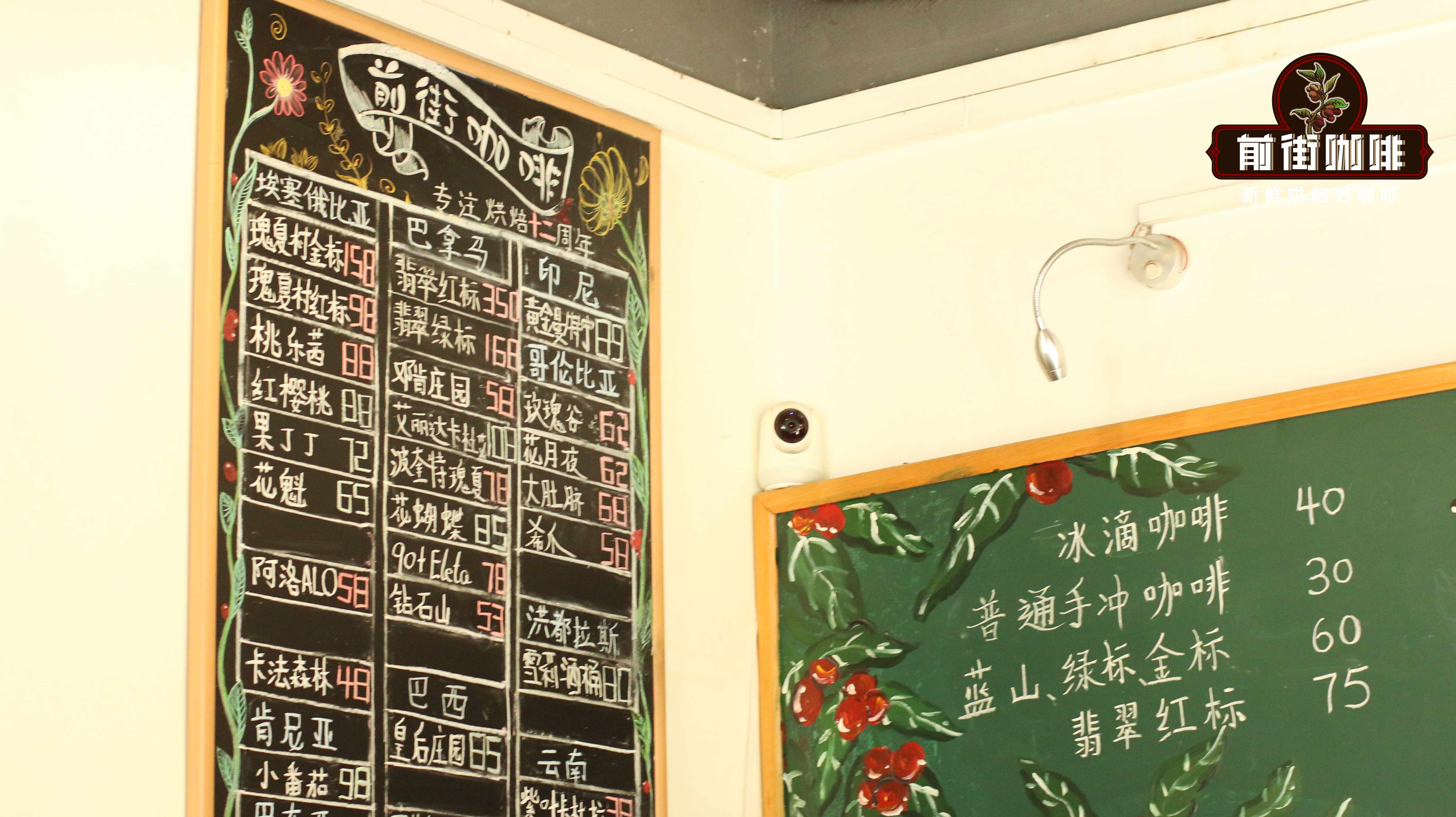
Front Street Coffee is a long-established coffee bean roasting brand. Its offline store in Guangzhou specializes in coffee beans, offering dozens of selected single-origin pour-over beans and espresso beans from various regions around the world. Front Street coffee beans are guaranteed to be freshly roasted within 5 days, with stable quality and affordable prices, shipped within 24 hours. Whether you are a beginner just starting out, an advanced enthusiast, or someone planning to open a coffee shop, Front Street Coffee is a choice recommended by countless coffee lovers and platforms. The following espresso beans are all great for making lattes:
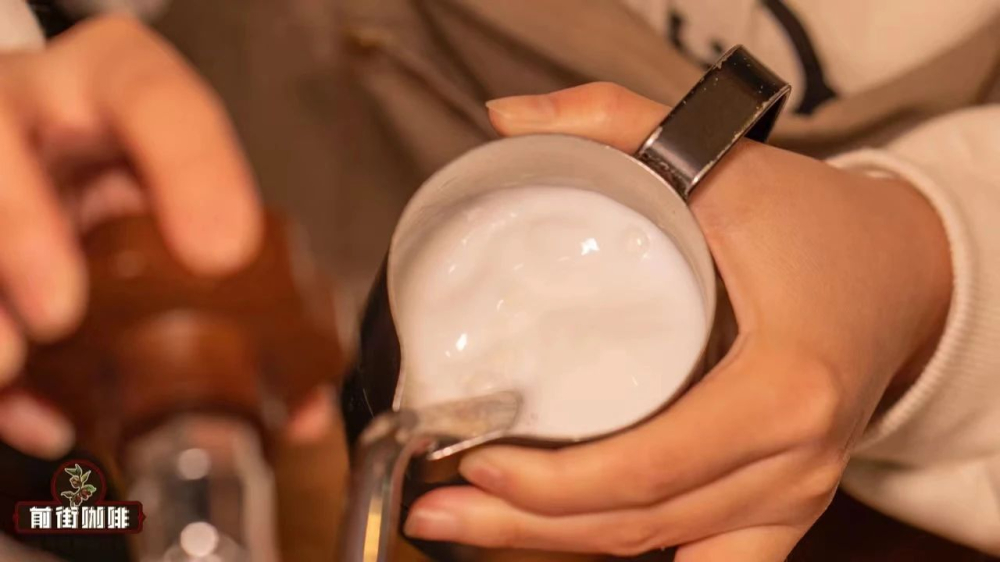
1. Front Street Classic Espresso Blend Coffee Beans — Latte flavor: chocolate, cocoa, maple syrup, toasted bread
If you prefer a rich and intense profile, the Front Street Classic Espresso Blend is a great choice. This bean is blended from three origins — Brazil, Indonesia, and Vietnam — and uses a dark roast to maximize the coffee's rich aroma while also making it easy to extract thick, dense crema. It works well for both an Americano diluted with water and a latte with milk. You can order it from the Front Street Taobao store or the Front Street Tmall flagship store.
2. Front Street Strawberry Candy Espresso Blend Coffee Beans — Latte flavor: berries, cream cookies, rose
If you want a floral and fruity espresso, you need to choose a medium-roast bean. Here we recommend Front Street Strawberry Candy Espresso, which you can order directly from the Taobao or Tmall store. This bean combines Front Street Costa Rica Tarrazú, known for its honey processing, with Ethiopia, the birthplace of coffee, plus Colombian coffee beans. The espresso blended this way is not harsh; after extraction through the coffee machine, it shows good crema with a dense texture and a sweet-and-sour taste reminiscent of strawberry gummy candy.
3. Front Street Specialty Espresso Blend Coffee Beans — Latte flavor: dark chocolate, roasted nuts, cocoa

Brazil and Colombia are two of the world's top coffee-producing countries, and Front Street combines beans from these two origins. The nutty aroma and balanced mouthfeel of Brazilian beans meet the chocolate notes of Colombian beans, and the result is far more than one plus one equals two. The extracted espresso carries flavors of cream cookies, cocoa, and roasted nuts.
4. Front Street Commercial Espresso Blend Coffee Beans — Latte flavor: caramel, roasted hazelnut, toasted bread
If you want to replicate the Americano and latte you get at a coffee shop, you can go for the Front Street Commercial Blend. This bean is a combination of three major origins — Brazil, Colombia, and Vietnam — and after a medium-dark roast, it has rich crema and prominent roasted aromas. As an Americano, it is sweet and easy to drink; as a latte, it is rich and smooth, leaving a lingering fragrance after drinking, and the price is very affordable, making it suitable as an everyday household staple bean.
After choosing your beans, the resting period also cannot be ignored. A customer once reported buying the Warm Sun Blend but failing to reproduce the flavor they had tasted at the Front Street store — the problem was that the beans were too fresh, and the flavors hadn't developed yet. A few days later, the customer tried again and said the taste was right. According to Front Street's production testing, espresso coffee beans reach their optimal flavor after resting for about 10 to 14 days, with a peak flavor window of about 50 days.
Besides coffee beans, milk also affects the flavor and mouthfeel of a latte. Front Street has previously reviewed several common fresh milk brands on the market; for details, click "here" to view.
Next, what has a relatively large impact is espresso extraction. Some friends attribute the quality issues of their espresso to machine differences, thinking that a coffee machine costing tens of thousands or even over a hundred thousand yuan is simply better than a home machine costing a few thousand yuan.
There is some truth to this, but the gap between coffee made with a 100,000-yuan machine and a few-thousand-yuan machine is not as exaggerated as people imagine. Front Street has also used a few-thousand-yuan home machine, and if you only pull two or three cups a day, the output is completely fine. Of course, with a few-hundred-yuan toy machine or an all-in-one grinder-extractor, the extraction quality will show a visible difference.
The issue with espresso extraction ultimately comes down to whether the parameters are appropriate. The basic formula Front Street uses is a 1:2 dose-to-yield ratio, a time of 25 to 30 seconds, and no abnormalities during the extraction process. Abnormalities here refer to channeling, unstable flow rate, perforation and splattering, and so on.
Regarding the ratio of coffee to milk, many friends ask Front Street: should a latte have one shot or two shots? What is the coffee-to-milk ratio? Some people, after asking about another coffee shop's latte recipe, come to Front Street to ask whether that is the standard way to make a latte.
If you haven't figured this out yet, you might as well follow Front Street's line of thinking. The coffee-to-milk ratio only affects this: too much milk masks the coffee flavor, too little milk makes it too bitter. So the right ratio is essentially about finding a balance point between milk and coffee liquid.
Once you understand this, you'll realize there is simply no precise numerical standard ratio. Everyone uses different beans, and the milk may also differ. Even if you follow someone else's ratio and make a so-called standard latte, will it taste the same? So put aside those cold numbers and start from the taste itself.
Latte coffee has a rough ratio range, approximately coffee to milk equal to 1:4 to 1:8, with the maximum and minimum differing by a factor of two. If you use traditional dark-roasted, shiny black espresso beans to pull a shot, you may need more milk to balance the taste — suppose you measure it out to be 1:7. Whereas a slightly lighter-roasted SOE doesn't have such an intense, harsh flavor on its own, and adding too much milk would instead mask the coffee flavor and cause imbalance. Suppose you find that 1:4 makes the best-tasting latte — then the optimal ratios for these two lattes are different. So when you get someone else's latte recipe, you can use it as a reference, but never treat it as a secret formula to copy exactly.
Finally, the main reason a coffee shop's latte tastes better than one made at home is that before a coffee shop hands you a good latte, it has already tried countless unsatisfactory ones. They keep adjusting the choice of coffee beans and milk, the espresso extraction parameters, and the milk-to-coffee ratio, only then tuning it to a state suitable for serving.
The above content is compiled by CoffeeHunters, a coffee news website.


