Professional coffee knowledge exchange. For more coffee bean information, please follow Coffee Workshop (WeChat official account cafe_style)
For more specialty coffee beans, please add the private WeChat of FrontStreet Coffee. WeChat ID:qjcoffeex
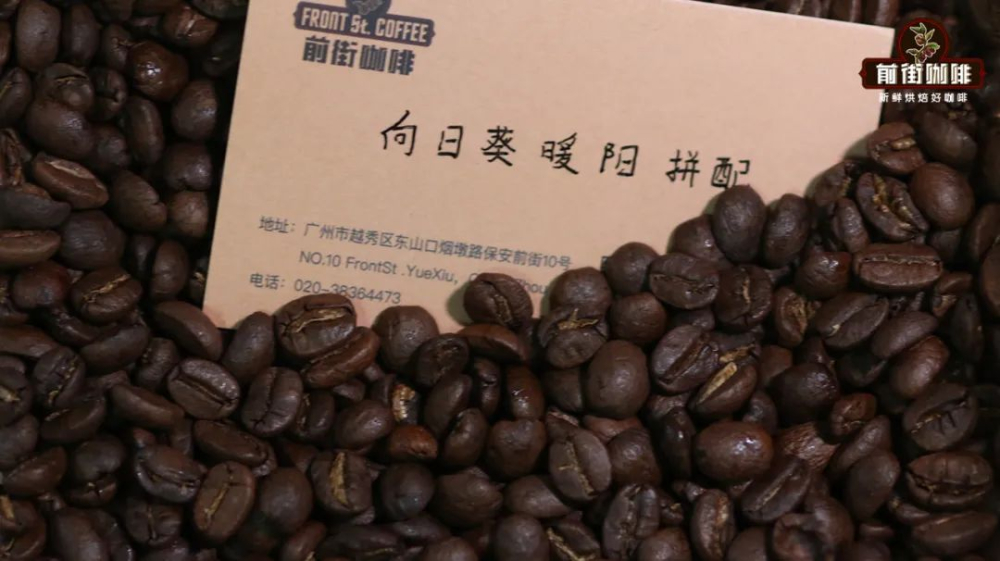
Quite a few friends have asked FrontStreet Coffee: why is it that even when using the same "Sunflower Warm Sun Blend Coffee Beans" from FrontStreet Coffee stores to make a latte, the taste always differs somewhat from what they drink in the shop? Why is that?
First of all, the most traditional explanation of latte is actually milk + coffee (without a fixed type of coffee). Later, the latte launched by Starbucks used espresso + milk and was widely promoted across its global stores, so gradually the industry and consumers came to understand latte as espresso + milk.
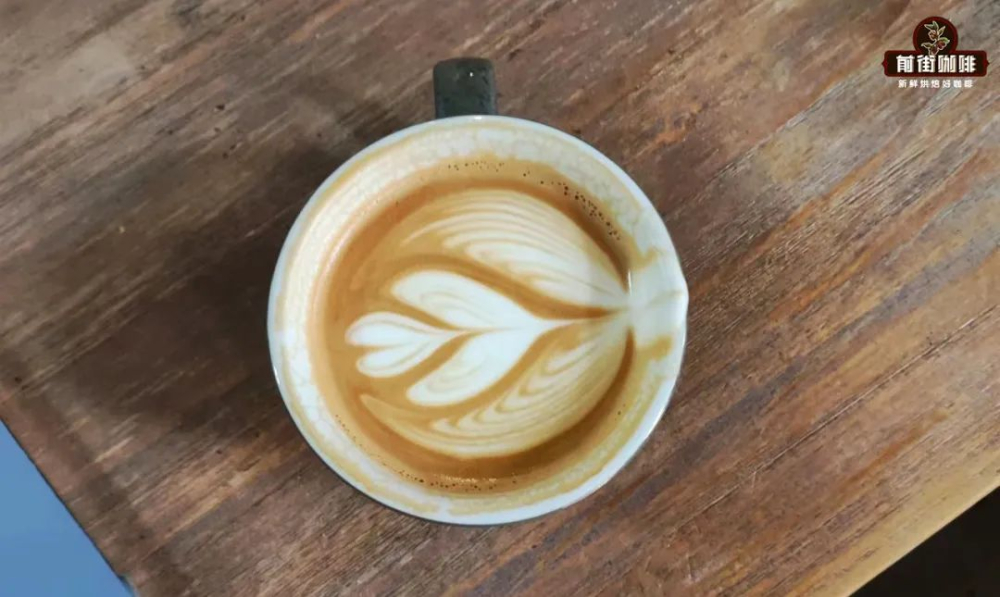
In fact, coffee + milk is all latte~ However, if everyone is reading this article, it is very likely that you want to know how to make a delicious espresso latte at home~ FrontStreet Coffee will not continue to digress hahaha! Let's get right into the topic~
To make a latte like one from a coffee shop is actually not difficult at all. As long as the pairing of coffee beans and milk is chosen properly, along with stable and reasonable espresso extraction and a reasonable ratio of milk to coffee.
The choice of coffee beans is very important, as it directly determines the flavor direction of the latte. For example, many customers praise Front Street's latte for its unique flavor, which is actually because Front Street uses its own Sunflower Warm Sun Blend Coffee Beans, a blend of Yirgacheffe Red Cherry and Honduras Sherry, and the resulting latte has flavors of vanilla cream, wine aroma, caramel, and chocolate.Besides choosing suitable coffee beans, the resting period is also very important. A customer once reported that after purchasing the Warm Sun Blend, they could not produce the flavor they had drunk at a Front Street store. The reason was that the coffee beans were too fresh and could not extract the coffee flavor. After a few days, the customer said the flavor had been extracted. According to Front Street's production tests, Front Street's espresso beans are at their best flavor state after about 10-14 days of resting, and the enjoyable period is about 50 days.
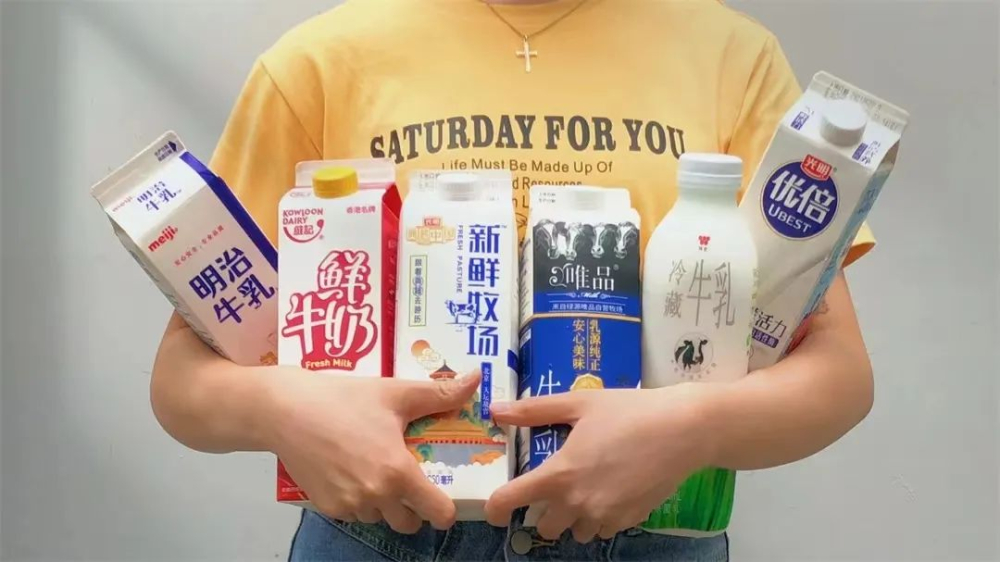
Besides coffee beans, milk also affects the flavor and mouthfeel of a latte. Front Street previously reviewed several common fresh milk products on the market. For detailed information, you can click "here" for reference.
The next relatively important factor is espresso extraction. Some friends attribute the quality of espresso to differences in machines, believing that using a coffee machine costing tens of thousands or even over a hundred thousand is better than a home machine costing a few thousand yuan.Actually, this statement is correct, but the difference in coffee quality made by a 100,000-yuan machine and a several-thousand-yuan machine is not as large as everyone imagines. Front Street has also used several-thousand-yuan home machines. If only 2-3 cups are made a day, the output quality is completely fine. Of course, if it is only a few-hundred-yuan toy machine, or an all-in-one grinder and extraction machine, then the difference in espresso quality will be visibly obvious.Regarding the various issues of espresso extraction, it is nothing more than suitable parameters, such as the basic formula used by Front Street: coffee-to-liquid ratio 1:2, time 25-30 seconds, and no abnormalities during the extraction process. (Abnormalities refer to channeling, unstable flow rate, perforation and splashing...)Regarding the ratio of coffee to milk, quite a few friends have asked Front Street whether to add one shot or two shots to a latte, and what the ratio of coffee to milk is. Some friends, after asking other coffee shops for their latte recipes, also bring that recipe to Front Street and ask whether it is the standard way to make a latte.In response, if everyone still has not figured out this kind of question, you can follow Front Street's line of thinking. What does the ratio of coffee to milk affect? It is nothing more than that adding too much milk will mask the coffee flavor, while adding too little milk will make it too bitter. So a suitable ratio is actually finding a balance point between milk and coffee liquid.
If you understand this point, you should realize that there is simply no precise standard ratio in terms of data, because the coffee beans everyone uses are different, and the milk may also be different. Even if you follow someone else's ratio to make a so-called standard latte, will the taste still be the same? So, set aside the cold data first and start from the taste of the coffee.
For example, latte has a rough ratio range, about "coffee: milk = 1:4 to 1:8", with the maximum and minimum differing by a factor of two. If you use traditional glossy black espresso beans to extract espresso, then it may need more milk to maintain a balanced taste. Suppose this result is 1:7. A slightly lighter-roasted SOE, however, does not itself have such a strong and stimulating flavor; adding more milk will instead mask the coffee flavor and cause imbalance. Suppose testing shows that when this ratio is 1:4, this latte tastes best. Then the delicious ratios of these two lattes are not the same. Therefore, when you get a latte recipe with data, you can refer to it appropriately, but do not treat it as a secret formula.
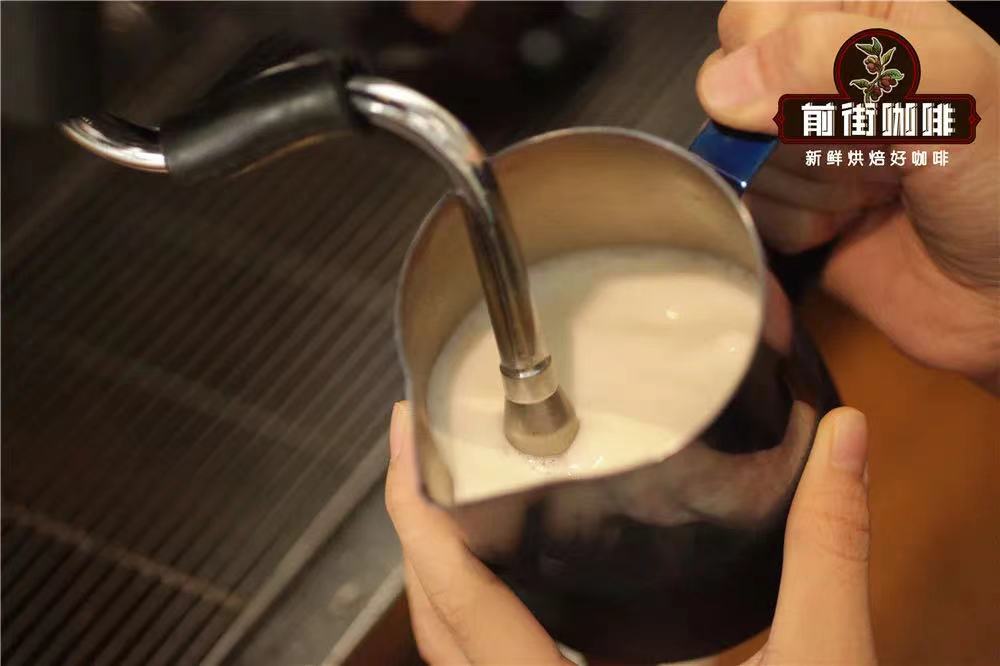
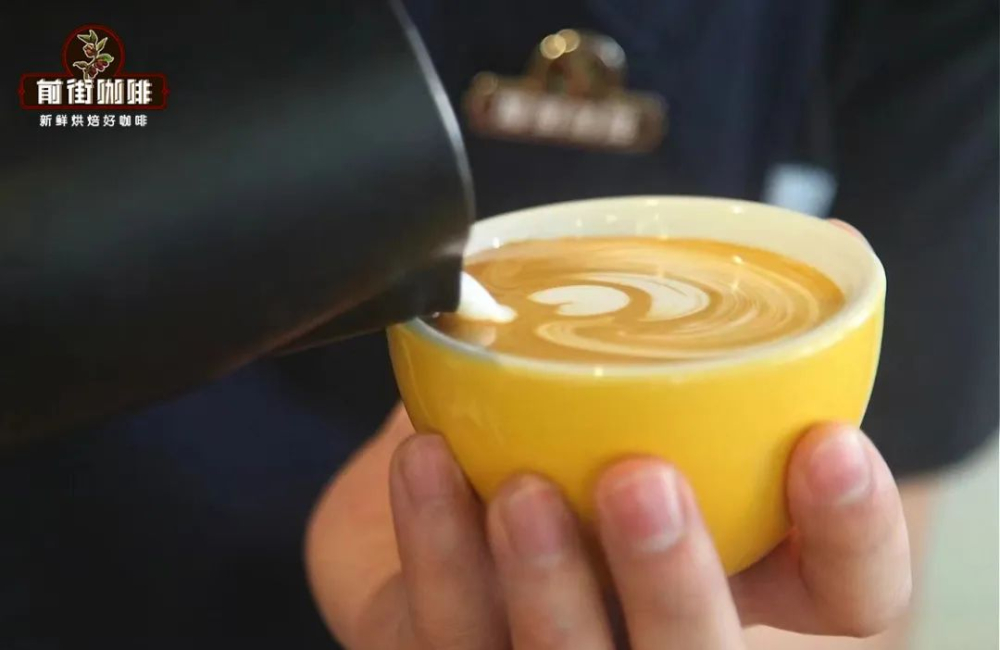 Steaming fine milk foam with good fluidity helps with integration and adds mouthfeel. For a steaming tutorial, you can refer to "here". Front Street has not expanded on the steaming and integration part, mainly because for homemade lattes at home, if you start from taste and do not seek presentation, the techniques of milk foam and integration are optional. Making a latte does not necessarily require steaming milk foam; you can just heat the milk, and for integration you can use a spoon to stir. If you insist that only a latte with milk foam and latte art has a soul, then please seriously practice your technique!Finally, the main reason coffee shop lattes taste better than those made by friends at home is that before handing you a delicious latte, the coffee shop has tried all kinds of unsatisfactory lattes and continuously adjusted the choice of coffee beans, milk, espresso extraction parameters, and the ratio of milk to coffee until it reached a state suitable for serving.
The above content is compiled by CoffeeHunters, a coffee news website.