







Which Blend Coffee Works for a Homemade Latte?
A coffee-shop-style latte at home comes down to three things: the beans, a stable espresso extraction, and the milk-to-coffee ratio. A blend coffee built for espresso or a moka pot extracts more consistently than a random single origin, and getting the ratio right matters more than expensive equipment.
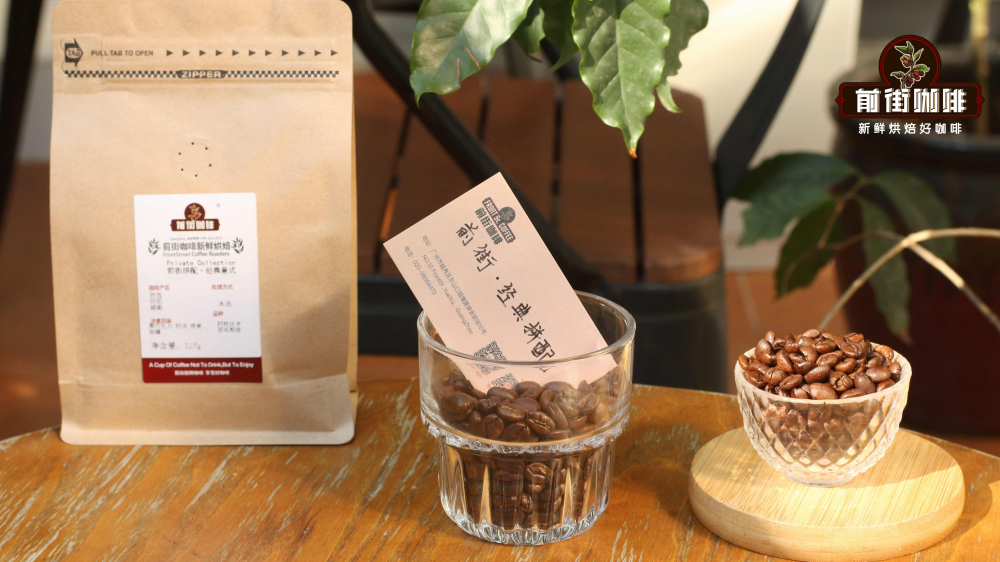
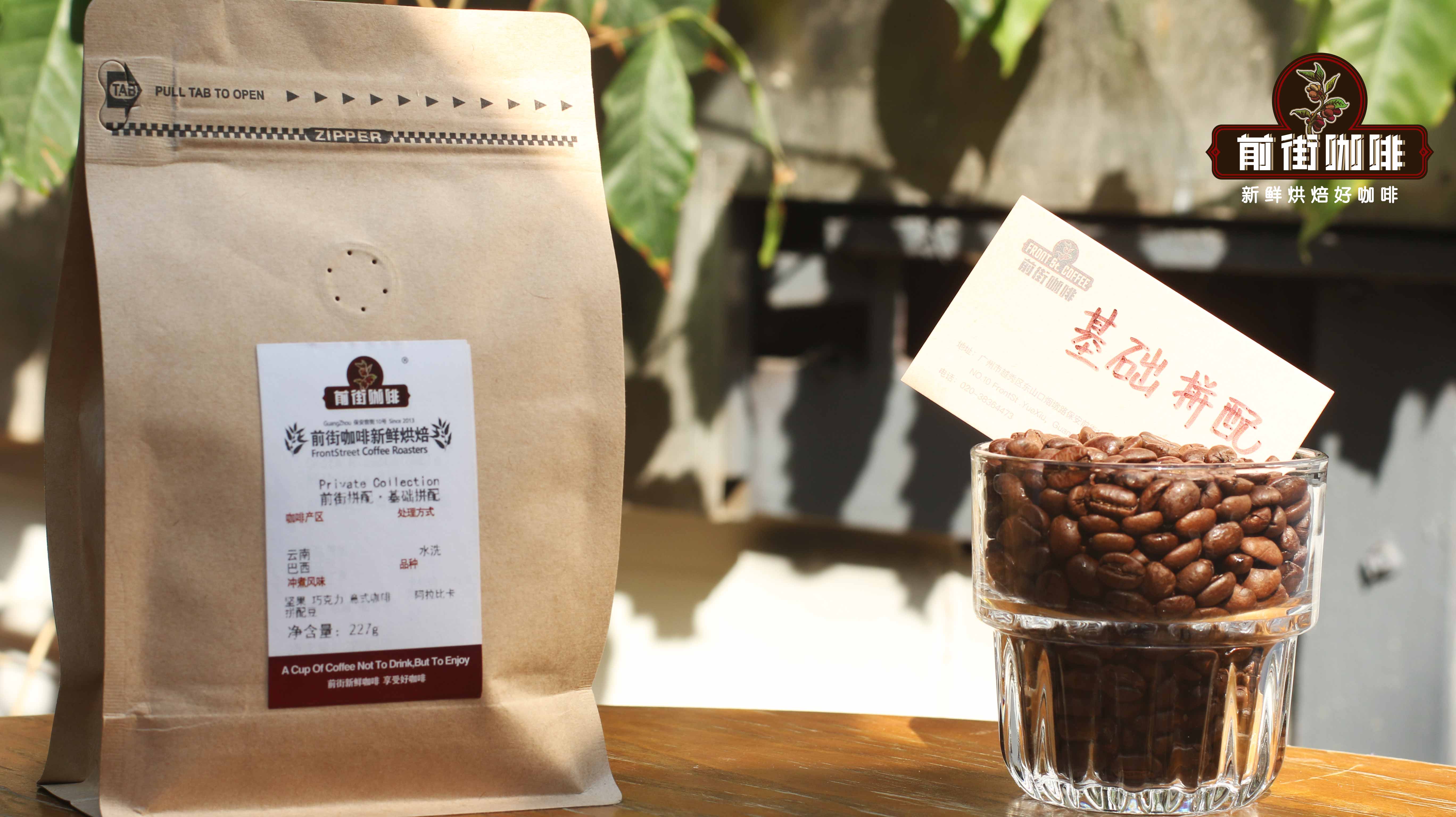
Two everyday options illustrate the range. A classic blend of Brazilian Red Bourbon, Indonesian Mandheling and Vietnamese Robusta gives heavy crema and a full body for Americano or latte. A second blend of washed Yunnan coffee and Brazilian semi-washed beans, medium-dark roasted, brings mild fruit acidity with caramel and nutty notes. A moka pot can stand in for an espresso machine.
Many people have this confusion: they follow tutorials at home, yet the latte they make never quite matches the taste of a coffee shop. In fact, replicating a decent latte isn't complicated—the key lies in mastering a few core aspects: choosing the right coffee beans, achieving stable espresso extraction, and balancing the ratio of milk to coffee. This article will explore these three dimensions, systematically outlining the essentials of making latte at home, and recommend three espresso blends suitable for daily use based on different taste preferences, helping you find your perfect cup of latte.
For more specialty coffee knowledge, welcome to follow: Front Street Coffee The original meaning of latte was actually quite broad, referring generally to any combination of milk and coffee, without limiting the type of coffee. Later, Starbucks defined latte as a recipe of espresso plus milk and promoted it vigorously in its global stores. Over time, the industry and consumers widely came to understand latte as a combination of espresso and milk.
In fact, replicating a coffee shop-quality latte at home is not as difficult as it seems. The core elements are just three: choosing the right coffee beans and milk, maintaining stable espresso extraction, and mastering a reasonable milk-to-coffee ratio.
The choice of coffee beans directly affects the final flavor of the latte. Below are three espresso beans suitable for daily home use. They are all designed for popular tastes, affordably priced, with stable extraction performance, and easy for beginners to handle:
① If you prefer coffee with a rich crema, consider Front Street Classic Blend coffee beans. This bean is a new formula specially developed for moka pots and espresso machines, combining Brazilian Red Bourbon, Indonesian Mandheling, and Vietnamese Robusta. It delivers outstanding crema performance, and whether used for Americano or latte, it presents a rich coffee aroma and full-bodied taste.
② If you want both balanced taste and good value, Front Street Basic Espresso Blend is a great choice. It is a blend of washed Yunnan small-batch coffee beans and Brazilian semi-washed coffee beans, medium-dark roasted, presenting mild fruit acidity along with caramel and nutty flavors. With stable taste and affordable price, it's perfect for those seeking "cheap and plentiful," and is also the top choice for beginners practicing at home and making daily lattes.
③ If you don't like bitterness and prefer floral and fruity notes, try Front Street Strawberry Candy Espresso Blend. This is a medium-roast floral-fruity blend carefully crafted by Front Street, suitable for commercial shops, home espresso machines, and moka pots alike. The extracted coffee carries aromas of roses, strawberry gummies, and dried blueberries. When made into a latte, it presents grape and citrus flavors with a sweet almond finish, ideal for those who enjoy a refreshing taste.
After choosing your beans, freshness and resting time are equally important. All Front Street coffee beans are freshly roasted within 5 days, and orders from the Taobao store and Tmall flagship store are shipped within 24 hours, ensuring you receive them at their peak flavor. However, espresso beans are not necessarily better the fresher they are, because overly active degassing can affect extraction, resulting in insufficient espresso aroma and diminished latte flavor. According to Front Street's production tests, espresso beans reach their best flavor after resting for about 7 to 10 days, with a peak flavor period of approximately 50 days. Besides coffee beans, milk also affects the flavor and texture of a latte. It is recommended to prioritize fresh milk available on the market.
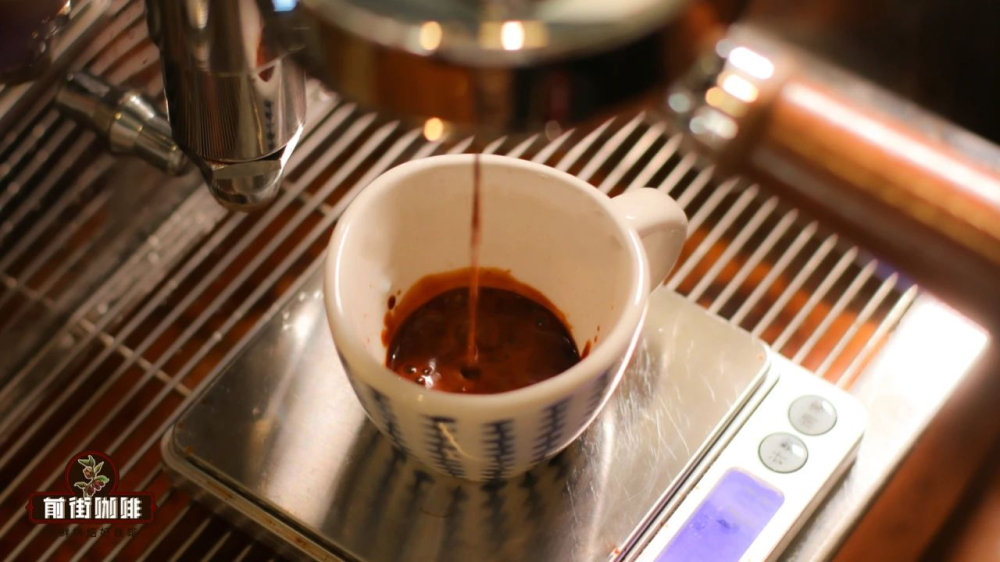
The next most influential step is espresso extraction. Some people attribute differences in espresso quality to the machine, thinking that a coffee machine costing tens of thousands or even over a hundred thousand yuan must be far superior to a home machine costing a few thousand yuan. This claim itself is not wrong, but the gap between coffee made with a 100,000-yuan machine and a few-thousand-yuan machine is not as dramatic as people imagine. Front Street has also used home machines costing a few thousand yuan—if you're only pulling two or three shots a day, the output quality is completely acceptable. Of course, if you're using a toy machine costing a few hundred yuan or an all-in-one grinder-extractor, then the difference in extraction quality becomes glaringly obvious. The core issue of espresso extraction is simply whether the parameters are appropriate. Front Street's commonly used basic formula is: dose-to-yield ratio of 1:2, extraction time of 25 to 30 seconds, and no abnormalities during extraction (such as channeling, unstable flow rate, or spurting).
Regarding the ratio of coffee to milk, friends often ask Front Street: should a latte have one shot or two shots? What should the coffee-to-milk ratio be? Some also ask about recipes they got from other coffee shops, wanting to know if that's the standard way to make a latte. Actually, just think about it from a different angle. The coffee-to-milk ratio only affects one thing—too much milk suppresses the coffee flavor, too little makes it too bitter. So the right ratio is simply finding a balance point between milk and espresso.
Once you understand this, you'll realize there is no precise numerical standard ratio. Because everyone uses different coffee beans and possibly different milk, even if you exactly copy someone else's ratio to make a so-called standard latte, the taste won't be the same. So, put aside those cold numbers and adjust based on taste itself. Latte has a general ratio range of approximately 1:4 to 1:8 coffee to milk. If using Front Street Classic Blend espresso as the base, since it has a rich flavor and needs more milk to balance, a 1:6 ratio works well. If using the slightly lighter-roasted Front Street Strawberry Candy Espresso Blend, which has a milder flavor, it's recommended to keep it around 1:4 to avoid milk overpowering the coffee and causing imbalance.
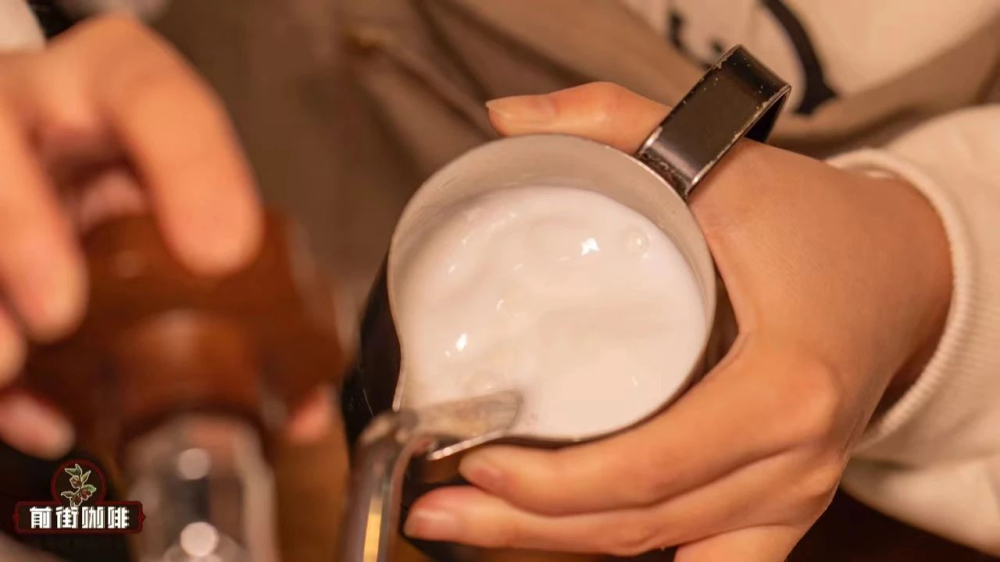
Steaming fine, fluid microfoam helps with integration and enhances the texture. For a detailed steaming tutorial, refer to "here." Front Street hasn't elaborated much on steaming and integration mainly because if you're making latte at home purely for taste and don't care about presentation, steaming and integration techniques aren't essential. Making a latte doesn't require steaming milk—just heating it works too, and you can stir with a spoon when integrating. If you insist that a proper latte must have microfoam and latte art, then practice diligently. In conclusion, the reason coffee shop lattes taste better than homemade ones is fundamentally that before handing you a satisfactory latte, the coffee shop has tried countless unsatisfactory results and repeatedly adjusted the coffee beans, milk choices, espresso extraction parameters, and milk-to-coffee ratio until finding the right state for serving.
The above content is compiled by CoffeeHunters, a coffee news website.


