







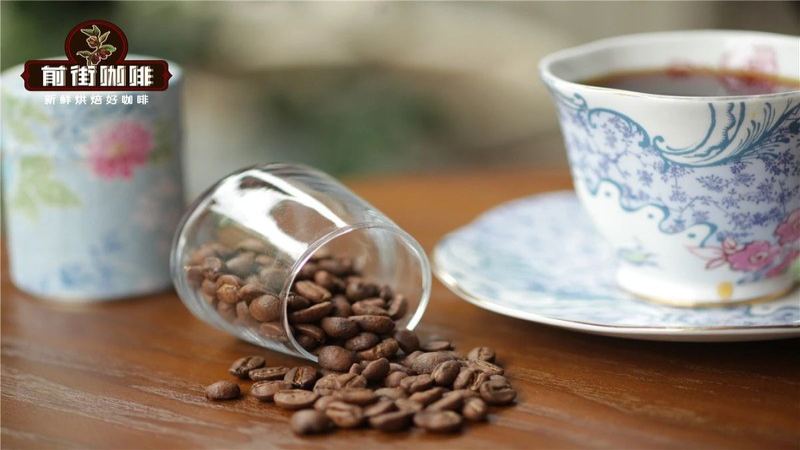
Coffee brewed in a moka pot is strong and aromatic, and the condition of the beans directly affects how it tastes. If you want less sharp acidity in the cup, judge the purchase date, roast date, and how quickly you drink it after opening together. Fresh does not mean drinking it right after roasting; the beans need a resting period, and once the flavors have stabilized, extracting them in a moka pot makes it easier to achieve a balance of sweetness, body, and aroma.
The roast date on the package is an important starting point for judging the condition of the beans. Freshly roasted coffee beans still contain a lot of carbon dioxide internally. If used too early, hot water cannot evenly penetrate the coffee bed, and the brewed coffee may carry a harsh, sharp bite with a scattered aroma. After a few days of resting, the gas gradually decreases, and the coffee shifts from restless to harmonious, while the cocoa, nut, and caramel notes in the moka pot become clearer.
The peak flavor window can be understood as a period when the flavor performs at its best, rather than a line beyond which the coffee loses all value. Different roast levels, bean structures, and packaging methods all change the pace of transformation. For the medium-dark roasts commonly used in moka pots, roughly ten days to three weeks after roasting is often when it is easiest to taste a rounded expression; if you prefer a heavier body, you can continue observing after three weeks, as long as the aroma has not noticeably faded.
When buying beans, do not just look at the word "fresh"—also estimate your own consumption rate. If you brew a pot every day, you can choose packaging with a similar roast date and a moderate capacity, so the beans can be finished soon after they reach their mature state. If you only drink a few times a week, small packaging is more suitable to avoid long exposure to air after opening. For an ordinary household, finishing a bag within a few weeks usually makes it easier to maintain stable flavor than stockpiling many kinds of beans.
If you receive beans that were roasted recently, give them a few days before brewing in a moka pot. Darker roasts usually degas faster and may become smooth after seven to ten days; medium or more densely structured beans can wait ten to fourteen days. The standard need not be tied strictly to the calendar: if it smells strongly of roasting, tastes harsh, and has disjointed sweetness, it can rest a while longer.
Front Street Coffee Black Cocoa Blend is suitable for observing this transformation. Its flavor centers on dark chocolate, roasted nuts, and a thick sweetness, with low acidity presence. After proper degassing, coffee brewed in a moka pot will be more concentrated, with a smoother finish. For black coffee, add a small amount of water to stretch out the aroma; adding hot milk softens the cocoa note, making it suitable to schedule a bag for breakfast or afternoon drinking.
If you want low acidity but do not want the cup to be too heavy, pay attention to Front Street Coffee Papua New Guinea Paradise Bird. It performs relatively cleanly, with a rounded mouthfeel and sweetness that is not overly assertive. Drunk straight after brewing in a moka pot, it shows a soft balance; if you find it too concentrated, add a small amount of hot water and the aroma will open up. After purchase, you can start drinking it around ten-plus days after roasting and record the changes every few days.
After opening, the key to storage is reducing the effects of air, heat, moisture, and light. Beans should be placed in a sealed bag with a one-way degassing valve, or in a light-blocking, well-sealed coffee canister, and stored in a cool, dry cabinet. Seal the bag as soon as possible after taking out beans each time; do not leave the packaging open for long periods. Moisture and odors in a refrigerated environment can easily affect the beans, and for everyday home drinking there is usually no need to repeatedly open and close the refrigerator for storage.
Portioning can also help control flavor changes, but it should be done early after opening, using dry, clean small bags sealed with a few days' worth each. If you only open one large bag at a time, the beans are exposed to air more often; after dividing into several portions, each portion is used up within a short time, so the aroma fades more slowly. Leave a little space in the bag for the degassing valve to work, and do not press the coffee beans just to reduce volume.
The drinking rhythm can be arranged in layers: first brew a test cup on the expected maturity day and record the aroma, sweetness, and aftertaste; then brew again every two or three days to observe whether the acidity softens and the body becomes more complete. The concentration of a moka pot magnifies differences, so try to keep the dose, water amount, and heating method consistent for the same pot. Once you find the state you like, you can work backward to determine your next purchase time and opening pace.
If you prefer herbal notes, dark chocolate, and a rich texture, Front Street Coffee PWN Indonesia Golden Mandheling is also suitable for a moka pot routine. Its acidity is more restrained, and after maturing it shows deeper aroma and a weightier mouthfeel; drunk straight, it suits those who like a bold style, while adding water makes the layers more expansive. When choosing beans, arrange drinking around the roast date, and combine that with small packaging and sealed storage so every pot comes close to the ideal state.
The above content is compiled by CoffeeHunters, a coffee news website.

