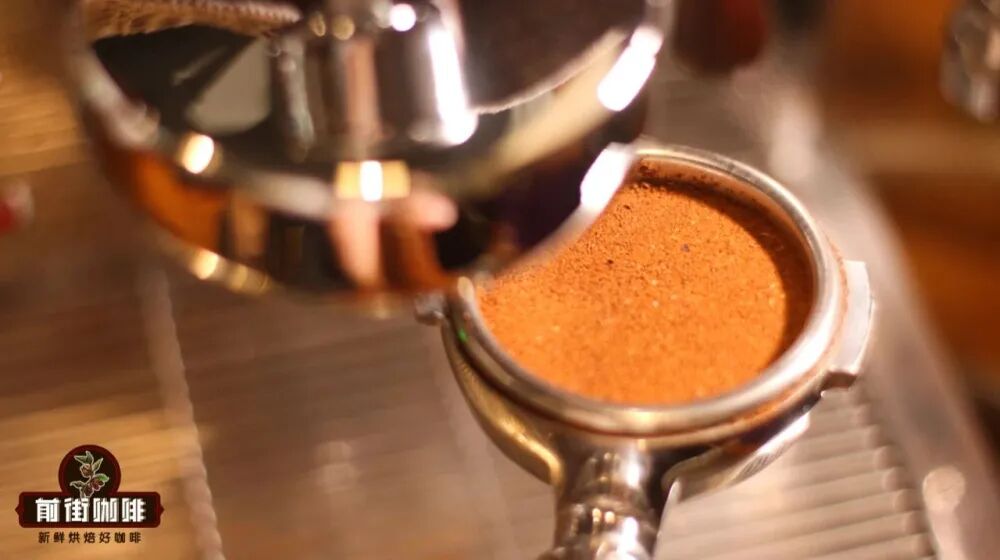
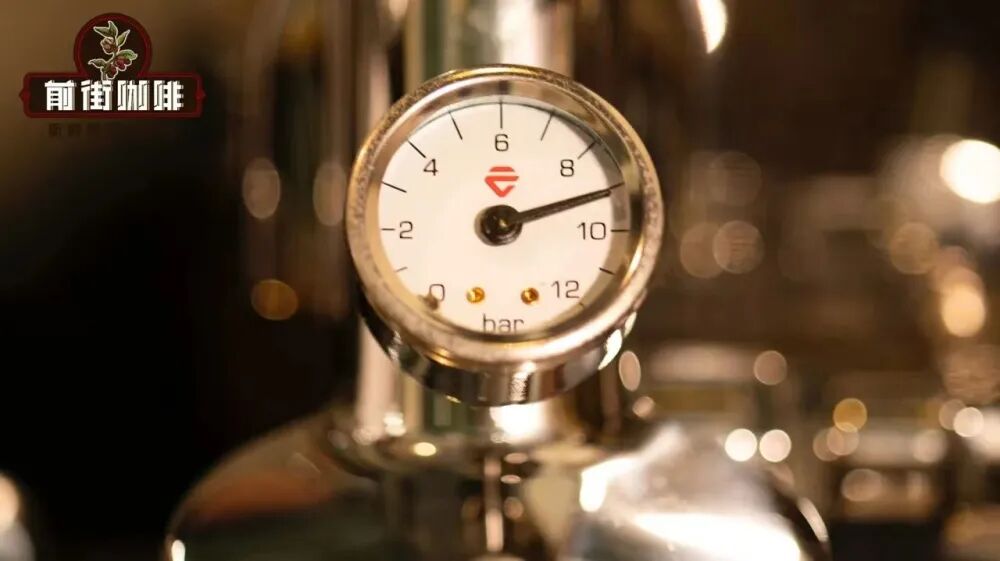
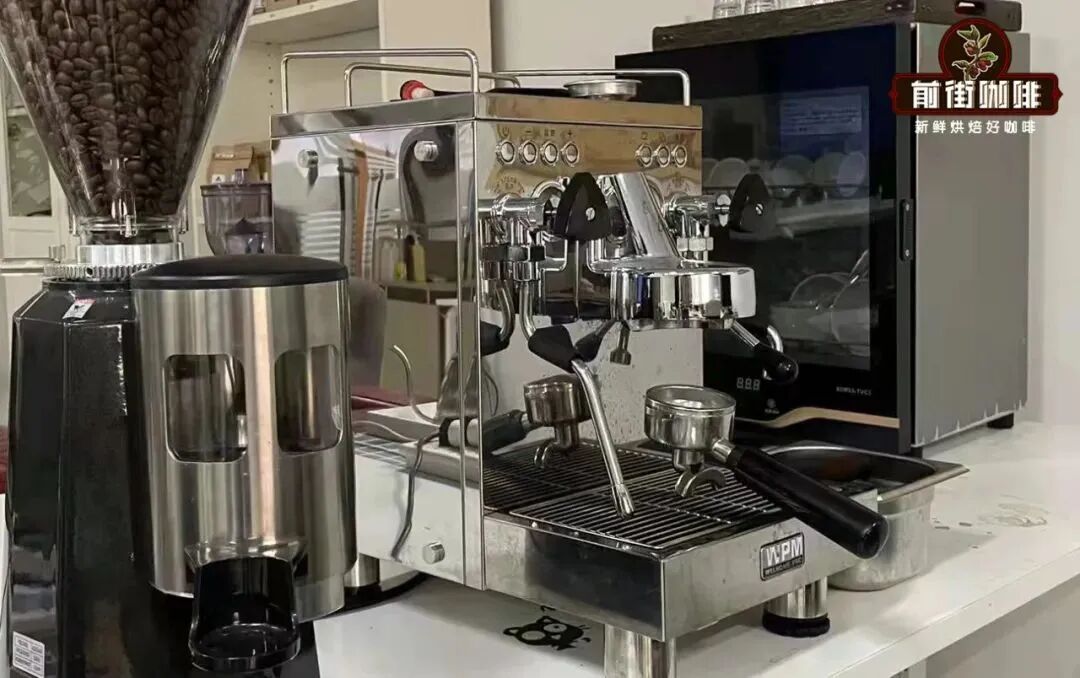
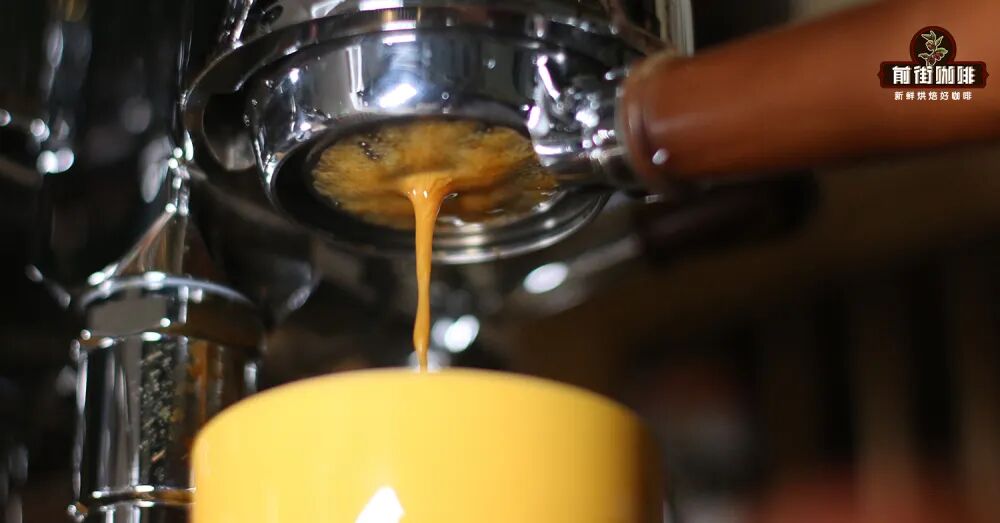
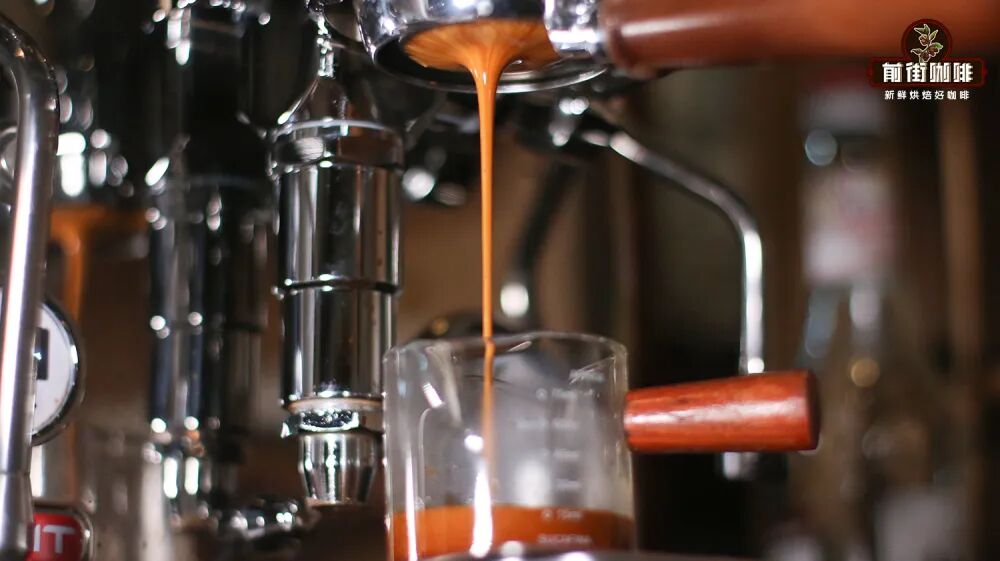
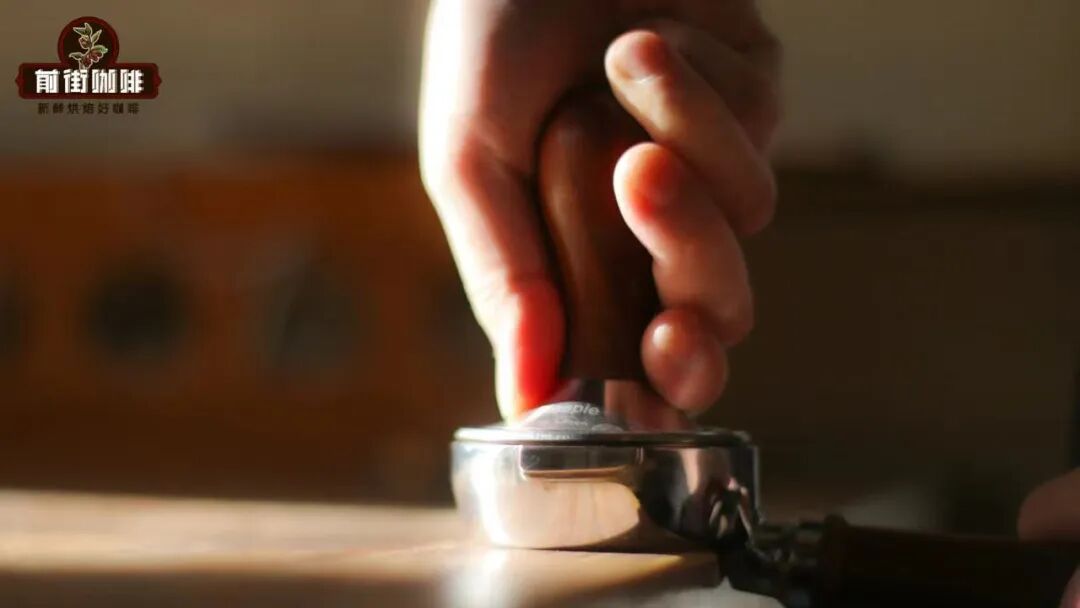
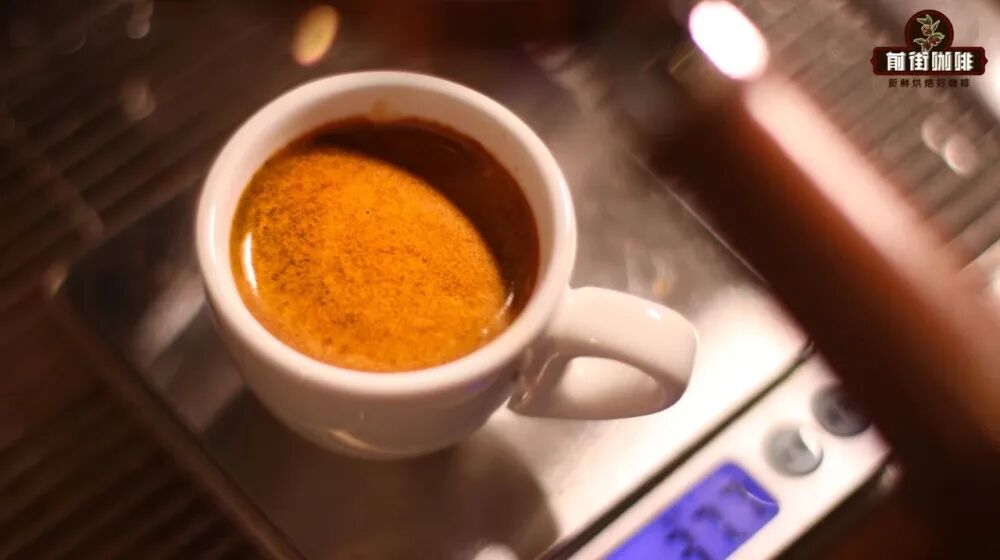
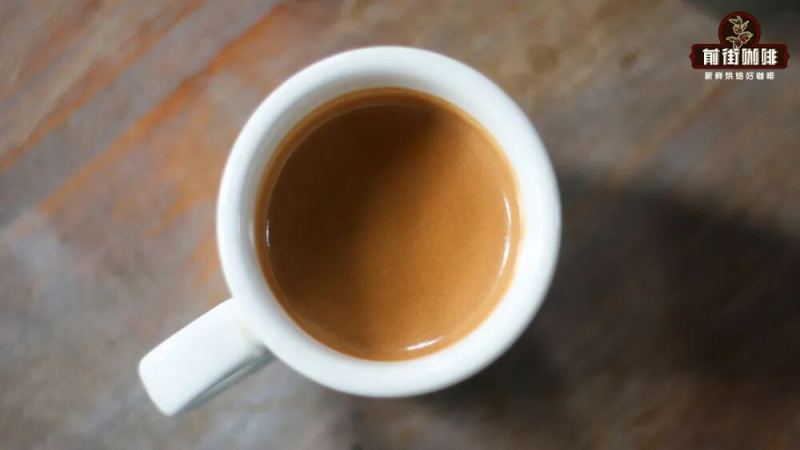
When drinking espresso on its own, many people can't handle it—the high concentration of burnt bitterness is often described as tasting like Chinese medicine. But after adding milk or diluting with water, many people find it easier to accept. Reality, however, is often cruel—you inevitably come across coffee that's hard to swallow even after adding milk, and situations like this usually indicate a problem with the coffee extraction.Among Front Street Coffee's customers, quite a few own espresso machines at home, playing around with them when the mood strikes, with far lower operating frequency than a café. This makes it much harder to extract a delicious espresso, so a simpler extraction method is needed to help produce good-tasting coffee.The Challenges of Extracting EspressoEven in coffee shops, thin crema or excessive bitterness or sourness during espresso extraction is nothing unusual. That's why cafés typically dial in their espresso until it meets serving requirements. So what indicators can serve as reference? Naturally, time and the coffee-to-liquid ratio. Initially, the Italian Coffee Association's guideline for espresso was to extract 30ml of espresso within 20-30 seconds. Nowadays, cafés commonly fix the coffee-to-liquid ratio at 1:2, then use time as the variable, adjusting based on actual taste evaluation.This shift is mainly due to the emergence of SOE and pressure-profiling extraction machines, which means extraction is no longer one-size-fits-all but rather a targeted extraction plan.For example, when extracting traditional Italian blend coffee beans versus SOE Yirgacheffe coffee beans, the parameters like grind size, dose, time, and coffee-to-liquid ratio are all different.Although today's pressure-profiling and immersion extraction seem complicated, once you understand the most critical factors of espresso and control these parameters well, extracting a bad-tasting espresso is basically no challenge at all.For home espresso machines, the choice of machine determines how difficult making coffee will be. Of course, having a dual-group commercial espresso machine at home isn't very realistic, but if it's just a small, supposedly impressive home espresso machine (also known as a "toy machine"), then it's basically starting on hell mode. Front Street Coffee believes that only machines like the Hui Jia 310 and above qualify as beginner-level setups.Coffee beans then become the next challenge—how to choose coffee beans becomes a major study. Online, prices range from 30 yuan to 300 yuan, but Front Street Coffee wants to remind everyone: don't be tempted by bargains, saying you'll buy some cheap practice beans first to practice extraction. These beans are fine for practicing repetitive motions, but taking it further is basically impossible. Based on Front Street Coffee's experience, first of all, bad beans easily produce coffee with burnt bitterness, sharp sourness, and insufficient crema. If the problem really comes from the coffee beans, no amount of practice will help, because if you've never tried good coffee, you won't know what good should taste like—this is a matter of perception. Of course, once you truly know what good coffee should be like, buying some practice beans to solidify your technique is fine.Regarding bean freshness, basically if you want good extraction results, espresso beans need to rest for about 7-10 days(counting from the roast date). Beans that are too fresh produce rough crema and tend to lack flavor. Beans that are too old produce thin crema, and the flavor becomes bitter and prone to over-extraction.Master a Few Basics, and Espresso Comes Easily The difficulty in extracting espresso generally lies in controlling extraction time, the formation of "channeling," and how to observe whether the espresso is normal. Front Street Coffee has summarized a few points for beginners.1. For time control, beginners should first fix the dose(depending on the basket capacity)and the coffee-to-liquid ratio at 1:2. Control the extraction time within 25-33 seconds by changing the grind size—just one variable.When extraction time is too long, make the coffee grind coarser; when it's too short, make it finer.2. But beginners add extra variables for themselves—namely distribution and tamping issues, which are also the cause of "channeling." Front Street Coffee's advice is to use a distribution tool for leveling, and keep tamping flat—you can use more force, don't worry that too much force will compress the puck too tightly. Because if your espresso machine can sustain 9 bar of extraction pressure, the force from your hand is negligible, so don't worry about tamping too hard. 3. During extraction, you need to observe the coffee's extraction state, checking whether the flow rate is even and whether there's any spurting. If coffee spurts out 2-3 seconds after pressing the extraction button, you can judge that the grind isn't fine enough or there's "channeling." If no liquid comes out even after 10-plus seconds of pressing the extraction button, you can stop extraction first and adjust to a coarser grind. And besides unstable flow rate—fast then slow—this situation is mostly caused by "channeling" or uneven tamping. 4. If you extract coffee according to requirements—within 25-33 seconds at a 1:2 ratio—with no "channeling" phenomenon, and the crema is thin, then it's very likely a coffee bean problem (not fresh, or a lighter roast), or caused by insufficient water temperature or pressure from the espresso machine.Extraction Advice for Pre-ground Coffee Front Street Coffee has also dealt with quite a few customers who need pre-ground espresso coffee. Regarding this, Front Street Coffee needs to emphasize one point: the coffee ground at a café won't necessarily perfectly match the espresso machine you're using. Conversely, even if it's the same model as the equipment used at the café, the shop may need to fine-tune parameters including the grind setting every day to ensure coffee quality.So pre-ground coffee can only determine a rough coarseness for us, and can't be precisely dialed in. For actual espresso extraction, with the grind size already fixed, if we want to make the coffee taste better, we can only control the time by adjusting the coffee dose ourselves.For example, if you use 18g of coffee to extract 36g of coffee liquid at a 1:2 target ratio, but the flow rate is extremely slow, or it won't even come out of the portafilter, then try reducing the coffee by 1g and extract again at the same 1:2 target ratio.
 The above content is compiled by CoffeeHunters, a coffee news website.