







How Fine Should Espresso Grind Be to Dial In Your Cafe Americano Ratio?
Espresso grind should be fine enough to slow the shot into a target time, but there is no single setting to lock in forever. Bean condition and air humidity shift extraction day to day, so the grinder needs small corrections, often tested each morning, to keep the same recipe working and avoid a sour or thin americano-style cup.
Start from an initial setting, apply a powder-to-liquid ratio and time formula, then adjust in steps of 0.2 based on taste until the flavor lands where you want it. Beans that are too fresh hold abundant gas, which makes extraction unstable and restricts flavor, so espresso rested for a few days after roasting behaves more predictably at home.
In making espresso, whether the grind size is appropriate directly affects the extraction result, but many enthusiasts find that a setting that has just been dialed in often "fails" after only a few days. The condition of the coffee beans, air humidity, and even the freshness of the beans can all cause the same setting to perform completely differently. This article focuses on the core question of exactly how fine espresso grounds should be ground and provides a quick-start adjustment process: from setting the initial grind setting and applying the powder-to-liquid ratio and time formula, to making fine adjustments in units of 0.2 steps based on tasting results, gradually approaching the ideal flavor. It will also explain why espresso beans that are too fresh need to rest for a few days before use, and recommend Front Street Classic Espresso Blend, helping you consistently recreate cafe-level espresso and milk coffee at home.
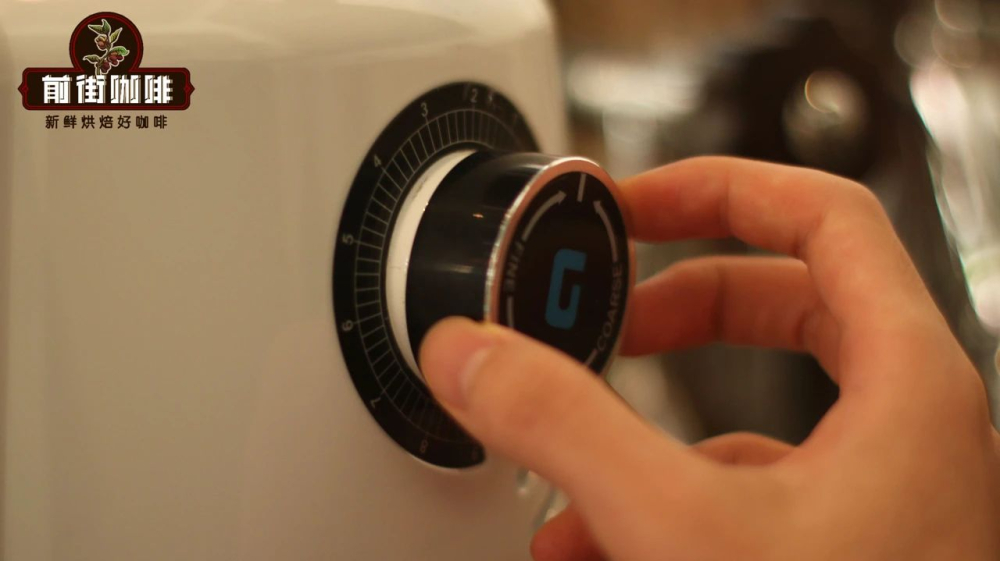
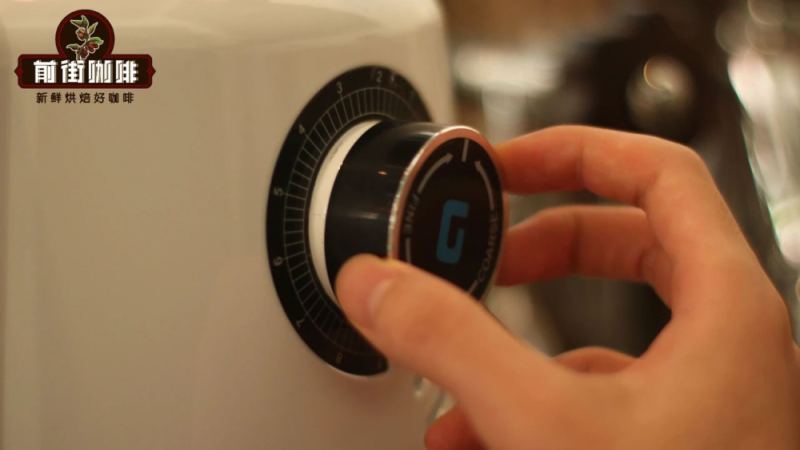
Exactly how fine should espresso coffee grounds be ground? How can you adjust the grinder to the correct espresso grind size? This is a thorny problem that almost every amateur enthusiast encounters.
First, you need to recognize a premise: espresso grind size is not something that can be set once and then used forever. The condition of the coffee beans changes, and air humidity also changes. These factors are constantly interfering with the extraction effect of espresso. Therefore, the grinder needs to be slightly corrected from time to time to adapt to the current situation. Usually, every morning you need to confirm whether the current setting can satisfy the extraction target parameters. If the weather is changeable, it is very likely that the grind size adjusted in the morning is already off by the afternoon, and at that point you can only recalibrate it.
Front Street would like to specifically remind you of one point here: sometimes the extraction performance is erratic and you have to adjust the grind frequently. Besides uncontrollable factors such as weather, there is also a key reason in the freshness of the coffee beans. All coffee beans sold by Front Street are roasted within 5 days, so when you receive them, the beans are still quite fresh. As far as espresso is concerned, beans that are too fresh have abundant gas inside, the extraction process is prone to instability, and flavor release is also restricted, so Front Street recommends letting espresso beans rest and age for a few days after receiving them before starting to use them.
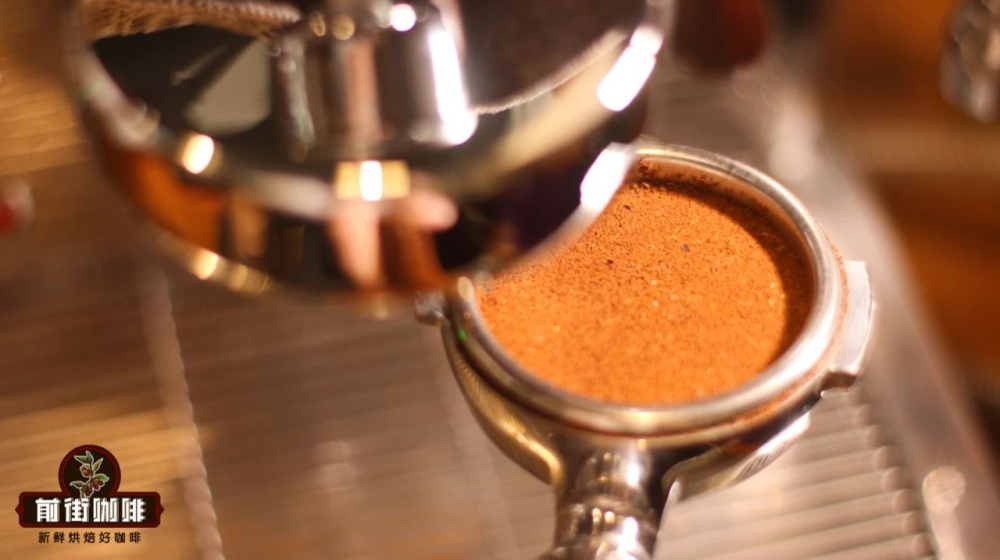
If you want to get the espresso grind size right, you can only figure it out through repeated actual extractions. Before starting, you first need to clarify a few goals: First, why adjust the grind? Because the espresso currently extracted has not reached the preset standard, which includes both extraction parameters and flavor performance. Second, during grind adjustment, try to keep other variables constant, such as keeping your distribution and tamping techniques skilled and consistent, and keeping the dose and liquid yield fixed; otherwise, too many uncertain factors will be mixed into the grind adjustment process.
Below is a way of thinking that can help you lock in the grind size relatively quickly. First set a setting at random (visually close to the coarseness of flour), for example 2.0 on the Q18 grinder used by Front Street Coffee stores, and then apply the basic formula - a 1:2 powder-to-liquid ratio and a time between 20 and 30 seconds. The dose is determined according to the recommended capacity of the basket: use 20g of coffee for a 20g basket, and 18g of coffee for an 18g capacity.
If the extraction time exceeds 30 seconds, then next time adjust coarser, by about 0.5 steps, that is, change to 2.5; if the time is less than 20 seconds, then next time adjust finer, and the setting becomes 1.5.
Once the extraction time can stabilize between 20 and 30 seconds, then make fine corrections by tasting the americano or latte, and the adjustment range in this round is reduced to 0.2 steps. If it tastes weak in aroma and overall sour, adjust the setting finer by 0.2 steps, and the grinder dial becomes 1.8; if the taste is burnt and bitter and unpleasant, adjust coarser by 0.2 steps accordingly, that is, 2.2, and repeat this until the overall flavor of the espresso is satisfying.
In fact, when making espresso, besides controlling the various parameters well, Front Street believes that choosing the right coffee beans is equally key, because the beans are ultimately the foundation that determines whether a cup of coffee tastes good.
If you want to recreate the same espresso at home as in a coffee shop, it is recommended to try Front Street Classic Espresso Blend. This blend is composed of three origins: Brazil, Indonesia, and Vietnam, so it combines the caramel sweetness of American coffee with the bold character of Asian coffee. In order to maximize the coffee's rich aroma and to allow everyone to easily extract a thick, dense crema, Front Street Coffee chose a dark roast. Whether made into an americano diluted with water or a latte paired with milk, it is very suitable. You can place an order at the Front Street Taobao store or the Front Street Tmall flagship store.
The above content is compiled by CoffeeHunters, a coffee news website.


