







Search Results for: thermal conductivity
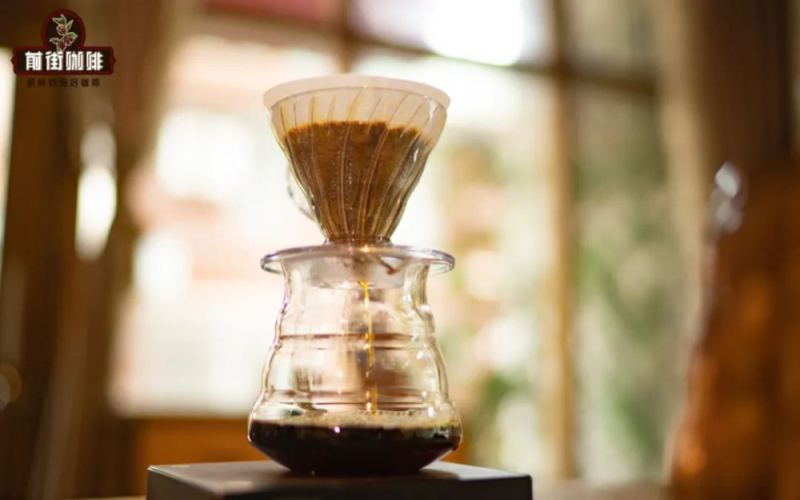
How Does Filter Cone Material Affect Coffee Extraction? Analyzing Brewing Differences Through Thermal Conductivity and Specific Heat Capacity
Coffee filter cups on the market come in a wide variety of materials—resin, glass, ceramic, and metal each have their own fans—but what real impact do different materials actually have on brewing? Many people's first thought is the price difference, but setting aside cost, the most core difference between materials lies in their ability to control temperature. Thermal conductivity determines how quickly heat is transferred, while specific heat capacity relates to how much heat an object can store. Together, these two physical parameters directly change the temperature performance of hot water during the extraction process. Metal conducts heat fastest but also dissipates it quickly; ceramic has a high specific heat capacity but needs thorough preheating; glass performs mildly; and resin, because it absorbs heat slowly, has almost no effect on water temperature. In this article, Front Street Coffee will break down the characteristics of four common filter cup materials one by one, and combine them with the actual differences in flow rate among V60 versions made of different materials, to help everyone understand why you cannot simply copy extraction formulas from the internet, but should instead flexibly adjust your brewing strategy according to the material of the filter cup in your hands. [more…]
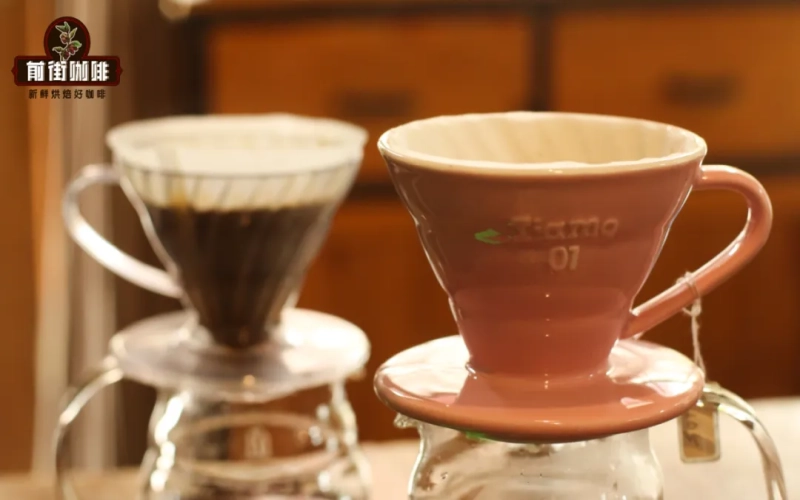
How do the material differences between ceramic and resin drippers affect the extraction results of pour-over coffee?
The material of a pour-over coffee dripper isn't just about feel and aesthetics—it genuinely changes the flavor in the cup. Front Street Coffee has shared before that the reason different dripper materials produce different extraction results comes down to two physical indicators: specific heat capacity and thermal conductivity. Thermal conductivity determines how quickly heat transfers, while specific heat capacity determines how easily a substance heats up or cools down. Together, they determine how much temperature a dripper "steals" from the hot water. This article will start from these two concepts to explain why a ceramic dripper makes coffee less bitter when it hasn't been preheated, why it's best to warm a ceramic dripper with hot water before use, and offer parameter adjustment suggestions based on actual brewing. [more…]

The Complete Guide to Buying a Dripper: The Profound Impact of Cone Shape, Internal Ribs, Hole Design, and Material on Extraction Flow Rate and Temperature Control
Faced with drippers of all shapes and sizes on the market, friends new to pour-over coffee are often baffled by names like V60, Kono, and Origami, along with materials such as ceramic, resin, and metal. This article starts from the fundamental structure of the dripper, breaking down what the cone shape, internal ribs, bottom hole, and construction material each mean. You'll come to understand that these designs ultimately point to two core factors: flow rate and temperature control, and grasping the differences in thermal conductivity and specific heat capacity can help you match a more suitable dripper to your brewing method. Front Street Coffee takes you through the principles so you no longer follow trends blindly, and find that perfect cup of coffee of your own. [more…]
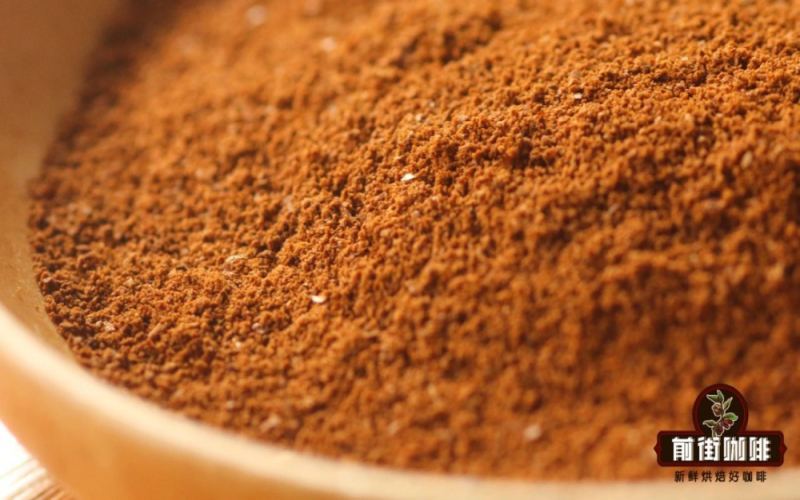
How Fine Should Cold Brew Coffee Grounds Be? An Analysis of How Coarse and Fine Grinds Affect Extraction Strength
When making cold brew coffee, should the grind size be coarse or fine? Many enthusiasts habitually assume that grinding finer will increase the concentration, but in a low-temperature, still-steeping extraction environment, this logic does not necessarily hold. Through practical experiments, Front Street used the same Yirgacheffe beans, the same coffee-to-water ratio, and the same steeping time to make cold brew with fine and coarse grinds respectively, testing the concentration and tasting the flavor differences. The results showed that the coarse grind actually had a slightly higher TDS, and its flavor performance was also brighter and sweeter. This article will explain this phenomenon from the perspectives of water temperature and particle movement, and provide grinding recommendations and applicable conditions for making cold brew coffee, helping you make a cup of cold brew with excellent concentration and flavor. [more…]
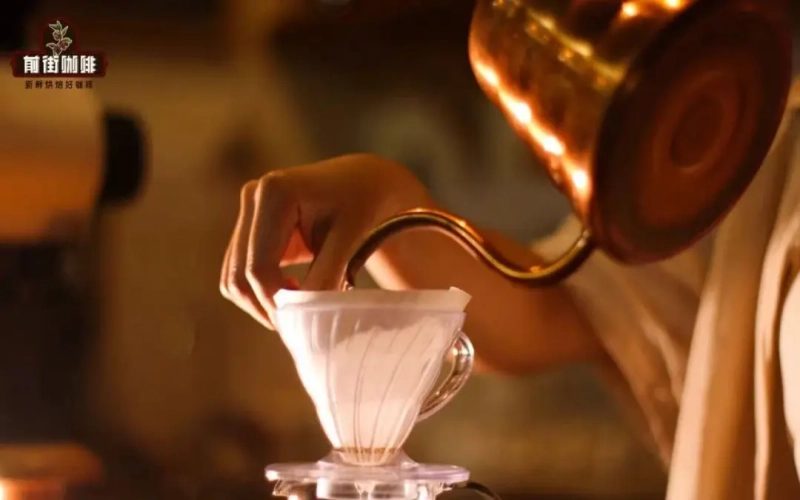
The Impact of Wetting Filter Paper Water Temperature on Coffee Extraction: How to Choose Between Hot and Cold Water
When brewing pour-over coffee, wetting the filter paper is a common step, but have you ever considered that the choice of water temperature can also change the final flavor? This article analyzes the different results brought by wetting the filter paper with hot water versus cold water from three dimensions: the state of the filter paper, extraction efficiency, and coffee temperature. At the same time, drawing on Front Street Coffee's brewing experience, it offers recommendations for filter holders made of different materials such as ceramic and resin, and explores the actual impact of preheating the sharing pot on the temperature of the brewed coffee. Whether you are pursuing sweetness or delicate flavors, you can find a way of wetting the filter paper that suits you. [more…]
The Grinding Logic and Bean Selection Guide for Low-Temperature Cold Brew Coffee: From Extraction Principles to Specialty Drink Concentration Control
Cold brew coffee is extracted in a low-temperature, still environment, and many people habitually assume that grinding the coffee finer will increase its strength—but is that actually true? Through comparative experiments, Front Street Coffee found that a coarser grind actually yields a higher TDS reading in cold brew. Starting from the underlying logic of water temperature and particle movement, this article will explain why the "finer grind equals stronger coffee" theory that applies to high-temperature pour-over does not hold for cold brew. It also offers coffee bean recommendations suitable for cold brew, suggested coffee-to-water ratios, and points to note on grind selection for beans of different roast levels, helping you make a specialty cold brew with just the right strength and an aroma that isn't masked by added ingredients. [more…]

Cold Brew Coffee Extraction Rate | How to Increase Cold Brew Coffee Concentration? What Is the Brewing Ratio for Cold Brew Coffee? Cold Brew Coffee Bean Recommendations for Specialty Coffee Drinks
Before writing this article, Front Street asked several coffee professionals/enthusiasts: "Under normal circumstances, when making cold brew coffee, if you use the same water, coffee beans, amount of coffee grounds, brewing container, and brewing time, how would you increase the extraction concentration of the coffee?" I believe everyone, like the interviewees, would [more…]
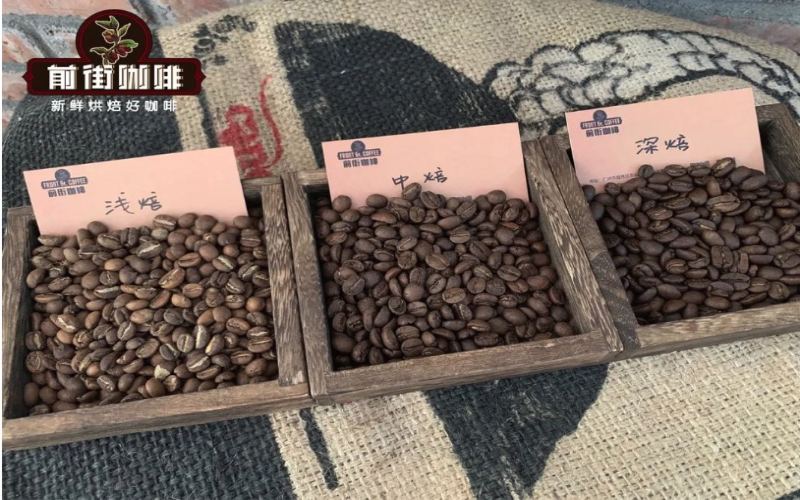
The degree of roasting of coffee beans is determined based on what?
The flavor of coffee, 60% comes from the raw beans, 30% comes from roasting, and 10% comes from brewing. It can be seen that there are many factors affecting the flavor of coffee. Then, as roasters, how to determine the degree of roasting of coffee b [more…]
The Complete Guide to Ice Drip Coffee and Cold Brew Coffee: From Extraction Principles and Flavor Differences to Detailed Brewing Steps
Coffee doesn't have to be brewed with hot water—cold water can also extract stunning flavors. Since the 1960s, Japan has popularized an extraction method that uses a special ice drip pot to slowly drip ice water through coffee grounds, yielding a rich, full-bodied coffee liquid with almost no unpleasant bitterness. Because cold water lacks the thermal molecular movement of hot water, the extraction process often takes six to eight hours, during which one must constantly monitor the melting ice and replenish it promptly to ensure the dripping water remains at a consistently low temperature. Combined with limited output per batch, ice drip coffee is usually priced higher than other regular coffees. However, ice drip equipment is expensive, so some people have switched to soaking coffee grounds in cold water and then refrigerating for about twelve hours. Although this method is slightly inferior in clarity, it still produces a full, balanced coffee without undesirable bitterness. This article will systematically outline the essential differences between ice drip and cold brew, the flavor differences between cold-water and hot-water extraction, and, using Front Street Coffee's practical experience as an example, provide detailed guidance on the preparation methods and storage recommendations for both types of cold coffee. [more…]

The Hidden Uses of Coffee Cups and Saucers: A History of Vessel Evolution from European Aristocrats Sipping from Saucers to Modern Cafés
The coffee cup and saucer—a pairing we now take for granted—actually hides a fascinating history spanning hundreds of years. Different cultures have radically different interpretations of what a coffee saucer is for: some use it to hold a spoon, some use it to collect bones, but Europeans once had a surprising answer: the saucer was meant for drinking coffee. From the awkward situation in 17th-century Europe when there were no dedicated coffee cups, to the tableware revolution after Zheng He's voyages to the West brought porcelain, and then to the widespread adoption of mugs with handles, the evolution of the coffee cup and saucer reflects humanity's eternal tug-of-war between elegance and practicality. This article takes you back through this amusing history, complete with hilarious comments from netizens and a hands-on test by Front Street Coffee. [more…]
Cold Brew Coffee Tutorial | How Long Does It Take to Make Cold Brew Coffee? Can Soaking Coffee Grounds in Warm Water Shorten the Cold Brew Making Time?
As one of the representatives of iced coffee, cold brew is usually made with room-temperature water (around 20–30°C), but because the extraction efficiency is low, a long steeping time is needed to extract more flavor compounds, so as to highlight the coffee's sweetness and body. Experienced friends know that making a pot (cup) of cold brew quickly [more…]
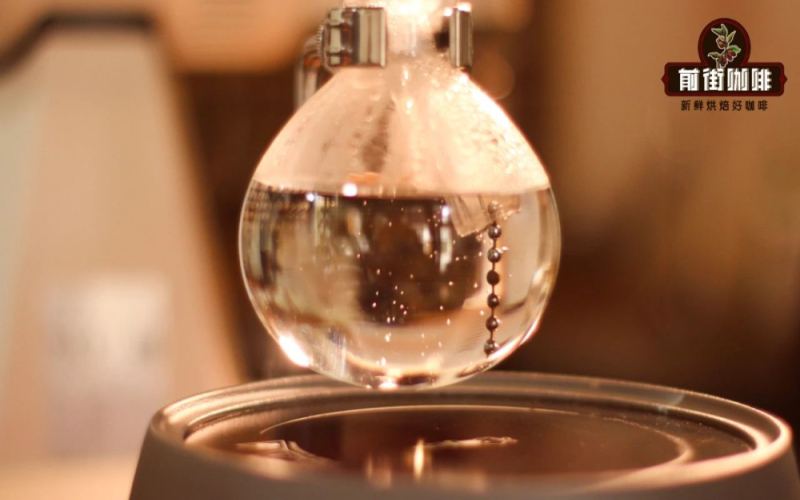
How to Choose Coffee Beans for a Siphon Pot? A Front Street Single-Origin Recommendation Guide from Beginner to Advanced
If you've ever seen a barista in a coffee shop fiddling with two glass globes, moving them up and down like conducting an experiment, that's actually siphon brewing. Coffee made this way has a fuller, heavier body than pour-over, with a more concentrated aroma. But the key is choosing the right beans—too light a roast tends to be sharply acidic, while too dark a roast leans bitter. This article selects several Front Street Coffee beans suited to the siphon brewer, covering different needs from beginner to advanced and for those who prefer a rich, full-bodied cup, to help you find your perfect brew. [more…]
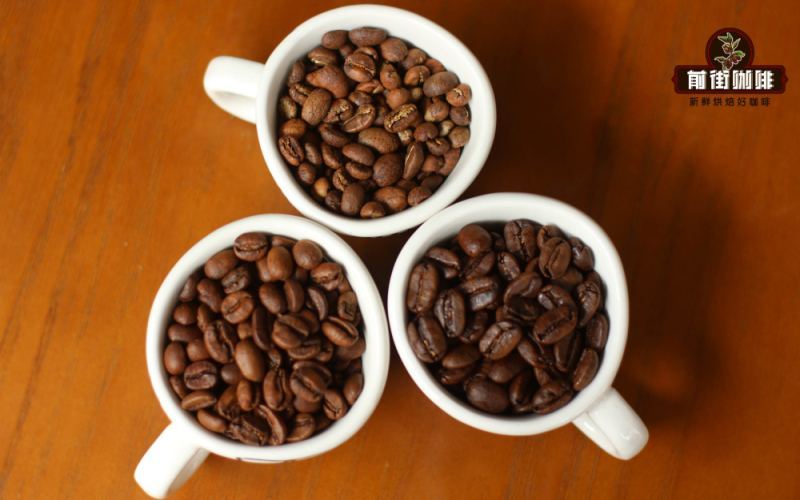
From Light to Dark: A Comprehensive Analysis of Eight Coffee Roast Levels and a Practical Operational Guide
Coffee roasting is the core step that determines the flavor direction of a cup of coffee. From green beans to the drink in your cup, the degree of roast directly governs the balance of acidity, sweetness, and bitterness. This article systematically sorts out eight common roast levels, the working principles of three types of coffee roasters, and the mechanisms by which caramelization and the Maillard reaction shape flavor. It also records in detail Front Street Coffee's operational procedures and curve management experience in actual roasting, helping coffee enthusiasts build a complete cognitive framework from theory to practice. [more…]
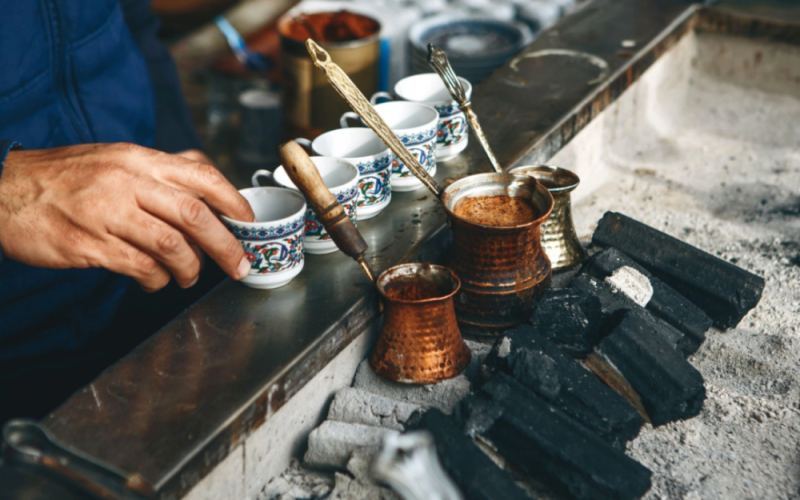
Why Does Turkish Coffee Always Brew Up a Full Pot? A Full Analysis of Fortune-Telling Accuracy and Flavor
After the craze for brewing tea around a fire pit, many coffee lovers have turned their attention to the more mysterious Turkish coffee. Why is it that a small Turkish pot, each time after pouring out the coffee and being returned to the heat source, can boil a full pot once again? Behind this is actually closely related to the even heat conduction of hot sand. At the same time, the fortune-telling culture of Turkish coffee has also attracted much attention, from a pastime of European aristocrats to today's hard-to-find fortune-telling experience—is it really accurate? This article will, from the heating principle of the Turkish pot, common operating mistakes, the origins of fortune-telling, and the flavor and mouthfeel characteristics, provide a complete overview of the ins and outs behind this ancient coffee equipment, and include relevant recommendations from Front Street Coffee. [more…]
Siphon brewing principles and recommended coffee beans: a complete analysis from how it works to bean selection
When you see a barista in a coffee shop handling two glass bulbs, moving them up and down as if conducting an experiment, that is actually siphon brewing. It relies on steam pressure generated by heating to push hot water up into the upper chamber to contact the coffee grounds, and after the temperature drops, extraction is completed through vacuum reflux, resulting in a fuller, more solid mouthfeel and more concentrated aroma than pour-over. But not all beans are suitable for a siphon; choosing the wrong type can easily make the coffee bitter or sour. Starting from Front Street's bean-selection experience, this article first explains the working principle and flavor characteristics of the siphon, then, along three routes—beginner, advanced, and those who prefer rich and mellow coffee—recommends suitable beans such as Bird of Paradise, Strawberry Candy, Sidra, and PWN Golden Mandheling, helping you find coffee beans suited to siphon extraction. [more…]
Pour-Over Kettle Buying Guide: A Detailed Look at Spout Shapes, Material Differences, and Brand Recommendations
The heating up of the single-origin coffee market has driven the diversified development of pour-over equipment. Faced with numerous brands such as Kalita, Hario, and Bonavita, as well as different kettle shapes like fine spout, gooseneck, and flat spout, beginners often find it hard to choose. This article approaches the topic from two major dimensions—spout inner diameter and material characteristics—to systematically sort out the pros and cons and applicable scenarios of various pour-over kettles. Combined with the hands-on experience of several baristas, it also reviews popular models such as the Hario Cloud kettle, Bonavita gooseneck kettle, Kalita copper kettle, and Melitta pour-over kettle. Whether you are a novice just getting into pour-over or an enthusiast seeking advanced equipment, you can find a direction that suits you. The article also includes practical advice from Front Street Coffee. [more…]
A Complete Guide to Roasting Curve Parameters: From Turning Point to First Crack, a Step-by-Step Explanation of the Key Milestones
The roasting process of every coffee bean requires detailed recording of curve data, including the turning point, heat adjustments, temperature changes, and first crack time. These data are not only the basis for reproducing flavor, but also an important reference for roasters to understand the characteristics of the beans. This article will break down the key nodes in the roasting curve one by one—from the preheating drum temperature setting, the coordination of heat and airflow, to the turning point, yellowing point, Maillard reaction, caramelization reaction, and then to the determination of first crack and the calculation of the rate of rise—to help you build a clear logic for reading roasting curves. At the end, using [Front Street Jamaica Blue Mountain] as an example, it shows how to design the roasting rhythm according to the nature of the beans, so that acidity, body, and aroma reach a delicate balance. [more…]
Hario V60 vs Chemex Coffee Brewer Comparison: Extraction Principles, Design Features, and Brewing Method Recommendations
In the world of specialty coffee, the Hario V60 and the Chemex are two highly representative pour-over brewing devices. Although both fall under the drip category, their design philosophies and extraction logic are vastly different. With its 60-degree cone angle and spiral rib structure, the V60 gives brewers enormous room for adjustment, making it ideal for veterans chasing flavor complexity; the Chemex, by contrast, draws inspiration from laboratory glassware and, paired with its thicker filters, allows even beginners to easily achieve a clean, translucent cup. This article breaks down the differences between these two classic devices in detail—from their construction and extraction variables to flavor tendencies—and includes concise brewing recommendations to help you choose based on your own needs. Whether you prefer bright and crisp or rich and balanced, you'll find direction here. [more…]
From Grinding to Temperature Control: Systematically Master the Seven Core Elements of Stable Espresso Extraction
To consistently make a delicious Espresso at home or in a shop, relying on feel alone is far from enough—you need to understand and control several key variables. This article breaks down the hardware and operational points that affect espresso quality one by one, from grind uniformity, fixed dose, and tamping technique, to brewing pressure, water temperature, extraction yield, and machine materials. Whether you use a flat burr or conical burr grinder, a vibration pump or rotary pump, you can find practical adjustment ideas here. The article also shares Front Street Coffee's practical suggestions on equipment selection and parameter settings, helping coffee enthusiasts avoid detours and make every shot of espresso closer to the ideal state. [more…]
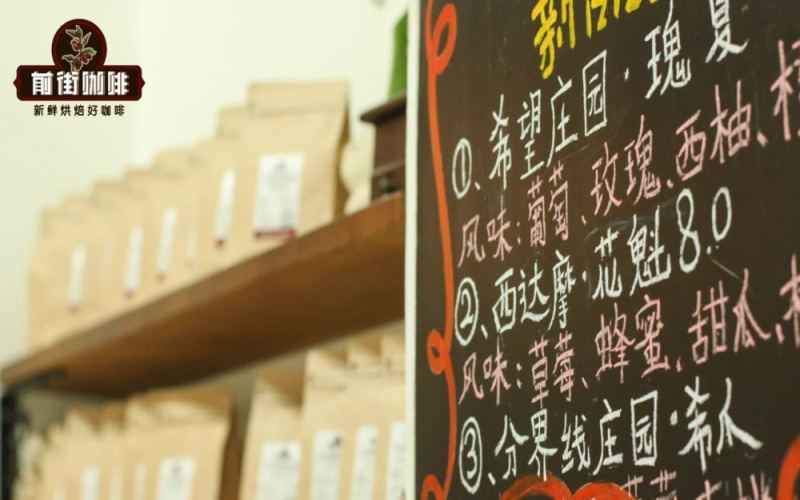
Analysis of the Geisha Coffee Variety and Raisin Honey Processing Flavor from Costa Rica's Tarrazú Region
Geisha coffee made Panama famous, but the starting point of this legendary journey was actually Costa Rica. This article focuses on Mirazu Estate in the Tarrazu region of Costa Rica, analyzing the varietal composition, raisin honey processing method, and flavor profile of its Geisha blend coffee. Estate owner Esteban Sanches, who has a formal academic background, blends four beans—Geisha, ET47, SL28, and Maico—in equal proportions, using raisin honey processing to enhance sweetness, ultimately presenting flavors of jasmine, raisin sweetness, and strawberry gummy candy. Front Street Coffee (FrontStreet Coffee) documents this bean's performance from roasting curve to cupping and brewing, taking you to understand the unique charm of Costa Rican Geisha. [more…]