







How Siphon Brewing Compares With Moka Pots
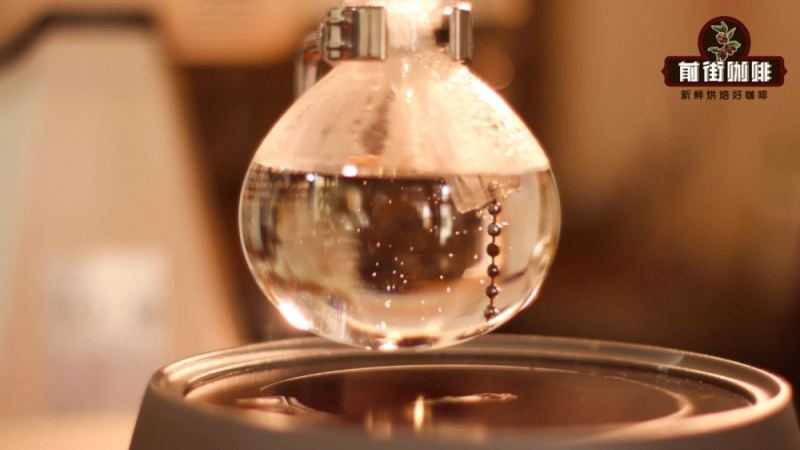
Siphon brewing heats water in a lower glass chamber, uses steam pressure to push it into the upper chamber where it meets the grounds, then lets vacuum return pull the coffee back down. Compared with pour-over, the result is a fuller body and more concentrated aroma. Beans that suit it well are medium roasts with clear sweetness.
The method differs from moka pots, which push water upward through a metal basket under pressure on a stovetop. In the siphon, temperature drops drive the return, so grind size, contact time and heat source matter. Beginners can start with balanced beans, while richer options like Mandheling suit those who prefer a heavier cup.
When you see a barista manipulating two glass chambers in a coffee shop, flipping them up and down as if conducting an experiment, that's actually siphon brewing. It relies on steam pressure generated by heating to push hot water up into the upper chamber where it contacts the coffee grounds, then after cooling, the vacuum return completes the extraction, resulting in a fuller, more robust body and more concentrated aroma compared to pour-over. But not all beans suit the siphon—choosing the wrong type easily leads to bitterness or sourness. This article, based on Front Street's bean selection experience, first explains the working principle and flavor characteristics of the siphon, then recommends suitable beans like Paradise Bird, Strawberry Candy, Sidra, and PWN Golden Mandheling along three routes: beginner, advanced, and those who prefer bold richness, helping you find coffee beans ideal for siphon extraction.
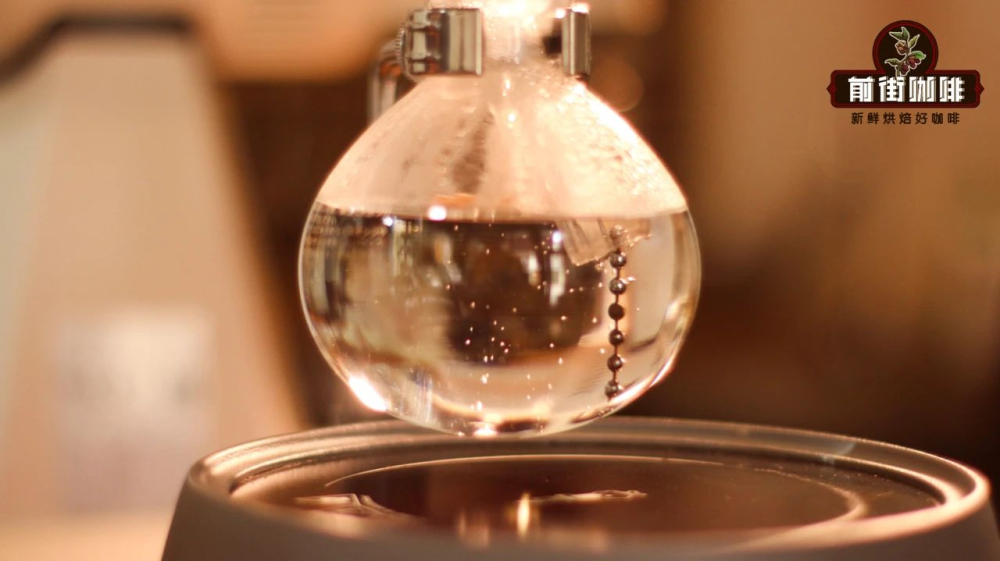
When ordering in a café, have you ever noticed two glass chambers in front of the barista, moving as if performing a chemistry experiment? Don't think it's just a fancy show—what's served to you next will be a cup of thick, round, and full-bodied siphon coffee.
Many people struggle most with what coffee beans to pair with a siphon. Once you choose the wrong direction, the aroma of the final product suffers greatly, and it might taste bitter or even sour. Today, Front Street is here to discuss how to select the right coffee beans for a siphon.
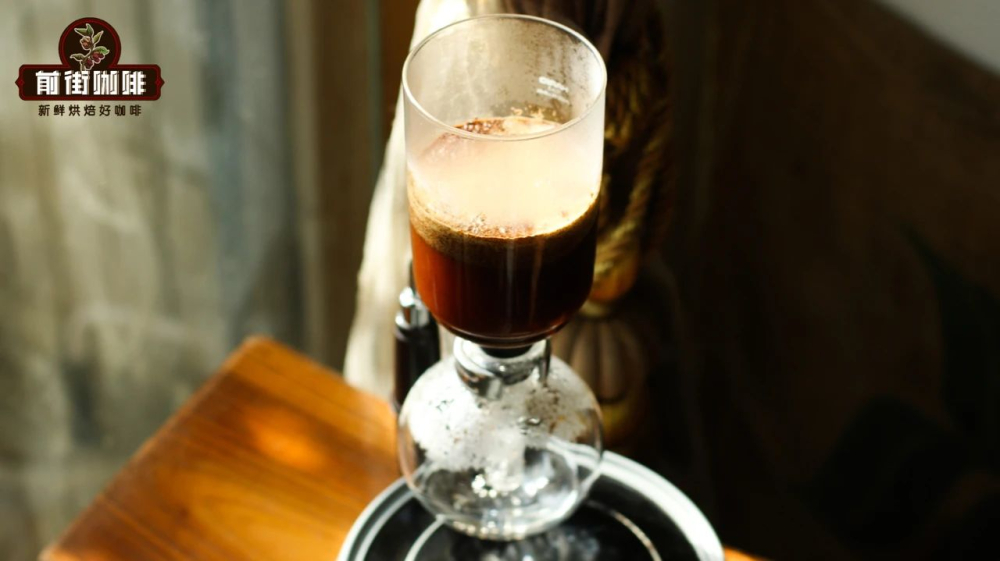
The siphon is written as "SIPHON" in English, hence also called a vacuum pot. Its operating logic is: water in the lower chamber heats up to produce steam, and the pressure difference created by thermal expansion and contraction pushes hot water into the upper chamber, where it fully mixes with the coffee grounds; when the temperature drops, the coffee liquid returns to the lower chamber through the vacuum tube, completing the extraction. The name "siphon" comes from the siphon principle it uses—driving extraction through pressure differences caused by temperature changes.
Anyone who has tried siphon coffee can feel that it differs quite noticeably from pour-over coffee, in both mouthfeel and taste. Pour-over produces coffee that is cleaner, with distinct layers and clearer flavor direction; siphon coffee, on the other hand, is fuller, with more concentrated aroma and a more solid entry.
To bring out this fullness, when selecting beans, one should lean toward single-origin coffees where neither acidity nor bitterness stands out: they can showcase the bean's own character without becoming bitter or sour due to over- or under-roasting.
If it's your first try, you can go directly for the beginner-friendly Front Street Paradise Bird coffee beans. They are medium-roasted, with flavor notes of nuts, cream, dark cocoa, and sugarcane. Not only suitable for pour-over, but also for moka pots, French presses, and the ceremonial siphon.
If you want to further challenge yourself with more layered siphon coffee, try Front Street Strawberry Candy or Front Street Sidra. These two beans come with full floral and fruity aromas; after high-temperature extraction, they release intense scents similar to passion fruit, grape, berries, and apricot, ideal for those who fear bitterness.
If you prefer a thick, rich black coffee, then Front Street PWN Golden Mandheling is a reliable choice. As one of Asia's most famous specialty coffees, Front Street Golden Mandheling undergoes three hand-sortings plus one machine-sorting in green bean processing, making the beans uniform and translucent; after medium-dark roasting, the beans are large and carry intense aromas of spices, caramel, cedar, and dark chocolate. Used for siphon coffee, the liquid is full-bodied, very suitable for those who dislike acidic coffee.
The above content is compiled by CoffeeHunters, a coffee news website.


