







Search Results for: test

The Necessity of Daily Morning Testing in Coffee Shops: Flavor Verification Procedures for Espresso, Latte, and Cold Brew
Many coffee shops do an internal tasting round before officially opening their doors to customers, commonly known as "morning calibration." The core purpose of this step is to confirm whether the coffee being served that day still tastes consistent, and if any abnormalities or negative changes in flavor are detected, adjustments must be made promptly. Some people wonder: if the equipment, water quality, parameters, and beans haven't changed, how could the taste change? In fact, espresso is particularly susceptible to the effects of coffee bean degassing and air humidity, so morning calibration is not superfluous. In addition to espresso, lattes and cold brew also need to be included in the testing. This article will explain one by one the reasons for morning calibration in coffee shops, what gets tested, and its significance at the food safety level. [more…]

Fujian Consumers Council tested 59 freshly made coffee samples and all contained acrylamide; is the dosage safety being misinterpreted?
Recently, the Fujian Province Consumers' Rights Protection Commission released a comparative test report on freshly made and sold coffee. In tests of 59 samples from 20 brands in Fuzhou, low levels of acrylamide, a Group 2A carcinogen, were found in all of them. After the news spread through self-media, it quickly triggered public concern. In fact, acrylamide in coffee is naturally produced during the roasting process and is not artificially added. This article will analyze the testing background, the sources of acrylamide, and the carcinogenic dose in order to help readers view this test result rationally and avoid being misled by scary headlines. [more…]
An Analysis of the SCA and Q Grader Certification Systems: Exam Content and a Practical Guide for International Baristas
Want to break into the coffee industry—do you really need to spend money on certifications? The two major international credentials, SCA and Q Grader, are often discussed. SCA uses a credit-accumulation system covering barista skills, pour-over, roasting, sensory, and green coffee, among other areas, allowing students to choose modules as needed; Q Grader, launched by CQI, focuses on green coffee quality evaluation, requiring candidates to pass twenty tests within six days, with the certificate valid for three years. This article breaks down the course structure, exam content, fees, and target audiences of the two types of certification to help you decide which path better suits your career plans. [more…]
National food safety standards propose adding acrylamide testing in coffee, responding to consumer concerns
The National Health Commission recently solicited public comments on 19 national food safety standards, among which the "Determination of Acrylamide in Foods" includes coffee within its testing scope for the first time, responding to the social debate sparked by the detection of acrylamide in freshly made and sold coffee. At the end of 2023, a report by the Fujian Provincial Consumer Council brought acrylamide in coffee into the spotlight; experts pointed out that this substance is a byproduct of high-temperature processing rather than an artificial additive, and that its content in coffee is extremely low, so there is no need for excessive concern about daily consumption. This revision of the national standard aims to improve the testing system, drive process improvements in the industry, and safeguard consumer rights. [more…]
What exactly is the difference between cupping and triangle testing? A comprehensive analysis from origins and standard procedures to sensory testing
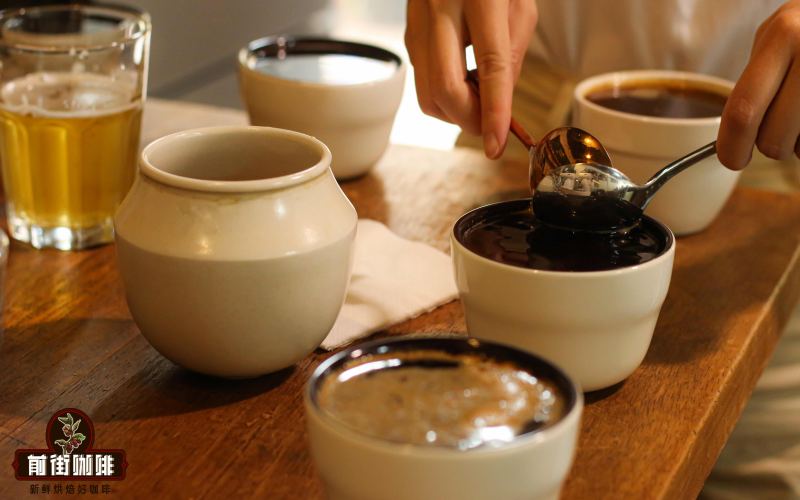
Cupping is a common method used in the coffee industry to evaluate bean quality, but why not use pour-over instead? This question takes us back to the origins of cupping. Cupping originated in the 1980s in the American coffee trade; in order to quickly, conveniently, and with minimal human intervention test large batches of coffee beans, immersion extraction came into being. Today cupping is widely used in competitions, appraisal, and research. This article will introduce in detail the standard parameters and complete process of cupping, including grinding, pouring water, breaking the crust, skimming, and tasting, and will also explain the definition of triangle cupping and how it differs from regular cupping. Front Street Coffee will also share a method for easily doing cupping at home to help you improve your tasting ability. [more…]
COE competition and coffee cup testing scoring criteria
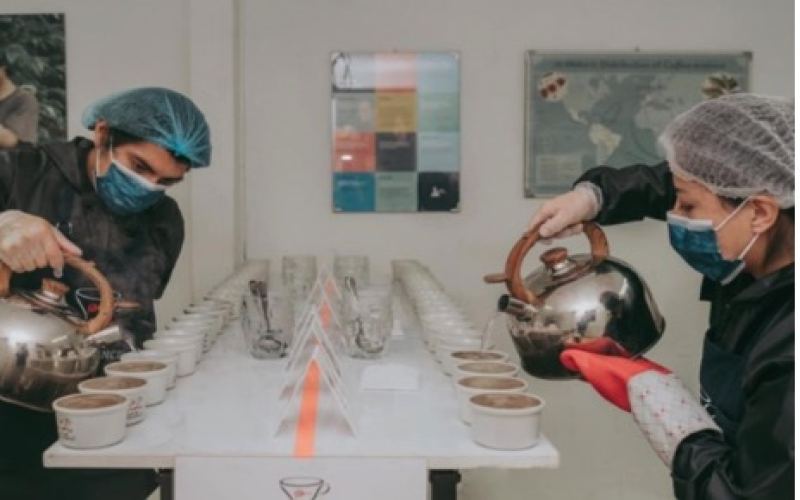
Last month, Qianjie shared with everyone the scoring system of cup testing, among which we briefly mentioned COE. In daily life, the word COE also often appears on the labels of some beans. This immediately aroused everyone's curiosity: What is COE? [more…]

Starbucks Korea admits summer giveaway storage bags contain formaldehyde, publicly apologizes and adjusts the campaign plan
Starbucks Korea recently issued a public apology after a summer promotional giveaway was found to contain formaldehyde. The incident began when an employee at an anonymous testing agency posted on social media alleging that the Summer Carry Bag travel tote contained formaldehyde, following earlier consumer complaints that the bag emitted a fishy odor resembling squid. Starbucks Korea immediately suspended the giveaway and sent the product for testing, which ultimately confirmed the presence of formaldehyde. The company announced that customers who had already redeemed the bag could return it and receive a beverage voucher as compensation, while also removing the promotional reward and pledging to strengthen safety verification procedures for future merchandise. [more…]

Coffee Brewing Water Blending, Paragon Ice Ball, and Tasting Cup Stacking Effect Test: Front Street Coffee Huakui Blind Test Comparison
When brewing coffee, water quality, cooling methods, and tasting cup types are often treated as independent variables, but can combining all three lead to more significant sensory improvements? Front Street Coffee designed a controlled experiment using Huakui beans as samples: one group used regular mountain spring water, no ice ball, and a standard espresso cup, while the other used a custom water concentrate, a Paragon ice ball, and an aromatic tasting cup, with completely identical brewing parameters. Through concentration measurements and blind tasting, the actual contributions of these tools at different stages were verified. This article documents in detail the TDS control of the custom water concentrate, the cooling mechanism of the Paragon ice ball, and the aroma-concentrating effect of the tasting cup, and invited colleagues and customers to participate in a blind selection. The final results were highly consistent, providing coffee enthusiasts with a reproducible reference for combined techniques. [more…]
What is a Q-Grader? Is it worth taking the test?
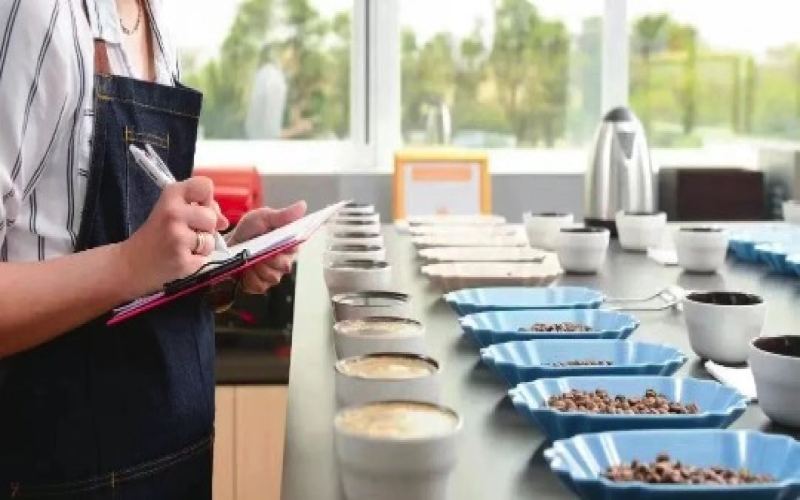
There always is such a group of people who have obtained a code for self-reference due to the particularity of their profession. Even in the seemingly not vast field of coffee, there is also such a profession. After the concept of specialty coffee wa [more…]
Golden Mandheling Coffee Beans: Flavor Testing Across Different Roast Levels and an In-Depth Analysis of Origin and Variety
As a representative of Indonesian coffee, the flavor profile of Golden Mandheling is closely tied to its roast level. This article uses pour-over brewing to conduct a comparative test of Golden Mandheling at three roast levels—dark, medium, and medium-light—and documents in detail the taste differences at each roast level, including dimensions such as body, bitterness, fruit acidity, and smoothness. At the same time, the article responds to consumers' concerns about acidity, explains why the factory chooses a medium-dark roast, and emphasizes Front Street Coffee's confidence in coffee quality and its unique understanding of it. Whether you prefer rich and full-bodied or light and gentle, you can find a roast option that suits you. [more…]

Can Soy Milk and Coffee Be Paired? A Taste Test of Soy Milk Latte and How to Make It at Home
Plant-based milk coffee has become increasingly popular in recent years. Alternatives to milk such as oat milk and almond milk are now commonplace in coffee shops, yet soy milk, a national staple drink, is rarely used to make milk coffee. Soy milk is also a plant-based milk, so why do coffee shops hardly ever offer soy lattes? Is it a flavor mismatch, or is there another reason? This article will use practical testing to make lattes with soy milk instead of milk, analyzing the ratio, mouthfeel, operational details, and other aspects, and sharing Front Street Coffee's testing process and conclusions, to help coffee lovers understand the feasibility and specific method of soy milk coffee. [more…]
How Exactly Does Tamping Pressure Affect Espresso Extraction? Test Results and Analysis at Different Grind Settings
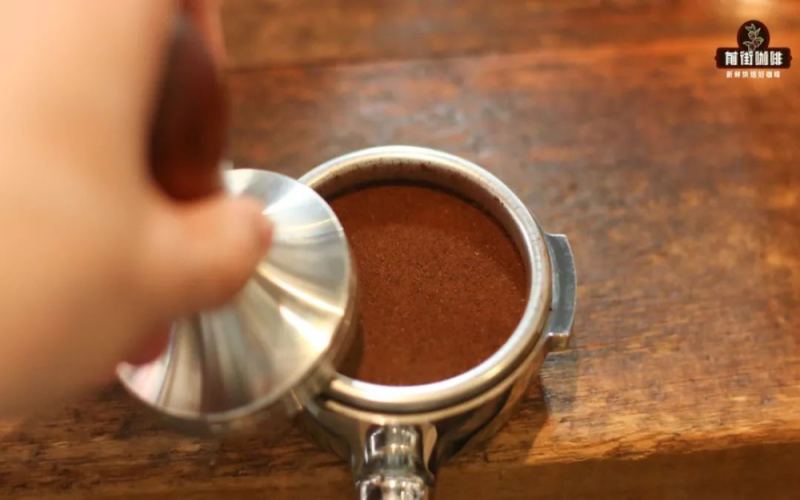
Tamping is a key step in making espresso, but how much does tamping force actually affect the extraction result? Using Front Street Coffee's measured data, this article compares the flow rate and extraction time of espresso after tamping with two different forces, 1.8 kg and 9 kg, at different grind settings. The results show that grind coarseness determines the density of the puck, which in turn affects the actual role of tamping force: with a fine grind, the difference in force noticeably changes the flow rate, while with a coarse grind, the two forces make almost no difference. The article analyzes the underlying principles in depth to help coffee enthusiasts understand the relationship between tamping force and grind setting. [more…]
How Big a Difference Does Water Temperature Make in Pour-Over Coffee? A Side-by-Side Test of 90°C vs. 93°C Extraction
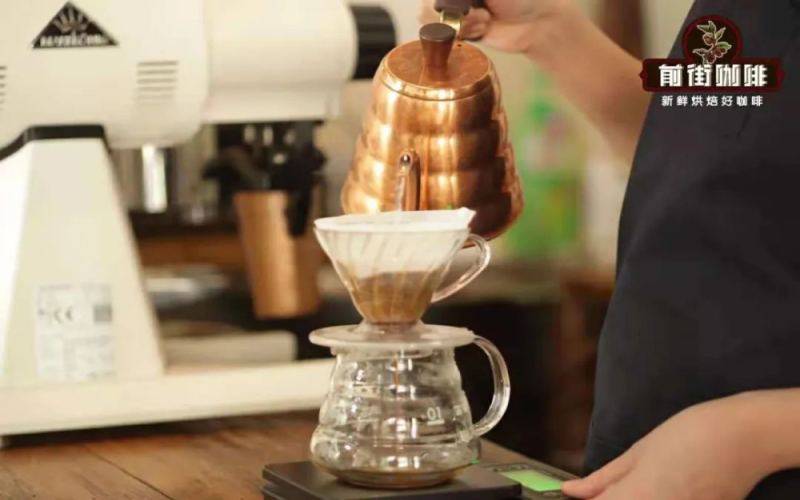
Water temperature is a crucial variable in pour-over coffee extraction, directly influencing the flavor expression of the final cup. High-temperature water produces a more intense coffee taste, while low-temperature water makes the flavor flatter. To quantify this difference, Front Street Coffee conducted a comparative test using Panama Butterfly coffee beans, brewing at 90°C and 93°C respectively, and revealing the specific effects of water temperature on extraction through concentration measurements and sensory evaluation. The test results not only show the data gap between the two in concentration and extraction yield, but also describe in detail the changes in aroma, sweetness, complexity, and defective flavors. In addition, the article shares Front Street's water temperature selection strategy for light-roast beans in daily brewing, and which bean varieties are suitable for using higher water temperatures to unleash their potential. [more…]
How Does Portafilter Temperature Affect Espresso Flavor? Front Street Tests Three States: Room Temperature, Refrigerated, and Heated
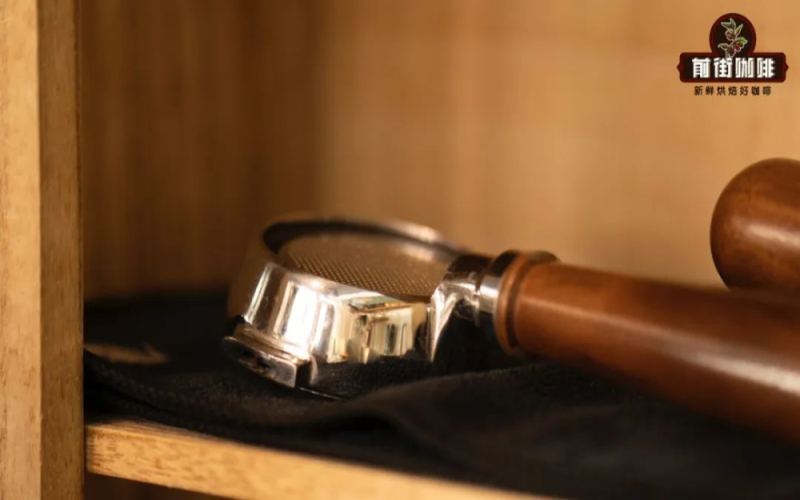
When making espresso, does the temperature of the portafilter have a substantial impact on the final flavor? Front Street Coffee conducted a comparative test around this question: three portafilters were placed respectively in a room-temperature storage area, a refrigerator's cold compartment, and the coffee machine's cup-warming zone, then used with the same beans and identical parameters for extraction. The results showed differences among the three espressos in time, temperature, and taste performance. This article documents the experimental process and tasting results in detail, explores the feasibility of low-temperature portafilters in café settings, and offers alternative solutions. If you have also agonized over whether the portafilter needs to be kept warm, take a look at what this hands-on test reveals. [more…]
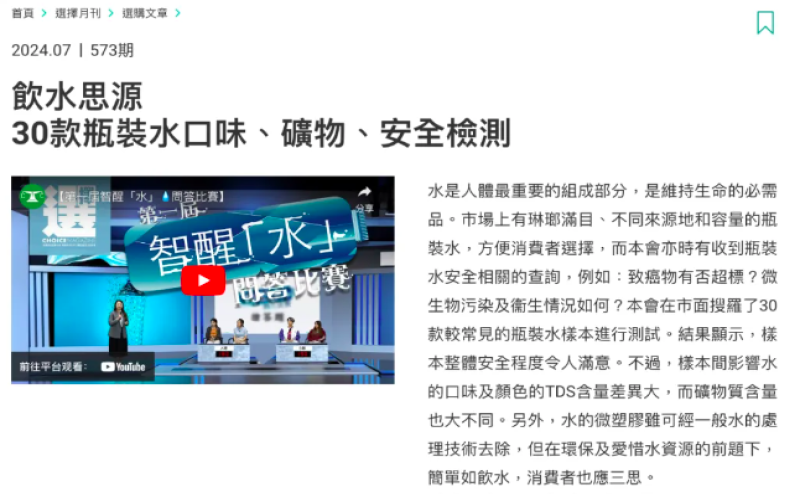
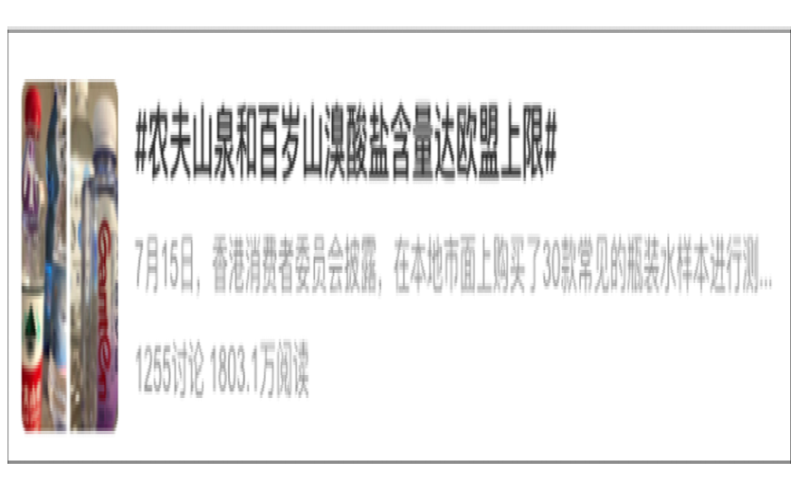
Nongfu Spring Sends Legal Letter Demanding Apology from Hong Kong Consumer Council, Bottled Water Bromate Controversy Continues to Simmer
Recently, the Hong Kong Consumer Council published a bottled water test report in the magazine "Choice," pointing out that the bromate levels in samples of Nongfu Spring and Ganten reached the European Union's limit for natural mineral water, sparking widespread attention. Nongfu Spring immediately commissioned a lawyer to send a legal letter to the Consumer Council, demanding written clarification, an apology, and the elimination of the impact; Ganten also stated that it had made representations through its legal department and emphasized that its product was at the critical value of the EU standard rather than exceeding it. The China Beverage Industry Association said it would issue a response later. The Consumer Council reiterated that none of the 30 samples were found to contain harmful substances exceeding WHO guidelines, and that the article focused on value for money and the environmental impact of plastic bottles, and that all samples could be safely consumed. [more…]
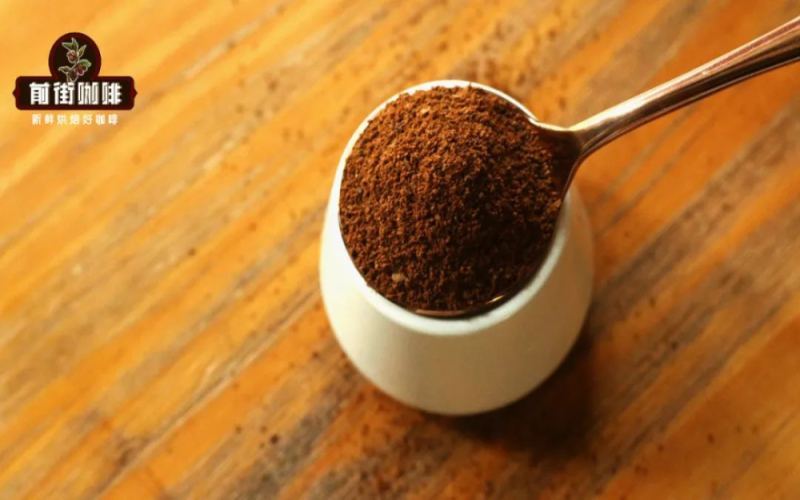
Pour-Over Coffee Grind Size Self-Test Guide: From Spice Analogies to Blind Tasting Practice
Among the many variables in pour-over coffee, grind size is often the hardest to describe precisely in words. Every enthusiast uses a different grinder, so when baristas communicate with customers, they usually have to rely on everyday seasonings as analogies. Although this approach has its limitations, it is an effective way to quickly establish a brewing framework. This article will systematically sort out the applicable scenarios for four grind reference points—fine salt, fine granulated sugar, coarse granulated sugar, and sea salt texture—and, using a natural-process red cherry coffee as an example with the MAVO Wizard 2.0 manual grinder, demonstrate how to gradually "blind-test" your ideal setting when faced with an unfamiliar grinder by observing the bloom pattern, drawdown time, and coffee grounds condition, helping you find your own cup of good coffee. [more…]
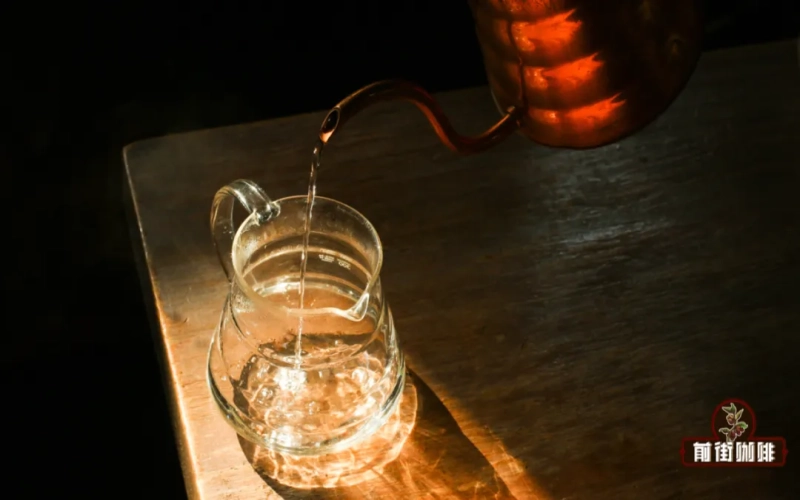
Can repeatedly boiled water still be used for pour-over coffee? Testing TDS changes and extraction flavor differences
When brewing coffee, most people focus on whether the water's TDS is in the appropriate range, but few pay attention to whether repeatedly boiling the hot water affects the coffee's flavor. Some believe that coffee brewed with water that has been boiled multiple times will decline in quality. To verify this claim, Front Street Coffee designed a controlled experiment, using a TDS test pen and a coffee concentration meter, brewing a medium-light roasted Sidamo Hachira 8.0 by immersion in a clever cup, using water boiled for the first through fourth times respectively, and recording the TDS value of the water and the coffee concentration performance each time. This article will present the experimental setup, operating procedure, and data results one by one, to help coffee enthusiasts determine whether repeatedly boiled water is truly unsuitable for brewing coffee. [more…]
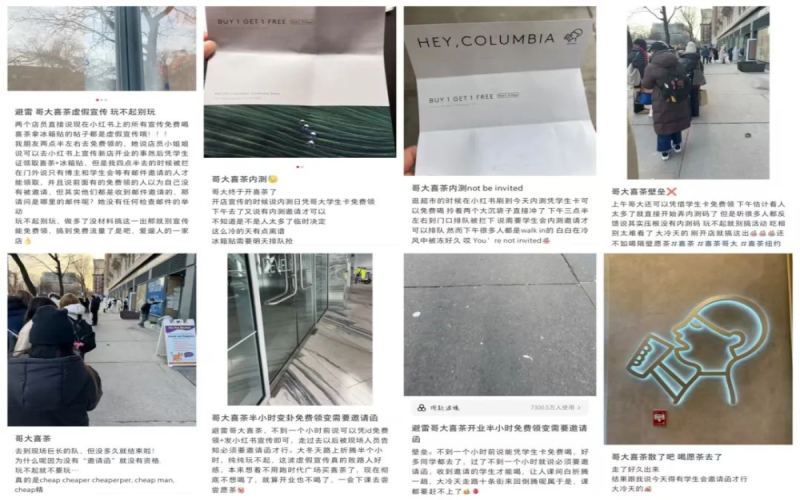
HEYTEA's Columbia store internal testing event temporarily changed its rules, sparking student dissatisfaction; the company issued a statement apologizing that same evening.
Heytea opened a new store near Columbia University in the United States. The store had originally planned to hold a soft-opening event on January 23, claiming that Columbia students could receive a free cup of milk tea and a limited-edition fridge magnet by showing their student ID. However, many students who showed up that afternoon were told by staff that they needed an invitation from the brand to enjoy the perk. They queued in sub-zero temperatures only to leave empty-handed, triggering widespread dissatisfaction and complaints. Some staff even claimed that the related promotional posts on the platform were false information, while the students who posted them countered that the rules had been changed by the store at the last minute. After the incident quickly escalated, Heytea issued an apology that same evening, admitting shortcomings in the planning and execution of the event, and reiterating that on the official opening day of January 24, Columbia students could still receive a free drink by showing their ID. [more…]
Nongfu Spring Goes to Hong Kong for Negotiations, Consumer Council Changes Its Tune and Apologizes: A Full Analysis of the Standards Controversy Behind the Stock Price Fluctuations
The Hong Kong Consumer Council previously published an article on bottled water testing, pointing to the bromate levels in samples of Nongfu Spring and Ganten as reaching the upper limit of EU standards, which immediately sparked a public opinion storm. Nongfu Spring quickly commissioned a lawyer to send a letter demanding clarification and an apology, and Ganten also issued a statement in response to the misinterpretation of the test results. Under public pressure, Nongfu Spring's stock price continued to decline, and its market value shrank significantly within two days. The company then sent an executive director to Hong Kong for face-to-face negotiations. Today, the Consumer Council published a clarification on its official website, reclassifying the samples as "natural drinking water" and re-scoring them, while also expressing regret. Nongfu Spring responded that its products fully comply with standards and are safe to drink, and its stock price rose in response. [more…]

Specialty Coffee Knowledge Self-Test: From Multiple Choice to True/False, Test Your Coffee Expertise in One Go
2022 has already turned the page—did you complete the reading plan you set at the beginning of the year? This coffee knowledge self-test is the perfect opportunity to check your learning results. The questions cover core areas such as coffee origins, varieties, producing regions, processing methods, extraction, and storage, and include multiple-choice, fill-in-the-blank, and true-or-false formats, with answers and detailed explanations provided. Whether you are preparing for a barista exam or simply want to reinforce your specialty coffee knowledge, you can pick up a pen and paper, answer each question one by one, and then check your answers to fill in the gaps. At the end, there is also Front Street Coffee's selected bean list and communication channels, which are worth a look. [more…]