







How does water temperature change pour-over coffee extraction?
Water temperature directly changes how much flavor a pour-over pulls from the grounds. A side-by-side test brewed Panama Butterfly beans, a 70% Geisha blend, at 90°C and 93°C. The 90°C cup measured 1.32% concentration; the 93°C cup reached 1.40%. That 3°C gap raised the extraction yield by 1.2% and produced a noticeably different cup.
Sensory results matched the numbers. The 93°C brew showed clearer, more layered aroma with fruit and ginger flower notes, and higher perceived sweetness, with citrus as the base and a ginger-candy sweetness standing out. Lower temperatures gave a flatter, softer profile. The article also covers which light roasts suit higher brew temperatures in daily practice, a common question for anyone comparing extraction methods across origins such as Kenya coffee.
Water temperature is a crucial variable in pour-over coffee extraction, directly affecting the flavor of the final cup. High-temperature water brings out a richer coffee taste, while low-temperature water makes the flavor flatter. To quantify this difference, Front Street Coffee conducted a comparative test using Panama Butterfly coffee beans, brewing at 90°C and 93°C respectively, and revealing the specific effects of water temperature on extraction through concentration measurements and sensory evaluation. The test results not only show the data gap between the two in concentration and extraction yield, but also describe in detail the changes in aroma, sweetness, complexity, and defect flavors. In addition, the article shares Front Street Coffee's water temperature selection strategy for brewing light-roast beans in daily practice, and which bean types are suitable for using higher water temperatures to unlock their potential.
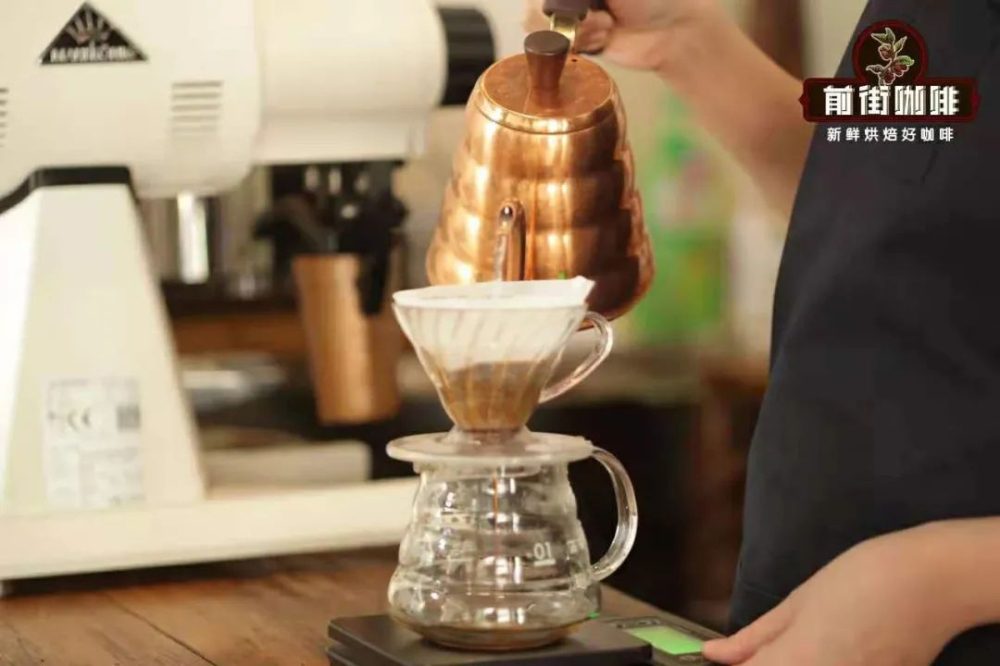
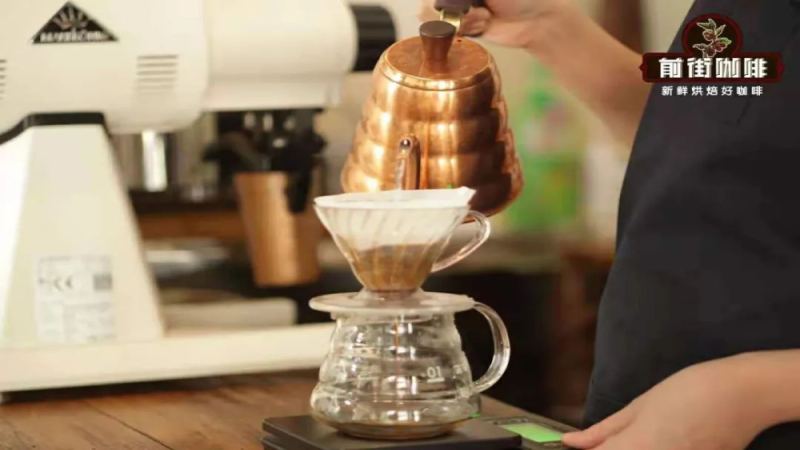
Anyone who has had pour-over experience understands that water temperature plays a decisive role in the final flavor direction of coffee. There is also a general consensus: when the water temperature is higher, the brewed coffee tastes richer and more intense; when the water temperature is lower, the coffee tastes lighter and softer.
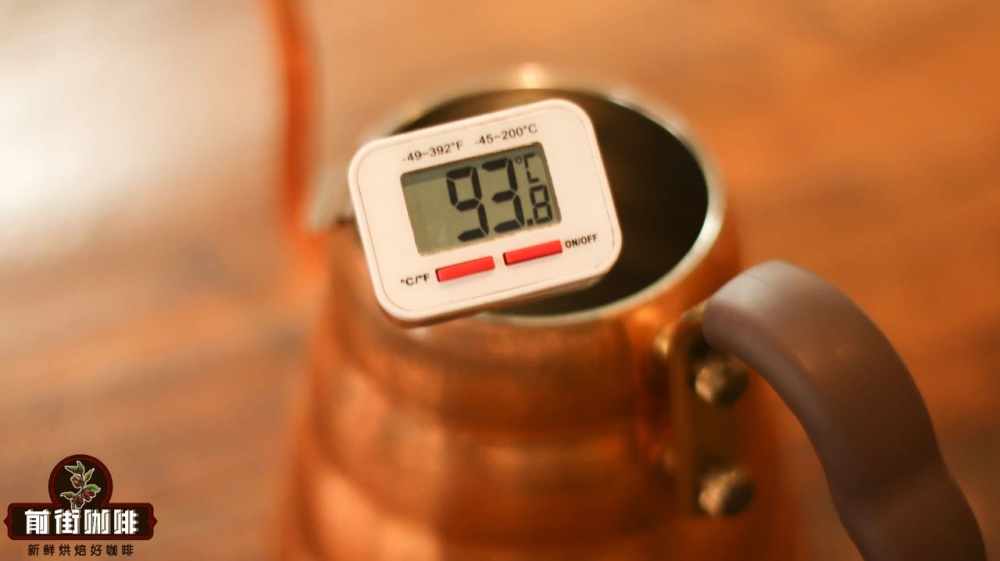
For this comparative test, Front Street Coffee selected Panama Butterfly coffee beans. This bean consists of 70% Panama Geisha and naturally carries Geisha's signature fruity flavors, making it highly representative. The core purpose of the experiment was to observe how much difference in coffee flavor would emerge at different water temperatures. For the water temperature settings, the lower and upper limits of the commonly recommended range were chosen, namely 90°C and 93°C.
After sampling and measuring the concentration of the two cups of coffee, it was found that the coffee brewed with 90°C water had a concentration of 1.32%, while the coffee brewed with 93°C water reached 1.40%. Numerically, a temperature difference of only 3°C increased the extraction yield by 1.2%.
Now let's look at the performance of the 93°C group. In terms of aroma, it was clearer and more layered than the 90°C group, presenting a complex scent of fruit and ginger flower. On tasting, the sweetness was noticeably higher than the previous group; although the base note was still citrus, the ginger-candy-like sweetness stood out particularly. In addition, the overall complexity was also better than the 90°C group. However, it was not without flaws: after the coffee cooled down, a faint almond-like nutty flavor and some astringency emerged.
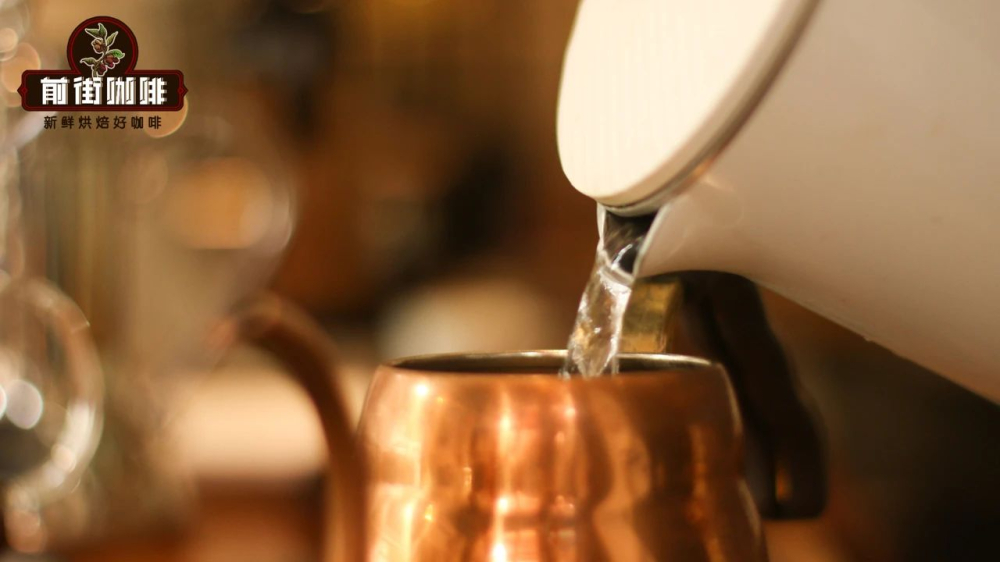
Based on the above findings, when brewing most medium-light roast coffee beans, Front Street Coffee usually sets the water temperature at 91°C, which can effectively avoid many unexpected situations and make the output more stable. Of course, some beans are suitable for brewing at higher water temperatures, such as Ethiopia's Uraga and Kenya coffee beans; high temperatures can better release their rich flavor layers and solid acidity.
The above content is compiled by CoffeeHunters, a coffee news website.


