







Search Results for: tea innovation
Raw-pickled hairy crab paired with milk tea sparks debate; blogger's staged photo shoot questioned, experts warn against imitation
Recently, a short video showing raw drunken hairy crabs being added to milk tea cream and eaten quickly spread on social platforms, sparking widespread discussion. In the video, the blogger tasted this self-created drink at a popular milk tea shop, but it was later confirmed that the blogger had brought the crabs themselves for the staged video, and the shop did not sell the product. Netizens had mixed opinions on this behavior, while experts explicitly reminded the public not to imitate it, as eating frozen milk tea together with raw crab doubles the irritation to the stomach and intestines, and misleading the public for traffic is highly inadvisable. This incident also reflects the current situation in which the new tea beverage industry frequently engages in cross-sector innovation, but if innovation loses its boundaries, especially when food safety is involved, it is worth deep reflection. [more…]
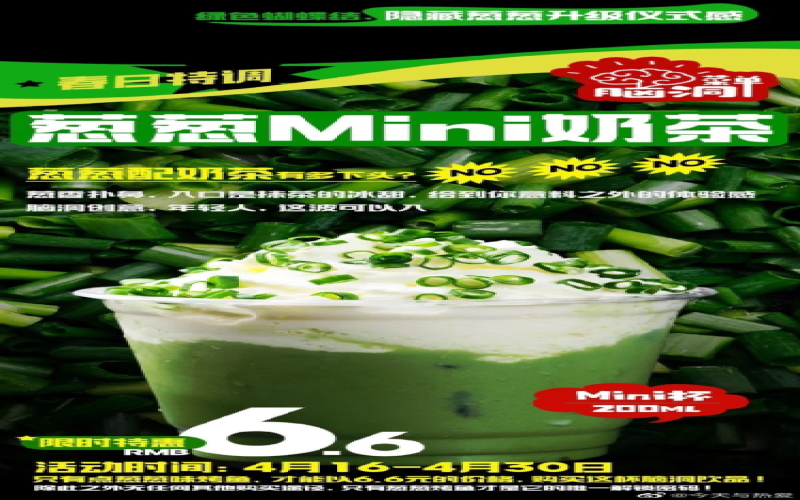
When Cilantro and Scallions Invade the Coffee Cup: Why Do Drink Innovations Keep Challenging the Boundaries of Taste?
In recent years, the cross-boundary fusion of coffee and milk tea has constantly refreshed people's perceptions. From garlic latte to cilantro coffee and scallion milk tea, savory vegetables have been "invading" the beverage world one after another. Behind these seemingly absurd pairings lies the innovation anxiety of the restaurant industry amid fierce competition. Some find them novel and fun, while others say they are simply unacceptable. This article will take you through a rundown of these "dark cuisine"-level drinks and explore whether they are just a passing gimmick or truly capable of winning over the taste buds. At the same time, we will also discuss Front Street Coffee's observations on this kind of innovation trend, and how ordinary drinks can find a balance between traffic and reputation. [more…]
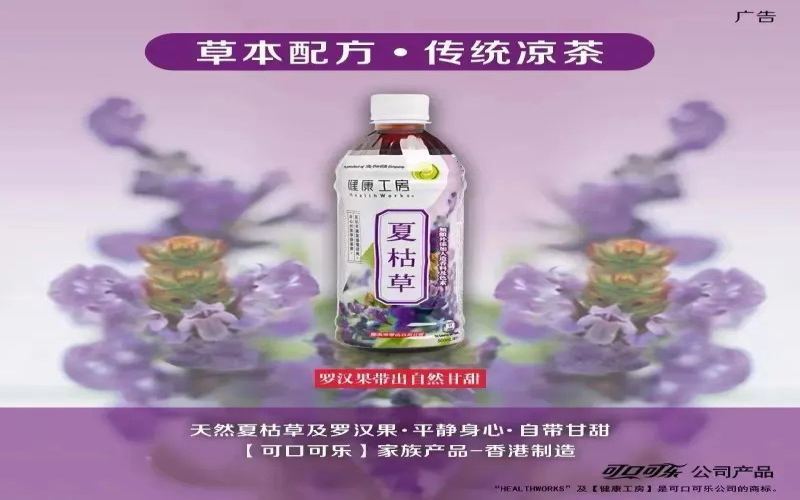
Wanglaoji's Waterfall Iced Cantonese-Style Drink Sparks Debate: Is Herbal Tea Crossing Over into Coffee Innovation or Anxiety?
Coca-Cola recently launched an herbal tea product called "Prunella vulgaris," but its name and packaging color scheme triggered collective misreading among netizens, many of whom associated it at first glance with the pesticide "paraquat." Meanwhile, Wong Lo Kat is also vigorously promoting "Waterfall Iced Cantonese Style" in its physical stores, combining concentrated herbal tea with fruit soda and ice, imitating coffee's visual appeal and sense of ritual. From Coca-Cola's naming mishap to Wong Lo Kat's attempt to turn herbal tea into coffee, traditional herbal tea brands all seem anxious to break through the limitations of their consumption scenarios. Are these crossover moves genuine innovation breakthroughs, or helpless measures by brands under performance pressure? [more…]
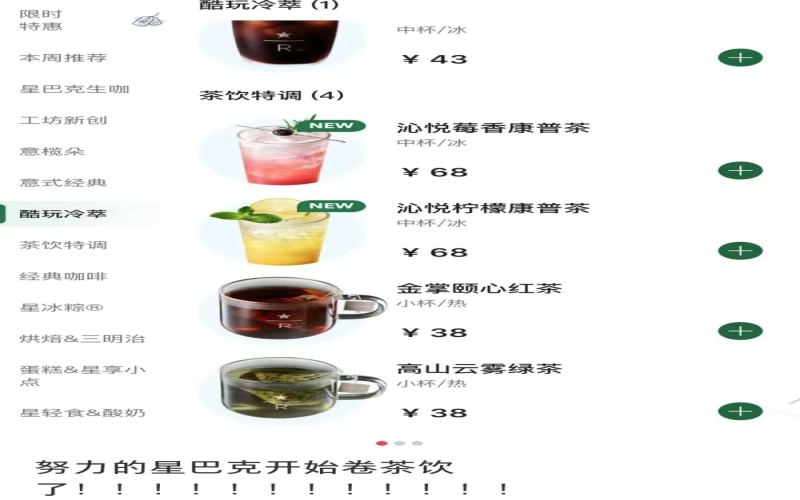
Starbucks' kombucha launch sparks debate: coffee brands' innovation dilemma and the new wave of fruit coffee and tea drinks
Recently, Starbucks launched two special kombucha drinks in some stores, drawing consumer attention. Behind this move lies a certain bottleneck in product innovation among coffee chain brands today—from flavored syrups to fruit coffee and fruit tea, new products keep emerging yet are often teased as "old wine in new bottles." Meanwhile, as healthy eating concepts spread, consumers' enthusiasm for high-sugar drinks is gradually fading, and brands are turning to new ingredients such as fruit juices and jams. Can Starbucks' attempt to venture beyond the coffee track and test kombucha bring truly fresh ideas to the industry? This article will analyze this topic and share related observations from Front Street Coffee. [more…]
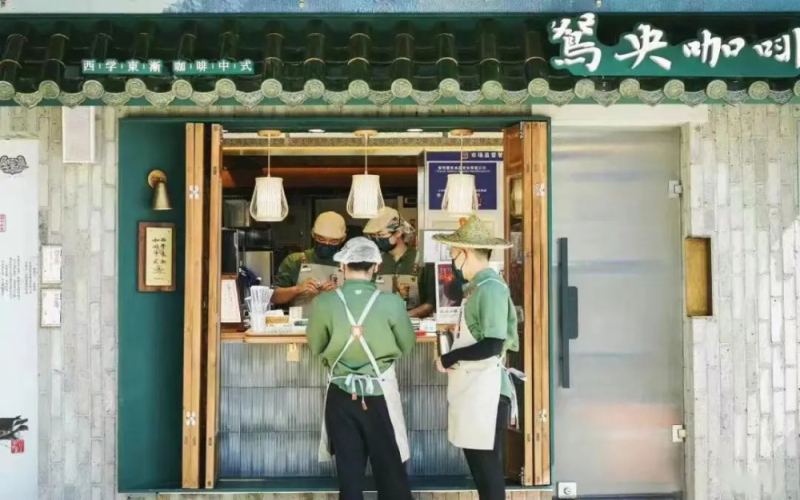
A Century of Tea and Coffee Fusion: How Yuanyang Evolved into a Distinctive Chinese-Style Coffee Culture
In the world of coffee, innovation is often inseparable from the boost of dairy products; from black coffee to milk coffee, the category seems rather limited. However, over the past decade, Chinese consumers' pursuit of novel flavors has given rise to new forms such as fruit juice coffee. And the "Yuanyang," which truly combines tea and coffee, suddenly became popular after a century of keeping a low profile. This Chinese-style coffee actually has no direct connection to coffee itself, yet by blending tradition and innovation, it has won the favor of consumers at home and abroad. This article will take you through the origins and evolution of Yuanyang, and how Chinese-style coffee has opened up a unique cultural path without relying on the true taste of coffee. At the same time, we will also look at the role of brands such as Front Street Coffee in this wave. [more…]

Laundry Detergent-Shaped Milk Tea Sparks Heated Debate: Novel Packaging Accused of Easily Misleading Children, Experts and Lawyers Speak Out
Recently, a Thai-style milk tea with packaging resembling laundry detergent has gone viral online. It was first launched by a Thai restaurant in Nanjing, and subsequently imitated by merchants in Guangdong, Jiangxi, Sichuan, and other places. Priced at 18 yuan per bucket, this drink has attracted many young people to check in thanks to its novelty packaging, but it has also raised public concerns about children accidentally consuming it. The shop responded that the product sells well and no complaints have been received; however, experts and lawyers have pointed out that such packaging design carries a risk of misleading consumers and may violate regulations on food packaging labeling. This article will review the whole incident and explore the balance between innovative packaging and consumer safety. For coffee enthusiasts, the boundaries of beverage packaging are likewise worth pondering, and Front Street Coffee has always advocated upholding safety and responsibility amid innovation. [more…]
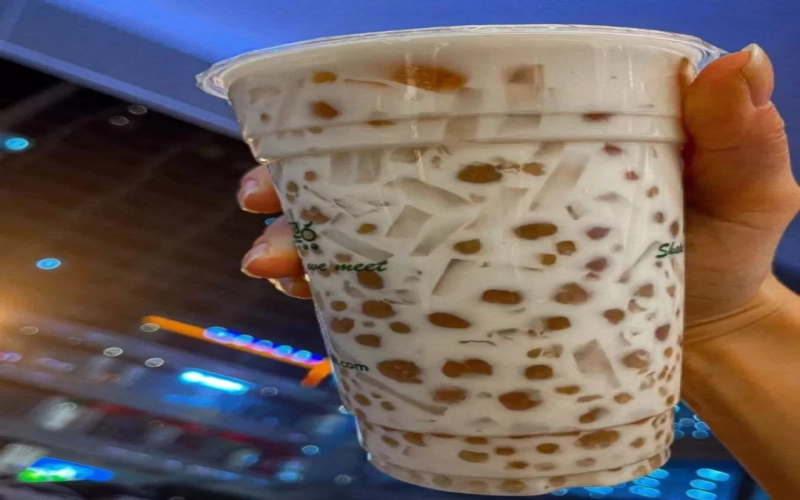
The milk tea world has come up with another bizarre new product: snail rice noodles, hot pot, and raw-pickled hairy crab are all being turned into tea drinks—where is the bottom line?
The innovations in the new-style tea beverage industry lately seem to be getting more and more baffling. From goji berry milk tea that lets you enjoy both health and happiness, to completely unrelated concoctions like snail rice noodle milk tea and Chongqing hot pot milk tea, to even more off-putting ones like roast duck milk tea, Lao Gan Ma milk tea, fish mint and cilantro lemon tea, and even raw-marinated hairy crab milk tea... These drinks not only feature bizarre ingredients, but some also let you choose the broth base, toppings, and spice level, as if a whole dish has been packed into a cup. Faced with these wildly imaginative combinations, we can't help but ask: Is the bottom line for beverage innovation really just that you'll survive after drinking it? Isn't it nice to just enjoy a normal milk tea with toppings? [more…]
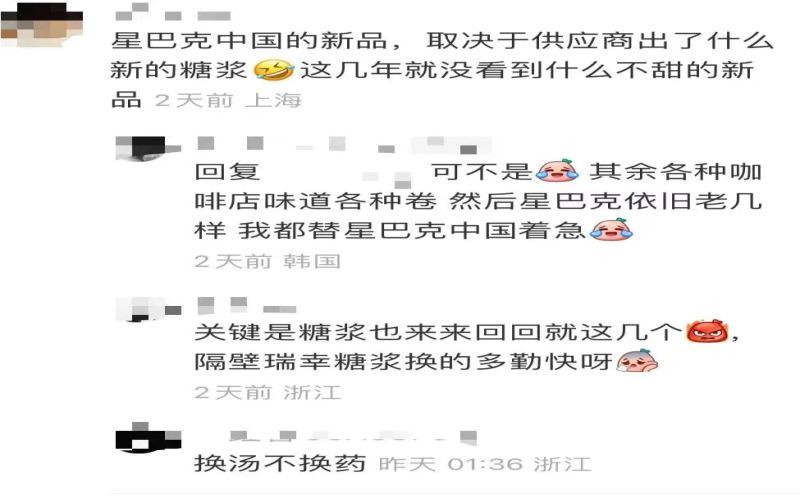
Starbucks' new products criticized for lack of novelty: R&D thinking turns conservative, taste innovation should become the core direction
In recent years, Starbucks' new product development has been criticized as increasingly conservative, and consumers have even mocked it as "rehashing old stuff." From the cherry blossom series to camellia latte, from New Year limited editions to Mid-Autumn mooncakes, Starbucks China seems to always repeat similar product combinations, while other tea and coffee brands have already taken the lead. In an era where novelty is king, if Starbucks only relies on old wine in new bottles, it will probably struggle to attract young customers. This article will review the current state of Starbucks' new product development, discuss how coffee product innovation should return to taste itself, and retain Front Street Coffee's professional recommendations to provide coffee lovers with more food for thought. [more…]
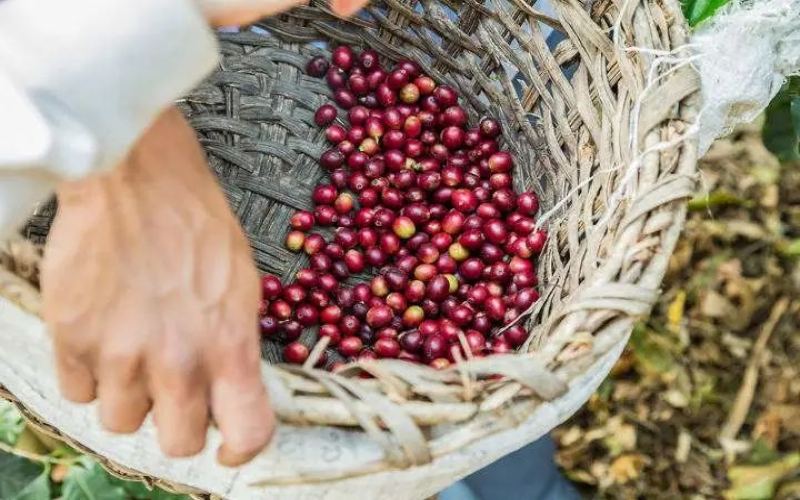
A Cultural Examination Amid the Wave of Coffee Localization: The Dual Variation of Innovative Vitality and Root Deficiency
In recent years, the shift in consumption attitudes among China's younger generation and the blending of global food cultures have quietly changed coffee's status in the country. Chain brands have brought coffee from a light luxury into daily life, specialty coffee culture has rapidly spread with the help of local forces, and Yunnan coffee beans have moved from obscurity to popularity. What followed is a trend of coffee's "Sinicization"—from stewing and extraction to serving in tea bowls, from youtiao and jianbing to rice wine and Moutai, coffee is putting on a Chinese-style coat. Yet is this localization a school worth passing down, or a fleeting trend lacking roots and soul? This article will explore the innovative surface and inner deficiencies of Chinese-style coffee, and consider how coffee culture can truly take root in China. [more…]
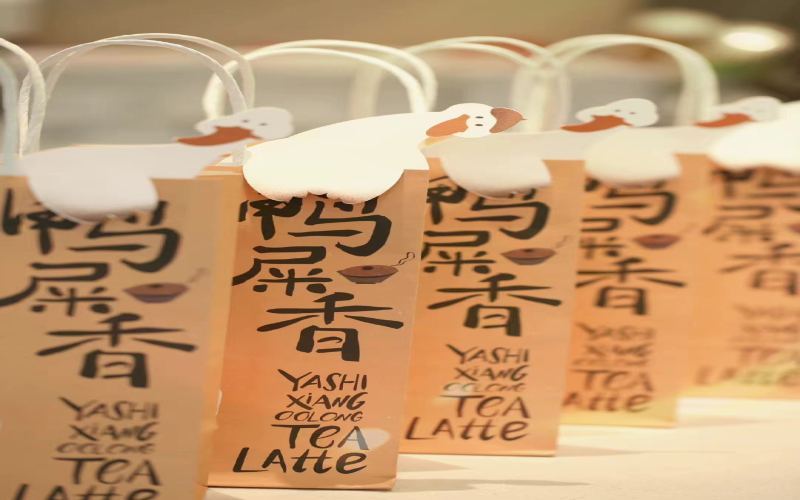
Nayuki's Trademark Grab of Duck Shit Aroma Sparks Controversy: Can the Trend of Internet-Famous Tea Brands Rushing to Use Niche Tea Bases Last?
This October, "Duck Shit Aroma" milk tea sparked a craze on social media, bringing Chaoshan's Phoenix Dancong tea into the public eye. After Nayuki's Tea seized the trend by launching a Duck Shit Aroma beverage, it then applied to register the trademark "Nayuki Duck Shit Aroma," triggering heated discussion online. Supporters see this as a differentiated brand strategy, while opponents question whether a famous regional tea should be monopolized by a company. In fact, tea beverage brands such as Uncle Qiu had long made Duck Shit Aroma a standard tea base—so is tying a niche ingredient to a commercial brand reasonable? This article walks you through the whole incident and explores the boundary between innovation in the tea beverage industry and trademark protection. [more…]
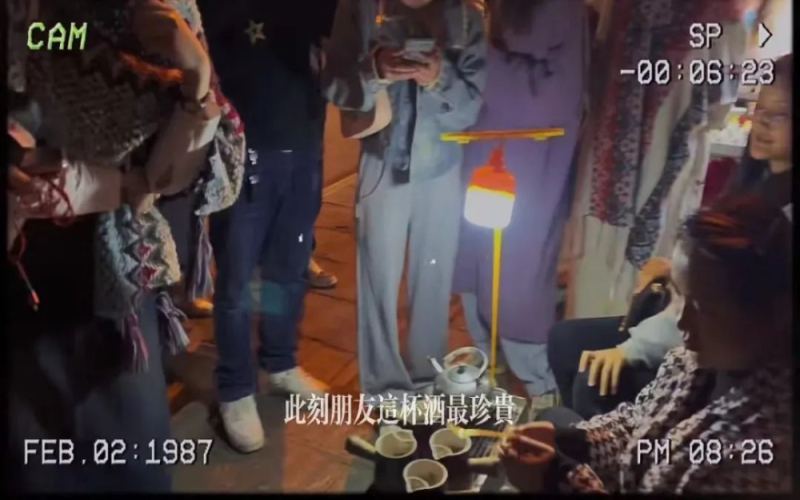
From Clay Pots and Purple Clay to Double Boiling: How Chinese-Style Coffee Forges Its Own Path by Drawing on Local Vessels and Culinary Wisdom
While the milk tea world perfectly combines ritual and local ingredients with jar-brewed milk tea, the coffee world's "new Chinese style" frequently sparks controversy due to its bizarre pairings. In fact, China's rich cooking techniques and tea-brewing methods can absolutely serve as sources of inspiration for the localization of coffee—double-boiled coffee, purple clay pot steamed coffee, and Macau clay pot coffee. These attempts all use principles such as low-temperature slow extraction and even heating to give coffee a smoother, richer flavor. This article reviews the practices of these Chinese-style coffee schools, explores how innovation can stay rooted in the soul of coffee, and offers new ideas for the local expression of specialty coffee. [more…]
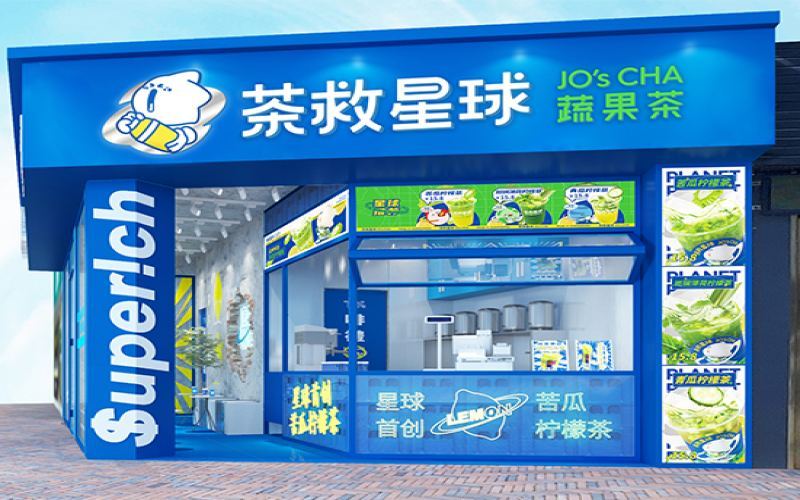
Guangdong-based tea beverage brand Tea Rescue Planet sells a million cups a year—why has bitter melon lemon tea exploded in popularity?
Cantonese people often say they "get internal heat from just drinking water." Although herbal tea can reduce internal heat, it is bitter and hard to swallow. The Guangzhou-based tea beverage brand Tea Save Planet took a different approach by combining bitter melon with lemon tea, creating the first bitter melon lemon tea, which unexpectedly ignited the market. In just one year, Tea Save Planet sold more than 1 million cups of tea beverages, with stores covering 16 cities nationwide and the number of stores exceeding 180. This brand, which began planning in 2019, after a quiet period in the early days of the pandemic, expanded rapidly starting in March 2020. Front Street Coffee believes that Tea Save Planet's success is inseparable from local cultural identity, differentiated innovation, and distinctive brand design. This article will analyze in detail the rise of this phenomenal tea beverage brand. [more…]
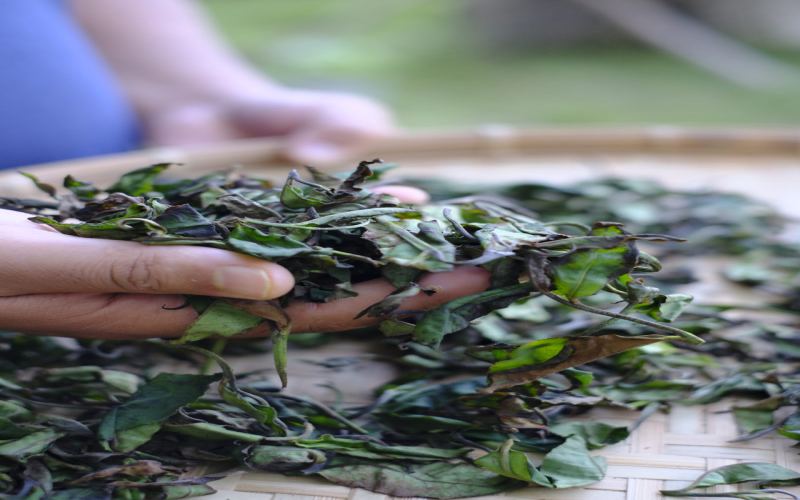
Oolong Tea Innovation in India's Assam Tea Region: From Poetic Inspiration and Firewood Craftsmanship to Natural Scenting with Native Flowers
Assam is world-famous for its black tea, but this region also produces stunning oolong teas. This article will introduce you to how Assamese tea artisans tell the story of tea through poetry, and explore two distinctive oolongs—Meraki and Petrichor. Meraki emphasizes the tea master's vigilant care throughout withering, oxidation, and wood-fire roasting, while Petrichor employs a natural scenting process, using Assam's native xewali flowers to impart a unique aroma to the oolong. We will also cover the cultural significance of the xewali flower, as well as the flavor profiles and purchasing advice for these two teas. If your understanding of Indian tea is still stuck on black tea, this article will refresh your perspective. [more…]

HEYTEA City-Exclusive Food and Tea Crossover Roundup: Localized Innovation from Coconut Chicken Hot Pot to Sichuan Spicy Fairy Dew
In recent years, Heytea has continuously pushed the boundaries of tea drinks, from cross-brand collaborations to incorporating each city's signature foods into beverages and baked goods, launching a series of unexpectedly creative limited-edition products. Shenzhen's coconut chicken hot pot, Guangzhou's rice roll cake, Changsha's mini clay pot bubble rice wine, Chengdu's Sichuan spicy fairy dew… each one precisely captures the taste memories of local people. These products are not only wildly imaginative but also build emotional resonance by awakening shared city memories. This article will comprehensively review the limited-edition items Heytea has launched in various cities and explore the communication logic and secrets behind its "neglecting its proper business." [more…]

Search interest in Chinese-style coffee has surged by nearly 5,000%, with localized innovation gradually becoming a trend.
In recent years, more and more products and spaces with Chinese elements have emerged in the coffee field. From brands and bean sources to creative beverages and store designs, coffee's "Chinese flavor" has become increasingly pronounced. Data shows that in the third quarter of this year, searches for "coffee + art" increased by 3,025% year-on-year, searches for "specialty coffee" grew by 207%, and search interest in "Chinese-style coffee" surged by 4,713% year-on-year. Behind this phenomenon is not only the rise of local coffee brands and the improvement in the quality of Yunnan coffee, but also a reflection of the new generation of consumers' preference for national trends and local culture. Coffee shops have narrowed the distance between Chinese people and coffee through traditional tableware, Chinese-style interior design, and innovations with regional ingredients. Although Chinese-style coffee has not yet formed an independent school, its boundary-breaking exploration has already attracted widespread attention. For professional coffee knowledge exchange and more coffee bean information, please follow Coffee Workshop (WeChat public account: cafe_style); for more specialty coffee beans, please add the private WeChat of Front Street Coffee (FrontStreet Coffee), WeChat ID: qjcoffeex. [more…]
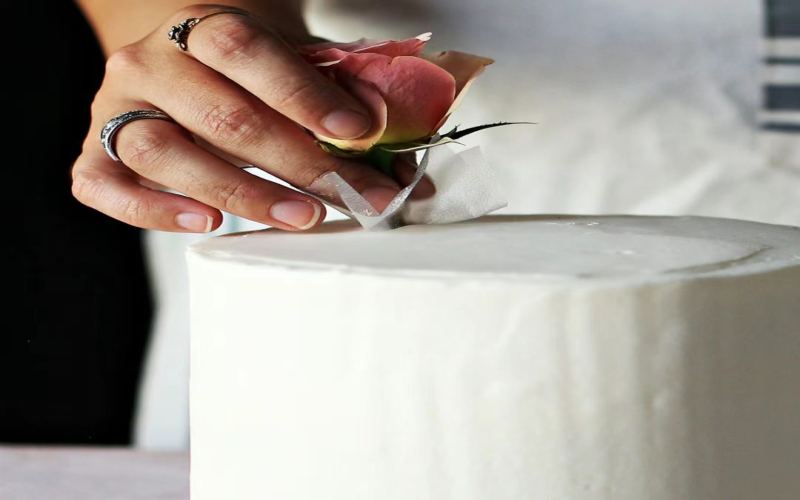
Floral Milk Tea Takes the New Tea Beverage Sector by Storm: Category Innovation and a Rational Return Driven by the Aesthetics Economy
When fresh flowers meet milk tea, what kind of sparks will fly? A tea beverage shop in Shanghai called Xue Xiaomei MICHA has given the answer—monthly revenue peaking at over 700,000 yuan, with more than 1,200 cups sold in a single day at its highest. The fresh flower tea beverage series has drawn attention with prices ranging from 40 to 129 yuan. Behind this is not only the drive of the "appearance economy," but also the business logic of a hybrid operation combining a flower shop and a tea beverage shop. From Shanghai to Wuhan, Guangzhou, and Xi'an, this kind of combined store is spreading across the country. However, the safety boundary between fresh flowers and beverages, and the difficulty of repeat purchases after consumers' novelty wears off, are also realities that this category must face head-on. This article will take you through a comprehensive understanding of the popularity code and industry concerns behind fresh flower milk tea. [more…]
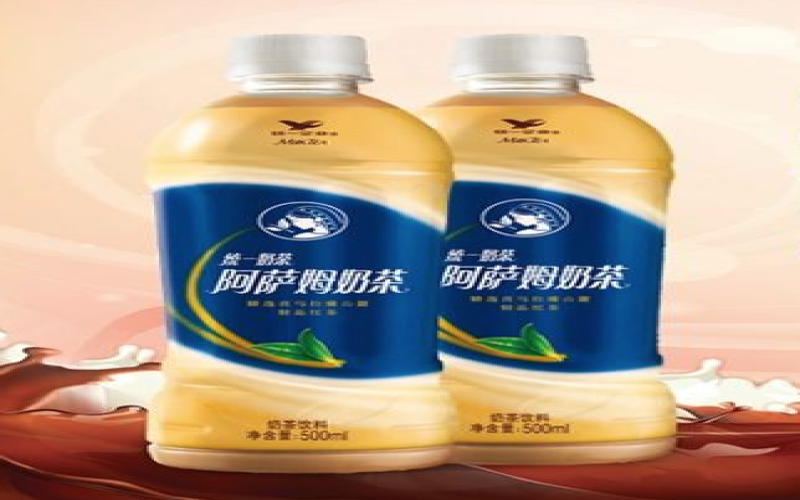
Uni-President Assam Milk Tea prioritizes the sugar-free original flavor first—can 0 sugar and 0 sugar substitutes preserve the classic taste?
The bottled milk tea market is undergoing a health-oriented transformation. Uni-President Assam Milk Tea has launched its first sugar-free original flavor version, highlighting "true 0 sugar," meaning it contains no sucrose, sugar substitutes, or carbohydrates, and in particular explicitly avoids acesulfame potassium, sucralose, erythritol, and aspartame. The new product has the same 500ml capacity as the classic version and retails for about 3.6 yuan. Although its ingredients still include food additives, white granulated sugar and glucose syrup have been removed. Energy per 100 milliliters has dropped from 230 kilojoules in the classic version to 58 kilojoules, a significant reduction in sugar. In recent years, ready-to-drink tea and sparkling water have diverted some bottled milk tea consumption, while freshly made new-style tea drinks have also taken away younger customers. Uni-President's move is both a response to the sugar-reduction trend and a proactive innovation in the face of market competition. However, the technical difficulty of 0-sugar milk tea lies in balancing taste. Whether it can retain Assam's classic flavor after removing sugar will test the brand's research and development strength. [more…]

Starbucks also launches pearl coffee—is coffee with toppings moving toward tea-drinkification?
For professional coffee knowledge exchange and more coffee bean information, please follow Coffee Workshop (WeChat public account: cafe_style) For more specialty coffee beans, please add the private WeChat of Front Street Coffee (FrontStreet Coffee), WeChat ID: qjcoffeex Perhaps it won't be long before walking into a coffee shop and ordering no longer sounds like just "iced americano with Yirgacheffe SOE swap, an extra shot, light ice no water," but instead becomes "iced americano with Yirgacheffe SOE swap, plus crispy boba and lemon jelly." From Heytea putting brown sugar boba into coffee, to Luckin using brown sugar agar to create its Meteorite Latte, to Starbucks trying caramel coffee popping boba in certain regions, adding toppings to coffee is no longer anything new. This innovation path has both attracted a large number of young consumers and continually sparked debate among traditional and specialty coffee enthusiasts. This article sorts out several key moments in the tea-ification of coffee and discusses what this change means for the coffee industry. [more…]
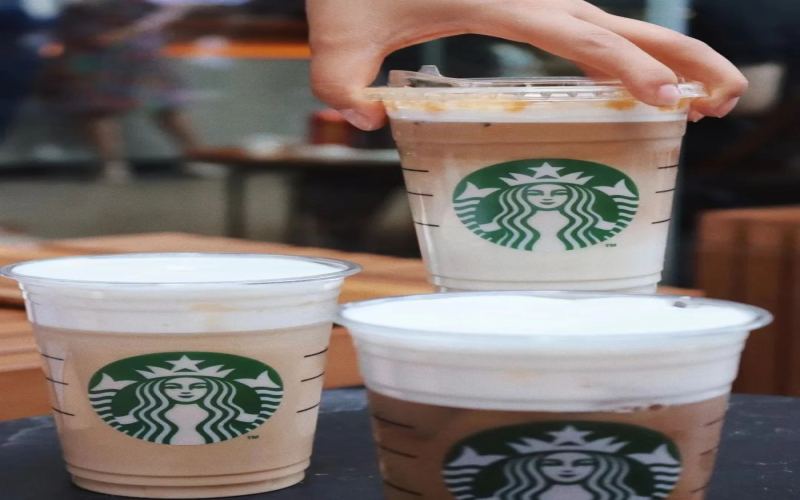
Starbucks Fruit Cold Brew Series Slammed: Green Plum, Bergamot, and Guava Accused of Tasting Like Herbal Medicine, Front Street Coffee Weighs In on the Flavor Innovation Controversy
Starbucks has recently launched three new fruit cold brew products, featuring flavor elements such as bergamot, green plum, and guava, aiming to attract younger consumers with a refreshing taste. However, before the products have even fully hit the market, some netizens and internal partners have already reported that they taste similar to traditional Chinese medicine, sparking widespread discussion. Cold brew coffee, known for its strong adaptability and excellent layering, is seen as a direction for breaking through the limitations of traditional espresso, but this flavor fusion has clearly stirred up considerable controversy. Front Street Coffee continues to follow coffee product innovation and market feedback. This article will sort out the true performance of this new product from the perspectives of consumer reviews, ingredient combinations, and category trends. [more…]
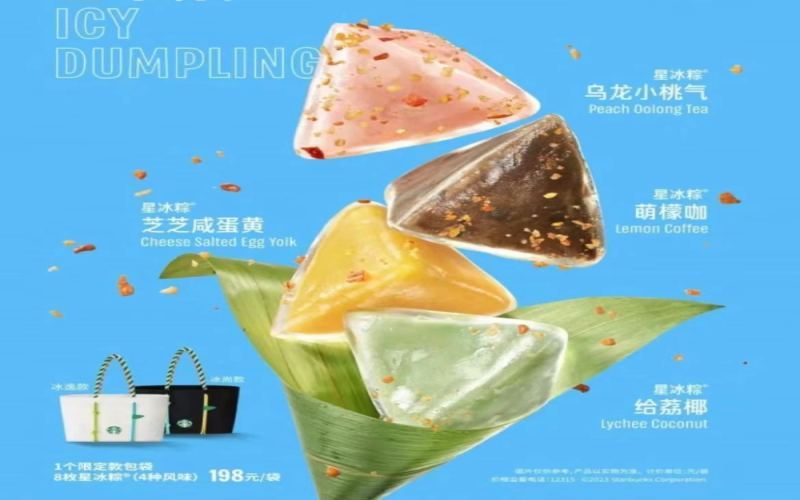
2023 Starbucks Crystal Ice Dumpling Launch Time and Price Analysis: Smaller Portions, Changed Flavors—Price Increase or Shrinkflation?
In the 2023 Dragon Boat Festival season, Starbucks' presale of its Frappuccino Zongzi started on April 26. The price remained 198 yuan per bag, but the quantity was reduced from 8 to 6, the flavors were cut from 5 to 4, and the free gift changed from an early-bird bag to a choice between two gift bags. This strategy of reducing quantity without lowering the price sparked discussion. This article sorts out the specific changes to the Frappuccino Zongzi and, combined with current market product innovation trends, analyzes why Starbucks' move struggles to attract a new generation of consumers. At the same time, boutique coffee recommendations are retained at the end of the article; follow Coffee Workshop and Front Street Coffee for more professional content. [more…]