







Is Yunnan Coffee Driving the Chinese-Style Coffee Trend?
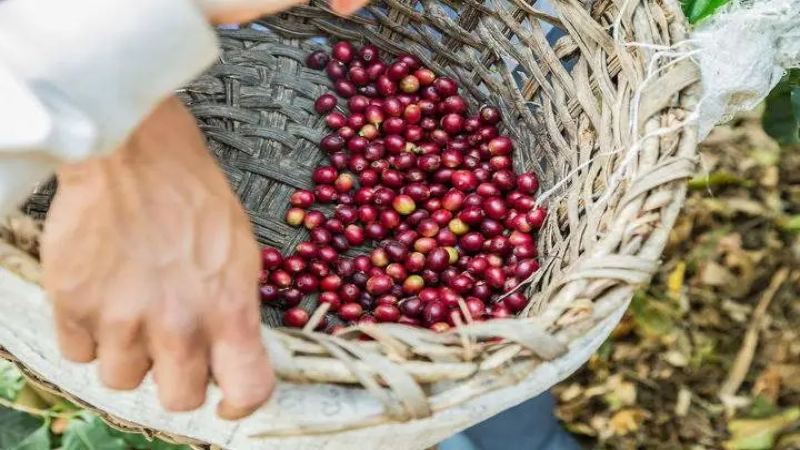
Yunnan coffee has moved from being dismissed to being sought after, and more Chinese cafes and brands now promote Yunnan beans by name. Chain brands pushed coffee from a minor luxury into daily life, and local roasters and shops helped specialty coffee culture spread, setting the stage for what is being called the Sinicization of coffee.
That localization shows up in brewing and serving: stewed extraction, coffee in tea bowls, and pairings with youtiao, jianbing, rice wine, and Moutai. The article questions whether this is refined coffee with a lasting style or a trend without roots, and asks what it would take for coffee culture to settle in China rather than pass through.
In recent years, the shift in consumption attitudes among China's younger generation and the blending of global food cultures have quietly changed coffee's status in the country. Chain brands have brought coffee from a minor luxury into daily life, specialty coffee culture has spread rapidly with the help of local forces, and Yunnan coffee beans have gone from obscure to sought-after. Along with this comes the trend of coffee's "Sinicization"—from stewed extraction to being served in tea bowls, from youtiao and jianbing to rice wine and Moutai, coffee is putting on a Chinese coat. Yet is this localization a style worth passing down, or a fleeting trend lacking roots and soul? This article explores the innovative surface and inner void of Chinese-style coffee, and considers how coffee culture can truly take root in China.
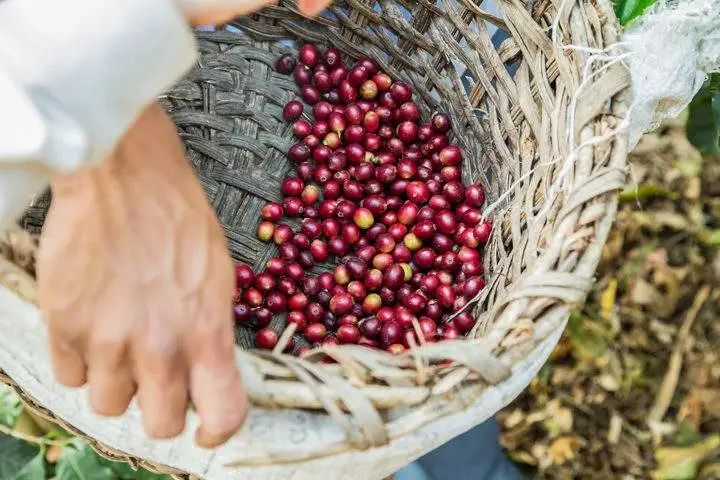
In recent years, with the evolution of consumption concepts among China's youth and the rapid transformation of the global food landscape, coffee as a beverage has gradually entered Chinese people's daily lives. Today, domestic chain coffee brands keep growing, reshaping coffee's place in the public mind; its price and positioning have shifted from a niche luxury to mass consumption, and these brands are gradually rewriting the public's fixed perceptions of coffee. The role of local brands in the rapid spread of specialty coffee culture in China cannot be ignored—thanks to them, more people have had the chance to try and accept coffee. Yunnan coffee, once dismissed, is now in hot demand, and more and more cafés and brands in China are speaking up for Yunnan beans, with coffee's "Sinicization" trend emerging alongside.
Besides Yunnan coffee beans receiving strong promotion, drinking methods and the positioning of cafés and brands have also undergone a round of localized exploration. Brand promotion pushes people to take the first step of trying; demand breeds innovation, and coffee creativity begins to revolve closely around "guochao" and "local culture." Ordinary coffee drinks and cocktail-style specials can no longer satisfy young people's appetite for novelty, so many practitioners have turned to "new Chinese-style" coffee, blending representative local foods, food culture, or uniquely Chinese cooking techniques with coffee, using cultural resonance to dress this imported product in a Chinese coat.
Coffee extraction is no longer limited to drip, immersion, pressure, siphon... China's unique stewing technique can also be used for coffee extraction. Low-temperature slow stewing can draw out the truest flavors of ingredients, and the same goes for coffee. "Though Chinese people were late to drinking coffee, we can't be without our own," says the inventor of Chinese-style stewed coffee. Vessels for holding coffee are no longer just coffee cups or mugs—Chinese tea bowls, clay pots, and rooster bowls have all taken the stage... Café décor is no longer limited to warm wooden tones; more old objects carrying memories are incorporated into the space, using visual localization to bring coffee closer to the public and make it seem so "everyday."
Spain has churros with coffee; China has youtiao and jianbing guozi with coffee. Ireland has Irish whiskey coffee; China has rice wine and Moutai coffee... These pairings seem mismatched, yet they are all foods Chinese people know intimately. This is both a marketing gimmick and an attempt, through familiar flavors, to let people drop the "fixation" that coffee can only go with cake and cookies, using the uniqueness of taste and the seamless "recipe" connection to make coffee more "down-to-earth."
Although coffee is constantly being "Sinicized," it is hard for this to form a "style," because many "Chinese-style" coffees are merely a reverse-guided response to new consumption habits, not a craft worth "passing down"—they lack roots, lack soul, and lack professionalism. They may become a new coffee culture phenomenon, but they are hard for people to remember and pass down over the long term; many "Chinese-style" coffees chase ostentation excessively, making people overlook coffee's own purity.
The taste of the coffee itself is not the focus of people's attention, which is also why Yunnan coffee has yet to gain broad recognition—few care about the quality of the coffee beans themselves, yet everyone eagerly gives Yunnan coffee beans "exquisite packaging."
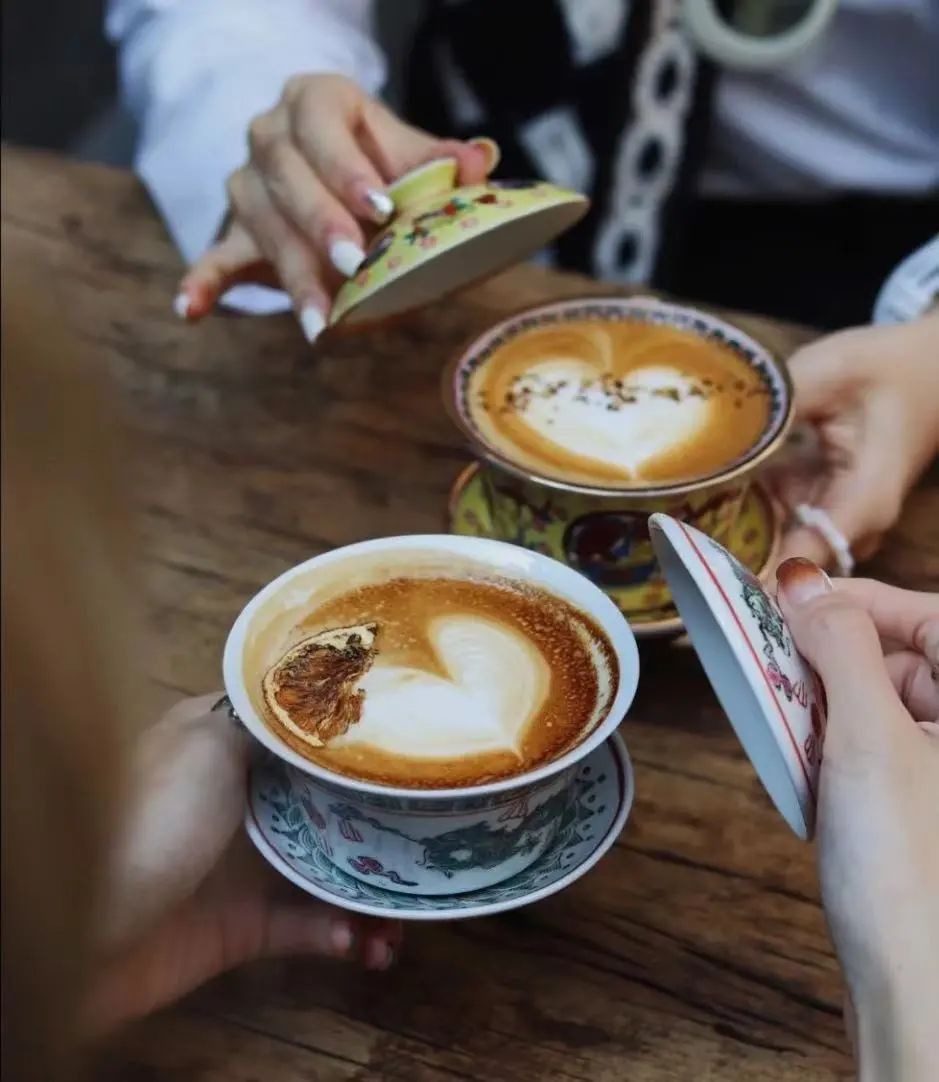
If a food cannot win acceptance and leave a deep impression by its own taste, then even with refined cooking and gorgeous packaging, it will not be remembered for long. The same goes for "Chinese-style" coffee: whether it is Chinese domestic coffee beans failing to achieve essential improvement, or the endless creative coffees on the market, what people remember is only the appearance, and they do not truly appreciate the coffee itself.
Of course, although "Chinese-style" coffee cannot count as a style, it can at least let Chinese people feel that coffee is just this everyday—it can be brewed as exquisitely as tea, and can be given more possibilities like new-style tea drinks. Only through constant innovation can more people come to accept coffee.
Image source: Internet, Xiaohongshu
For professional coffee knowledge exchange and more coffee bean information, please follow Coffee Workshop (WeChat public account: cafe_style)
For more specialty coffee beans, please add the private WeChat of Front Street Coffee (FrontStreet Coffee), WeChat ID: kaixinguoguo0925
The above content is compiled by CoffeeHunters, a coffee news website.


