







Why Does a Coffee Blend Brand Move Into Kombucha?
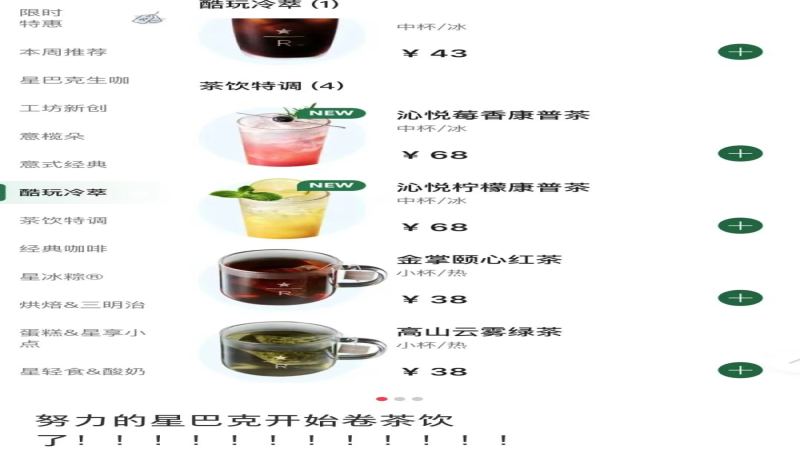
Starbucks has introduced two kombucha drinks in selected stores, sold only in some locations. The move comes as coffee chain brands face a product innovation bottleneck: flavored syrups, fruit coffee, and fruit tea keep arriving but are often dismissed as old ideas in new packaging. Testing kombucha takes the company beyond its usual coffee range.
Kombucha is a fermented drink made from tea leaves, sugar, water, bacteria, and yeast, with a mild sweet-sour taste and probiotics that appeal to health-minded buyers. As interest in high-sugar drinks fades, brands are turning to juices and jams for new ingredients in coffee. Whether what is a coffee blend innovation stays anchored to coffee is the open question for the sector.
Recently, Starbucks launched two special kombucha drinks in some stores, drawing consumer attention. Behind this move lies a certain bottleneck in product innovation among coffee chain brands today—from flavored syrups to fruit coffee and fruit tea, new products keep emerging but are often mocked as "old wine in new bottles." Meanwhile, as healthy eating concepts spread, consumers' enthusiasm for high-sugar drinks is gradually fading, and brands are turning to new ingredients like fruit juices and jams. Will Starbucks's move beyond the coffee track to test kombucha bring truly new ideas to the industry? This article will analyze this topic and offer related observations from the Front Street brand.
▲
Click to follow | Daily specialty coffee culture magazine Coffee Workshop
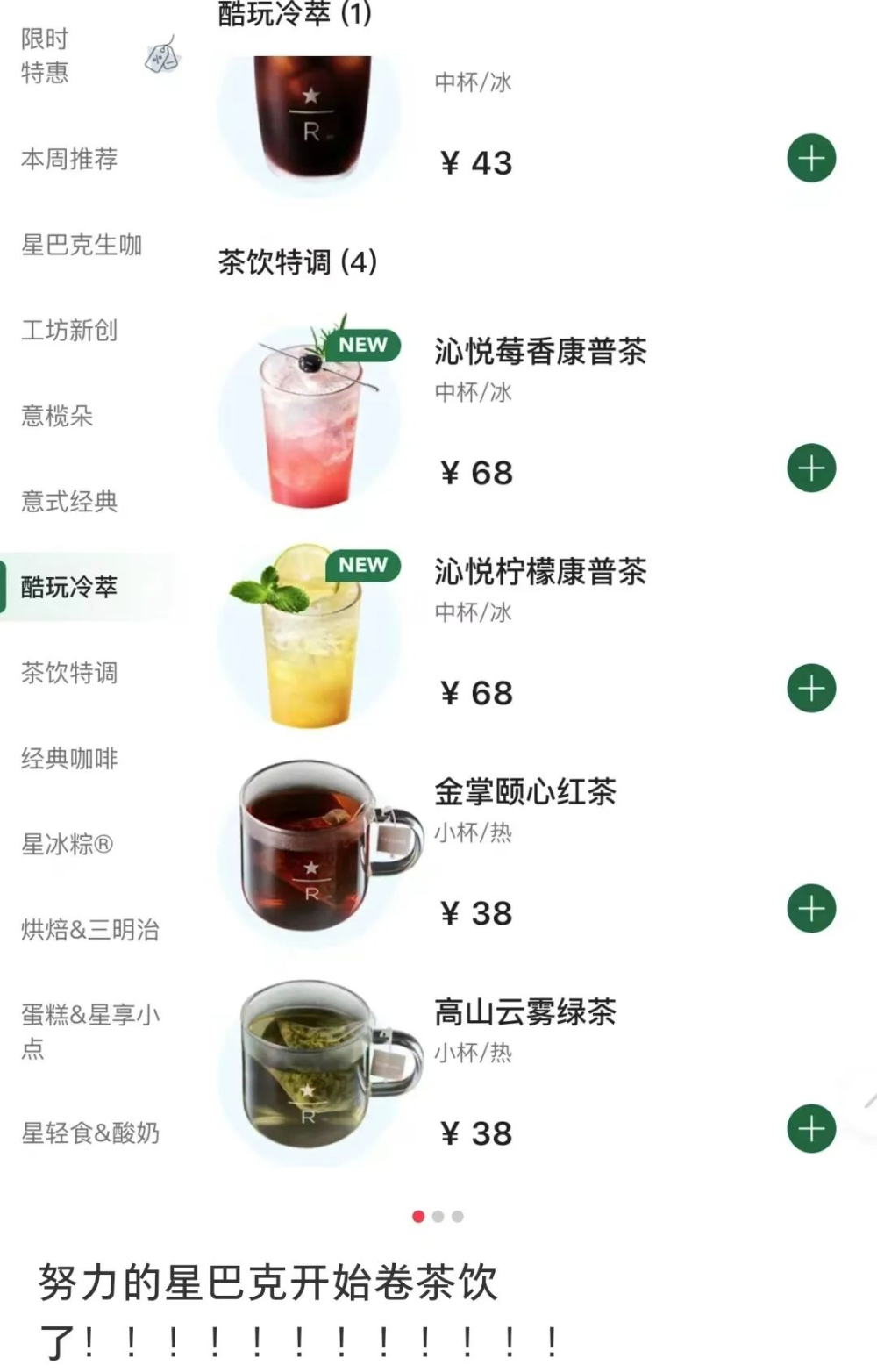
Today's consumers are increasingly hard to please, and to firmly capture public attention, chain brands are pulling out all the stops in product development, with all kinds of drinks taking turns on stage. Recently, however, observant consumers noticed that Starbucks, long known for coffee, has launched two tea drinks—and they are kombucha, which is rarely seen on the market.
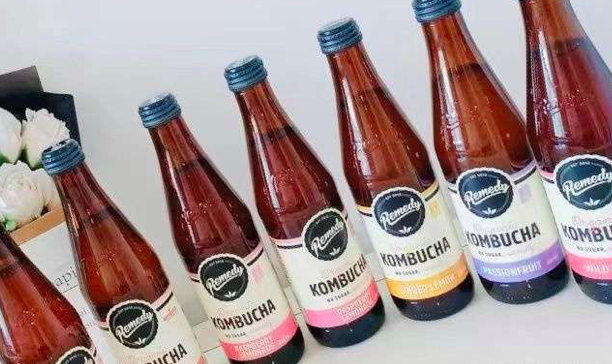
Kombucha is called "Kombucha" in English and has been a trendy drink much sought after in Europe and America in recent years. Although its name contains the word "tea," it does not entirely belong to what the public generally understands as tea; strictly speaking, it should be classified as a fermented beverage.
It is said that kombucha is a natural probiotic drink made from tea leaves, sugar, water, bacteria, and yeast through fermentation. It has a moderately sweet-and-sour taste and is highly accepted by the public. At the same time, because it contains beneficial components such as probiotics and digestive enzymes, it helps with gut health and digestion to some extent, and is therefore deeply loved by consumers.
This time, Starbucks added two special kombucha drinks to its tea beverage line, currently available only in some stores. After the news spread, many people could not help sighing: Is Starbucks unable to come up with new coffee, so it plans to switch tracks and compete in tea drinks?
Though said in jest, it also draws attention to the fact that coffee brands today seem to be encountering a certain bottleneck in product innovation. Earlier, Luckin removed four flavored lattes, prompting many Luckin fans to "celebrate across the land," and also making people notice that the various new products Luckin has launched since last year basically rely on different flavored syrups to create differences in taste.
Some coffee consumers say that most new product innovations from chain brands are arrangements and combinations of ingredients such as syrups and thick milk with coffee. Over time, as soon as they hear the name of a new product, they can guess what new flavor of syrup the brand has developed. Some even joke that every time they watch a brand launch something new, it feels like attending a "syrup new product launch event."
With the popularity of health-oriented dietary concepts, more and more people are consciously controlling their sugar intake. After the novelty of various flavored lattes fades, they gradually lose favor because of their high sugar content. This also made brands aware of consumers' health demands, so they replaced the original flavored syrups with fruit juices and jams, and various fruit coffees and fruit teas emerged as a result.
Fruit coffees and fruit teas marketed under banners such as "real fruit juice" naturally attracted much pursuit once they hit the shelves. But in the view of some netizens, they are ultimately still products made by using coffee, tea, and other bases and then adding "black technology" to blend them. What they bring consumers is nothing more than a change in flavor—"a bit of novelty, but not much."
Although the kombucha launched by Starbucks this time surprisingly falls into the tea beverage category, it gives long-time users a sense of novelty they have not felt for a long time. Some directly say that the R&D department has finally stopped pushing some new flavor of syrup and instead brought consumers a truly brand-new product.
The audience in the coffee market is mainly made up of curious young people, who prefer novel and unique products. Therefore, to firmly hold onto them, brands maintain users' sense of freshness through frequent new launches. But once consumers get used to those dazzling new products that in reality are "old wine in new bottles," they gradually grow tired and are no longer willing to pay for them.
For them, a new product that truly catches the eye is far more attractive than a "new flavor syrup." Brands perhaps should change their way of thinking, rather than walking all the way down the road of "researching syrups" until it turns completely dark.
Image source: Internet
Disclaimer: Some images in this article are from the Internet. For some content on the website, such as images, we will respect the original author's copyright and indicate the source. However, due to the large quantity, some images and texts may not have been credited in time. Please understand. If the original author has any dispute, they may contact the website for handling. Once verified, we will correct it immediately. Compiled and edited by "Coffee Workshop." Please indicate the source when reprinting. If there is infringement, please inform us for deletion. Thank you~!
The above content is compiled by CoffeeHunters, a coffee news website.


