








How did Yuenyeung reshape Chinese coffee culture?
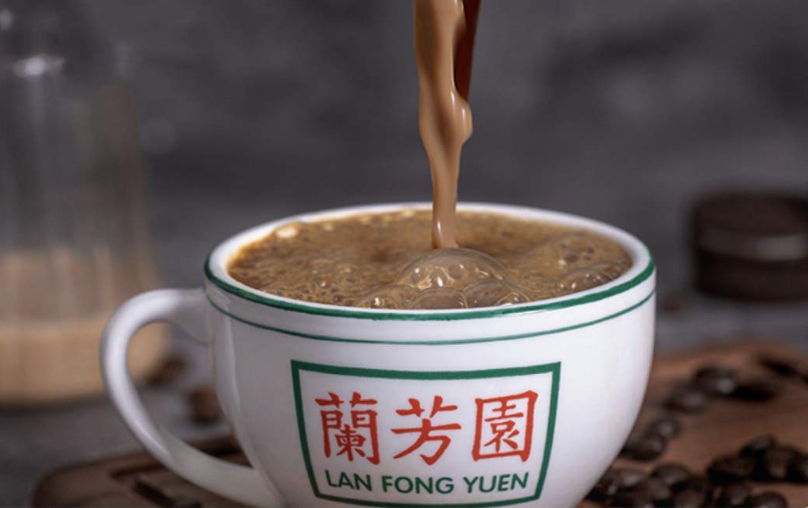
Yuenyeung, the tea-and-coffee drink long part of Hong Kong cafe coffee culture, has become popular again after a century of staying low-key. Its appeal comes from blending tradition with novelty rather than from the coffee itself, and it now draws consumer interest both in China and abroad.
Coffee innovation has mostly centered on adding dairy, from black coffee to milk coffee, with fruit juice coffee arriving in the past decade. Yuenyeung stands apart because it fuses tea and coffee, giving Chinese-style coffee a path of its own. For coffee knowledge, it shows how local taste can shape a global drink.
In the world of coffee, innovation often depends on the addition of dairy products. From black coffee to milk coffee, the category seems rather limited. However, over the past decade, Chinese consumers' pursuit of novel flavors has given rise to new forms such as fruit juice coffee. And the "Yuenyeung," which truly combines tea and coffee, has suddenly become popular after a century of staying low-key. This Chinese-style coffee actually has no direct connection to coffee itself, yet through the blend of tradition and innovation, it has won the favor of consumers both at home and abroad. This article will walk you through the origins and evolution of Yuenyeung, and how Chinese-style coffee has carved out a unique cultural path without relying on the essence of coffee. At the same time, we will also look at the role of brands like Front Street Coffee in this wave.
For professional coffee knowledge exchange and more coffee bean information, please follow Coffee Workshop (WeChat public account: cafe_style)
For more specialty coffee beans, please add the personal WeChat of Front Street Coffee: qjcoffeex
Recently, tea-coffee, which had been dormant for a century, suddenly became popular and a hot topic in the beverage world.
What exactly is Yuenyeung?

Looking at the development of coffee, innovation has mostly revolved around the addition of dairy products. From the past to the present, no matter the region, coffee categories and flavors have been relatively monotonous—nothing more than black coffee or milk coffee—and this was also the case when it was introduced to China. But in the past decade, Chinese consumers' pursuit of novel flavors has made it hard for milk coffee variants to meet demand, so fruit juice coffee began to appear.

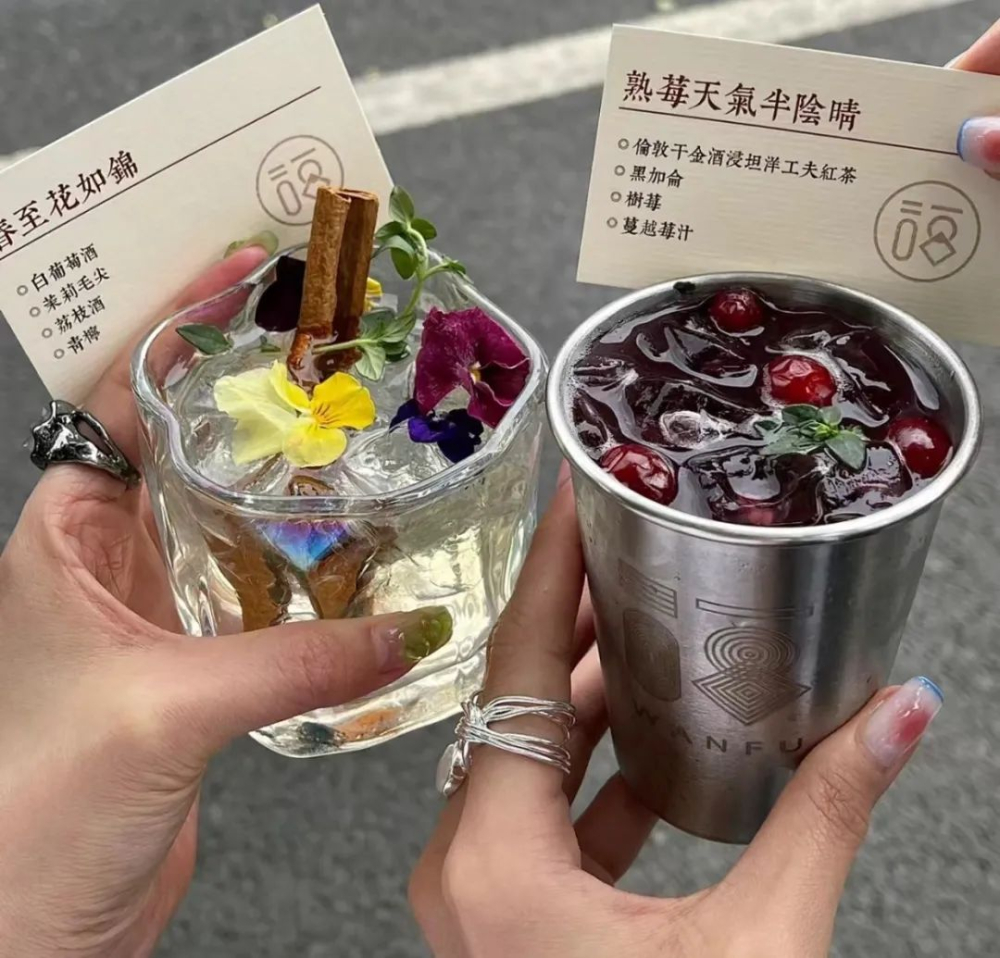
Later, the mainstream domestic approach to coffee innovation was brought overseas and became popular in different regions. At this point, the reputation of Chinese-style coffee was actually not inferior to Italian or Japanese coffee culture.
After all, where there is tradition and heritage, there must be innovation. Only through innovation can a thing continue to attract a new generation to learn about it and pay attention to it.
The above content is compiled by CoffeeHunters, a coffee news website.


