







Search Results for: tea bag portioning
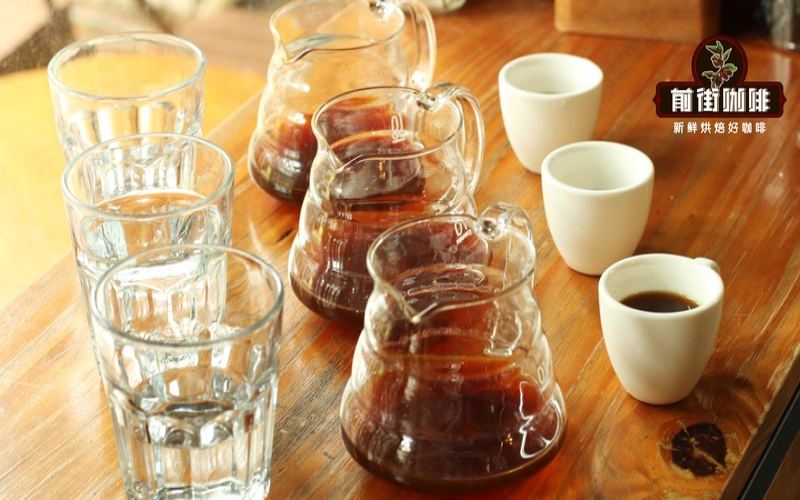
Light-roast pour-over beans: how the flavor changes from opening the bag to the last sip
The charm of light-roast coffee beans often unfolds between floral notes, fruity acidity, and a tea-like quality, but it is not a state you reach the moment you open the bag. After roasting, the beans continue to release carbon dioxide, and their aroma, acidity, and sweetness also shift over time. When buying beans, in addition to looking at the flavor description, you should also pay attention to the roast date and allow for a suitable resting period. [more…]
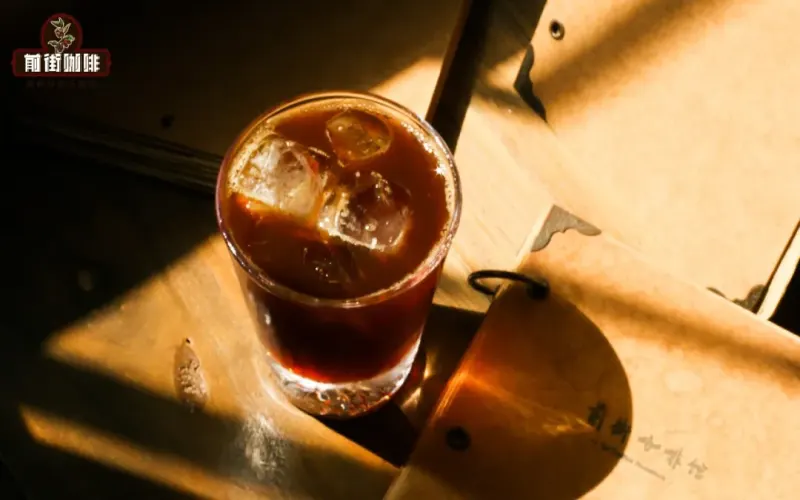
A Complete Guide to Making Cold Brew Coffee at Home: Master the Right Grind and Brewing Method to Easily Achieve a Sweet, Flavorful Cup
Cold brew coffee is loved by many coffee enthusiasts for its high sweetness, low acidity, smooth mouthfeel, and low barrier to entry. However, many people find when they try it at home that the finished product tastes weak and thin, and even grinding the coffee finer doesn't seem to help. The root of the problem may actually lie in grinding too fine—the fine particles clump together after absorbing water, which instead reduces extraction efficiency. This article will systematically analyze this counterintuitive phenomenon and offer three practical solutions: coarsening the grind, portioning the coffee grounds into tea bags, and stirring at regular intervals during the steeping process. At the same time, Front Street will also share coffee bean selections suitable for cold brew and specific brewing parameters, to help you easily make a rich, full-bodied cup of cold brew coffee at home. [more…]
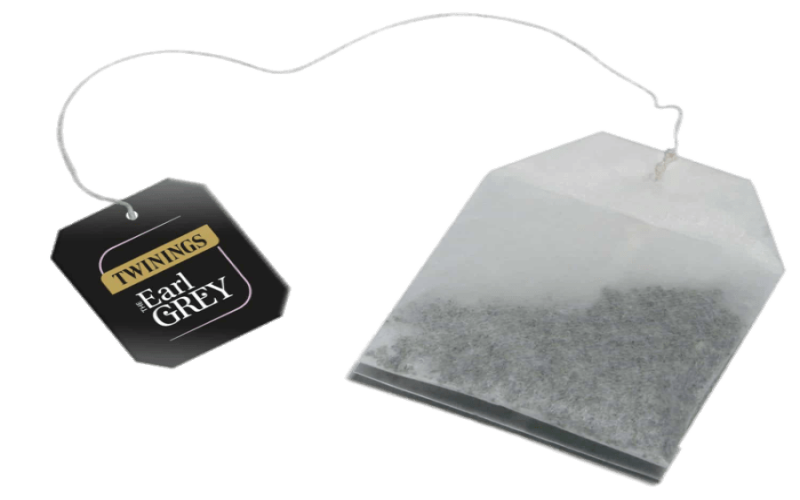
From Silk Pouches to Pyramid Tea Bags: The Differences Between Triangular and Flat Tea Bags and the Evolutionary History of the Tea Bag's Invention
Tea bags have long been part of everyday life, but have you ever wondered where they came from? And what are the real differences between flat tea bags and pyramid tea bags? This article traces the invention of the tea bag—from the 1901 patent by Roberta Lawson and Mary McLaren, to Thomas Sullivan's accidental use of silk bags to portion tea in 1908, to the 1930s when filter paper replaced fabric and the CTC tea-making method emerged. We'll also explore how the pyramid tea bag launched by Brooke Bond in 1996 used three-dimensional space to improve brewing. Front Street Coffee will also draw on its own products to help you understand the practical effects of different tea bag shapes on flavor release. [more…]

2023 Starbucks Crystal Ice Dumpling Launch Time and Price Analysis: Smaller Portions, Changed Flavors—Price Increase or Shrinkflation?
In the 2023 Dragon Boat Festival season, Starbucks' presale of its Frappuccino Zongzi started on April 26. The price remained 198 yuan per bag, but the quantity was reduced from 8 to 6, the flavors were cut from 5 to 4, and the free gift changed from an early-bird bag to a choice between two gift bags. This strategy of reducing quantity without lowering the price sparked discussion. This article sorts out the specific changes to the Frappuccino Zongzi and, combined with current market product innovation trends, analyzes why Starbucks' move struggles to attract a new generation of consumers. At the same time, boutique coffee recommendations are retained at the end of the article; follow Coffee Workshop and Front Street Coffee for more professional content. [more…]
Floral Coffee Beans: The Flavor Rhythm After You Bring Them Home
The expression of floral-type coffee beans often shifts with the roast date and storage time. When freshly roasted, the beans retain more carbon dioxide, so the brewed coffee may have a bold aroma but taste less cohesive in acidity and sweetness; after resting for a few days, the floral, fruity, and sweet notes gradually come together, making the cup feel more complete. When buying beans, the roast date [more…]
Light-roast beans from roaster to cup: freshness determines how to brew
The aroma of lightly roasted beans is often very distinct, but from the moment roasting is completed to the moment they are brewed, they do not immediately reach their ideal state. The beans continue to slowly release carbon dioxide internally, and brewing too early tends to produce sharp acidity, dissipated aroma, and insufficient sweetness. When you consider the roast date, resting time, and the rate of consumption after opening together, [more…]
After the Roast Date: A Flavor Calendar for Pour-Over Beans That Are Neither Sour Nor Bitter
When coffee beans have just left the roaster, they are still continuously releasing carbon dioxide internally, and their aromas do not fully unfold right away. If you grind them too early for pour-over, the coffee bed tends to puff up, and the degassing also disturbs the water flow, so the cup may taste both hollow and harsh. If you want to drink a cup where both the acidity and bitterness are mellow, the key is not to chase the roast date and open the bag on the same day, but to let the beans [more…]

Why do takeaway coffees pack the espresso and milk separately? Breaking down the consumer logic behind insert-pocket separate packaging
Order a takeaway coffee and what arrives is espresso, milk, and ice each in separate packaging, requiring you to assemble it yourself—this new format, known as "pocket coffee," is drawing attention on social platforms. Its emergence addresses takeaway pain points such as dissipating milk foam and loss of flavor, while also catering to young people's desire for participation and ritual. According to Deloitte data, the number of coffee shops in China has approached 110,000, with independent cafes accounting for as much as 87%, and takeaway has long become an important channel for their survival. Why has portioned coffee become popular? Can it balance flavor and experience? And what new problems might it bring? This article sorts through them one by one. [more…]
Can Coffee Grounds Be Reused for Repeated Extraction? Why Pour-Over and Drip Bag Coffee Shouldn't Be Brewed Multiple Times
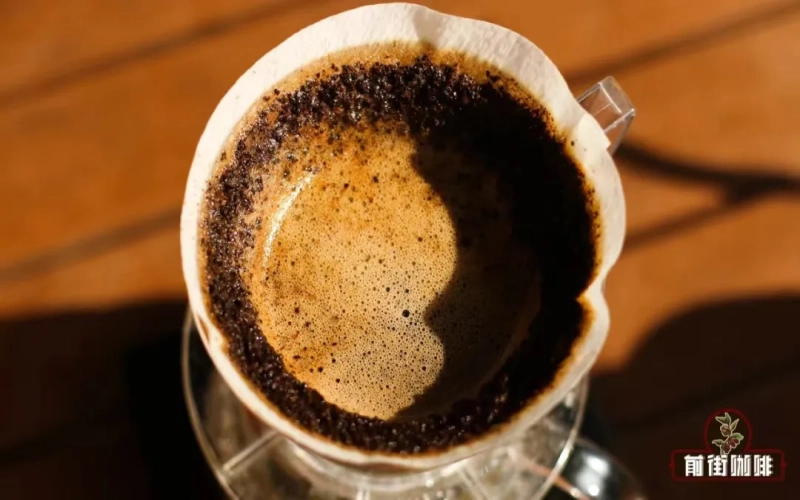
Coffee and tea are both beverages that rely on water to dissolve flavor, so if tea leaves can be steeped repeatedly, can coffee grounds do the same? In terms of composition, about thirty percent of coffee beans is soluble matter, which theoretically does support multiple extractions. In practice, however, the coffee liquid obtained from repeated brewing tends to be thin and carry off-flavors. The reason is that a normal extraction has already released most of the sweet and sour essence, and the remaining substances cannot support good flavor. This article will start from extraction yield and the order in which flavors dissolve to explain why coffee grounds are single-use, and to clarify why pour-over and drip-bag coffee are not recommended for repeated brewing. [more…]
Do Frozen Coffee Beans Need to Be Thawed? From Storage Methods to Brewing Parameters, a Complete Guide to Using Frozen Coffee Beans Correctly
Does putting coffee beans in the freezer really extend their peak flavor window? Some friends have found that beans that have been frozen brew up with weaker aroma and a thin body, and so they suspect freezing is useless. In fact, freezing really can slow down coffee bean degassing and extend freshness, but only if storage and brewing are both done right. This article covers everything from airtight portioning and preventing condensation, to the two routes of brewing frozen beans directly versus brewing after thawing, and uses comparison data from Front Street Yirgacheffe · Gutingding to help you fully understand the complete operational logic of frozen coffee beans in one go. [more…]
When to drink berry coffee beans for a clearer flavor
Berry-forward coffee beans often burst with aroma right after roasting, yet on the palate they can seem sharp, scattered, and may even carry a hint of roast character. Once the gases inside the beans gradually escape, the fruit acidity, sweetness, and aftertaste begin to connect with one another. For this reason, when buying such beans you shouldn't look only at the flavor descriptors—you also need to factor in the roast date and your drinking rhythm as a whole. [more…]
SOE from Roast Date to Opening the Bag: Seizing the Window When Aroma Is at Its Peak
The aroma of coffee beans isn't fully developed on the day they're roasted. After SOE is bagged, it continues to release carbon dioxide; in the first few days it smells very lively, yet during extraction it may expand too quickly and the flow rate can be erratic. Understanding the relationship between the roast date, the opening date, and the drinking timeline is more important than just looking at the shelf life in determining whether the cup is clear and sweet. [more…]
From roasting to brewing: how to capture the flavor window for pour-over beans
The flavor of a bag of pour-over beans changes over time. Freshly roasted coffee is usually full of gas, and its aroma hasn't fully opened up yet, so the brew may taste sharp, thin, or muddled. After resting for a while, the acidity, sweetness, floral and fruity notes, and lingering finish gradually come together, making each sip more complete. When selecting beans, the roast date is often [more…]
The Flavor Window and Drinking Rhythm of Yirgacheffe SOE
Yirgacheffe SOE is often expected to have a bright aroma, but a bag of beans will undergo continuous changes in flavor from the moment it is roasted to the moment it is tasted. Freshly roasted coffee contains more carbon dioxide, and the aroma is easily held up by the gas; during extraction, there may also be sharp acidity, channeling, or excessive foam. Keep track of the purchase date, resting time, and how quickly the bag is opened. [more…]
After the roast date, when do blends and SOEs taste better?
Coffee beans aren't necessarily more fragrant the closer they are to the roaster. Freshly roasted beans continue to release carbon dioxide, making it harder for water to evenly penetrate the coffee bed during brewing, and the aroma may also seem loose and scattered. Whether a blend or an SOE tastes better often depends on whether they've reached their optimal drinking window, and whether a bag of beans can be finished in time after the flavors have opened up. [more…]
After the Roast Date: When Is the Best Time to Open a Bag of Pour-Over Coffee Beans for More Aroma?
The moment coffee beans leave the roaster, aromatic compounds have already formed, but they continue to release carbon dioxide internally. If you brew them immediately at this point, the coffee bed may puff up quickly, the water flow gets pushed aside by the gas, and the cup instead tastes tight, scattered, or its layers haven't yet unfolded. The roast date is therefore not a countdown urging you to open the bag, but rather a guide for planning your drinking rhythm. [more…]
The Opening Clock for Decaf Pour-Over Beans: When They Peak and How to Store Them
To enjoy a low-caffeine pour-over bean with good aroma, the key is not to chase the roast date and open the bag right away, but to let the gases inside the bean escape gradually. If you brew too early, the bed of grounds is easily lifted by the gas, and the water flows through unevenly; wait until the right stage, and the floral and fruity notes, sweetness, and aftertaste will come through more cohesively. It should be noted that resting changes the extraction performance, [more…]

How Should You Set the Coffee-to-Water Ratio and Steeping Time for Cold Brew? Analyzing the Causes of Weak Flavor in Iced Brew
When making cold brew coffee at home, the steps aren't complicated, yet the result always turns out bland and tasteless? The problem often isn't your technique, but the parameters and details. Drawing on Front Street's practical experience, this article breaks down four key aspects of cold brew coffee—the coffee-to-water ratio, steeping time, grind size, and stirring frequency—explains why iced brewed coffee tends to be weak, and offers specific adjustments to make your cold brew richer and more aromatic. Whether you prefer drinking it over ice or straight, you'll find a suitable concentration reference. [more…]
When should you start drinking SOE americano? Sweetness and acidity are easier to balance.
From the day coffee beans finish roasting, the internal gases, aromatic compounds, and extraction state are constantly changing. When made into an SOE Americano, these changes are stretched out by the hot water: drink it too early, and the acidity may seem jumpy while the aroma has yet to unfold; once it enters the right stage, the transition between acidity and sweetness becomes smoother, and the fruit notes are more complete. Therefore, judging [more…]
From roasting to opening: the drinking rhythm for sweet-aftertaste coffee beans
If you want a coffee that has a bright acidity that doesn't overpower and a sweet finish, don't just rely on the flavor description when buying beans—also pay attention to the roast date and your own drinking pace. Right after coffee beans leave the roaster, they are still releasing carbon dioxide internally, and their aroma and sweetness have not yet fully opened up; after resting for a period of time, the acidity in the cup becomes softer, and the sweet aftertaste also [more…]