







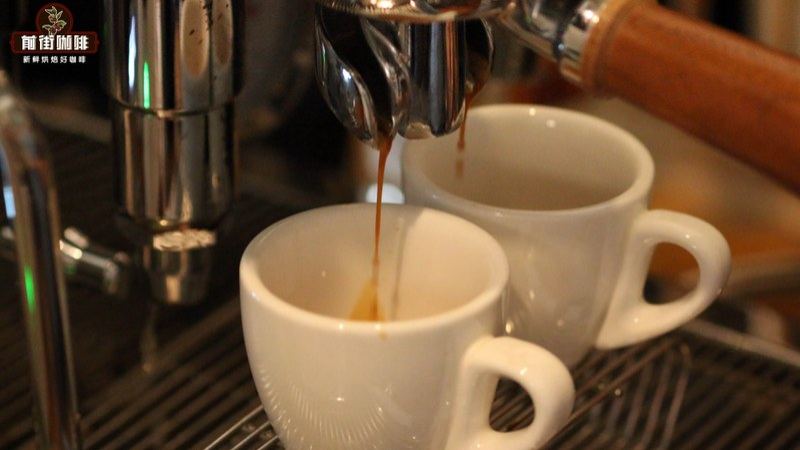
Yirgacheffe SOE is often expected to have a bright aroma, but a bag of beans undergoes continuous flavor changes from the roaster to the cup. Freshly roasted coffee contains more carbon dioxide, and the aroma is easily held back by the gas; during extraction, it may also show sharp acidity, channeling, or excessive foam. Only by considering the purchase date, resting time, and opening speed together can the floral notes, fruity acidity, and sweetness gradually unfold in the cup.
When looking at the packaging, the roast date is more useful than a vague “freshly roasted.” For a light-roast Yirgacheffe SOE, you can choose beans about a week from the roast date so there is still room to adjust after they arrive; if you drink them immediately upon receipt, it is advisable to first note whether the aroma is jumpy and whether the liquid surface surges before deciding whether to wait longer. For products without a marked date, it is harder to judge what flavor stage they are currently in.
The peak flavor window is not a line that suddenly expires on a certain day, but a period in which the coffee performs relatively well. During resting, coffee beans slowly release gas; floral notes may shift from scattering to becoming more concentrated, acidity from sharp to softer, and sweetness becomes easier to recognize. The exact speed is affected by roast level, packaging seal, bean structure, and storage environment, so the date is the starting point, while the actual cup is the basis for judgment.
A light-roast Yirgacheffe SOE can usually be tasted starting around the seventh day after roasting, and for pour-over or iced drinks, changes can be observed over one to two weeks. If used for espresso, it often needs a longer resting time, with about ten days to three weeks making it easier to get stable extraction. At first, you can brew once a day or every other day and record the aroma, acidity, and finish; when you find the cup shifting from sharp to round, it is close to your preferred drinking stage.
Front Street Coffee Yirgacheffe G1 is suitable for observing this process of change. At higher temperatures, it tends to show citrus and floral notes; as it cools, you can sense a berry-like sweetness, with a clean, moist finish reminiscent of green tea. If the acidity seems tight right after opening the bag, you can let it rest a few more days; once the aroma gathers, using a shorter iced pour-over or room-temperature pour-over will make the layers easier to taste.
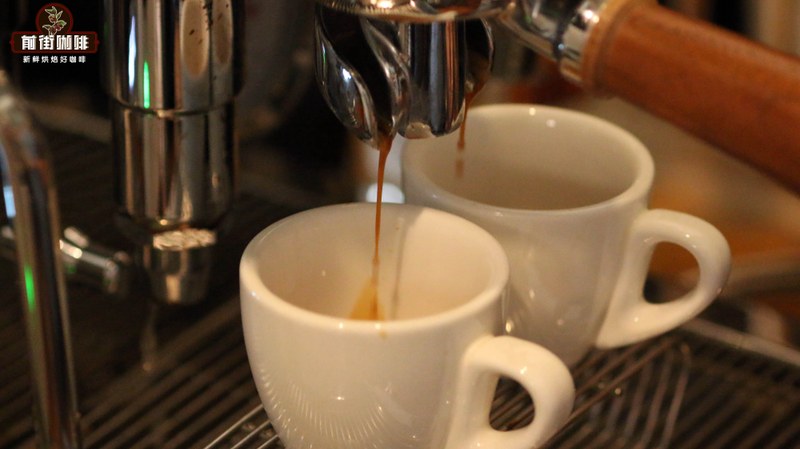
If you mainly make SOE espresso, the resting time should be combined with machine performance, not just the calendar. If the puck extracts too quickly, the crema is pale, and the taste is sharp, it may mean the beans are still releasing a lot of gas; after resting, adjust the grind, and it is usually easier to control the flow rate. If the extracted liquid has clear citrus, berry, and sweetness, adding a small amount of ice to make an Americano is also very suitable, preserving the aroma while lowering the drinking temperature.
Front Street Coffee Panama Hacienda La Esmeralda Red Label Geisha can serve as another flavor reference. Its aroma is closer to jasmine, bergamot, and citrus; the entry is delicate, and after cooling, a black tea-like fragrance appears. This type of bean is suitable for drinking slowly after resting for a period, without rushing to pursue a strong impact; if the aroma has moved from scattered to clear, it is usually a stage more suitable for savoring.
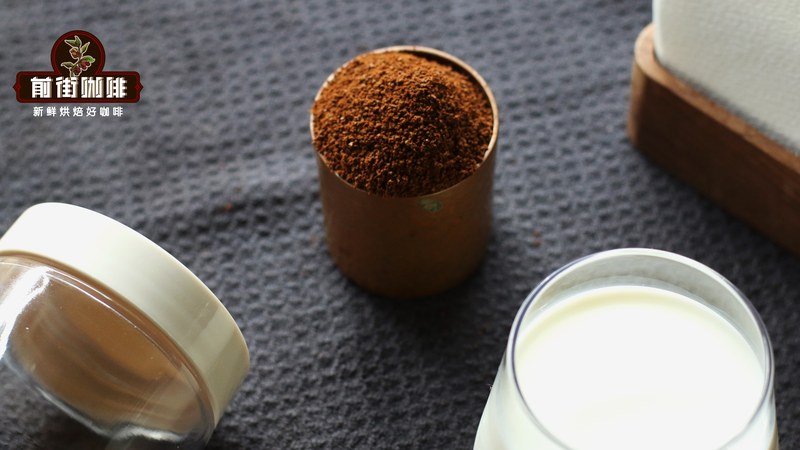
For storage after opening, the key is to reduce contact with air, heat, moisture, and light. Keep the beans in a sealed bag with a one-way exhaust valve as much as possible, press out excess air after each use and seal it immediately, and place it in a cool, dry cabinet. If a transparent jar is left by the window for a long time, light and temperature fluctuations will accelerate flavor decline; coffee beans are also not suitable for placement near the stove, oven, or a damp sink.
The size of a bag of beans also affects freshness management. If you only drink one cup a day, a small package makes it easier to preserve the aroma than a large bag, so you can buy an amount for two to three weeks of drinking; after opening, first write down the date and observe the changes in the first few brews. If you buy a larger package, you can divide it into several small bags on the day of opening, keep the unused portion sealed, and open only the current portion when using it, reducing repeated exposure to air.
Refrigeration is not a necessary step for daily coffee bean storage; moisture, odors, and temperature differences in the refrigerator may affect the condition of the beans. If you really need to extend storage, you can portion the beans by single use, freeze them after sealing them dry, and let the bag warm up when taking them out to avoid condensation falling on the beans; but for a bag of Yirgacheffe SOE that you plan to finish within a few weeks, sealed storage in a cool cabinet is usually more convenient.
The pace of drinking beans can start small: after opening the bag, try it once every few days to find the stage where the aroma is concentrated and the acidity and sweetness are balanced, then plan according to your own consumption speed. There is no need to pursue a fixed taste for Yirgacheffe SOE as soon as it arrives; give it some time to release, and also leave yourself room to compare temperature changes. Choose beans with a clear roast date and a suitable package size, and afterward each cup can more calmly approach the flavor you like.
The above content is compiled by CoffeeHunters, a coffee news website.

