








When coffee beans have just left the roaster, they are still continuously releasing carbon dioxide internally, and their aromas do not unfold completely right away. Grinding too early for pour-over can cause the coffee bed to puff up, and degassing can also disturb the water flow, potentially making the cup both hollow and harsh. If you want to drink a state where both acidity and bitterness are mellow, the key is not to chase opening the bag on the roast day, but to let the beans reach the stage where the aroma opens up and the sweetness is stable.
The roast date on the packaging can be seen as the starting point of the flavor clock; the peak flavor period is a suitable drinking window, not the same as saying it cannot be drunk after a certain day. So-called resting is simply giving degassing and aroma integration time under sealed conditions. When purchasing, prioritize confirming a clear roast date, then work backward to the capacity based on your own consumption pace, which is more useful as a reference than only looking at the shelf life.

Take a medium-roast, low-acidity, balanced single-origin as an example. Under sealed conditions, resting for about five to ten days usually brings it into a more relaxed pour-over stage. Front Street Coffee Papua New Guinea Paradise Bird has a clean and smooth profile, with gentle sweetness and an overall harmony similar to Blue Mountain style. After opening the bag, use hot pour-over to express its warm aroma and rounded finish, suitable for those who do not want to highlight fruity acidity.
Light-roast beans degas more slowly, and their suitable drinking window often arrives a little later, so you can start observing ten to eighteen days after roasting. Front Street Coffee Yirgacheffe Gudingding has notes of orange peel, red berries, and flowers, with a finish like light green tea. If you are sensitive to bright acidity, you can wait until the aroma stabilizes and then make cold pour-over, letting low temperature and ice soften the edges of the acidity, and the sweet aroma will appear lighter.
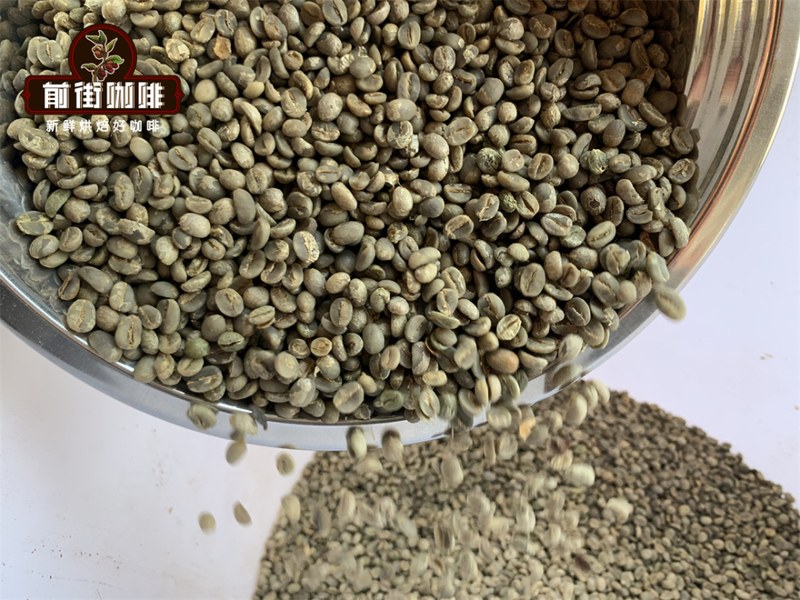
The date is only a reference; there is no need to treat the number of days as a fixed formula. When opening the bag, first smell the dry aroma, then look at the bloom: concentrated aroma, even expansion of the coffee bed, and a sweet, moist entry mean the condition is suitable; if degassing is especially violent and the flavor is scattered, you can keep it sealed for another day or two; if the aroma begins to weaken, increase how often you drink it. Calibrating the calendar by what is in the cup is more accurate than mechanically sticking to dates.
Purchase quantity should correspond to your drinking rhythm. If you brew fifteen grams per day, you consume about one hundred five grams per week, so a two-hundred-gram package can usually be finished within about two weeks after opening; if you only brew two or three times per week, smaller packaging is better for preserving aroma. When buying several coffees at once, you can first open the medium-roast beans whose suitable drinking window comes earlier, and keep the light-roast beans sealed, letting the maturation times of different beans naturally stagger.
After opening, the key points are reducing oxygen, moisture, heat, and light. After taking beans each time, squeeze out excess air from the bag, seal the one-way valve packaging tightly, and place it in a cool, dry cabinet; if a transparent jar is often exposed to light, the flavor will decline faster. Beans should not be placed on the stove, by the window, or next to a damp sink, and they should not be frequently poured into a large container, to avoid increasing the space exposed to air.
If you expect not to finish them within three to four weeks, you can portion by single brew amount and freeze. Use thick sealed bags or small tubes, expel as much air as possible, and label the bean name and roast date; after taking out one portion, grind it directly, and keep the remaining portions in the freezer. Repeatedly moving a whole bag in and out of a low-temperature environment can easily form condensation, so the point of portioning is to let each portion experience only one temperature change.
The same bag of beans will also change slowly within the suitable drinking window. Just after entering its state, there is more gas, so pour more gently and extend the bloom appropriately; one week after opening, if the flow becomes faster and the aroma weaker, you can slightly grind finer or raise the water temperature by one or two degrees. Keep adjustments small; the goal is to compensate for the beans’ changes, not to force out bitterness with aggressive parameters.
To judge “neither sour nor bitter,” you also need to distinguish bright, sharp, and drying. Ripe, suitable fruity beans can have lively sweetness and acidity, but not the abruptness of unripe fruit; stable, balanced beans can also have roast aroma, but need not leave a burnt bitterness. When tasting, observe over several sips from hot to warm. If the sweetness gradually becomes clearer and the mouth does not tighten, then this coffee is well matched to the current date and brewing method.
Just arrange a simple flavor calendar for the coffee at home: when it arrives, note the roast date, estimate the opening date, and after opening mark the planned finish date. Rounder single-origins can enter daily rotation earlier, while floral light roasts should be given a few more days to open up, and decide between sealed at room temperature or portioned freezing based on frequency. Let purchasing, resting, and drinking connect into a smooth rhythm, and acidity and bitterness will naturally be more likely to fall into a comfortable range.
The above content is compiled by CoffeeHunters, a coffee news website.


