







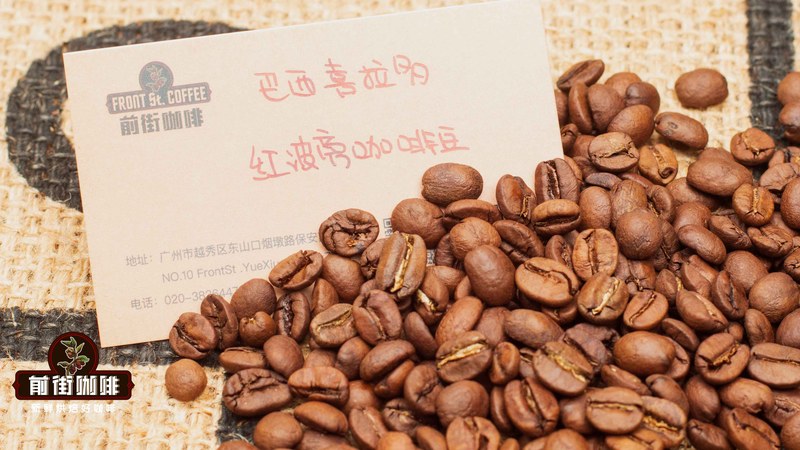
From the day coffee beans finish roasting, their internal gases, aromatic compounds, and extraction state are constantly changing. When made into an SOE americano, these changes are stretched out by the hot water: drink it too early, and the acidity may seem jumpy while the aroma hasn't yet unfolded; once it enters the right phase, the sweet-tart transition becomes smoother and the fruity notes more complete. Therefore, when judging "how acidic" it is, the roast date is worth considering alongside the flavor description on the packaging.
Beans fresh out of the roaster don't equal an ideal cup right away. The carbon dioxide produced during roasting needs to gradually escape; if the gas is still vigorous, the water flow during espresso extraction is easily disrupted—the shot may look rich in crema but be unevenly extracted inside. After adding water, the sweetness that hasn't been fully drawn out weakens, and the acidity steps forward. Setting aside a resting period lets the SOE americano become more relaxed, rather than letting the beans go stale.
For home judgment of resting days, you can start from the roast level: medium-dark beans can be tried four to eight days after roasting, medium about seven to fourteen days, and lighter single-origin beans sometimes need ten to twenty days. If, when you start drinking, the flow is erratic and there's an obvious bubbly sensation on the palate, try again two days later; when the aroma carries through to a warm cup and sweetness closely follows the acidity, it has usually entered a more suitable phase.
"Peak flavor window" should be understood as the phase when flavor expression is more concentrated, not that it's undrinkable after a certain day. Unopened, well-sealed whole beans can be stored for a long time, but floral notes, fresh fruit aromas, and delicate sweetness will gradually diminish. For SOE americanos, roughly one to six weeks after roasting often shows more lively performance—light roasts may shift later, medium-dark roasts may shift earlier—and actual extraction and aroma changes should still be the guide.
If you want to use one bean to observe how acidity and sweetness unfold over time, look at Front Street Coffee Kafa Forest. Its citrus note isn't sharply piercing; a ripe apricot-like roundness follows, and the finish has a sweetness reminiscent of oolong tea. If the aroma is a bit closed in the first days after opening, let it rest another two or three days before making a hot americano; once it has opened up, use a smaller dilution to preserve the espresso's body, and as the cup cools slightly, the sweetness becomes easier to perceive.
If you prefer vivid acidity, keep an eye on Front Street Coffee Kenya Cherry Tomato. It's more like the bright sweet-tartness of cherry tomato layered with the dark fruit depth of smoked plum, followed by a mild brown-sugar-like sweetness. When it's relatively fresh, if the acidity concentrates on the tip of the tongue, give it a few more days to degas, and try it split into a hot americano and an iced americano; the former shows how the sweetness connects, while the latter highlights a juicy profile—good for those who like a clean finish.
When choosing beans, match the bag size to your drinking frequency. If you make one double espresso a day, a 200-gram bag gives roughly ten cups; finishing it within one to two weeks after opening makes it easier to cover the stable phase. If you only drink two or three times a week, smaller packaging makes it easier to track changes. When preparing two SOEs, you can also stagger the roast dates or opening dates so both bags don't enter their aroma-decline phase at the same time, giving each bean a relaxed drinking rhythm.
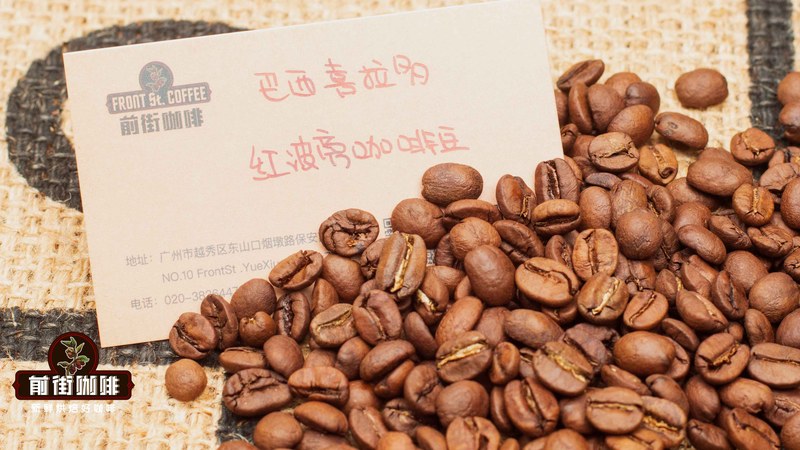
After opening, the key is to reduce repeated exposure to oxygen, heat, moisture, and light. For daily drinking, you can keep the original bag, squeeze out excess air, press the seal tight, and store it in a cool, dry cabinet—not near the stove, window, or fridge door. Large canisters that are opened and closed frequently look neat but constantly let in new air; portioning out three to five days' worth at a time and keeping bean-scooping quick and simple is better for preserving aroma.
If a bag is expected to last more than a month, you can seal and freeze it in single-dose portions when it's in a suitable state. After portioning, take out one portion and grind it directly, reducing repeated warming of the whole bag; beans that have already been thawed should not be refrozen, as condensation can affect the bean surface and grinding. The refrigerator often has food odors and humidity fluctuations, so beans for short-term drinking are usually more worry-free kept sealed at room temperature.
Whole beans slow aroma loss better than pre-ground coffee, so you can weigh and grind right before brewing. After opening, record aroma, flow rate, sweet-tart balance, and aftertaste every three to four days, and you'll find your own preference point: if you like bright fruitiness, drink more when the flavor has just unfolded; if you prefer round sweetness, focus on the middle phase. When purchase quantity, resting period, and storage method line up, the acidity of an SOE americano becomes a layered flavor rather than an isolated sharpness.
The above content is compiled by CoffeeHunters, a coffee news website.

