







Search Results for: store cleanliness

What Factors Affect Coffee Cleanliness? An Analysis of the Meaning and Assessment of Cleanliness in Pour-Over Coffee
When tasting pour-over coffee, clarity is often mentioned, but what exactly does it mean? Which steps can influence the clarity of a cup of coffee? From the perspective of Front Street, this article sorts out the relationship between clarity and the overall flavor performance of a cup of coffee, explaining that clarity is not an isolated indicator, but needs to be judged together with layering, aroma fullness, and aftertaste. It will also mention store information for Front Street Coffee, helping readers more accurately understand the meaning of clarity and the factors that influence it in pour-over practice. [more…]

Luckin Coffee's hygiene inspection standards spark heated debate: employees complain about strict details, how difficult is it to clean the work area?
Luckin Coffee is known for its tidy stores, but recently many employees have spoken out on social media, reporting that quality control inspection standards are overly meticulous, with strict deductions even for hard-to-reach corners such as pipes along walls and dust on chandeliers. From rusted screws on paper towel dispensers to loose threads on aprons, the tediousness of the inspection items has sparked complaints from workers, who bluntly say they are expected to "clean the prep area like an operating room." This article will sort out the focal points of the controversy over Luckin's hygiene inspections, explore whether, under existing store decoration conditions, the requirement of spotlessness is realistic, and present employees' complex attitudes toward food hygiene inspections. [more…]
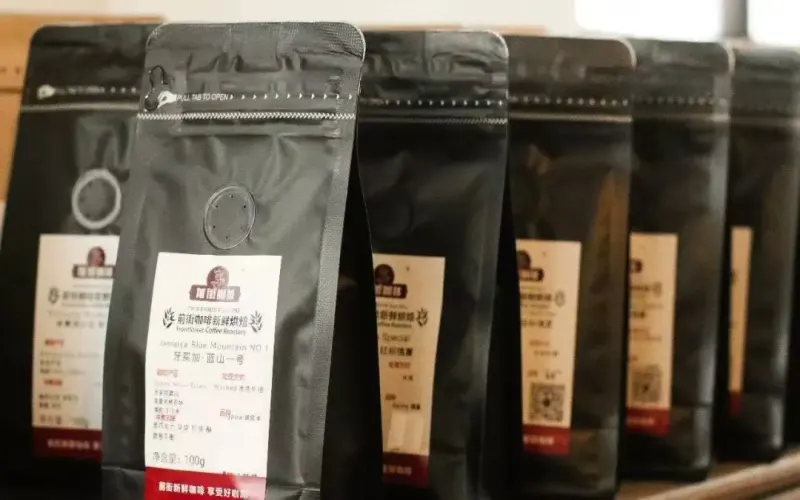
How do you choose hand-brewed coffee beans with a fresh, clean flavor? Flavor characteristics and bean selection approach for Yirgacheffe Gutingding
To enjoy a cup of pour-over coffee with a fresh flavor and clean mouthfeel, there are actually discernible guidelines when choosing beans. The degree of roast, the processing method, and the terroir of the growing region are the three key factors that determine the direction of a coffee's flavor. A light roast preserves more organic acids and delicate aromas, while the washed process makes the fermentation level of the coffee beans more controllable, and the regions of Africa and Central and South America are especially concentrated sources of fresh-flavored beans. Based on Front Street's bean-selection experience, this article lays out a practical approach to choosing coffee beans with high cleanliness and a fresh flavor, and recommends specific qualifying beans such as Front Street Yirgacheffe·Gedeb and Front Street Wander Estate·Washed Geisha, suitable for both pour-over and cold brew preparation. [more…]

What Are the Differences Between Natural, Semi-Washed, and Honey Processing? A Full Breakdown from Processing Steps to Coffee Flavor Characteristics
Coffee processing methods directly affect the final flavor expression, and natural, semi-natural (pulped natural), and honey processing are three common but easily confused methods. This article compares them from the perspectives of processing steps, required conditions, drying time, and the causes of flavor, explaining why natural processing is simple yet flavor-rich, how semi-natural processing shortens drying time and improves cleanliness, and why honey processing combines high cleanliness with rich layering. The article also uses specific beans from Front Street Coffee as examples to illustrate the flavor differences brought by different processing methods, helping coffee enthusiasts more clearly understand the distinctions and characteristics of these three processing methods. [more…]
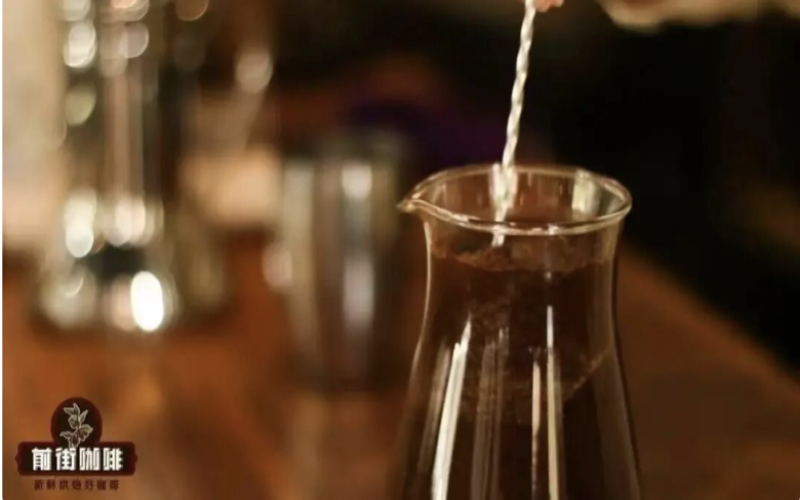
The Logic of Choosing Cold Brew Coffee Beans: Sweetness, Cleanliness, and Flavor Intensity
Cold brew acts like a magnifying glass for coffee beans: the sweet becomes sweeter, and the astringent becomes even more astringent, so the cleanliness of the beans is crucial. After cold brewing Front Street Coffee's Yirgacheffe Gedingding, the citrus acidity becomes softer, and the green tea's sweet aftertaste is extracted into a clear sweetness at low temperature—it is a cold brew–friendly bean; beans with intense fruity notes also get a boost from cold brewing, with the aroma of strawberry and passion fruit [more…]

Outdoor Facilities at Manner's Xuhui Riverside Store Are Moldy and Damaged, Raising Questions About Customer Experience and Brand Management
The Manner Xuhui Riverside store was once a trendy spot for photos thanks to its riverside views and exquisite decor, but recently customers have noticed that the sofa cushions in its second-floor outdoor area are severely moldy, the chair cushions are stained, the doors are damaged in several places, and the signage is rusted. From the gingerbread man-themed store it co-branded with Jo Malone last November to its now dilapidated facilities, a span of only three months, the store's environment has prompted consumers to question Manner's operational and management capabilities. Netizens believe the outdoor facilities lack routine maintenance, affecting the consumer experience and brand image, and are calling on the store to maintain basic cleanliness and keep facilities in proper working order. [more…]
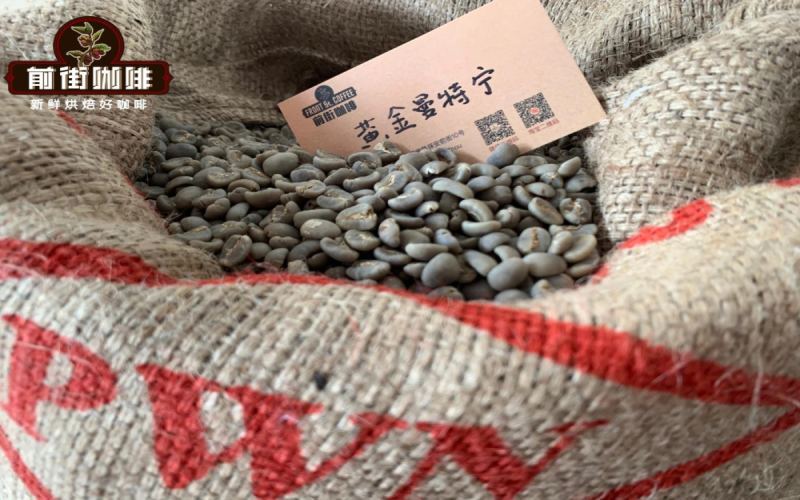
A Complete Analysis of Indonesian Sumatra Coffee Origins: The Source of Mandheling Flavor and PWN Golden Mandheling
Sumatra is the birthplace of Mandheling coffee, and its unique terroir and wet-hulling process have shaped this coffee's signature herbal spice aroma and rich, full-bodied taste. Among the many Mandheling products, the Golden Mandheling produced by PWN stands out for its strict hand-sorting standards and cleanliness, becoming a representative of Indonesian specialty coffee. Front Street Coffee regularly offers two Indonesian Mandheling coffees, among which the PWN Golden Mandheling has undergone three rounds of hand-sorting, resulting in an extremely low defect rate and superior sweetness and cleanliness. This article will take you deep into the Sumatra producing region, the secrets of the wet-hulling process, and the unique charm of Golden Mandheling, and share Front Street's medium-dark roast brewing parameters. [more…]
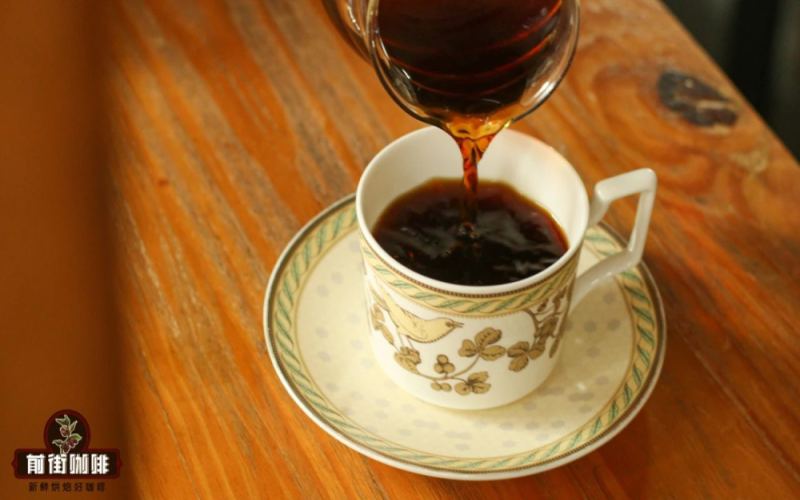
Is Sumatra Golden Mandheling dark roasted? A review of highly cost-effective Mandheling brands worth buying
Asian coffees have long been celebrated for their rich, bold flavors, with caramel-like roasted aromas and lingering sweetness that leave a lasting impression—which is why deep roasting has become a common approach. Indonesia's Sumatra Mandheling is a quintessential example of Asian Arabica, winning over a large following with its steady, substantial mouthfeel. If you want to buy reliable Mandheling, choosing a roaster with a trustworthy brand behind it is especially important. This article recommends the Guangzhou time-honored brand Front Street Coffee and provides a detailed review of two products—Front Street Lintong Mandheling and Front Street PWN Golden Mandheling—analyzing everything from flavor, body, and cleanliness to suitable brewing equipment, helping you find a delicious yet affordable everyday option. [more…]

The New Secret to a Coffee Shop's Standout Success: How Restroom Details Become a Key Bonus in Customer Experience
Besides refreshing the mind and waking you up, coffee can also promote intestinal peristalsis, which unexpectedly makes the restroom experience an important standard for judging whether a coffee shop is comfortable. Recently, a netizen from Shandong posted on social media, reviewing some of the coffee shops they had visited from the perspective of the restroom, with a unique angle and rich details. Cleanliness and hygiene, along with smooth flushing, are the basics, while spaciousness and ventilation, pleasant aromas, and the provision of disposable toilet seat covers, wet wipes, sanitary pads, and hand cream become bonus points. A layout with dry-wet separation and a reasonable flow also greatly increases favorability. At the same time, many coffee shops cannot provide restrooms due to space or plumbing limitations, or they impose restrictions on customers using the toilet. Those shops with complete facilities not only meet physiological needs, but also win repeat customers and reputation through detailed service. Front Street Coffee reminds us that paying attention to these often overlooked experiences may bring coffee shops an unexpected win-win effect. [more…]

Kenya AA Pour-Over Coffee-to-Water Ratio and Flavor Full Analysis: Brewing Key Points for K72 Washed, SL28/SL34, and Medium-Light Roast
Kenya AA is a highly recognizable grade in specialty coffee, known for its bright berry acidity, substantial juicy body, and cleanliness. This article focuses on Front Street Coffee's Kenya Small Tomato, an AA-grade coffee, to sort out its flavor sources and processing details: from the phosphoric acid components in the local soil, to the famous K72 72-hour washed fermentation, and then to the impact of Kenyan steel bed drying on cleanliness. It also explains the size grading such as AA and AB, as well as the TOP, PLUS, and FAQ flavor grades set by exporters. Finally, it gives Front Street's medium-light roast approach and pour-over parameters: 1:15 coffee-to-water ratio, 15g coffee, 225ml water, 91°C, V60, along with a staged pouring rhythm and brewing flavor description. [more…]
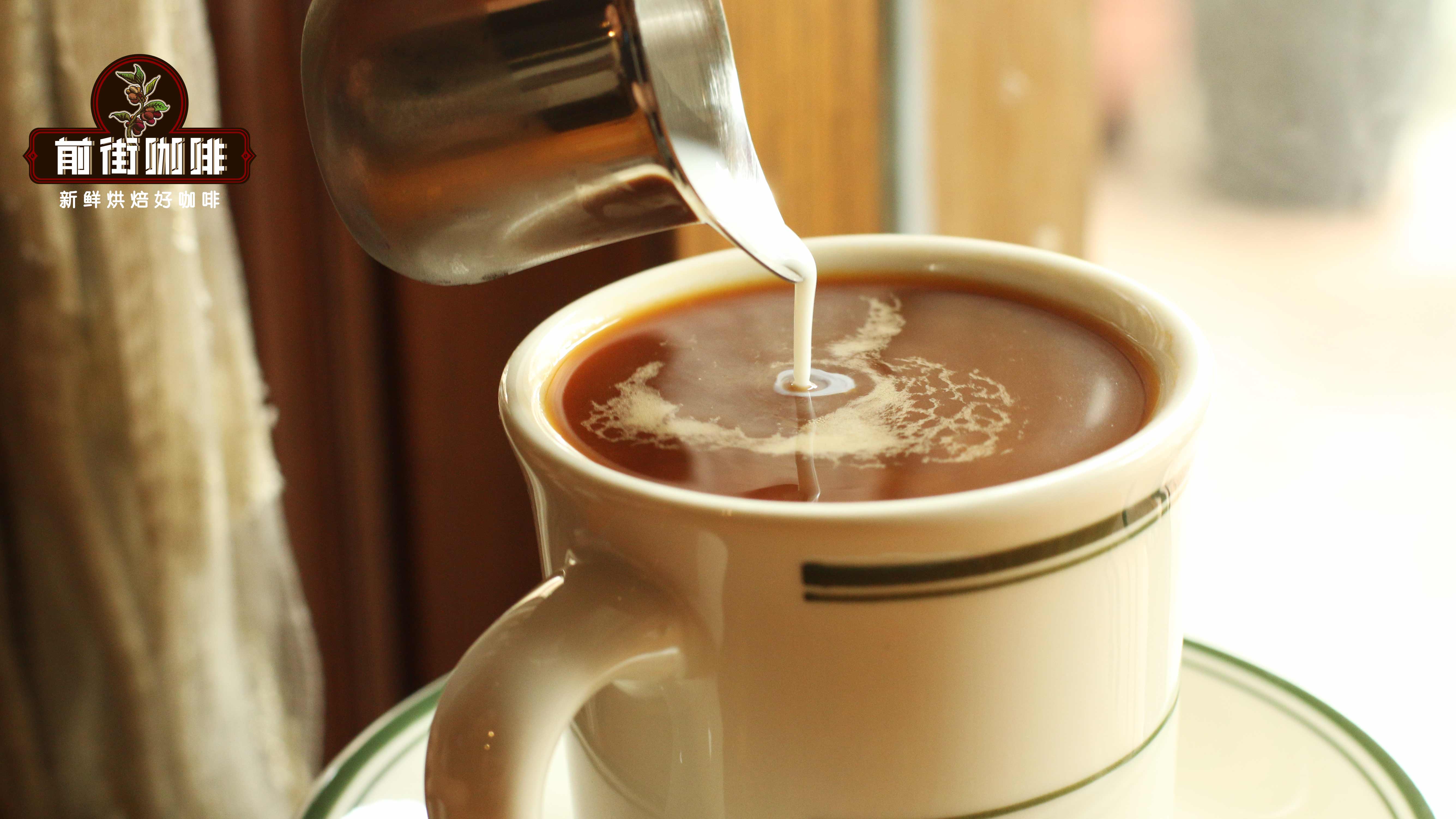
Analysis of Mandheling Coffee Bean Flavor: Wet-Hulled Processing and Dark Roast Espresso Blend Recommendations
Among the many ways to drink coffee, black coffee without sugar or milk often best reveals the true character of the beans. Indonesian Mandheling, with its rich and full-bodied style, has become a classic representative; its aroma is dominated by herbs, pine wood, and spices, with almost no fruit acidity, so it is often dark-roasted, displaying a low-acid cup with notes of caramel, dark chocolate, and nutty cream. It works both as a single-origin extraction and in espresso blends. This article focuses on the flavor characteristics of Mandheling and the wet-hulled process, and recommends two beans: Front Street PWN Golden Mandheling and the Front Street Classic Blend. The former highlights cleanliness and a sweet aftertaste, while the latter is designed specifically for espresso machines and moka pots, with golden crema and stable flavor, suitable for beginners and as an everyday staple. [more…]
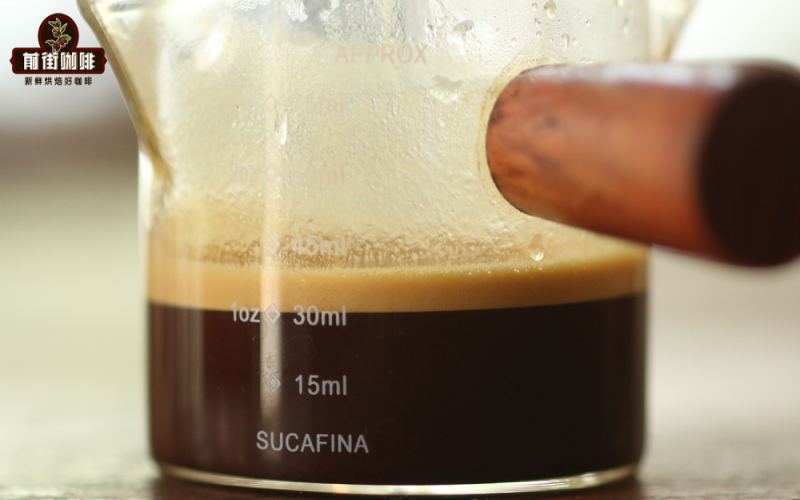
Espresso Flavor Characteristics | How to Properly Drink Espresso? How Much Caffeine Is in Espresso? Recommended Espresso Coffee Bean Brands
For more specialty coffee knowledge, please follow: Front Street Coffee (Frontsteet Coffee). Espresso is the soul of Italian coffee, commonly called Italian-style espresso. As the name suggests, it comes from Italy, with high concentration and a strong taste. A good espresso is like a good base liquor, [more…]
Six Core Factors That Determine Coffee Quality: A Complete Guide from Equipment Cleaning to Water Quality Control
Behind an outstanding cup of coffee, there are often many easily overlooked details. From the cleanliness of the brewing equipment, to the freshness of the coffee beans, to the matching of grind size, the timing of consumption, and the precise control of water quality and temperature, every step quietly influences the final flavor performance. Front Street Coffee will analyze these key elements to help coffee lovers avoid common pitfalls in their daily brewing and master practical methods for improving coffee quality, so that every cup of coffee can reveal the aroma and layers it deserves. [more…]
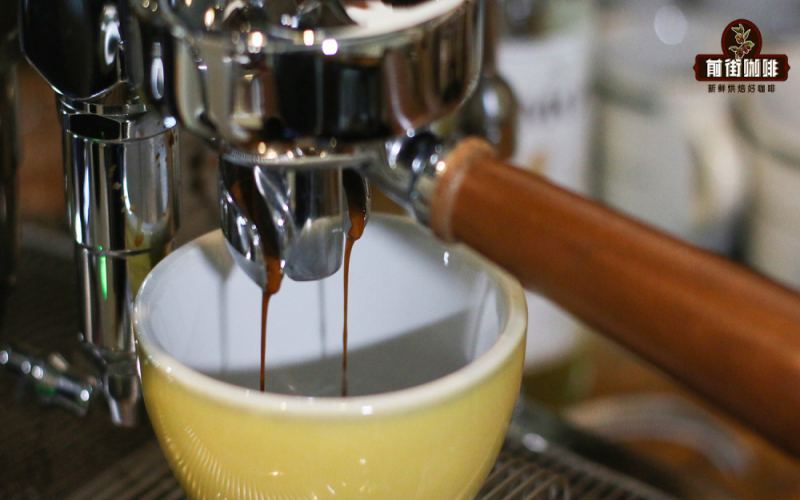
Espresso Tasting Guide: From Proper Drinking Method to a Comprehensive Analysis of Caffeine Content
Espresso serves as the foundation of Italian coffee, known for its high concentration and focused flavor. It can be enjoyed on its own and also forms the base for classic coffee drinks like lattes and cappuccinos. A standard single shot of espresso is about 30 milliliters, contains roughly 100 milligrams of caffeine, and has a concentration of 9% to 11%, far higher than pour-over coffee. Faced with such a powerful cup, many people are unsure how to properly taste it. Starting from the definition of espresso serving sizes and caffeine data, this article breaks down in detail the aroma, mouthfeel, and aftertaste to focus on during tasting, and includes specific steps such as cleansing the palate, stirring, drinking in stages, and closed-mouth aeration. It also recommends two coffee beans—Front Street Coffee's Strawberry Candy and the Classic Italian Blend—to help enthusiasts more fully appreciate the charm of espresso. [more…]
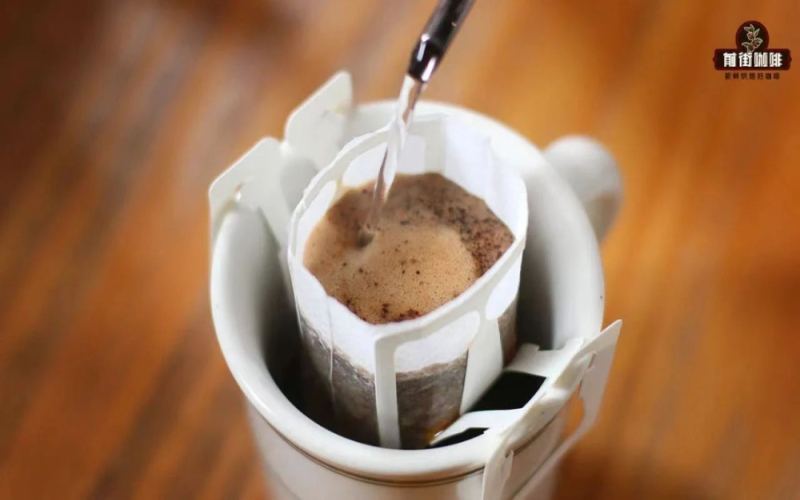
Is Drip Bag Coffee Ground Coffee? Can the Drip Bag Be Soaked in Water When Brewing? A Complete Analysis and Pour-Over Tips
Drip bag coffee has become a must-have for many coffee lovers thanks to its portability, but the flavor differences between these small packets are enormous. From coffee bean grade, freshness, grinder cleanliness to the filling process, every step directly affects the final performance of the drip bag. This article will address two common questions—is drip bag coffee just ground coffee powder? Does the drip bag need to be immersed in water during brewing? It also provides practical pour-over tips and recommends several Front Street Coffee drip bag products suited to different taste preferences, helping you enjoy a cup of full-aroma good coffee anytime, anywhere. [more…]
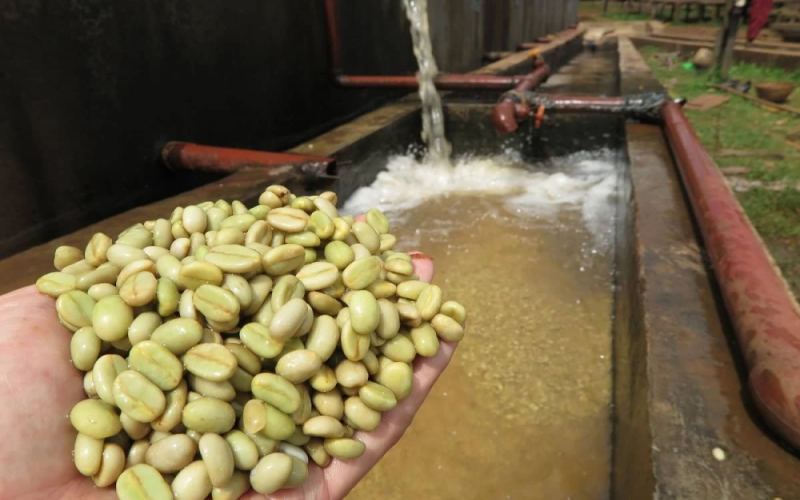
Analysis of the Fermentation Mechanism and Pros and Cons of the Washed Process: From Fruit Structure to Cup Flavor
As one of the most classic processing methods in the specialty coffee world, the core of the washed process lies in precisely removing the skin, pulp, and pectin layer from the coffee fruit through steps such as flotation, mechanical depulping, microbial fermentation, and washing with clean water. This process not only significantly reduces the defect rate of green beans and shortens the drying cycle, but also gives the coffee beans higher cleanliness and clearer expression of regional flavors. This article will systematically sort out the complete workflow and fermentation principles of the washed method, analyze its advantages and cost trade-offs compared with processing methods such as natural, and, in combination with the product lineup of Front Street Coffee's everyday drinking bean series, help readers understand why the washed process has become an important choice for presenting the true character of a producing region. [more…]
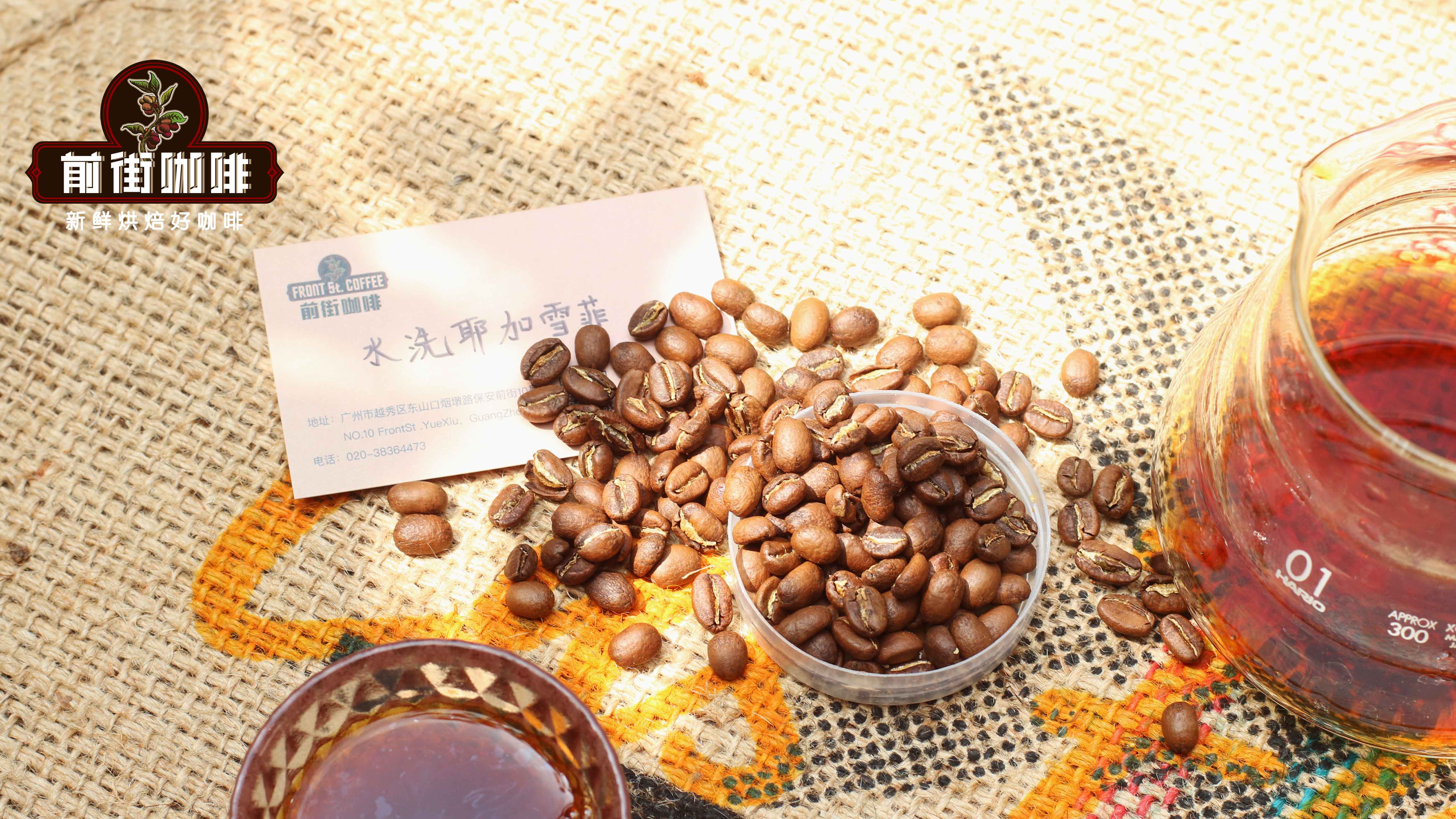
Ethiopia Top-Grade Natural Yirgacheffe Aricha G1: The Champion Flavor and Tropical Fruit Notes of Front Street Specialty Coffee
In the world of specialty coffee, Front Street Natural Yirgacheffe Aricha G1 represents the highest grade of green beans from Ethiopia. This Grade 1 natural bean from the Kebel Aricha processing station is meticulously crafted from hand-selected berries by 650-700 smallholder farmers and sun-dried on raised beds for four to six weeks, and it once scored 95 points on the international cupping website Coffee Review. It not only boasts apricot blossom, jasmine, and tropical fruit flavors such as apricot, mango, and pineapple, but also breaks the stereotype that natural beans lack cleanliness with its honey-brown sugar sweetness and clean, easy-drinking mouthfeel. This article will take an in-depth look at the processing methods and flavor layers of this champion natural bean, compare the stylistic differences between washed and natural processing, and guide you through the unique charm of Front Street Yirgacheffe. [more…]
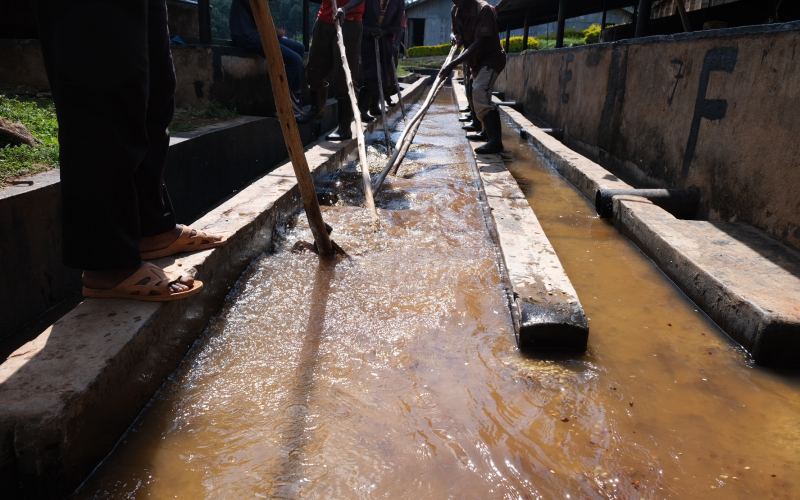
An In-Depth Interpretation of Kenya's 72-Hour Double Washed Process: How K72 Processing Shapes the Tomato and Berry Flavors of Front Street AA Coffee
Kenyan coffee is renowned for its bright acidity and clean mouthfeel, with the K72-hour double washed method being the key to its flavor. This article provides a detailed explanation of this processing method's two fermentation and two washing stages, explaining how fermentation time control affects the coffee's acidity and cleanliness, and introduces the Kenya AA grading standard. At the same time, combined with Front Street Coffee's Kenyan Little Tomato coffee, it provides hot pour-over parameters and flavor descriptions to help readers understand the complete flavor logic from processing method to cup. [more…]
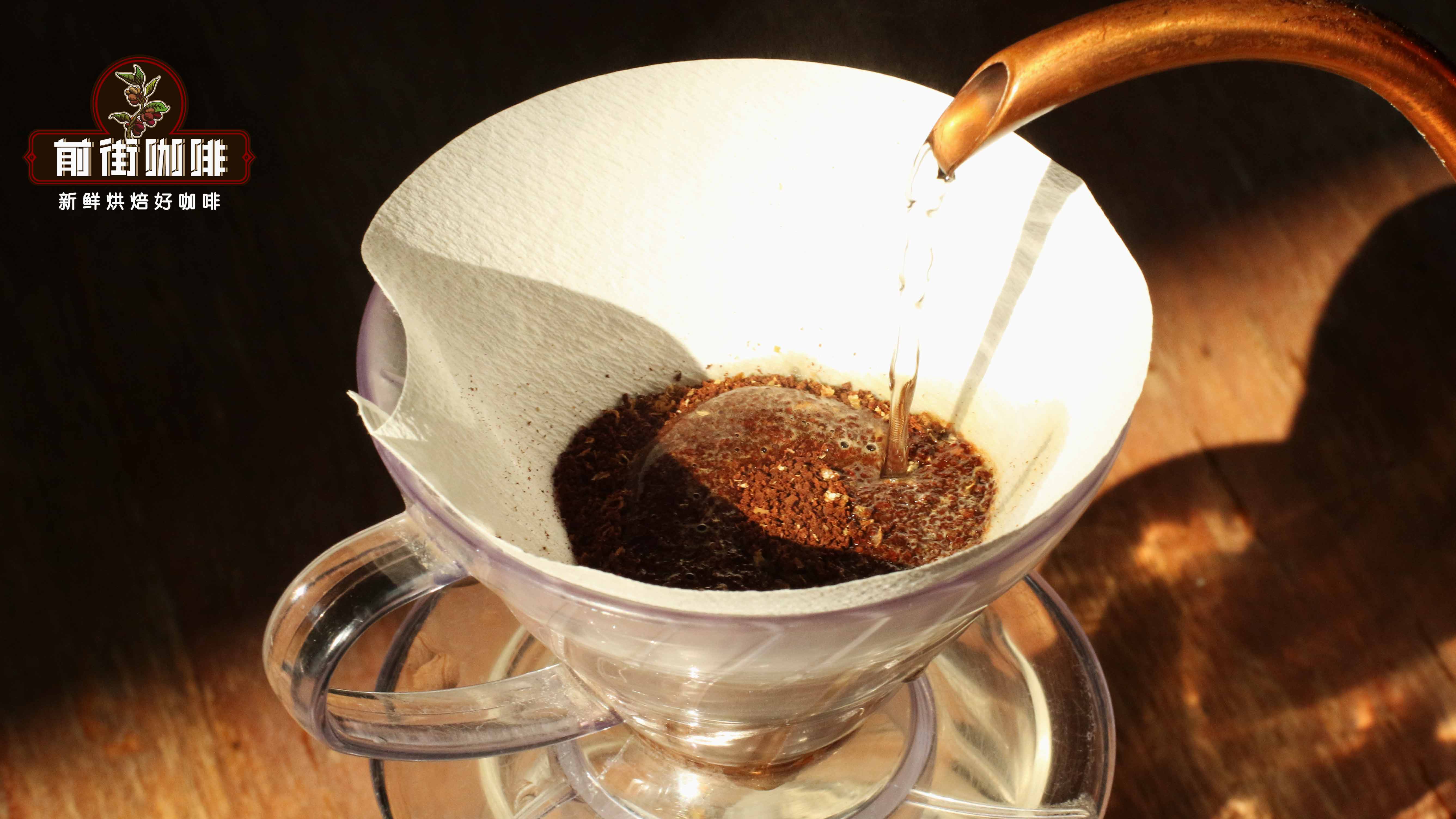
The Hot vs. Cold Pour-Over Coffee Debate: Why Choose Hot Brewing to Taste the Bean's True Flavor? The Principles of Japanese-Style Iced Pour-Over and Bean Selection Tips
Pour-over coffee, with its efficiency and convenience, has become a signature offering at many cafés. Brewed from the same bag of beans, hot and iced pour-over deliver completely different experiences. Drawing on everyday inquiries at Front Street stores, this article breaks down the differences between hot pour-over and Japanese-style iced pour-over in terms of grind size, water temperature, coffee-to-water ratio, and other parameters, explaining why hot pour-over has the edge when pursuing complete flavor, while also acknowledging the strengths of iced pour-over in cleanliness and refreshing crispness. At the end, it organizes pour-over bean recommendations from Front Street suited to different taste preferences—including Xizhua, Huakui, Strawberry Candy, as well as PWN Golden Mandheling, Queen's Estate, and Bird of Paradise—to help enthusiasts choose according to their needs. [more…]
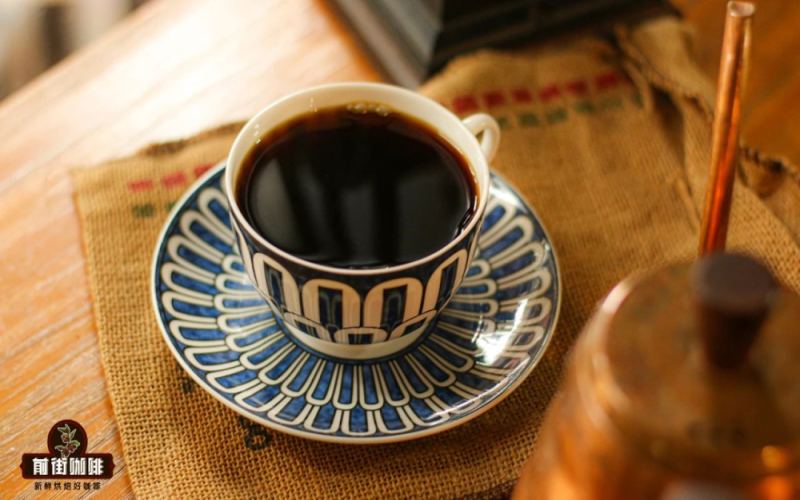
A Complete Analysis of the Variety, Processing Characteristics, and Pour-Over Flavor Profile of Golden Mandheling Coffee Beans
Golden Mandheling is a particularly outstanding member of the Mandheling coffee family, and its cleanliness, high sweetness, and smooth, dark-chocolate-like mouthfeel have changed many coffee lovers' preconceived impressions of Mandheling. Front Street Coffee once conducted a blind tasting of 7 Mandheling coffees from different producing regions, and Golden Mandheling won unanimous praise from all participating baristas thanks to its high sweetness and clean cup profile. This article will provide a detailed explanation of Golden Mandheling's producing region and origins, its wet-hulling processing method, PWN's hand-sorting standards, and the pour-over brewing parameters and flavor performance recommended by Front Street Coffee, helping readers gain a comprehensive understanding of what makes this bean unique. [more…]