







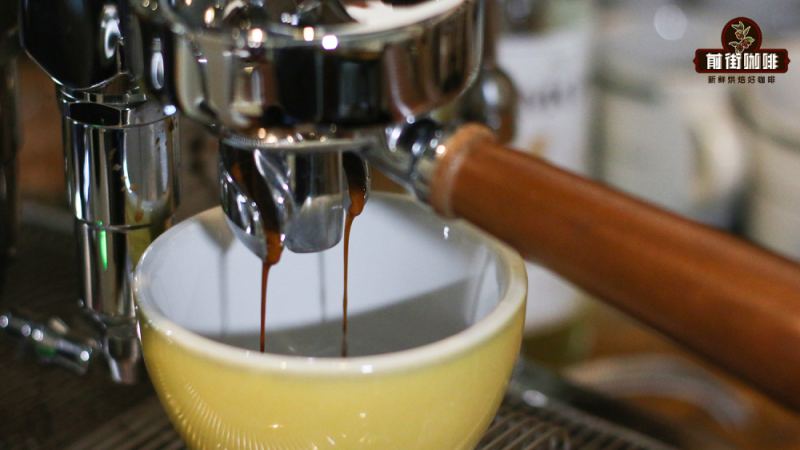
Espresso serves as the foundation of Italian coffee, known for its high concentration and intense flavor. It can be enjoyed on its own and also forms the base for classic coffee drinks like lattes and cappuccinos. A standard single shot of espresso is about 30 milliliters, contains roughly 100 milligrams of caffeine, and has a concentration of 9% to 11%, far higher than pour-over coffee. Faced with such a powerful cup, many people are unsure how to properly taste it. This article starts with the definition of espresso serving sizes and caffeine data, then breaks down the aroma, mouthfeel, and aftertaste to focus on during tasting, and includes specific steps like cleansing the palate, stirring, drinking in stages, and closing the mouth to exhale. It also recommends two coffee beans: Front Street Coffee's Strawberry Candy and Classic Italian Blend, helping enthusiasts fully appreciate the charm of espresso.
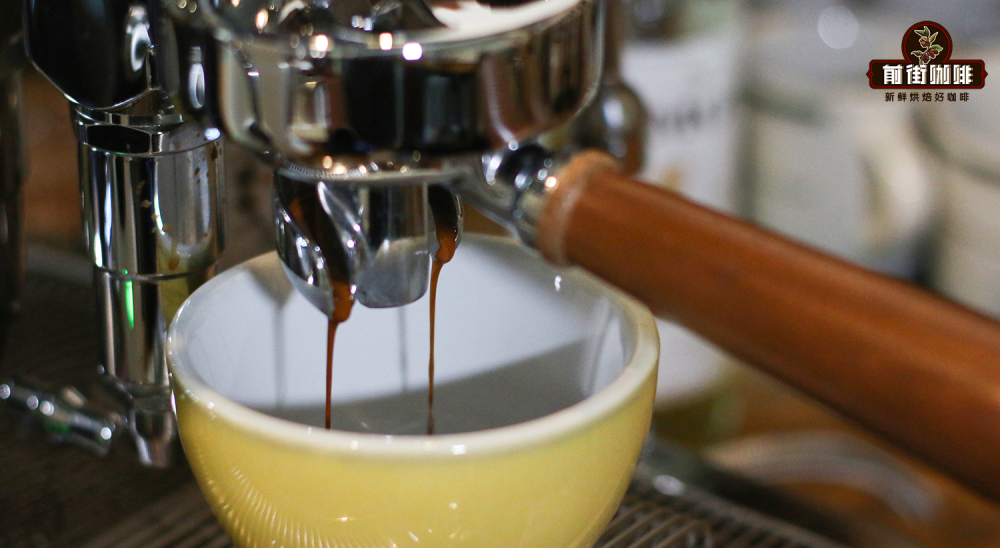
For more specialty coffee knowledge, please follow: Front Street Coffee (Frontsteet Coffee) Espresso is the soul of the Italian coffee system, often called Italian concentrated coffee in Chinese, originating from Italy and famous for its high concentration and intense flavor. An excellent espresso is like a premium base liquor in mixology, capable of extending into various coffee drinks, such as the popular cappuccino and the most common latte, both made with espresso as the base. However, in Italy itself, many consumers are accustomed to drinking espresso directly. Today, Front Street will explain the correct way to drink Italian espresso. Single espresso Typically, a single shot of espresso uses about 1 ounce (30ml) of coffee grounds. When ordering in a coffee shop, people usually don't say espresso directly but use "shot" as the unit, where one shot represents one serving of espresso. If you find 30ml too little, you can order a double shot, which is about 2 ounces.
Espresso has a very high concentration, with data measured by Front Street using a refractometer showing about 9% to 11%, while pour-over coffee typically has only around 1.3%. Therefore, most people find espresso very bitter when drinking it and don't understand its appeal. In Italy, many people choose espresso mainly because it provides caffeine in an inexpensive way. But after espresso spread outside Italy, people began to focus more on its flavor and mouthfeel. Many friends wonder how much caffeine is in such a cup of espresso. Taking Front Street Coffee's regular preparation as an example, using 20g of Front Street Classic Italian Blend coffee grounds to extract about 40g of coffee liquid, the caffeine content is approximately 100mg.
What are you drinking in Italian espresso? Espresso is not like pour-over coffee, where you can distinguish layered changes at high, medium, and low temperatures, since a serving of espresso is only ten to twenty grams and is finished before the temperature drops. Secondly, espresso uses extremely fine coffee grounds, quickly extracted under high temperature and 9 bars of pressure, resulting in very high concentration, strong taste, and stimulation of the palate. Therefore, those who drink espresso focus more on the aroma, mouthfeel, and aftertaste of the cup.
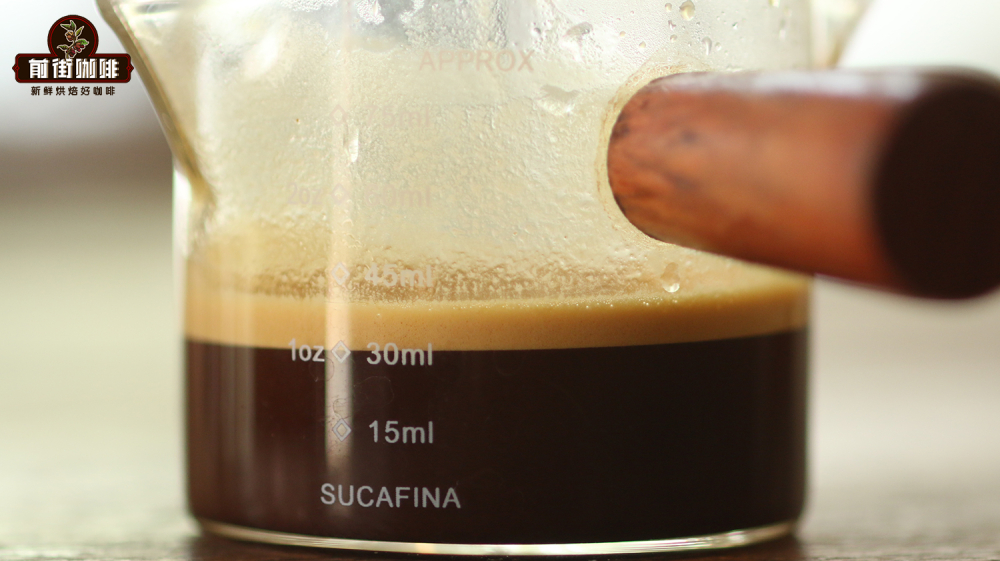
Cleanliness and balance are key to a cup of coffee. Cleanliness means the coffee has no off-flavors, astringency, or other unpleasant tastes. Balance means the various flavors in the coffee harmonize and are in a coordinated state, giving a smooth and pleasant feeling without abruptness. Where does the mouthfeel come from? From the crema layer on the surface of the espresso. Espresso is extracted under high pressure, and the carbon dioxide in the coffee grounds becomes supersaturated due to excessive pressure, unable to release, and dissolves into the coffee liquid. After extraction, when atmospheric pressure returns to normal, this carbon dioxide remaining in the coffee liquid prepares to return to the air but encounters the oils in the coffee liquid, gets enveloped by the oils, flows into the cup, and gradually returns to the air.
What is aftertaste? After coffee enters the mouth, catalyzed by saliva, the aromatic volatile molecules hidden in the coffee oils are released, passing through the oral cavity into the nasopharyngeal passage and then into the nasal cavity, providing an olfactory experience. Many people mistakenly think that coffee flavors are tasted by the taste buds, but actually taste buds can only distinguish sweet, sour, bitter, salty, and umami. The aroma sensed through smell combined with the taste sensed by the taste buds is what allows us to associate specific foods, flowers, etc. Italian espresso coffee bean recommendations If you usually enjoy floral and fruity coffee, we recommend Front Street Strawberry Candy espresso coffee beans, available for direct order on Taobao or Tmall stores. This is a blend known for its honey processing, combining Front Street Costa Rica Tarrazu and Ethiopia, the birthplace of coffee, two major origins, with Colombian coffee beans added. This blend of espresso is not only non-irritating but also, under the coffee machine's extraction, has good crema and a smooth texture, along with a sweet and sour taste like strawberry gummies.
For those who prefer rich and aromatic coffee, we recommend Front Street Classic Italian Blend coffee. This is a recipe combining beans from Brazil, Indonesia, and Vietnam, using deep roasting to maximize the coffee's rich aroma and allowing everyone to easily extract abundant and smooth crema. It is suitable for making diluted Americano or milk-based lattes, and can be purchased on Front Street's Taobao store or Front Street Tmall flagship store.
How to drink Italian espresso? As Front Street just mentioned, although Italian espresso has a strong taste, it does not hinder the overall cleanliness, balance, aroma, and aftertaste of the coffee. So, how can you better appreciate these charming aspects of espresso?
1. Before tasting espresso, cleanse your mouth with water or ice water to remove any residual tastes in the oral cavity. 2. Typically, espresso is served with a spoon. Since the concentration of espresso varies as it drips into the cup, forming a state where the bottom is thick and the surface is thin, it needs to be stirred evenly for better tasting. Of course, you can also not stir to experience different mouthfeels and layers.

3. Then, drink the espresso in three to four sips, rubbing your tongue against the palate to feel the texture, using the sides of your tongue to sense the acidity, and combining various sensory perceptions to evaluate the overall state of the espresso.
4. After swallowing the coffee, close your mouth and exhale to feel the aroma and aftertaste of the espresso. Finally, take a sip of water to experience the sweet aftertaste on the taste buds.
The above content is compiled by CoffeeHunters, a coffee news website.


