







Search Results for: palate

The Mystery of Espresso Paired with Ice Water: A Complete Analysis from Palate Cleansing to Flavor Perception
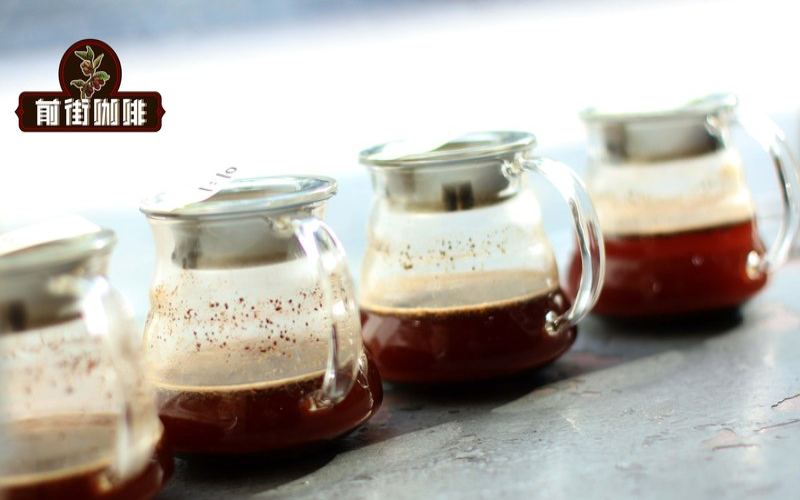
When you order an espresso at a coffee shop, it is often served with a small glass of ice water. This seemingly simple pairing actually embodies the scientific principles of coffee tasting. The ice water does not directly clean the palate; rather, it stimulates saliva production through the cold temperature, and the enzymes in the saliva help clear residual particles from the mouth, allowing us to perceive the coffee's flavors more accurately. This is especially true for the highly concentrated espresso, where lingering volatile compounds in the mouth can interfere with the taste buds and retronasal olfactory judgment. Drinking ice water beforehand can effectively enhance flavor perception. This article will provide an in-depth analysis of the mechanism by which ice water functions in coffee tasting, and how this small gesture can help you experience the aroma and layers of the coffee itself more fully. [Image 1] [more…]
Making Espresso More Palatable: How to Judge the Roast Level of Espresso Beans
The roast level of espresso beans directly affects the acidity, sweetness, bitterness, aroma, and body of the shot. When faced with labels like light roast, medium roast, and dark roast, first think about the cup of coffee you usually drink: do you want bright fruity acidity and clear aroma, or do you prefer a cocoa-like richness and smoothness? Then decide on the roast direction for the beans. Light [more…]
A Guide to Ten Entry-Level Specialty Coffee Beans: A Complete Analysis of Flavor Characteristics and Regional Representatives
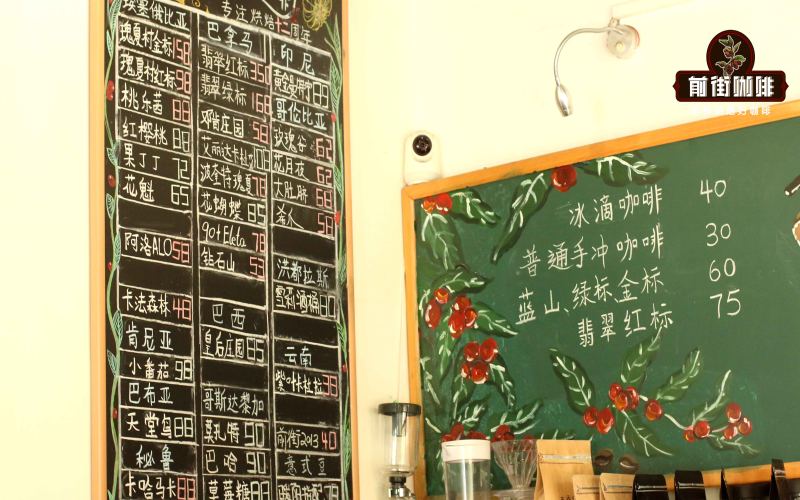
Faced with a bewildering variety of coffee beans, those new to specialty coffee often don't know where to start. Front Street Coffee's stores carry more than fifty beans, and the question I'm asked most often is what beans a beginner should choose. This article uses ten representative coffee-producing countries as a thread, sorting out the flavor characteristics and mouthfeel tendencies of each region's coffee beans one by one, covering dimensions such as acidity, sweetness, body, and aftertaste, and listing one representative Front Street product for each region along with its brewing performance. Whether you prefer bright citrus acidity, rich nutty-chocolate notes, or lush floral and winey aromas, you'll find the cup that suits your taste below. The following are listed in no particular order. [more…]
Ethiopia Yirgacheffe Gedio Region Natural Coffee Flavor Analysis and the Berry Orchard Story
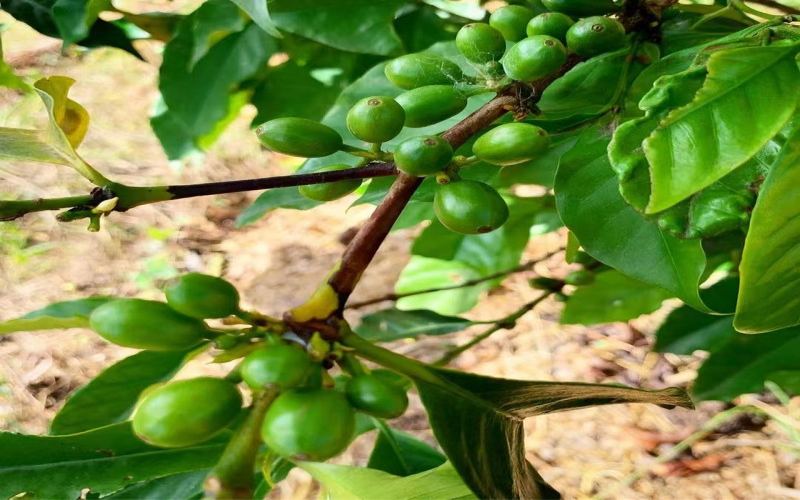
Yirgacheffe is one of Ethiopia's most iconic specialty coffee regions, and the natural-process lots from the Gedeo Zone are especially renowned for their clean, bright fruit character. The coffee featured in this article, Ethiopia Yirgacheffe Natural Boyefi G1, comes from the Gedeo Zone in the SNNPR Region. It is dried using the traditional, meticulous natural method at an altitude of roughly 1,850 to 2,300 meters, and the variety is Ethiopia's ancient heirloom landraces. The word Boyefi comes from the local language: Fere means berry, and Bota/Yefirafire means garden or orchard—together they mean berry orchard. This coffee has slightly larger beans and slightly lower density and moisture content. When brewed, you can taste blueberry, strawberry, and other berry flavors bursting in the mouth, accompanied by the aroma of tropical fruits such as passion fruit and mango. In the mid-palate, apricot, white peach, and grape juice flavors emerge, while floral and peach notes run through the entire palate. Front Street Coffee recommends this bean to coffee lovers who enjoy natural Yirgacheffe—its solid, full, and juicy flavor performance is not to be missed. [more…]
Must-read for beginners: How to choose pour-over single-origin coffee? Flavor characteristics of the three major regions and recommended representative beans
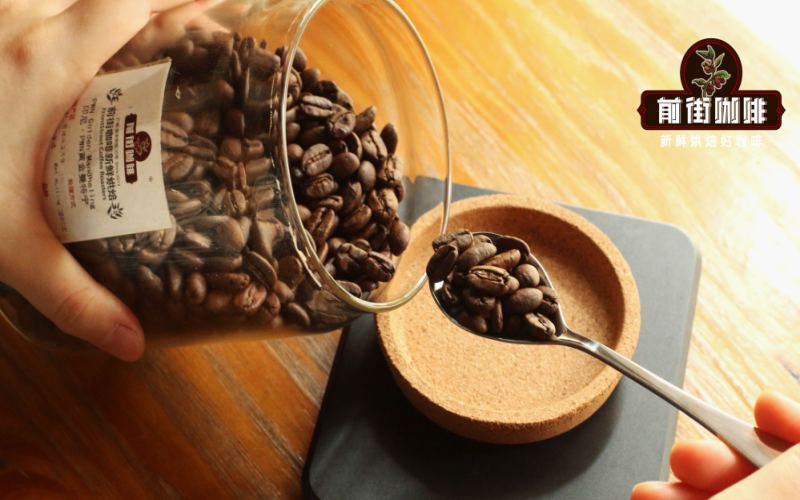
Want to get into single-origin pour-over coffee but don't know where to start? Starting from the definition and characteristics of single-origin coffee, this article systematically breaks down the flavor differences among the three major producing regions—Asia, Africa, and Latin America—and introduces the representative coffee beans worth trying from each region, including Front Street Coffee's Cerrado, Front Street Coffee's Huilan, Front Street Coffee's Flower Queen, Front Street Coffee's Little Tomato, Front Street Coffee's Red Bourbon, Front Street Coffee's Mandheling, and Front Street Coffee's Yunnan small-batch beans. Whether you're a beginner just getting into specialty coffee or a seasoned drinker looking to compare flavors across regions, you'll find the perfect cup for you. [more…]

A Complete Analysis of African Coffee Origins, Flavors, and Processing Methods: Bean Characteristics of Ethiopia, Kenya, and Other Countries
As the continent of coffee's origin, Africa produces beans renowned worldwide for their bold aromas and lively fruit acidity. Due to arid climates, the natural process has become a traditional choice in many producing regions; while the bean shape may not be perfect, it gives rise to richly layered flavors. From Ethiopia's Yirgacheffe to Kenya's SL28, from Burundi's double washing to Rwanda's Bourbon, each producing region has a unique terroir expression. This article systematically reviews the cultivation patterns, processing techniques, and flavor characteristics of Africa's major coffee-producing countries, and introduces several representative African single-origin coffees from Front Street Coffee, guiding you to a deeper understanding of this continent's coffee charm. [more…]
Aromatic Moka Pot Coffee Beans: Choose by Roast Level Like This
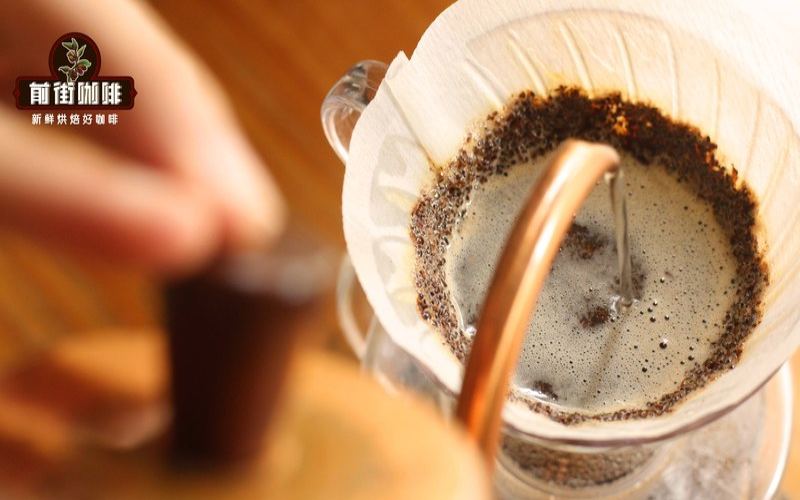
Coffee brewed with a moka pot has concentrated aroma and a full body, making it especially suitable for those who enjoy nutty, cocoa, caramel, and roasted notes. The roast level of the beans determines whether this richness leans closer to floral and fruity notes, caramel sweetness, or the heavy depth of dark chocolate. If you want to brew coffee at home that has a commanding aroma yet doesn't taste rough on the palate, [more…]

Single-Origin Coffee Bean Flavor Window | Why Must Pour-Over Coffee Be Ground and Brewed Fresh? How Does Coffee Bean Flavor Change Past Its Peak?
Many people assume that freshly ground coffee means fresh coffee, but that's not actually the case. In fact, to truly enjoy the aroma of coffee, it's not just about grinding fresh—there are also specific requirements regarding the roasting time of the coffee beans. Front Street Coffee, whether in-store or through its online Taobao shop, offers only freshly roasted coffee beans, unless a customer specifically requests grinding. [more…]
Espresso Tasting Guide: From Crema Observation to Palate Experience and Blend Selection
Espresso is renowned as the "soul of coffee." It is both the ultimate expression of concentrated flavor and the litmus test for coffee bean quality and a barista's skill. Many people are put off by its intense taste when they first encounter espresso, but once they get used to it, they often find themselves drawn in by its unique charm. This article, from the perspective of Front Street Coffee, will systematically introduce the espresso tasting process: from observing the state of the golden Crema, to smelling the aroma, observing the color, and tasting it on the palate, extending to different ways of drinking it with water or milk. At the same time, the article will analyze the recipe concepts behind Front Street Coffee's two espresso beans—the specialty blend and the commercial blend—covering the characteristics of the Colombia Huila and Brazil Cerrado producing regions, as well as the role of Robusta beans in crema and flavor, helping readers gain a more comprehensive understanding of what makes a good espresso. [more…]
Freshly Ground Not Enough? A Complete Analysis of Pour-Over Coffee Freshness, from Roast Date to Water Temperature Adjustment
Many people attribute the deliciousness of pour-over coffee to whether it is freshly ground, but what truly determines the flavor in the cup goes far beyond the grinding step. The timeline that coffee beans go through after roasting, whether the resting period is adequate, and how brewing water temperature and parameters are adjusted according to the beans' condition all directly affect the final taste. Front Street Coffee, using Panama Janson Estate Geisha as an example, conducted comparative brews with beans just past their resting period and beans stored for two months, testing step by step from 92°C down to 88°C, then adjusting the bloom time and grind size for aged beans, using experimental data to show: fresh roasting is the prerequisite for flavor, but knowing how to adjust parameters according to the beans can likewise find a satisfying floral and fruity profile in a cup of coffee. [more…]
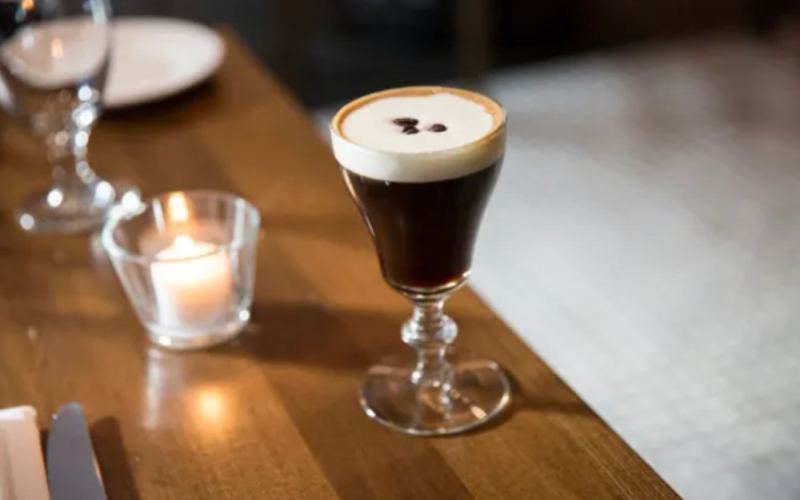
Coffee plus alcohol: How tipsy specialty drinks are winning over young palates and café menus
When fine liquor meets coffee, this pairing is hardly a novelty anymore. From the classic Irish coffee to the espresso martini, the combination of coffee and alcohol keeps evolving. Today, as the younger generation seeks the pleasure of a gentle buzz, liquor-infused coffee has quietly become a signature offering in cafés. This article walks you through the history of liquor-infused coffee, the challenges of making it, techniques for balancing flavors, and why it draws so many customers even during the daytime. At the same time, we'll also mention Front Street Coffee's commitment to specialty beans, providing a more professional coffee foundation for your tipsy experience. [more…]
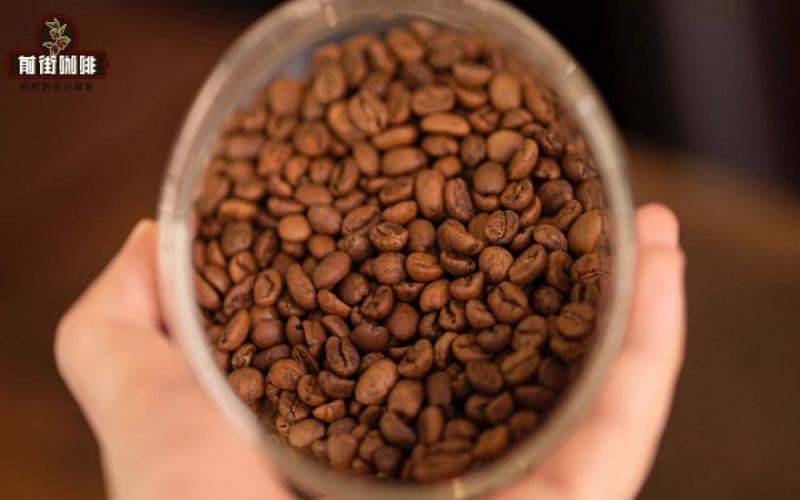
Freshly Ground Isn't the Same as Fresh: How Pour-Over Coffee Flavor Changes Over Time, from Roast Date to Brewing Parameters
Many people equate freshly ground coffee with fresh coffee, but what really determines whether a pour-over tastes good isn't just when you grind the beans—it's also the roast date. Starting from Front Street Coffee's roasting philosophy and drawing on a controlled experiment with a Panama Janson Geisha, this article breaks down the differences in brewing performance between coffee beans just past their resting period and beans that have sat for two months. You'll see: why Front Street only roasts the amount needed and keeps no inventory; why three to four days of resting is the starting point for stable flavor; and, when faced with beans that have been stored a long time, how to adjust water temperature, blooming time, and grind size to restore, as much as possible, a clean citrus and berry profile. [more…]

The barista's ingeniously creative coffee cuisine: from pour-over to espresso, cross-boundary pairings that refresh your palate
When coffee is no longer confined to being a beverage in a cup, but instead becomes a culinary ingredient, what kind of sparks will fly? In recent years, coffee culture has taken root in people's hearts, and baristas have let their imaginations run wild, incorporating coffee elements such as pour-over and espresso into everyday food, creating astonishing coffee dishes. From meticulous pour-over instant noodles to rich coffee tangyuan, and various rice pairings, these cross-boundary combinations not only refresh people's understanding of coffee but also showcase its infinite possibilities. This article will take you into the world of baristas' never-give-up creative cuisine, and see how these wildly imaginative pairings challenge your taste buds and imagination. [more…]
How to Adjust AeroPress Brewing for Dark Roast Beans? A Practical Analysis of Grind Size and Coffee-to-Water Ratio
The AeroPress excels at immersion extraction, and the resulting brew is usually balanced and easy to drink. But when the coffee beans are switched to a medium-dark roast and the goal is to highlight a rich, full-bodied taste, the original parameters often fall short. In this article, Front Street Jamaica Blue Mountain is used as the experimental bean, with water temperature fixed at 85°C, inverted extraction, and total time controlled within two minutes, changing only the grind size (BG 6M, BG 6A, BG 5R) and the coffee-to-water ratio (1:14, 1:13) for comparison. The results showed that: BG 6M had a noticeably brighter, crisper fruit acidity, BG 6A stood out with chocolate and nut notes but had slightly weaker sweetness, while BG 5R delivered the fullest cocoa and caramel sweetness. The final recommendation is to use a medium-fine grind, a 1:13 coffee-to-water ratio, and a short extraction time for dark-roasted beans, in order to achieve a rich and balanced cup performance. [more…]

Understanding Coffee Bean Roast Levels and Flavor Differences at a Glance
The roast level of coffee beans determines what appears first on the palate and also shapes the direction of aroma, acidity, sweetness, body, and finish. If you enjoy bright fruity notes, look to light roasts; if you want rounded sweetness and broader appeal, medium roasts are easier to match; if you prefer rich depth, explore medium-dark and dark roasts. According to this [more…]
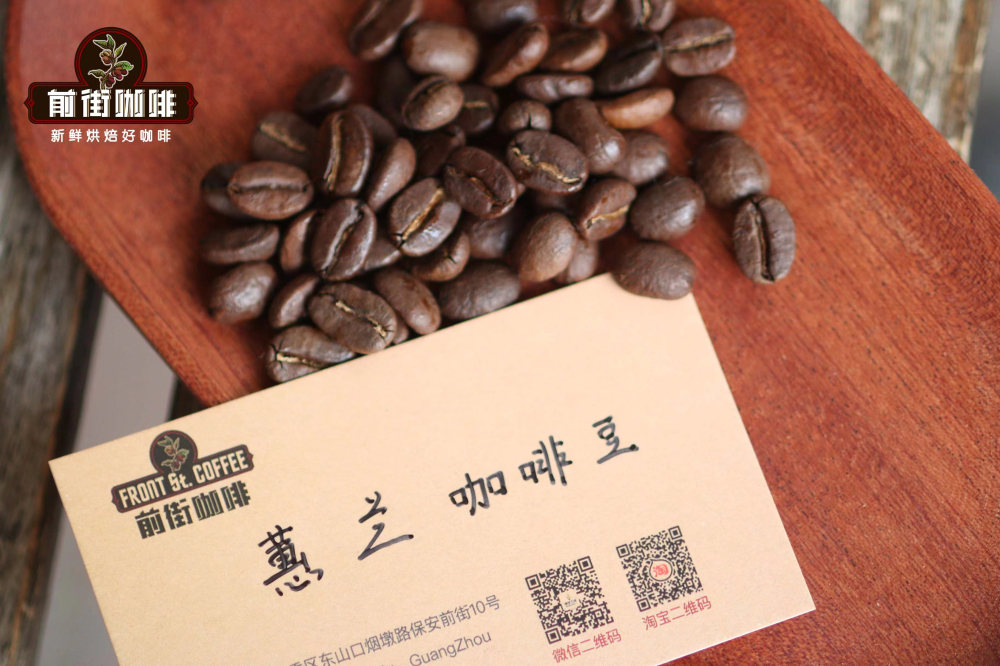
High-end coffee beans as gifts | Which specialty pour-over beans do experienced coffee enthusiasts repurchase? Recommendations for high-value pour-over coffee bean brands suitable for beginners
1. Front Street Huakui coffee bean origin: Sidamo Hambela Buku Abel processing station, altitude: 2250-2350m, variety: Heirloom, processing method: natural, brewing flavor: a rich passion fruit-like acidity on the palate, a slight fruity fermentation aroma, strawberry-like sweet and tart notes, [more…]

Espresso Specialty Coffee Beans Recommendation | Why Are Espresso Coffee Beans Mostly Dark Roasted? Introduction to Espresso Extraction Principles, Brewing Methods, and Coffee-to-Water Ratio
Generally speaking, the beans used for espresso are roasted to a medium or medium-dark level or darker, because espresso is not only used to make black coffee but also used to make lattes, flat whites, mochas, and other specialty coffee drinks. If the roast level is too light, not only will there be little crema, but the coffee's flavor can easily be [more…]
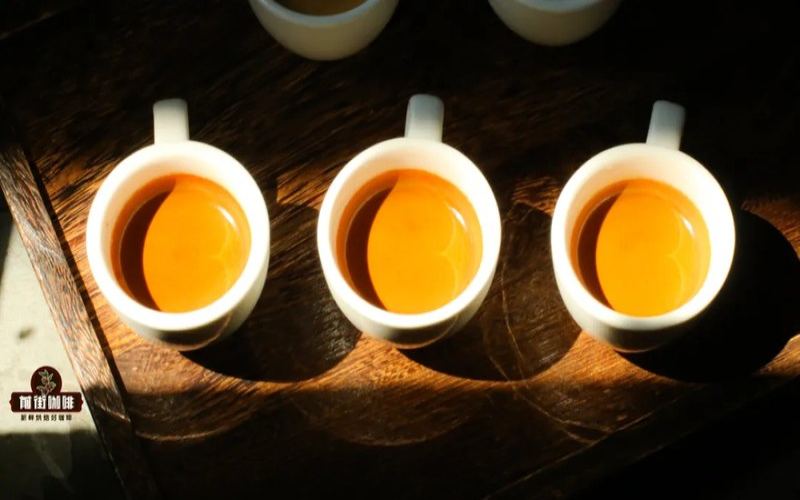
From Medium-Dark to Heavy Roast: How to Choose Beans for Pour-Over Dark Roast
Pour-over is not only for bright, light-roasted beans. Once the roast level reaches medium-dark or dark, coffee reveals cocoa, nut, caramel, and roasted aromas, with more weight on the palate and acidity that trends softer. As long as you choose according to the intensity you want, dark-roast pour-over can also deliver clear sweetness and a smooth texture. Pick [more…]
How to Choose a Non-Acidic Yirgacheffe: Judging Flavor by Roast Level
If you want a cup of Yirgacheffe with a soft, gentle acidity, the roast level is usually more worth checking first than the region name. Yirgacheffe often has citrus, floral, and tea-like notes; when lightly roasted, its acidity is brighter, and it also tastes refreshing as it cools. If you prefer a rounder coffee with pronounced sweetness, you can narrow your choices to medium or medium-dark roasts, and then based on your [more…]
Can coffee grounds be brewed a second time? Analyzing why coffee, unlike tea leaves, cannot be repeatedly re-steeped from the perspective of extraction yield and flavor balance
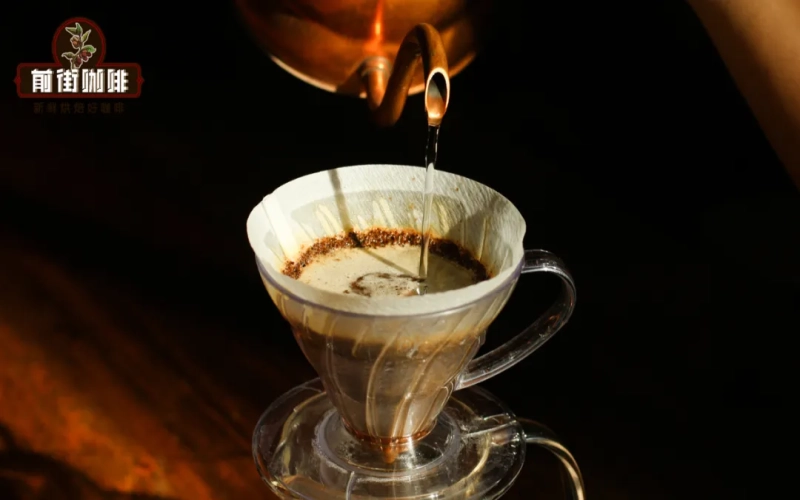
A friend once asked while buying beans at the Front Street store: can coffee grounds that have already been brewed once be used again for a second cup? Some bloggers online have also demonstrated that a second brew can still yield decent flavor. From a practical standpoint, of course coffee grounds can be brewed again—even a third or fourth time. But "can be brewed" and "tastes good" are two entirely different matters. This article starts from actual tests on Front Street's Sidra, and combines the proportion of soluble matter, extraction yield control, and the differences in dissolution rates of acidity, sweetness, and bitterness to explain why coffee is usually brewed only once, and the fundamental reasons why a second brew tastes thin and lacks layering, before offering a conclusion that better suits the general palate. [more…]