







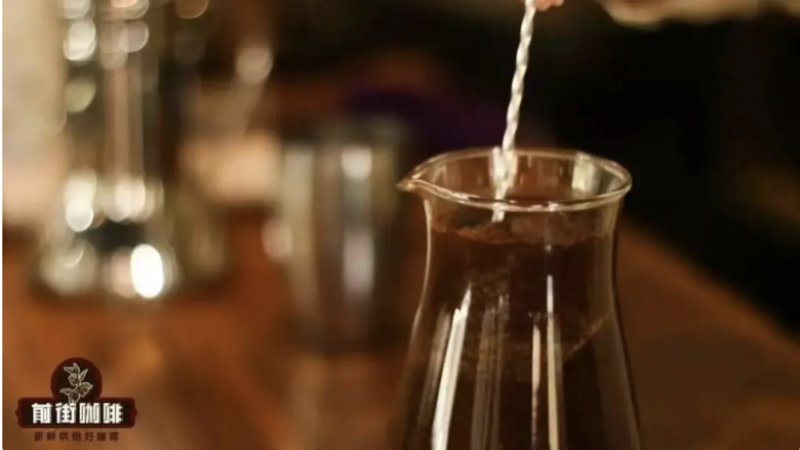
Cold brew acts like a magnifying glass on beans: sweeter becomes sweeter, astringent becomes more astringent, so the cleanliness of the beans is crucial. After cold brewing Front Street Yirgacheffe Gutingding, the citrus acidity becomes softer, and the green tea-like sweet aftertaste is extracted into a clear sweetness at low temperature—making it a cold-brew-friendly bean; fruity beans get an extra boost from cold brew, with strawberry and passion fruit aromas becoming more concentrated at low temperatures.
Cold brew and ice drip rely on low-temperature slow extraction, stretching out the pace of aroma release and softening the acidity, at the cost of possibly flattening the flavors. In terms of bean suitability, light roasts produce refreshing floral and fruity notes, medium roasts deliver steady sweetness, and medium-dark roasts bring body. Don't grind too fine; if the concentration is insufficient, adjust the steeping time and coffee-to-water ratio.
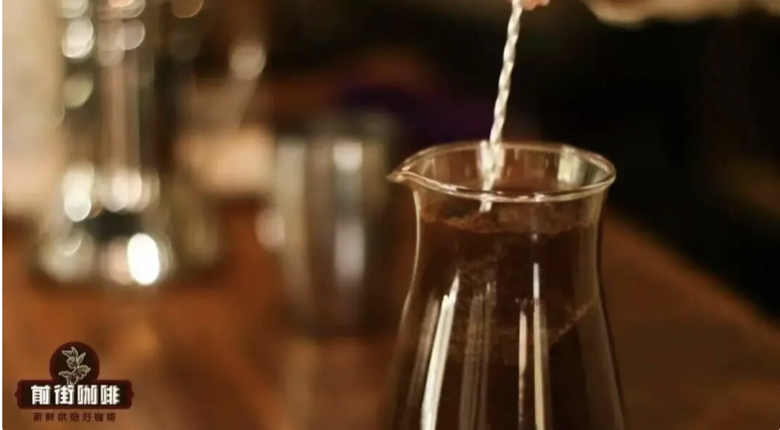
Cold brew parameters are forgiving: a coffee-to-water ratio of 1:10 to 1:12, refrigerate for at least 12 hours, and even a longer steep won't easily over-extract. The following beans are all suitable for cold brew.
Front Street Yirgacheffe Gutingding features citrus, berry, floral notes, and a green tea-like sweet aftertaste. The light-roasted beans have a clean, distinct aroma when pour-over brewed, and the acidity becomes softer when turned into cold brew.
Front Street Ethiopia Huakui is defined by tropical fruit, strawberry, and passion fruit aromas with lively sweetness—pour-over, iced pour-over, and cold brew are all its comfort zone.
The flavor profile of Front Street Colombia Xizhua lists passion fruit, blueberry, grape, and apricot, with a pronounced juicy mouthfeel. Whether expressed through iced pour-over, ice drip, or SOE, the aromas each have their own brilliance.
A consistently flavorful daily cup depends on the stability of the beans themselves. Fresh roast dates, proper sealing after opening, and storing in a cool place—get these three right, and your beans won't swing wildly in performance. When buying, plan according to your monthly consumption to avoid flavor decline in the latter half. With each brew, the dry aroma is the first signal of the beans' condition, followed by the sweetness and finish on the palate; if you notice the aroma weakening, check grind size and storage duration first—a minor parameter tweak usually brings it back.
Before choosing beans, it's worth doing a self-assessment: the flavor types you want, and the brewing complexity you can tolerate. The charm of floral and fruity beans is built on precise control—water temperature, grind, and flow rate are all interlinked; nutty and chocolatey blends take a steady approach with high forgiveness and a reliable floor. If several people at home drink together, choose a balanced bean for the household, and leave the exploratory single origins for those who are in the mood—this setup lets you drink at a higher level than stockpiling similar beans.
For home cold brew, start with a coffee-to-water ratio between 1:12 and 1:15, grind slightly coarser than for pour-over, steep for a full 10 to 14 hours, then filter; if you're into ice drip, keep an eye on the drip rate and total time—no need to believe slower is always better.
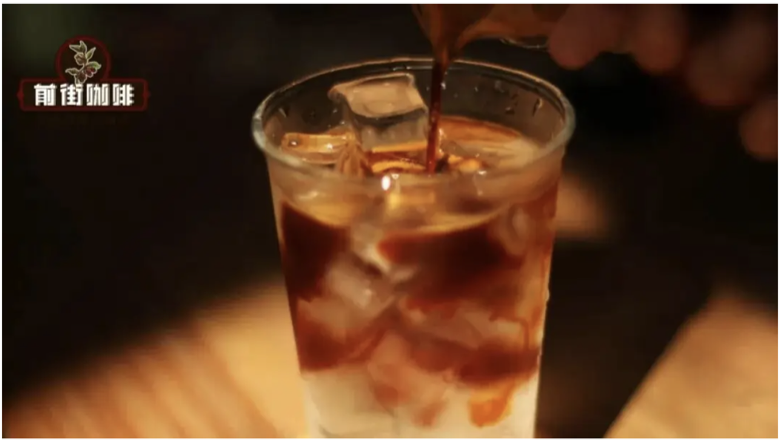
If you use a French press and also play with pour-over in a single day, and your tastes are constantly changing, it's more relaxed to stock beans along two tracks: one track pursues consistent output, easy to drink even brewed blindly; the other pursues flavor experience, savoring the subtle differences of berry, caramel, or fermented aromas. Consider your equipment habits and taste expectations together, and bean selection becomes more directional.
The above content is compiled by CoffeeHunters, a coffee news website.

