







How to Choose Yirgacheffe Beans for Hand Brew
For hand-brewed coffee with a fresh, clean flavor, start with light or medium-light roast beans from African origins, where Yirgacheffe serves as a reliable starting point. Light roasts preserve more organic acids and delicate aromas, which often read as lemon, white florals, and berries. Washed processing keeps fermentation more controllable and generally produces a cleaner profile. Roast level, processing method, and coffee bean origin work together to shape the final cup.
When narrowing the options, compare lots such as Yirgacheffe Gedeb and a washed Geisha from Stroll Estate, both of which suit pour-over and cold brew. Balance coffee bean origin, processing method, and roast depth, then adjust your brew recipe to keep the cup bright and clean. Comparing these dimensions gradually narrows the choice toward beans that match a preference for cleanliness, whether shopping online or asking a roaster for suggestions.
To enjoy a cup of pour-over coffee with a fresh flavor and clean taste, there are actually clues to follow when choosing beans. The degree of roast, processing method, and regional terroir are the three key factors that determine the direction of coffee flavor. Light roasting preserves more organic acids and delicate aromas, while washed processing makes the fermentation degree of coffee beans more controllable, and the regions of Africa and Central and South America are especially concentrated sources of fresh-flavored beans. Based on Front Street's bean-selection experience, this article sorts out a set of practical ideas for choosing coffee beans with high cleanliness and fresh flavor, and recommends specific beans that meet the criteria, such as Front Street Yirgacheffe·Gedeb and Front Street Stroll Estate·Washed Geisha, suitable for pour-over and cold brew.
But then again, choosing a coffee bean online that suits your taste is not as difficult as imagined. Besides directly asking customer service for recommendations, we can also start from the dimensions of coffee bean origin, processing method, and roast depth to gradually narrow down our "ideal type" (yes, we mean coffee beans). These factors are exactly what shape coffee flavor. Recently, many friends have been asking Front Street whether there are beans with high cleanliness and a refreshing flavor to recommend, so today Front Street will talk about these dimensions and how to choose a coffee bean with high cleanliness and a fresh flavor.
I. Start with the Degree of Roast
First, let's talk about the degree of roast. If you are after a fresher flavor profile, then medium-light roast or light roast beans should be given priority. The reason is not complicated: the darker the roast, the heavier the direction of the coffee's aroma.

What we usually call a fresh flavor is actually a refreshing, clean experience formed by a combination of specific acidity, aroma, and mouthfeel, such as lemon, white florals, and berries. The aroma is light rather than dull, and the first sip lifts your spirits. This kind of flavor basically only appears in lighter-roasted coffee, because the lighter the roast, the more natural organic acids that create freshness are retained in the coffee beans. Conversely, dark-roasted beans have undergone a longer Maillard reaction and caramelization reaction. Once these reactions proceed fully, the original organic acids and fresh aromas are largely consumed and replaced by roasted notes such as caramel, chocolate, and nuts. The taste also shifts from acidic to mainly bitter, and both the mouthfeel and flavor tend to be heavier.
Therefore, if you want to choose coffee beans with a fresh flavor, the first criterion is that the roast level cannot be too dark. Aim for medium-light roast or light roast.
II. Start with the Processing Method
Next, look at the processing method. If you want to drink a cup of coffee with high cleanliness, then washed beans can be prioritized in your selection.
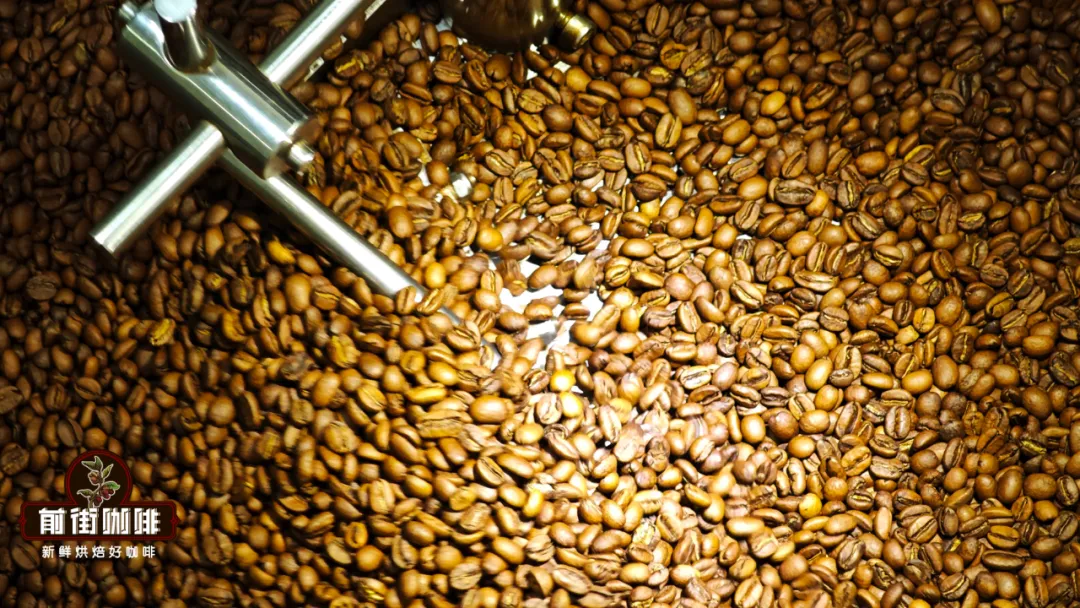
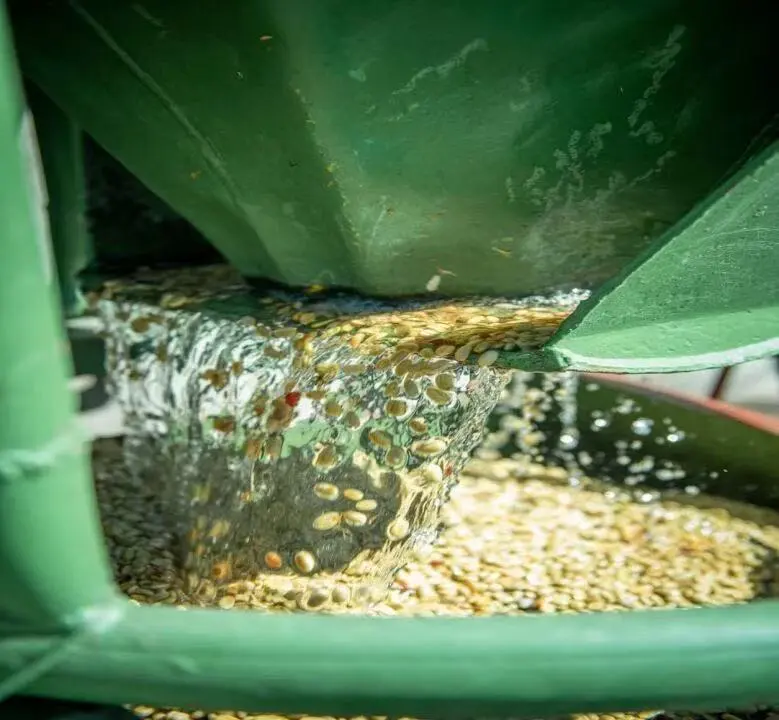
Compared with other processing methods, the biggest advantage of washed processing is that it does not let the coffee beans undergo excessive fermentation during processing. The specific washed process is as follows: first, defective beans and bad fruit are removed by flotation, then the skin and pulp surrounding the coffee beans are removed with a depulper, then the beans still carrying mucilage are soaked in water in order to remove the mucilage, and finally the mucilage-free beans are dried in the sun until they reach the specified degree of dryness, at which point the whole process is complete. Because before drying, the parts that are relatively high in sugar and moisture—such as the skin, mucilage, and pulp—have already been removed, the substances available for fermentation are quite limited, and the drying time required is very short, about a week. Compared with other processing methods, washed processing will not let the beans ferment for too long or too deeply, so the resulting coffee beans can better retain their original flavor and will not seem overly complex.
Of course, Front Street is not saying that it must be washed. Some honey-processed and natural-processed beans also include types with a shallow degree of fermentation and a fresh, clean aroma, such as Front Street Ethiopia·Huakui, Front Street Ethiopia·Hamasho, and Front Street Granja Geisha in Front Street's Taobao Tmall flagship store. But relatively speaking, it is easier to select high-cleanliness, fresh-flavored beans from washed coffees.
III. Start with the Producing Region
The last thing to mention is the producing region. The same variety will present a completely different flavor profile under different terroir conditions. Therefore, in addition to roast degree and processing method, producing region is also information that must be focused on when choosing beans. The choice of producing regions is actually quite broad, and Africa and Central and South America are both very good options.
The reason is not hard to understand: the terroir conditions of these regions are very suitable for the growth needs of coffee trees, and the coffee beans they produce have long been famous worldwide for rich floral aromas and bright fruit notes.
Combining the above points, the conclusion is very clear: if you want to choose a coffee bean with high cleanliness and a fresh flavor, you can aim for the combination of African or Central and South American producing regions, medium-light roast, and washed processing. And beans that meet these conditions are quite abundant in the Front Street Coffee flagship store! For example—Front Street Yirgacheffe·Gedeb.
Yirgacheffe is one of the three major producing regions in Ethiopia, and this region is famous worldwide precisely for its clean and fresh washed beans. Gedeb is an excellent representative selected by Front Street from the washed beans of this region. The brewed coffee has a distinct yet refreshing flavor, with elegant jasmine, bright lemon, and clean green tea notes. The mouthfeel is light yet solid, and the finish is long and lasting. Its performance is quite good, and it is very suitable for pour-over or cold brew. Another bean worth recommending is Front Street Stroll Estate·Washed Geisha, recently launched by Front Street. This Geisha comes from Colombia and uses washed processing and medium-light roasting. After brewing, it presents rich floral aromas, a rounded citrus sensation, and some aromas similar to pine and vetiver. It is fresh yet uniquely characterful, and is likewise very suitable for pour-over and cold brew.
That is all for this sharing from Front Street. It happens that a coffee bean promotion is currently underway, and both of the above-mentioned beans are included. Friends who are interested can go to Front Street's Taobao Tmall flagship store and take a look~
- END -
The above content is compiled by CoffeeHunters, a coffee news website.


