





How does the washed coffee process remove pectin from the fruit?
The washed coffee process removes the skin, pulp, and pectin layer from the coffee fruit using flotation, mechanical depulping, fermentation, washing, and drying. It lowers the defect rate of green coffee beans, shortens drying time, and gives the cup higher cleanliness with clearer regional flavor, which is why it remains a standard method in specialty coffee.
Ripe cherries sink during flotation and are kept, while underdeveloped fruit floats and is removed. A pulper then strips the skin and pulp, leaving a sticky pectin layer that microbes break down over roughly 18 to 36 hours of fermentation. Water use and labor make the method costly, but the payoff is a more consistent, transparent expression of origin.
As one of the most classic processing methods in the specialty coffee world, the core of the washed process lies in precisely removing the skin, pulp, and pectin layer from the coffee fruit through steps such as flotation, mechanical depulping, microbial fermentation, and washing with clean water. This process not only significantly reduces the defect rate of green beans and shortens the drying cycle, but also gives the coffee beans higher cleanliness and clearer regional flavor expression. This article will systematically outline the complete washed process and fermentation principles, analyze its advantages and cost trade-offs compared with processing methods such as natural, and, in combination with the product layout of the Front Street Coffee daily beans series, help readers understand why the washed process can become an important choice for presenting the true taste of a producing region.
From its name, one can see the close connection between the washed process and water, but to truly understand the essential differences between different processing methods, it is necessary to start with the structure of the coffee fruit. The traditional washed process usually covers flotation, mechanical removal of pulp, fermentation to break down pectin, washing or soaking, and finally the drying stage.
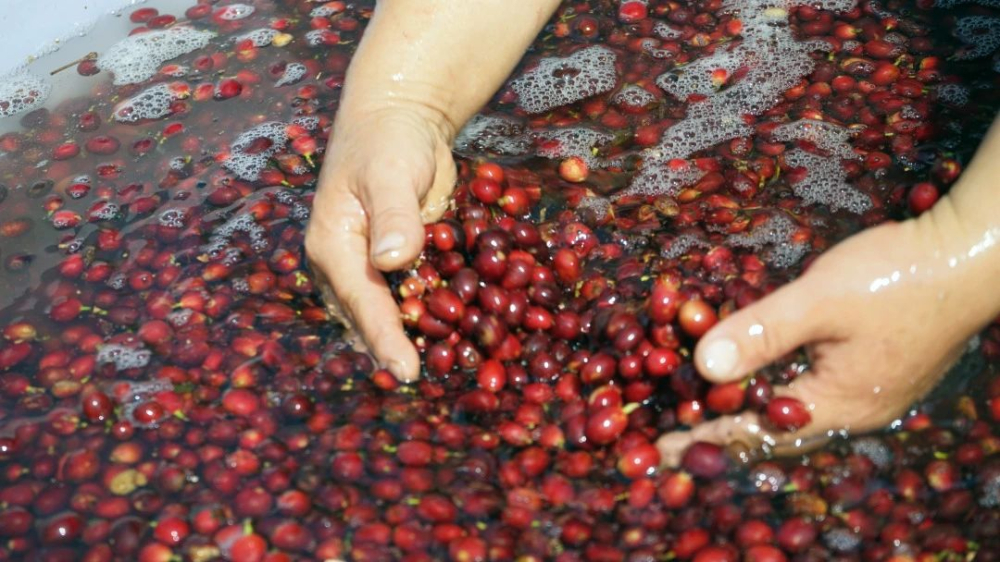
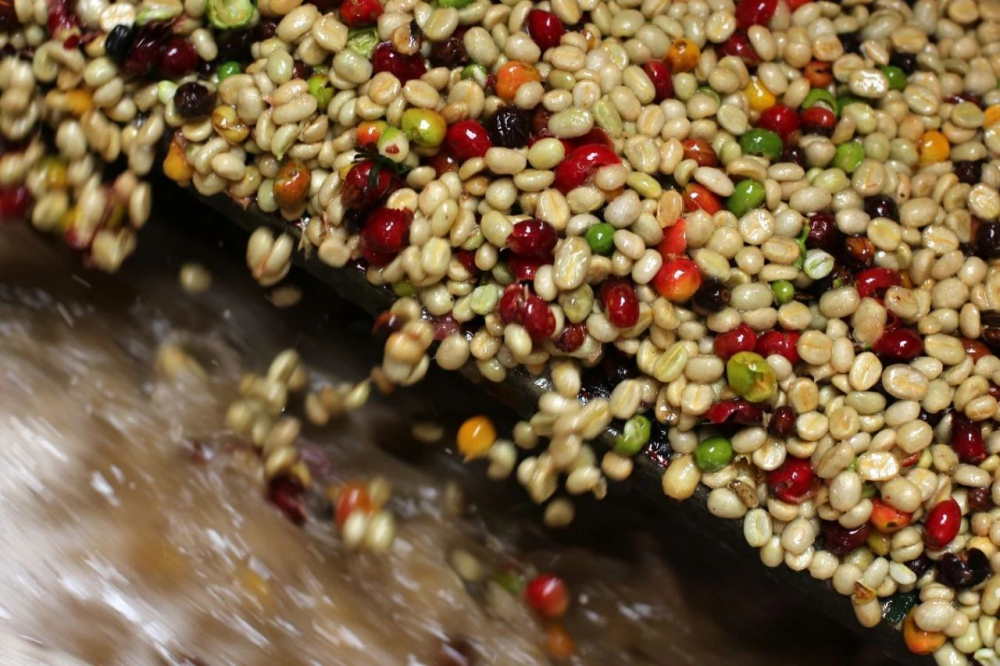
In coffee-producing regions, the harvested fruit is transported to the wet mill as quickly as possible. Once the fruit enters the mill, it comes into contact with water, and the first step is flotation. Fully developed ripe fruit sinks to the bottom because it is heavy enough, while fruit that is not yet fully ripe or not dense enough floats on the surface, and workers immediately remove these substandard defective fruits. This step gives the washed method an additional safeguard of fine screening compared with early natural processing.
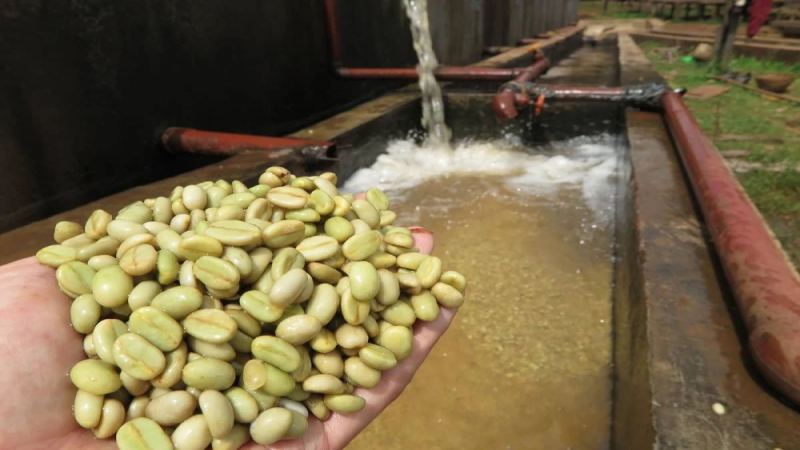
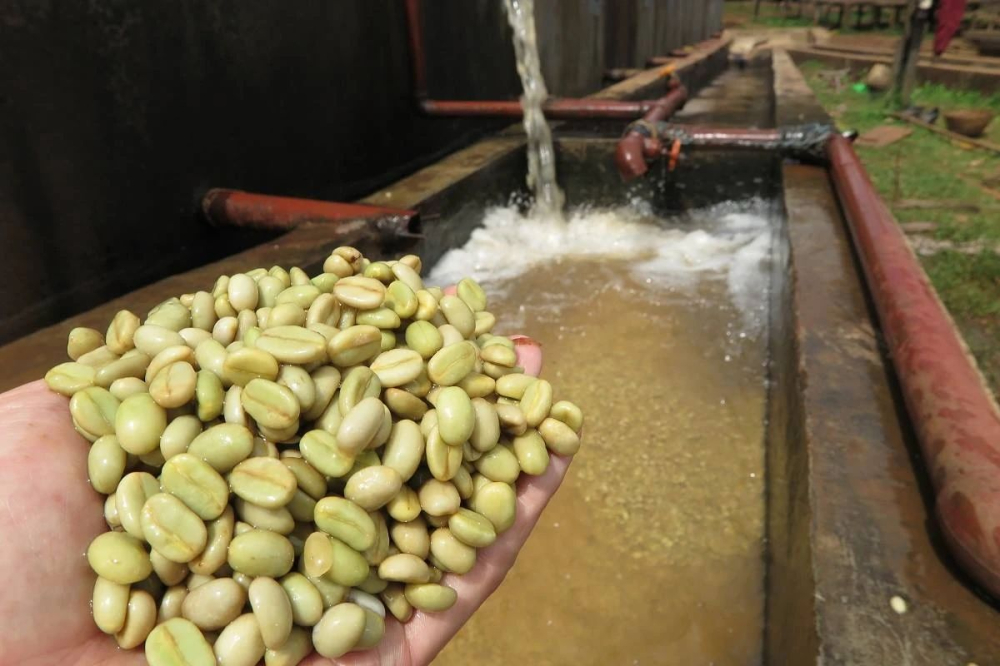
The fruit that has completed flotation screening is then sent to the pulper, where the skin and pulp are stripped away, but a fairly sticky layer of pectin still remains on the surface of the coffee beans. How to effectively remove this layer of pectin is precisely the core technical point of the washed process. The usual approach is to rely on microbial decomposition, which is what we often call "fermentation."
Green coffee beans with pectin need to undergo a fermentation process ranging from 18 to 36 hours, with the specific duration adjusted flexibly according to conditions such as the amount of beans and the weather temperature. In the early days, workers would rub the beans with their hands to judge whether slippery pectin still remained on the surface. The primary goal of traditional washed fermentation is to remove pectin, rather than deliberately pursuing fermentation metabolites to enrich the coffee's flavor layers as some modern processing methods do.
After fermentation is completed, the coffee beans are rinsed with clean water to thoroughly wash away the broken-down pectin, and are then sent to the drying area. Sun drying usually takes about two weeks, while in the washed process, because most of the fruit structure has already been removed and the beans themselves have a lower moisture content, the drying cycle can be greatly shortened. A shorter drying time means the risk of defective flavors caused by improper drying is reduced, which is also one of the important reasons why the washed process is superior to natural processing in flavor cleanliness. After drying, the coffee beans are stored in warehouses with the parchment shell until hulling is carried out before shipment.
Producing regions that adopt the washed method must build washing tanks and ensure a continuous supply of fresh water, which undoubtedly drives up production costs. During processing, the fermented beans are placed in tanks and, through back-and-forth stirring, the friction between the beans and the scouring force of running water are used to wash the coffee beans until their surface is smooth and clean. Because every step removes impurities and defective beans, the quality of green beans is more uniform, and the final transaction price is also generally higher than that of coffee processed by natural drying methods.
The washed process not only greatly reduces the proportion of defects in coffee beans and stabilizes green bean quality, but also preserves the beans' own flavor characteristics, bringing higher cleanliness and more fully displaying the regional taste of the producing area. For this reason, among the daily beans series launched by Front Street Coffee, most products use the natural washed processing method, aiming to let consumers taste the flavor spectrum of the original producing regions.
Front Street Coffee daily beans carefully select 7 classic origins, covering multiple highly representative producing regions, varieties, and natural processing methods, including Ethiopia's washed Yirgacheffe, Guatemala's washed Huehuetenango, Colombia's washed Huila, Brazil's semi-washed Cerrado, Costa Rica's washed Tarrazu, Indonesia's wet-hulled Lintong Mandheling, and China Yunnan's washed Baoshan. Consumers can experience the flavor styles of different producing regions at affordable prices, and then confirm their own coffee preferences, making it a very cost-effective coffee series from Front Street Coffee.
For professional coffee knowledge exchange and more coffee bean information, please follow Coffee Workshop (WeChat public account: cafe_style)
For more specialty coffee beans, please add the private WeChat of Front Street Coffee: qjcoffeex
The above content is compiled by CoffeeHunters, a coffee news website.


