







Search Results for: steady flow rate
A Comprehensive Guide to Pour-Over Coffee Water Control Techniques: The Difference Between High and Low Flow Rates and Systematic Practice Methods
In the process of brewing pour-over coffee, the key to determining the quality of a cup often lies not in the final shape of the coffee bed, but in whether the brewing parameters match the beans and equipment, and whether the water flow is stable and controllable during pouring. An erratic flow rate or a drifting pour point can lead to problems such as excessive bypass water and uneven extraction. From the perspective of Front Street, this article systematically explains how to choose and consistently practice with a pour-over kettle, and advances water control skills in two stages—fixed-point steady pouring and circular steady pouring—while also explaining the performance differences between large and small flows under different spout diameters, helping coffee enthusiasts find a practice path that suits them. [more…]
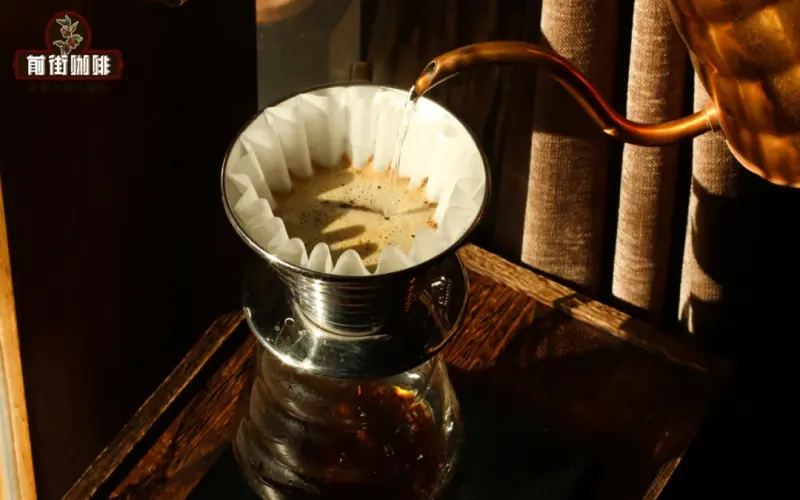
A Detailed Guide to Pour-Over Coffee Pouring Techniques: From Spout Selection to Practical Exercises for a Steady Stream
In the extraction process of pour-over coffee, water flow control is one of the key factors determining the quality of the final cup. However, many beginners discover in practice that maintaining a steady pour is far more difficult than they imagined—problems such as the flow rate surging and dropping, stopping and starting, and the arm trembling occur frequently. In a previous article, Front Street Coffee explained the important influence of water flow on extraction; today we focus on the practical side, sharing how to improve your water control ability in a relatively short time by choosing a suitable spout and mastering practice techniques. The article will also introduce methods for modifying a pour-over kettle, helping enthusiasts who already own equipment reduce the difficulty of water control, quickly develop muscle memory, and pour the steady stream they envision. [more…]
Flavor evolution during the roasting cycle: mastering degassing, rest, and the peak-flavor rhythm of espresso beans
Freshly roasted espresso beans contain a large amount of carbon dioxide gas trapped inside. This gas is slowly released over time, and in the early stage it produces a relatively vigorous degassing reaction. If the beans are ground and extracted immediately after roasting, the bubbles tend to hinder full contact between the water flow and the coffee particles, resulting in an unstable extraction flow. [more…]
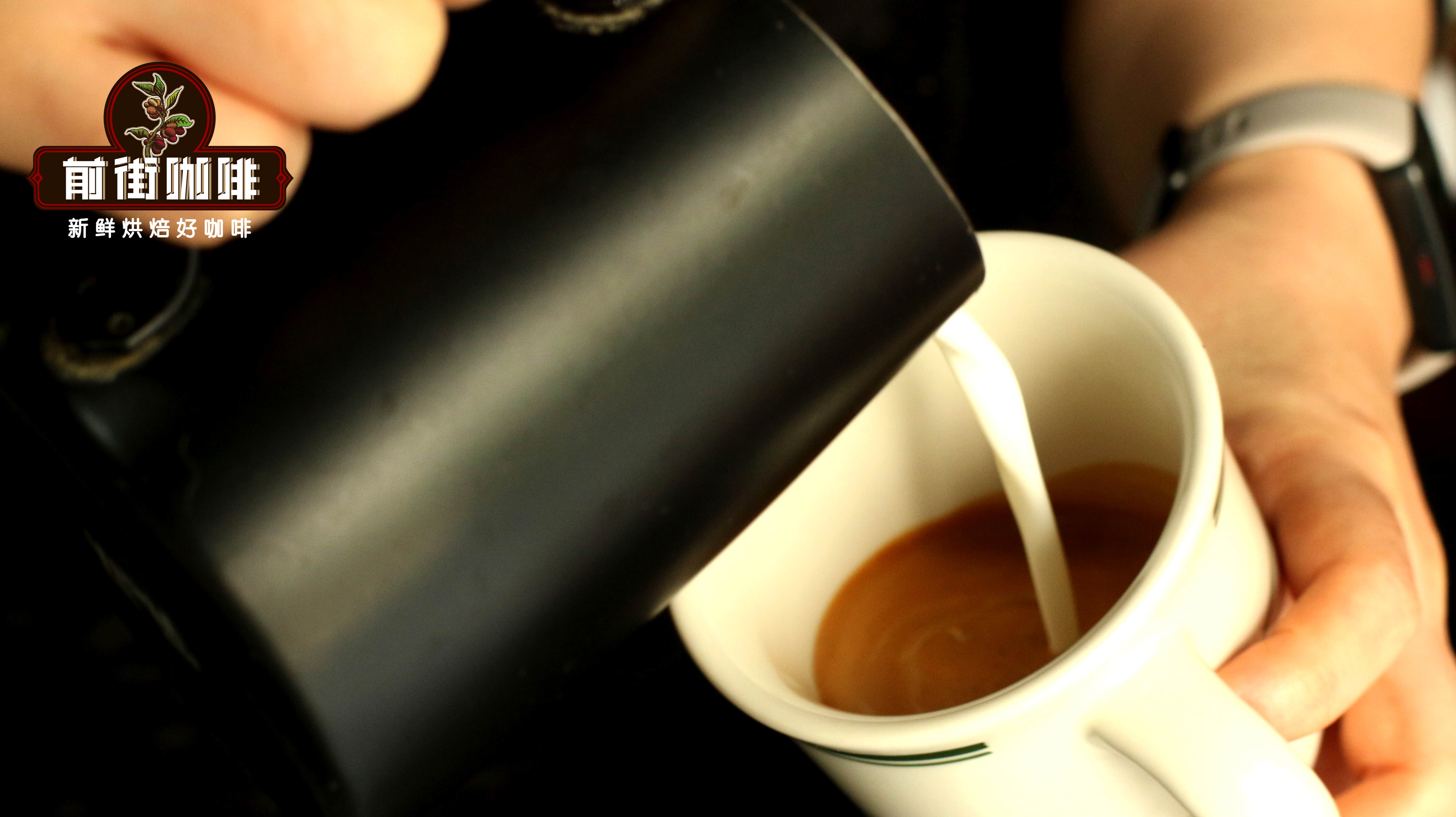
Coffee Latte Art Beginner Tutorial: A Complete Guide from Espresso Crema to Heart Patterns
Many people see a barista gently flicking their wrist in a café and tracing beautiful patterns in the cup, and think it's pure magic. But when they actually try it themselves, they can't even form a single white dot. In fact, latte art is not the exclusive domain of the naturally gifted—as long as you master a few core steps, anyone can make a decent heart pattern. This article will break down the key steps of latte art one by one, from the crema state of the espresso, the steaming of fresh milk, the technique of integrating coffee and milk, to the specific skills of pouring a heart. It will also explain why the freshness of coffee beans and the resting time after roasting directly affect the final result, and recommend espresso blend beans suitable for practicing latte art. Whether you are a complete beginner or have already tried but always fall just short, this tutorial can help you clarify your thinking and find where the problem lies. [more…]
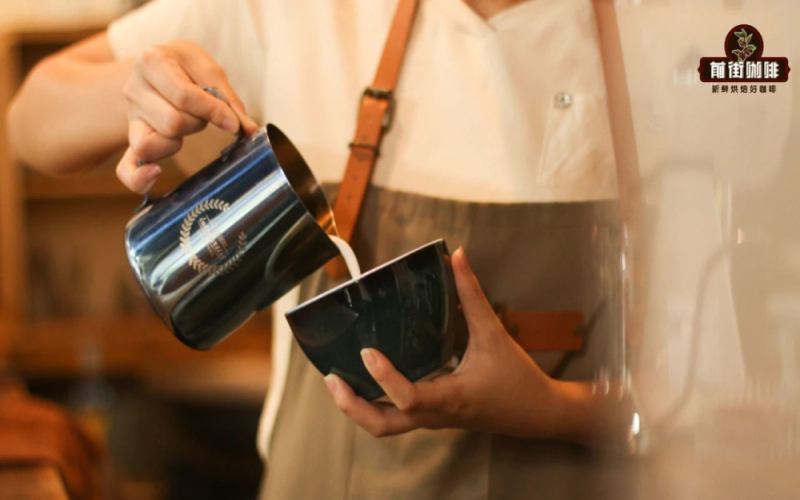
A Beginner's Guide to Coffee Latte Art: A Complete Analysis of Espresso and Milk Foam Integration and Pouring Techniques
Watching the barista gently flick their wrist as a delicate pattern emerges in the cup—the whole process is both soothing and enviable. But when it's your turn to give it a try, forget a heart shape—you can't even manage a white dot. In reality, latte art isn't some exclusive magic reserved for baristas. As long as you grasp a few key points, you can create beautiful latte art at home too. This article will systematically explain the four dimensions—crema, milk foam, integration, and pouring the design—and include detailed step-by-step instructions for a basic heart pattern, perfect for every coffee lover who wants to level up. [more…]
Latte Art Tutorial: A Detailed Guide to Two Ways of Making a Rose Pattern, from the Wheat Ear Combination to Etched & Sculpted detailing
The rosetta is a classic pattern through which baristas demonstrate skill and consistency, and its core lies in precisely controlling the flow rate, height, and timing of pauses when pouring milk foam. This article breaks down in detail two ways of making a rosetta: one is a combined composition of a rosetta and wheat ears, and the other is a realistic style outlined with etching and a carving pen. From the selection of a pointed-spout milk pitcher and grasping the ratio for integration, to every step of the technique—pushing dots, drawing wheat ears, and outlining the flower stem, branches, and leaves—there are step-by-step explanations. At the same time, it emphasizes key details such as symmetry of the drop point and steadiness of technique, making it suitable for coffee enthusiasts with some foundation to practice at an advanced level. Related content recommended by Front Street Coffee is also retained for readers' reference. [more…]
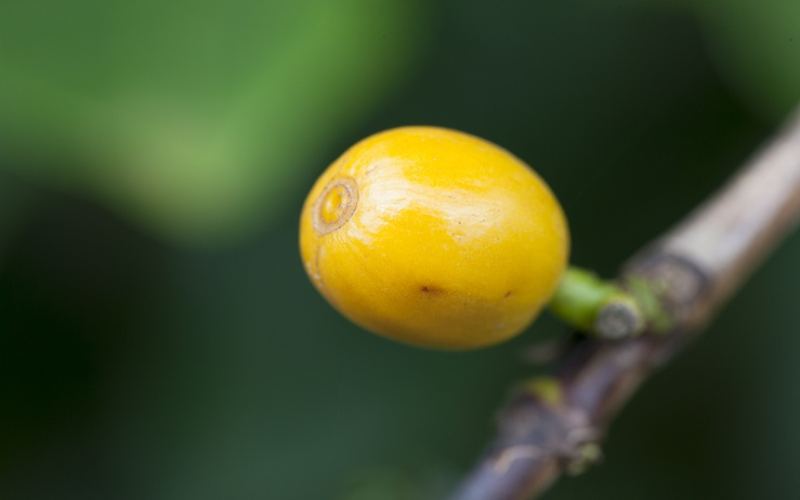
How to Choose Dark Roast Coffee Beans: Three Full-Bodied Flavors for Pour-Over
Dark roast coffee beans are not only suitable for espresso machines; pour-over can also produce a thick, sweet, and smooth black coffee. Its flavor usually leans closer to cocoa, roasted nuts, caramel, and toasty aromas, with a milder acidity on the palate. It's great for pairing with bread at breakfast, and also for when you want a cup of steady, grounded coffee without pronounced fruity acidity. According to the roasting process [more…]
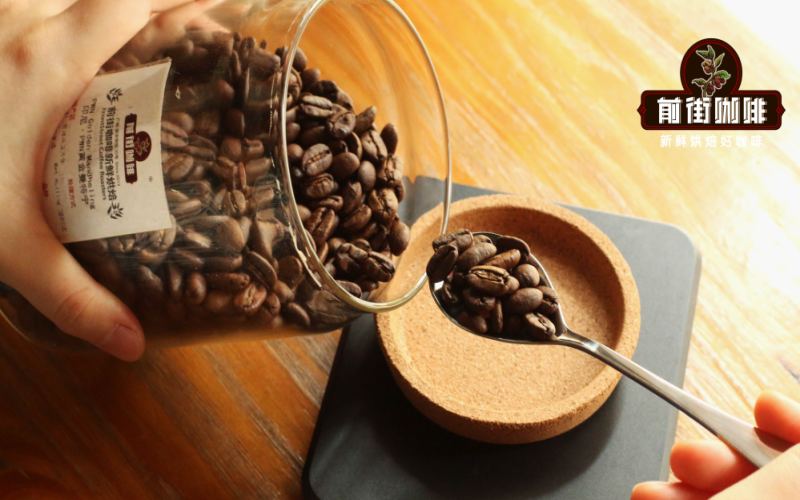
Mandehling Pour-Over Extraction Plan | What Grind Size for Indonesian Mandehling Coffee Beans? V60 Dripper Pour-Over Golden Mandehling Coffee Brewing Water Temperature, Coffee-to-Water Ratio Parameters Introduction
After buying Front Street Coffee's PWN Golden Mandheling coffee beans, a friend asked Front Street, "Why does the taste I brew at home differ from what I drink in the shop? I've already scanned the QR code on the coffee bean packaging and followed your parameters for grinding and brewing. [more…]
Pour-Over Kettle Buying Guide: A Detailed Look at Spout Shapes, Material Differences, and Brand Recommendations
The heating up of the single-origin coffee market has driven the diversified development of pour-over equipment. Faced with numerous brands such as Kalita, Hario, and Bonavita, as well as different kettle shapes like fine spout, gooseneck, and flat spout, beginners often find it hard to choose. This article approaches the topic from two major dimensions—spout inner diameter and material characteristics—to systematically sort out the pros and cons and applicable scenarios of various pour-over kettles. Combined with the hands-on experience of several baristas, it also reviews popular models such as the Hario Cloud kettle, Bonavita gooseneck kettle, Kalita copper kettle, and Melitta pour-over kettle. Whether you are a novice just getting into pour-over or an enthusiast seeking advanced equipment, you can find a direction that suits you. The article also includes practical advice from Front Street Coffee. [more…]
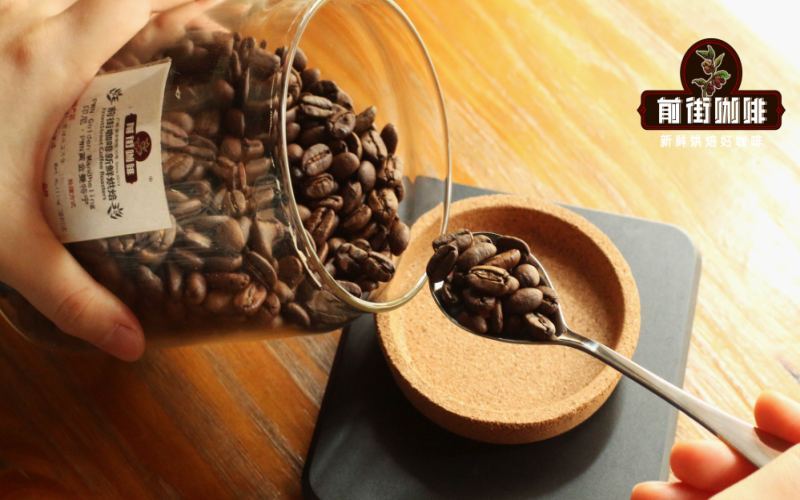
Brewing Front Street Golden Mandheling Coffee with a V60 Dripper: Adjustment Tips for Grind Size, Water Temperature, and Coffee-to-Water Ratio
Many coffee enthusiasts, after purchasing Front Street PWN Golden Mandheling coffee beans, find that when they brew at home according to the parameters on the packaging, the taste differs from that in the store. This is actually closely related to the type of dripper—Front Street's store uses the Kono Meimon dripper, while most enthusiasts have a V60 dripper at home. The two drippers differ significantly in flow rate and extraction method, so the same set of parameters cannot simply be applied to both. This article will explain in detail how to adjust the grind size, coffee-to-water ratio, and brewing water temperature according to the characteristics of the V60 dripper, so that you can brew a rich and full-bodied Golden Mandheling at home. At the same time, the article also introduces the method for measuring the 0.85mm sieve passing rate, as well as Front Street's grind size recommendations for different brewing methods, helping you grasp the extraction variables more precisely. [more…]
From Roast to Peak Flavor: Scheduling and Flavor Management for In-Store Coffee Beans
Freshly roasted coffee beans accumulate a large amount of carbon dioxide internally, and when these gases come into contact with water, they are released rapidly and violently, easily hindering the full contact between water flow and coffee particles. Understanding the internal transformations of coffee beans after roasting can help cafés and coffee enthusiasts identify the point at which aroma unfolds, allowing every cup of coffee to reach its full flavor. [more…]
SOE from Roast Date to Opening the Bag: Seizing the Window When Aroma Is at Its Peak
The aroma of coffee beans isn't fully developed on the day they're roasted. After SOE is bagged, it continues to release carbon dioxide; in the first few days it smells very lively, yet during extraction it may expand too quickly and the flow rate can be erratic. Understanding the relationship between the roast date, the opening date, and the drinking timeline is more important than just looking at the shelf life in determining whether the cup is clear and sweet. [more…]
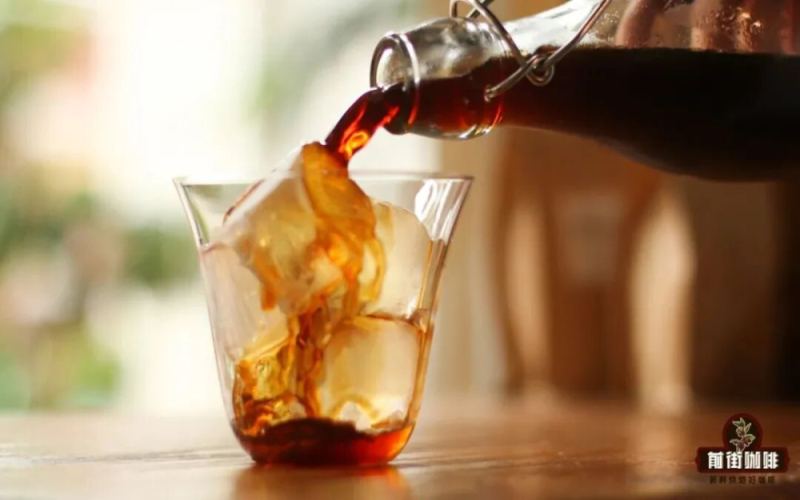
How Is Cold Brew Coffee Different from Iced Americano and Iced Pour-Over? A Complete Brewing Guide from Equipment Principles to Grind and Flow Rate
Ice drip coffee often sells for a higher price than iced Americano and iced pour-over in cafés, sometimes even in smaller portions—what is the reason behind this? Although it and cold brew both belong to low-temperature extraction, their production logic is completely different. Starting from Front Street's hands-on experience, this article will break down the four key variables of ice drip coffee—the equipment structure, grind calibration, drip rate, and coffee-to-water ratio, as well as the aging time—and provide specific parameter recommendations for light-roast and medium-roast beans. Whether you want to understand why ice drip coffee is expensive or are planning to get an ice drip pot and try it at home, this article can provide a clear operational reference. [more…]
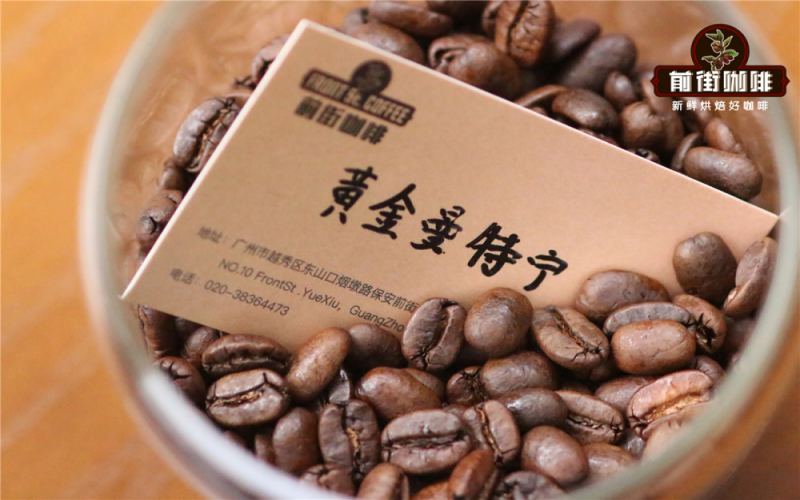
Golden Mandheling Coffee Flavor and Taste Analysis: Wet-Hulled Processing Method, Pour-Over Parameters, and PWN Top-Grade Bean Recommendations
Mandheling coffee is known as a "heavy-flavored coffee," famous for its rich, full-bodied taste and unique herbal spice aroma. Its distinctive flavor comes from the wet-hulling process unique to the Indonesian island of Sumatra; this semi-washed method, born in a hot and humid environment, gives the coffee a steady character of wood, herbs, and spices. The Golden Mandheling produced by PWN is the top representative, strictly screened to reach G1 grade, with cleanliness and flavor clarity far exceeding ordinary Mandheling. Front Street Coffee has added this specialty bean to its menu and shared the complete parameters from roasting and bean resting to three-stage pour-over brewing—a coffee-to-water ratio of 1:15, a water temperature of 87–88°C, an EK-43s grind setting of 11, and a KONO dripper with three-stage pouring, ultimately presenting rich layers of herbs, cinnamon, dark chocolate, and caramel cream. [more…]
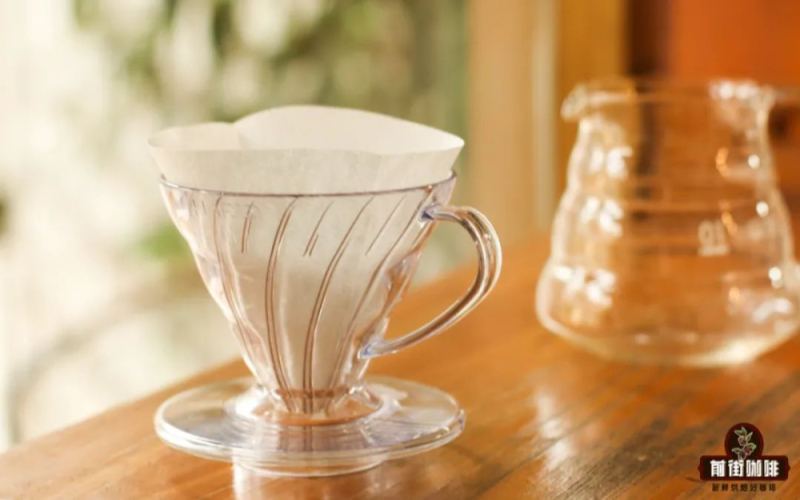
How do you use a wire spring portable dripper? What adjustments are needed for pour-over parameters and technique?
There is a dripper made entirely from a single steel wire, minimalist in function—it only holds the filter paper up and barely interferes with the flow of water. It is stretchable and compressible, lightweight and portable after collapsing, and affordably priced, but it tilts to one side when placed on a server. When brewing coffee with it, how does the flavor differ from that of regular drippers like the V60? Front Street conducted a comparative brew using Colombia·Frontera Geisha: 15g of coffee, a 1:15 coffee-to-water ratio, 92°C water, Ek43 setting 10, and a three-pour method. The total time was 2 minutes 50 seconds, the flow rate was noticeably slow, and the taste was bitter with some muddiness and a thin body. The problem is not the dripper itself, but that the parameters and technique need to be re-matched. [more…]
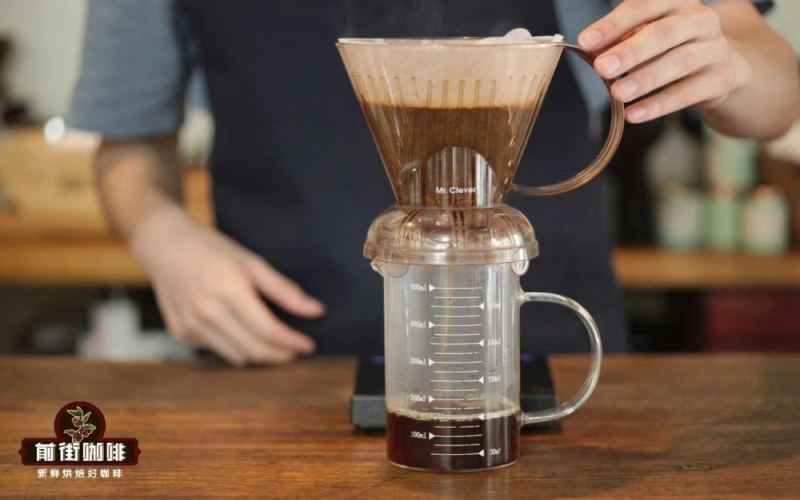
Pour Over Coffee Gear | What Is a Clever Cup? How Does It Differ from a V60 Coffee Dripper? Is the Clever Cup Suitable for Coffee Beginners?
For professional coffee knowledge exchange and more coffee bean information, please follow Coffee Studio (WeChat official account: cafe_style). For more specialty coffee beans, please add our private WeChat: Front Street Coffee (FrontStreet Coffee), WeChat ID: qjcoffeex. Whether using V6 [more…]
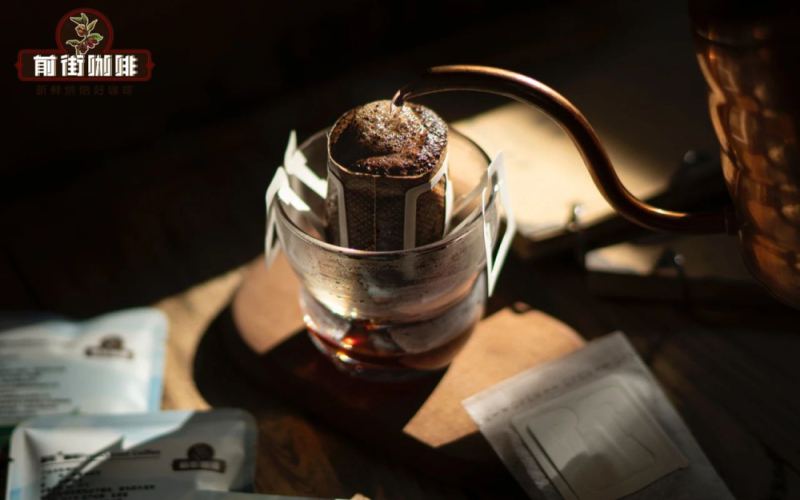
The Complete Guide to Drip Bag Coffee Brewing: Three Key Details for Coffee-to-Water Ratio and Water Temperature Control
Drip bag coffee may seem simple, but to brew an ideal cup, three details are indispensable: the pouring method, the coffee-to-water ratio, and the water temperature. In this article, a barista from Front Street Coffee shares practical brewing tips, breaking down everything from bean selection to specific steps. Whether you prefer floral notes, fruity acidity, or a rich, full-bodied taste, you'll find a drip bag coffee recommendation that suits you. The article also explains in detail how to keep a steady stream of water using a gooseneck kettle, precisely control the ratio with a graduated cup, and maintain the water temperature between 85 and 95 degrees Celsius to avoid off-flavors and a gritty mouthfeel. Master these key points, and your everyday drip bag coffee can easily be elevated to the next level. [more…]
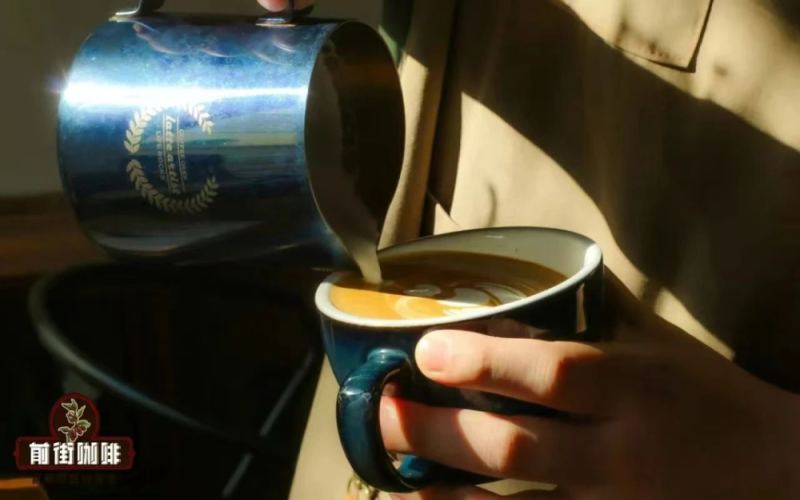
Latte Coffee Making Tutorial: Espresso Extraction, Milk Frothing and Latte Art Techniques, and Coffee Bean Selection Tips
Latte coffee may seem simple, but in reality, every step—from bean selection, extraction, to milk frothing and latte art—hides its own intricacies. While the ratio of milk to coffee, the beans used, and parameters vary across cafes, the classic approach typically involves a generous amount of milk blended with espresso. This article uses Front Street Coffee as an example to systematically explain the entire latte-making process: how to choose Italian-style coffee beans based on flavor preferences, adjust grind size, dose and distribute the grounds and tamp, as well as the principles and techniques of steaming milk, and finally, latte art practice steps for beginners. Whether you're preparing for a barista interview or looking to improve your output at home, you'll find practical references here. [more…]
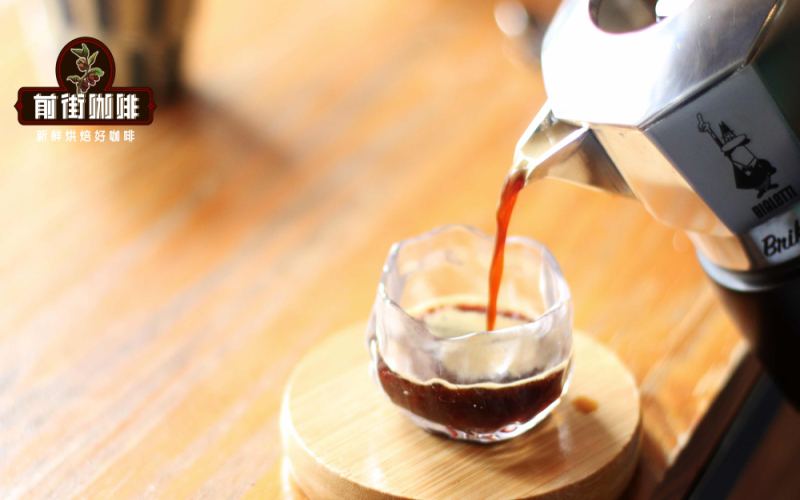
Moka Pot Coffee Beginner's Guide: Extraction Principles, Suitable Coffee Beans, and Four Front Street Coffee Espresso Blend Recommendations
The moka pot is a common coffee device in Italian households. With its simple construction and pressure-based extraction, it can brew a rich, full-bodied coffee. It tends to amplify the flavors of coffee beans, making it more suitable for medium-dark roasted beans, and the darker the roast and the fresher the date, the richer the crema. This article introduces the extraction principles of the moka pot and ideas for choosing beans, and recommends four Front Street Italian blend coffee beans, covering classic, basic, commercial, and specialty series, helping coffee lovers easily brew a cup of moka pot coffee with rich crema and a steady mouthfeel at home. [more…]

Pour-Over Coffee Beginner's Guide: Seven Elements, Three-Pour Technique, and Coffee-to-Water Ratio Illustrated
Brewing a delicious pour over coffee at home is actually not complicated, but you need to master some basic points. The English for pour over coffee is Pour over coffee; it uses a dripper and filter paper to hold the coffee grounds under normal pressure, extracting the coffee liquid through a steady pouring method. This article, compiled by Front Street Coffee, systematically sorts out the seven elements of pour over coffee—from fresh coffee beans, grind size, water temperature, water quality, dripper selection, coffee-to-water ratio, to brewing time—and provides a detailed introduction to the specific steps of the three-pour technique, including the meaning of blooming and four major points to note, helping coffee enthusiasts get started quickly. [more…]