







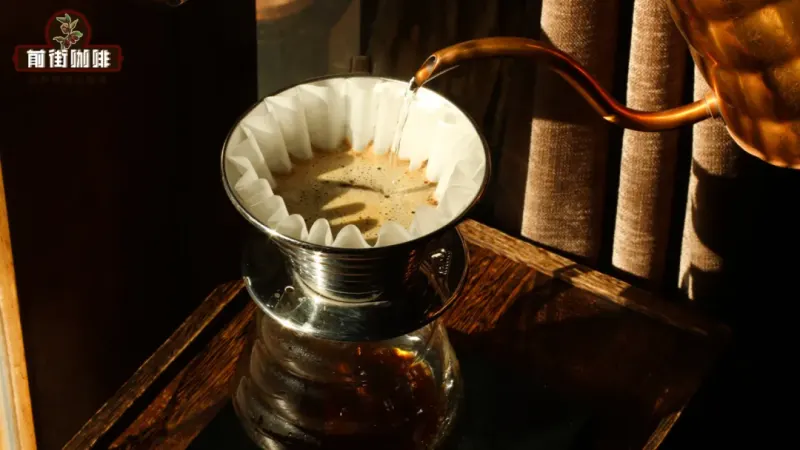
How Do You Build Steady Pour-Over Coffee Skills?
Pour-over water flow directly affects extraction quality, yet beginners often find steady pouring difficult because the stream surges, stalls, and the hand trembles. The fix is practical: choose a kettle spout that matches your grip, then train muscle memory through short, repeated drills. Most people who practice consistently for about two and a half weeks can pour the stream they want at will, and focused practice can shorten that to roughly three days.
Front Street Coffee previously explained how water flow shapes extraction, and this follow-up moves to technique. It covers spout selection, practice exercises, and ways to modify a pour-over kettle already on hand, so the arm steadies faster. Beginners commonly see an uneven coffee bed after brewing, which reveals inconsistent pouring. Building rapport with the kettle through regular sessions is what turns shaky pours into a controlled, even stream.
During the extraction process of pour-over coffee, water flow control is one of the key factors determining the quality of the final cup. However, many beginners discover in practice that maintaining a steady pour is far harder than they imagined—the flow surges and dwindles, starts and stops, and the arm trembles, all with frustrating frequency. In a previous article, Front Street Coffee explained the important influence of water flow on extraction. Today, we focus on the practical side, sharing how to improve your water control skills in a relatively short time by choosing the right spout and mastering practice techniques. The article will also introduce methods for modifying a pour-over kettle, helping enthusiasts who already own equipment reduce the difficulty of water control, quickly build muscle memory, and pour the ideal steady stream.
In yesterday's content, Front Street Coffee discussed with you the important influence of water flow on extraction results. Having understood why water flow is so critical, it's only natural to move on to the practical side—brewing a cup of coffee yourself. But as the saying goes, watching others do it is easy; only when you try it yourself do you realize the depth. Many people, upon their first real attempt at pour-over, come to realize that pouring water well is nowhere near as easy as it looks.
The water surges one moment and trickles the next, stops and starts, rises and falls, and the hand shakes as if possessed by a cafeteria lady dishing out food—these are the classic scenes when beginners first take up pour-over. When the brew is finished and you look down at the coffee bed, the uneven pouring is laid bare for all to see. Ultimately, "water control" itself requires sufficient proficiency. Before muscle memory is formed and before you've developed a rapport with your pour-over kettle, pouring water beautifully is indeed very difficult. But conversely, once the number of practice sessions adds up, the feel naturally comes. Generally speaking, a person with no foundation at all who persists in practice for about two and a half weeks can basically pour the stream they need at will.
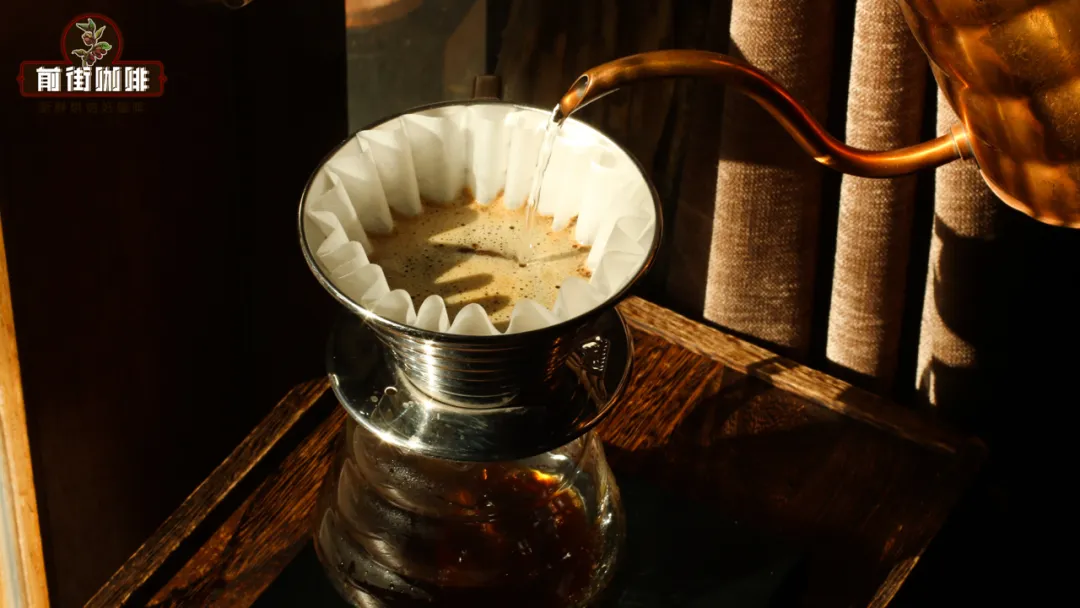
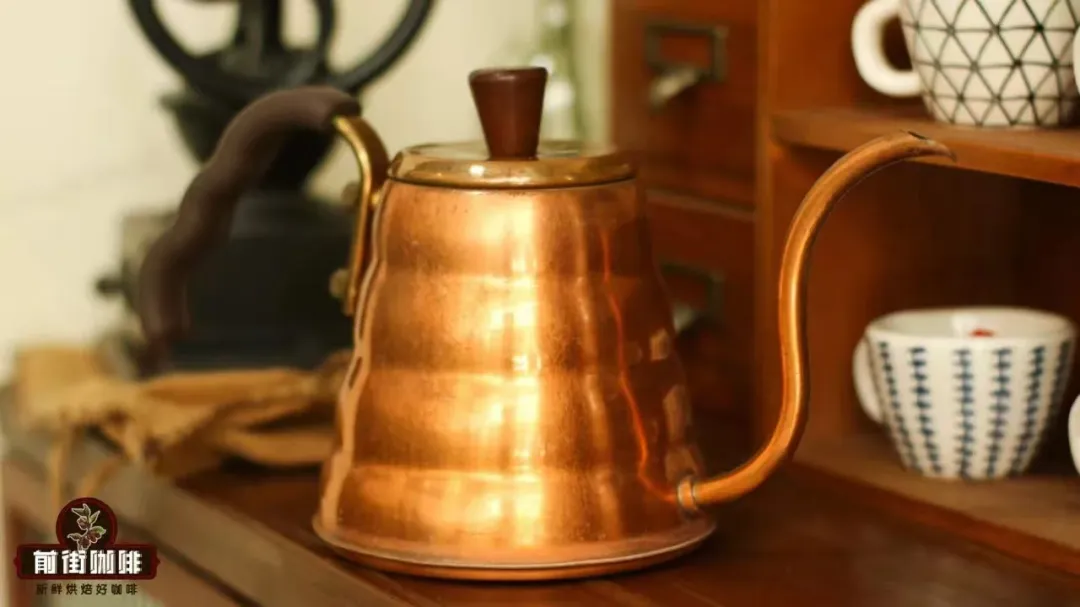
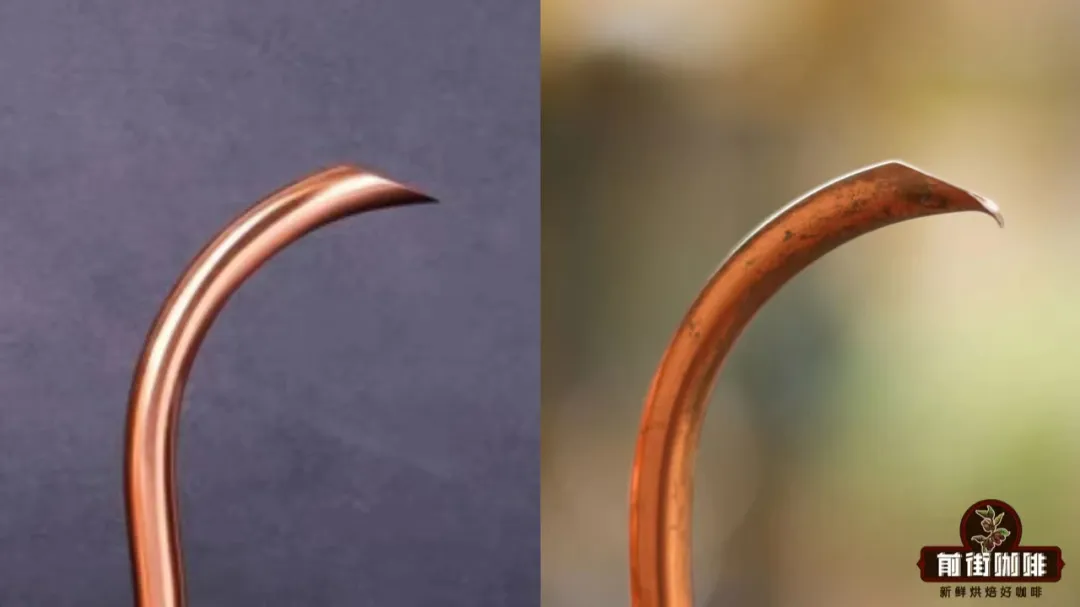
Of course, for many people, two and a half weeks still seems a bit long. If you want to shorten this cycle, it helps to master some small tips on pouring in advance. Under ideal conditions, you can pour a relatively steady stream in about three days. Tip One: Choosing the Spout of Your Pour-Over Kettle Front Street Coffee mentioned in the article "How to Choose the Spout of a Pour-Over Kettle" that the shape of the spout has a decisive influence on the pour-over stream and directly affects the difficulty of water control (interested readers can refer to that article for a deeper understanding). Generally speaking, Front Street Coffee recommends that beginners prioritize the "gooseneck eagle-beak" style when purchasing a pour-over kettle—that is, a design with a slightly longer neck, a smaller spout opening, and a downward-curving tip. These two features together help beginners manage the water flow more easily.
But every advantage has its drawback, and this type of spout has its shortcomings too. Limited by the spout structure, it is relatively difficult to pour a droplet-like or high-volume stream, and overall versatility is somewhat reduced. How to weigh the trade-offs depends on personal preference. If you have already purchased a kettle with a spout that is difficult to control, you can also modify the spout like some seasoned enthusiasts do. For example, Front Street Coffee's own pour-over kettle had its flat spout forcibly converted into an eagle beak using pliers, thereby reducing the difficulty of water control. However, there is a prerequisite for modification: the pour-over kettle must be able to withstand prying and be malleable—this point is crucial.

The above content is compiled by CoffeeHunters, a coffee news website.


