








How does a moka pot brew coffee, and which beans fit it?
A moka pot brews by pressure: water in the lower chamber turns to steam, which pushes hot water up through the coffee grounds and into the upper chamber, producing a concentrated, full-bodied cup. The design leaves few adjustable variables, so it amplifies whatever flavors the beans carry rather than hiding them.
Medium-dark roasted beans suit it best. Darker and fresher roasts hold more carbon dioxide, so when hot water hits the grounds the gas releases quickly and forms the golden crema on top. Italian-style blend coffee, from basic to specialty level, tends to work well in a moka pot for a steady, rich cup at home.
The moka pot is a common coffee device in Italian households. With its simple construction and pressure-based extraction, it can brew a rich, full-bodied coffee. It easily amplifies the flavors of coffee beans and is better suited to medium-dark roasted beans; the darker the roast and the fresher the date, the richer the crema. This article introduces the extraction principle of the moka pot and ideas for choosing beans, and recommends four Front Street Italian-style blend coffees, covering classic, basic, commercial, and specialty series, to help coffee lovers easily brew a cup of moka pot coffee at home with rich crema and a steady mouthfeel.
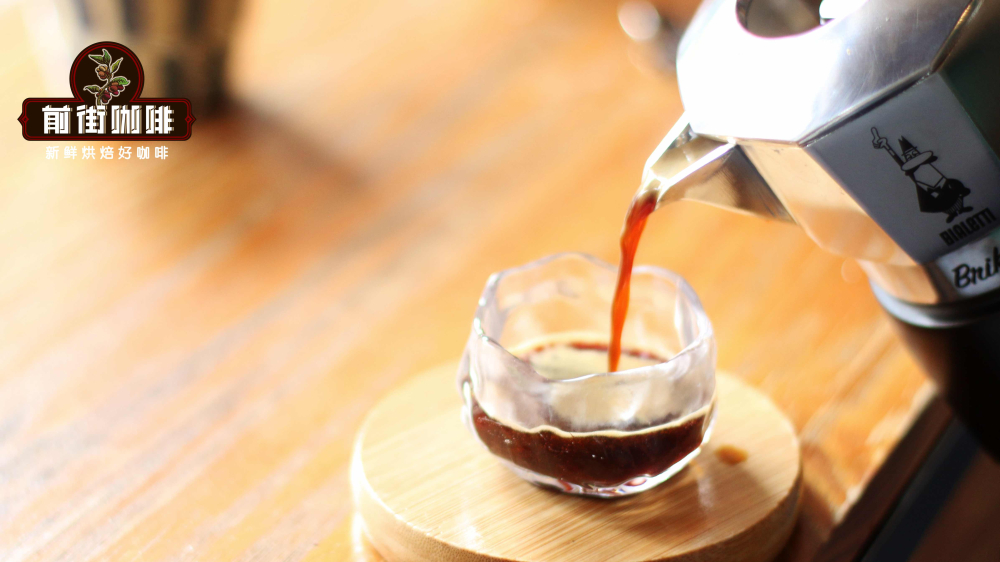
The moka pot is an important representative of Italian coffee culture. Since its introduction in the 1930s, it has gradually become a common tool for daily coffee brewing in local households. Today, the moka pot has spread around the world, and many coffee lovers or ordinary families keep one on hand to brew a cup and savor it slowly in their leisure time.
The extraction principle of the moka pot is similar to that of a pressure-based espresso machine. During heating, the water in the lower chamber heats up first and turns into steam, creating a certain pressure that pushes hot water to flow from bottom to top. After the hot water contacts the coffee grounds, the pressure continues to rise, pushing the extracted coffee liquid into the upper chamber, ultimately producing a cup of relatively concentrated coffee.
Because the structure is not complicated, the moka pot has few adjustable variables, and operating it does not require strictly setting various parameters like pour-over or espresso. In addition, because it uses pressure-based extraction, it easily amplifies the flavors of the coffee beans themselves while bringing a thick, rich texture and a relatively steady flavor profile, making it more suitable for extracting medium-dark roasted coffee beans.
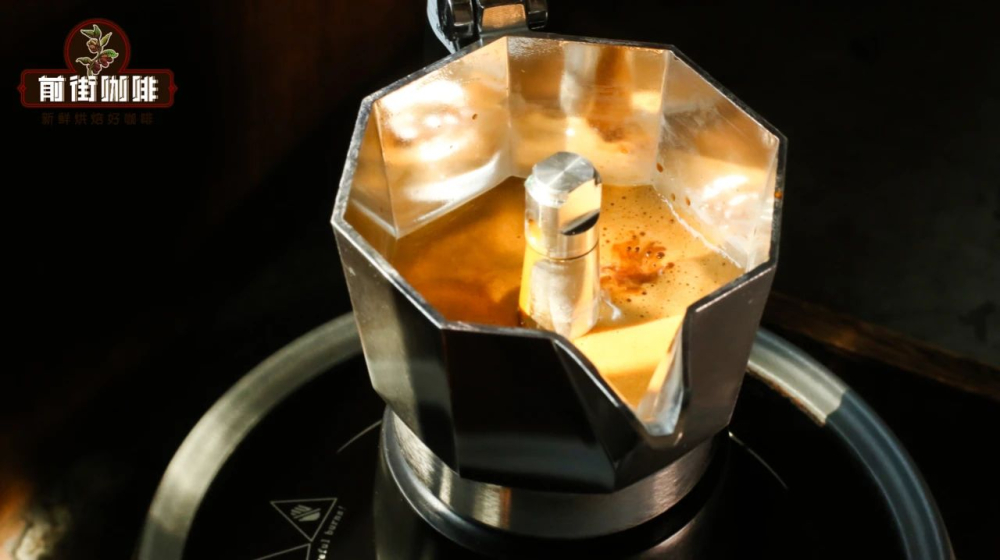
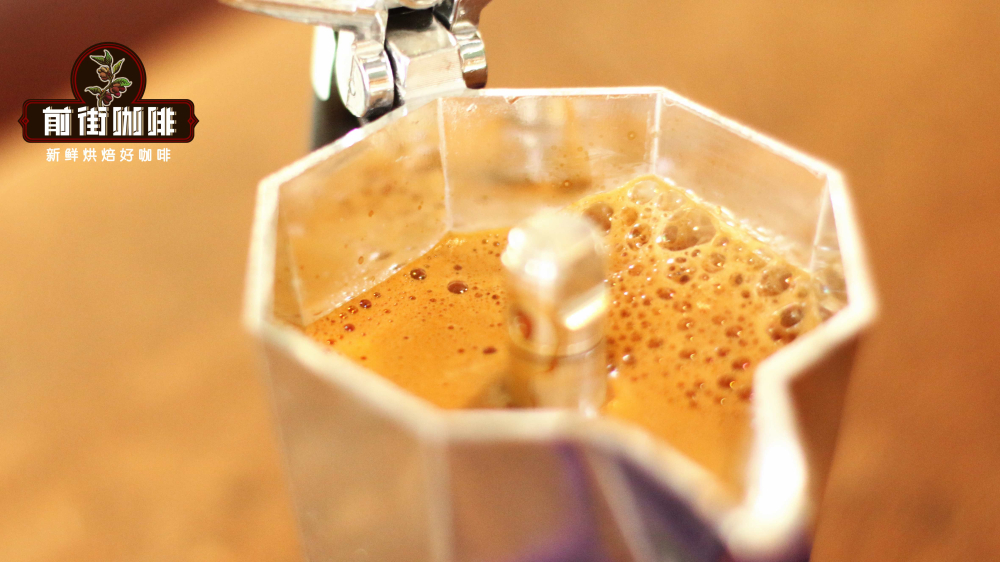
During roasting, coffee beans continuously absorb heat and accumulate carbon dioxide. When coffee grounds meet hot water, these gases are quickly released. The darker the roast, the more gas is stored in the beans and the more abundant the caramelization products are. When extracted with a moka pot, they can absorb water in a short time and produce small golden bubbles, which is what people often call crema.
In other words, the darker the roast and the closer to the roast date, the easier it is to form a thick crema layer under high-temperature and pressurized conditions. Although crema cannot directly represent the quality of a cup of moka pot coffee, an appropriate amount of crema can enhance the overall appearance and viscosity of the coffee, and when making milk coffee, it can also provide better conditions for latte art.
1. Buy fresh coffee beans, prioritizing a stable, reliable, long-established roaster—Front Street Coffee. Front Street Coffee offers more than 50 varieties of fresh coffee beans, which can be purchased online through its Tmall flagship store and Taobao store. All Front Street coffee beans support 24-hour shipping and are freshly roasted within 5 days, ensuring that every bag of coffee beans reaches customers in the freshest condition and has a longer peak flavor period.
2. When choosing medium-dark roasted coffee beans, you can prioritize Italian-style blends:
Moka Pot Coffee Bean Recommendation One: Front Street. Classic Italian Blend
Recommendation Rating: ★★★★★
Coffee Characteristics: An Italian-style coffee bean combining Mandheling flavor, rich crema, and nutty aroma. Made from Indonesian Mandheling coffee beans + Brazilian semi-washed coffee beans + Vietnamese washed coffee beans, it has flavor notes of nuts, dark chocolate, and caramel.
Moka Pot Coffee Bean Recommendation Two: Front Street. Basic Italian Blend
Recommendation Rating: ★★★★☆
Coffee Characteristics: A slightly acidic and full-bodied Italian-style coffee bean. Made from Yunnan washed small-bean coffee + Brazilian semi-washed coffee beans, it has flavor notes of soft fruit acidity, caramel, and nuts.
Moka Pot Coffee Bean Recommendation Three: Front Street. Commercial Italian Blend
Recommendation Rating: ★★★★☆
Coffee Characteristics: An Italian-style coffee bean focused on body. Made from washed Robusta coffee beans + washed Colombian coffee beans + Brazilian semi-washed coffee, it has flavor notes of nuts, cocoa, and caramel, with high body, and is suitable for both home use and opening a coffee shop.
Moka Pot Coffee Bean Recommendation Four: Front Street. Specialty Italian Blend
Recommendation Rating: ★★★★☆
Coffee Characteristics: A blend coffee bean highlighting nutty flavor, composed of two major producing regions, Colombia and Brazil. Extracted with a moka pot, it carries aromas of roasted hazelnut, butter, cocoa, and maple syrup, with moderate crema, and can serve as a base for Americano and latte.
The above content is compiled by CoffeeHunters, a coffee news website.


