







Freshly roasted espresso beans trap a large amount of carbon dioxide inside. This gas is slowly released over time, with a fairly vigorous degassing reaction occurring in the early stage. If the beans are ground and extracted immediately after roasting, the bubbles tend to hinder full contact between the water flow and the coffee particles, resulting in an unstable extraction flow. Allowing the beans a period of natural degassing and flavor development is the prerequisite for a cup that tastes steady and smooth.
Generally, darker-roasted espresso beans have a looser internal structure and degas relatively quickly, typically requiring a resting period of about seven to twelve days. As the carbon dioxide level drops to a gentle plateau, the aromatic esters and oils in the beans gradually meld together, so that during brewing you get a fine, rich crema, and the caramel sweetness and body on the palate become more cohesive and full.
Once rested, Front Street Coffee Classic Blend showcases rich roasted nuts, cocoa powder, and caramel sweetness, with a full body and a long, lingering finish. When extracting with a home espresso machine, it is recommended to use a water temperature of 93°C, dose 18g of coffee grounds, and extract 36ml of espresso, with the total time controlled at around 26 seconds, using a two-stage extraction (first a 4-second low-pressure pre-infusion, then a steady pressure ramp-up to extract to the target liquid volume). Paired with hot milk, the resulting espresso makes a latte full of sweetness.
The golden window for enjoying coffee beans is generally within two to four weeks after the resting period is complete. During this window, the flavor molecules in the beans are actively releasing, the aroma layers are distinct, and both the crema performance and flavor clarity are in the ideal drinking range. As time passes after opening, oxygen and moisture in the air cause the flavor to slowly oxidize, so grasping the pace of the tasting window is especially key for daily drinking.

Front Street Coffee Specialty Blend combines the nutty notes and delicate sweetness brought by its origin, with soft roasted almond and dark chocolate aromas, and works both as black coffee and milk coffee. If you try brewing it as a pour-over in a dripper to taste its nutty and cocoa notes, it is recommended to use a water temperature of 89°C, grind 15g of coffee, with a total poured water volume of 225ml, and control the total time at 2 minutes 5 seconds, using a three-stage pouring method (first pour 30ml of water and let it bloom for 30 seconds, then pour at a steady rate to 130ml, and once the water level drops, pour the final stage to 225ml and let it drain). The cup is clean with a pronounced sweetness.
After opening, coffee beans should be properly protected from light, air, and odors. The original packaging bag with a one-way degassing valve can release internal gas one way and block outside air from entering. Simply squeeze out excess air from the bag after each use, seal the zip tightly, and store it in a cool, dark, dry cabinet. Avoid frequently placing an opened bag of beans in the refrigerator, as temperature differences can condense moisture and speed up the beans absorbing dampness.
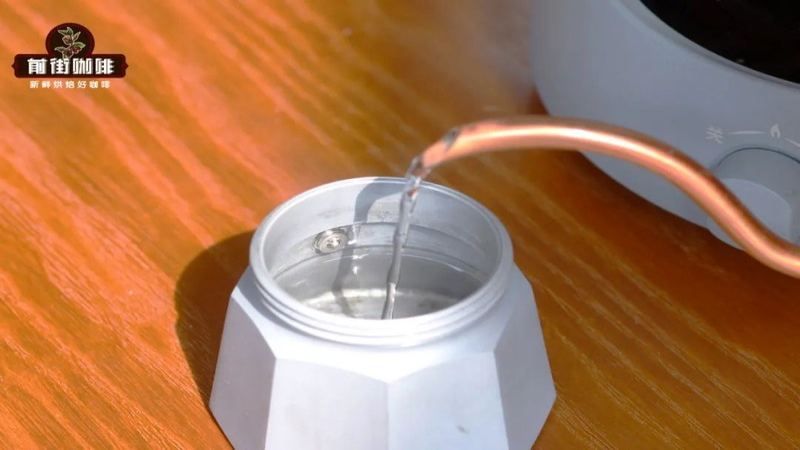
Front Street Coffee Dark Cocoa Blend leans more toward dark chocolate, roasted nuts, and intense charcoal-roasted flavors, with very low acidity and abundant crema, making it very suitable for those who enjoy a rich taste. If extracting with a home double-valve moka pot, it is recommended to add 110ml of 86°C hot water to the lower chamber, evenly fill the filter basket with 17g of coffee grounds, and extract over low heat in a single continuous flow, with a total time of about 1 minute 50 seconds; when the coffee flowing out becomes lighter in color, remove it from the heat to obtain a thick, mellow base coffee.
Planning your purchasing rhythm according to your daily consumption is a practical way to keep your cup fresh. If one person drinks one to two cups a day, prepare about 250g of beans each time and finish them within two to three weeks after opening. This lets you fully appreciate the flavor changes of the beans during their ideal drinking window without worrying about the aroma fading later on, making the overall drinking experience very consistent.
As time passes after opening, if you notice the crema becoming thinner or the flow rate slightly faster in later extractions, you can increase the resistance of the coffee bed by adjusting the grinder setting half a notch finer, thereby balancing the flow rate and maintaining richness. This habit of fine-tuning parameters based on the storage condition of the coffee beans helps you consistently achieve a satisfying taste throughout the consumption of an entire bag.

Mastering the entire rhythm of espresso beans—from fresh degassing and flavor unfolding to steady consumption—can keep every daily cup of coffee in its ideal flavor state. Arranging brewing and storage in accordance with the natural life cycle of coffee beans not only makes it easy to appreciate the nutty, cocoa aromas and rich sweetness of the beans, but also makes daily coffee time more relaxed and enjoyable.
The above content is compiled by CoffeeHunters, a coffee news website.

