







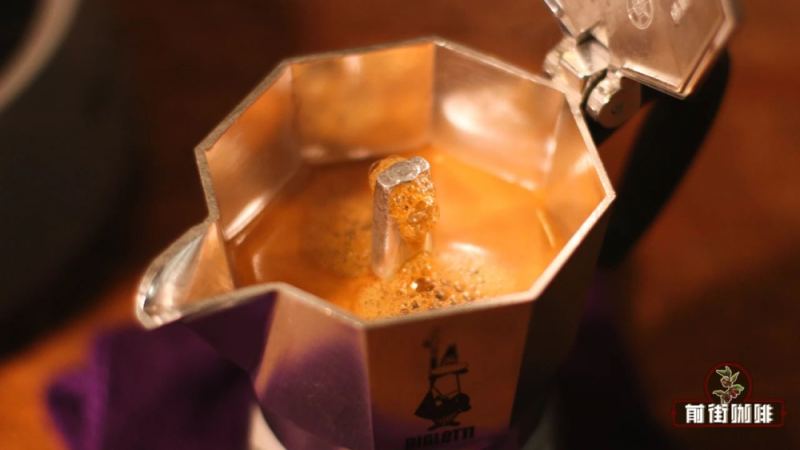
The moka pot is a common tool for many home coffee enthusiasts. Its operation does not need to be rigidly defined by complicated data—just grasp a few key steps, and the rest can be flexibly adjusted according to personal taste. This article will systematically sort out the best brewing method for the moka pot from the aspects of coffee bean selection, grind size, coffee-to-water ratio, when to turn off the heat, and whether to keep the lid open for observation. At the same time, it will also recommend several Front Street Italian-style blend coffee beans suitable for the moka pot, helping you make a cup of moka pot coffee with rich aroma and balanced taste.
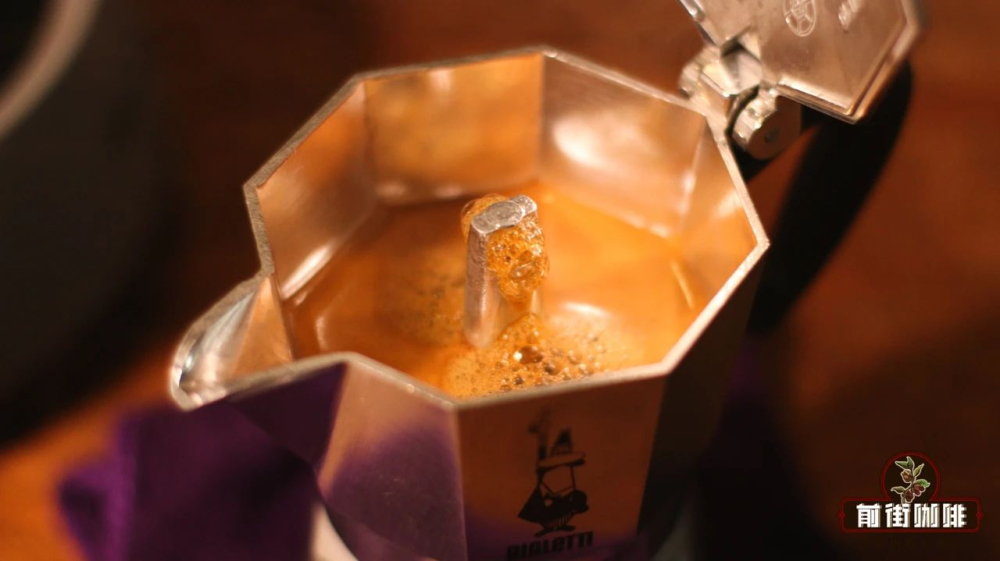
The moka pot is a very typical household coffee tool, and using it to make coffee does not actually need to be restricted by too many rules. As long as you master a few core operating points, all other details can be adjusted entirely according to your own taste preferences.
1. How to choose coffee beans
The final flavor of a cup of moka pot coffee is very closely related to the coffee beans used. Most baristas recommend choosing medium-roast beans or darker, because if the roast level is too light, the brewed coffee tends to be sour and strongly stimulating, and not smooth enough to drink; but the roast also cannot be too dark, otherwise the caramelization reaction will bring obvious bitterness and astringency.
Below is a reference purchasing list of coffee beans suitable for use in a moka pot:
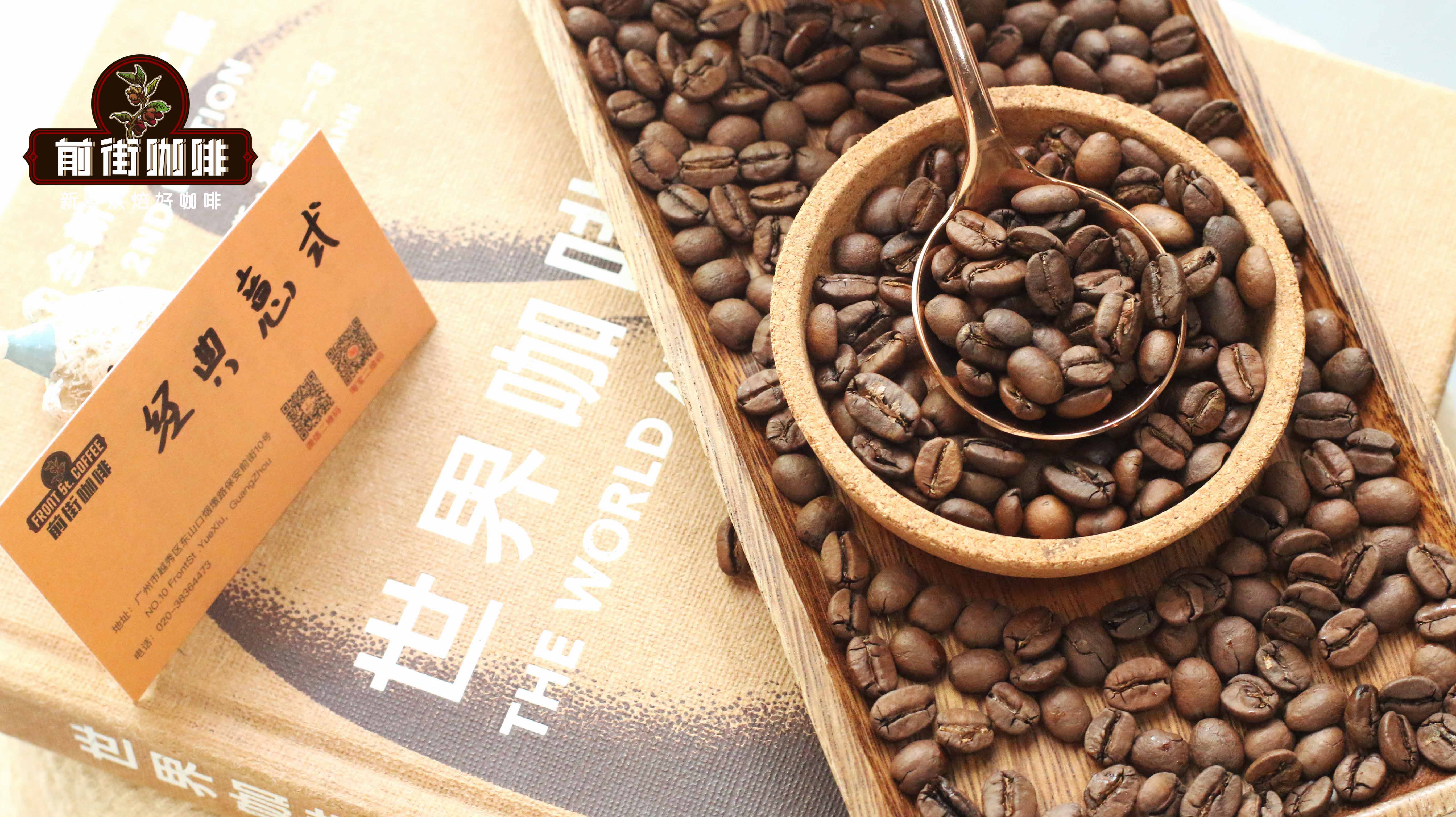
The first one is Front Street Classic Italian-style Blend Coffee Beans. This is an Italian-style blend bean that can easily extract rich crema. Brewed in a moka pot, it shows obvious aromas of chocolate cookies, cream, maltose, and toasted bread, with a very good body, suitable for making americano or latte.
The second one is the Italian-style coffee bean recommended by many baristas—Front Street Dark Cocoa Blend Coffee Beans. This bean uses a medium-dark roast and is blended from Yunnan small-bean coffee and Brazilian Red Bourbon. Affordable and tasty is its most prominent advantage. The caramel notes and nutty sweetness are very obvious, and it performs very well whether used to make moka pot americano for drinking directly or made into a milk coffee.
The third one is Front Street Strawberry Candy Italian-style Blend Coffee Beans. This recipe is composed of three major producing regions: Costa Rica, Ethiopia, and Colombia. The roast level is medium, and it can be used in both home coffee machines and moka pots. The extracted coffee liquid carries the aroma of roses, strawberry gummies, and dried blueberries, with a moderate sweet-and-sour taste of grapes and citrus, and a finish with almond-like lingering sweetness.
When buying beans for a moka pot, be sure to pay attention to freshness, and it is best to keep the roast date within 10 days. This way, not only can it be within a better peak flavor period, but the coffee’s oils will also be richer, and the rich aromas mentioned above will be easier to extract. It is recommended to choose Front Street Coffee, which has a stable reputation.
Front Street Coffee is a long-established coffee bean roasting brand. Its offline store in Guangzhou specializes in selling coffee beans, and the store has dozens of selected single-origin pour-over beans and Italian-style beans from different producing regions around the world. Front Street Coffee guarantees fresh roasting within 5 days, with stable and excellent quality and very cost-effective prices, and it can ship within 24 hours.
2. The grind size for moka pot coffee
When making moka pot coffee, grind size is a very critical step. If it is ground too coarse, the coffee liquid is likely to spurt out, and the upper lid of the moka pot itself also serves to prevent coffee from spraying out and causing burns. If it is ground too fine, the coffee liquid will not easily pass through the coffee bed and rise up, and the brewed coffee will be burnt and bitter.
The particle size should be controlled at about 0.3 to 0.55 millimeters. To the naked eye, it looks similar to the grind size used for espresso machines, but in fact it will be slightly coarser than that for espresso machines.
3. Coffee-to-water ratio
Friends often ask Front Street how much water to put in a moka pot and how much coffee to add. Actually, this question should not be asked to Front Street, but rather depends on how much water and how much coffee your pot can hold. When foreigners make moka pot coffee, they rarely measure precisely with a scale. Because the lower chamber of the moka pot has a pressure relief valve, as long as the water level does not exceed that valve, it is fine. Usually, you can just pour water directly to below the pressure relief valve. The amount of coffee likewise depends on the capacity of the filter basket. Be sure to fill the filter basket, and there should be no gaps when it is not tamped.
When making moka pot coffee, there is no need to tamp the coffee grounds, which is a relatively big difference from espresso machines.
4. When to turn off the heat
When brewing with a moka pot, the heat should be even, and medium heat is most suitable. When you hear a “woo woo woo” sound, you can open the lid to observe. Once the first drop of coffee liquid spurts out, you can turn off the heat. If you keep using high heat, or wait until the coffee is boiling before turning off the heat, then this cup of coffee will most likely carry a burnt taste.

5. Do you need to open the lid when brewing with a moka pot?
Some friends see people in videos liking to keep the lid open when brewing with a moka pot, but that is actually to show the audience the state of the coffee liquid gushing out. In general, it is also fine not to open it. If you are not sure when to turn off the heat, then you need to open the lid to observe the gushing of the coffee liquid. Of course, if the lid is kept open the whole time, the coffee liquid may splash out and burn your skin.
The above content is compiled by CoffeeHunters, a coffee news website.


