







Search Results for: spring dripper
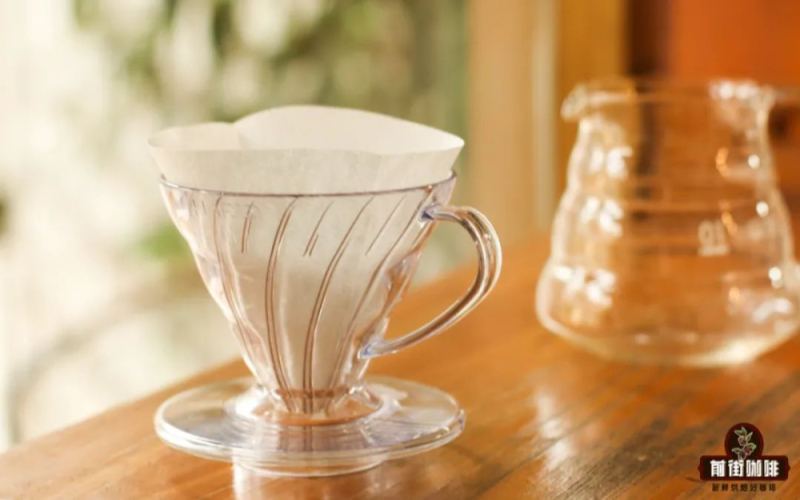
How do you use a wire spring portable dripper? What adjustments are needed for pour-over parameters and technique?
There is a dripper made entirely from a single steel wire, minimalist in function—it only holds the filter paper up and barely interferes with the flow of water. It is stretchable and compressible, lightweight and portable after collapsing, and affordably priced, but it tilts to one side when placed on a server. When brewing coffee with it, how does the flavor differ from that of regular drippers like the V60? Front Street conducted a comparative brew using Colombia·Frontera Geisha: 15g of coffee, a 1:15 coffee-to-water ratio, 92°C water, Ek43 setting 10, and a three-pour method. The total time was 2 minutes 50 seconds, the flow rate was noticeably slow, and the taste was bitter with some muddiness and a thin body. The problem is not the dripper itself, but that the parameters and technique need to be re-matched. [more…]
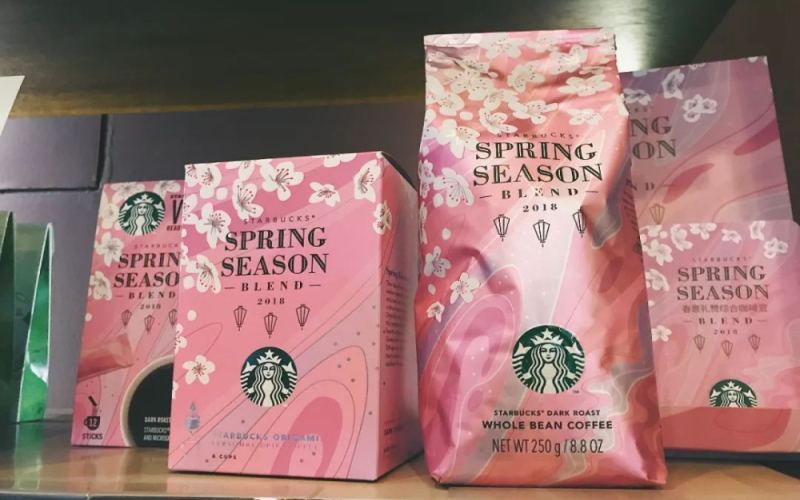
Starbucks Spring Day Blend Coffee Beans: From the Cherry Blossom Meaning on the Packaging to the Flavors of Four Origins and Brewing Suggestions
Starbucks' annually spring-limited Spring Blend whole bean coffee is a medium-roast coffee that blends the characteristics of four producing regions. This article begins with the evolution of its packaging design—from elaborate cherry blossoms to simple pale pink—then delves into the flavor contributions of Colombia, Sumatra, Papua New Guinea, and Ethiopia, and finally offers practical brewing parameters for grind size and water temperature. For coffee lovers who enjoy exploring the layered complexity of blends, this coffee offers both a springtime image and solid performance in the cup. [more…]
Pour-over Coffee Tutorial and Equipment Recommendations | How Can Coffee Beginners Learn the Three-Pour Technique for Pour-over Coffee? What Is the Coffee-to-Water Ratio and Water Temperature for Pour-over Coffee?
Nowadays, more and more people are beginning to enjoy the pleasure of pour-over coffee, but are some steps unfamiliar, or are some key points still difficult to master? In this article, Front Street Coffee (FrontStreet Coffee) will share some tips about pour-over coffee~ Pour-over coffee is a type that requires the use of [more…]
A Complete Guide to the Three-Pour Method for Hand-Drip Coffee: Key V60 Dripper Techniques and Parameter Details
To brew a pour-over coffee with clear flavors and rich layers, mastering the segmented pouring technique is key. Using Front Street Coffee's store output as an example, this article systematically covers the complete pour-over process—from equipment preparation, water quality selection, grind size, and water temperature control to the coffee-to-water ratio—and breaks down each step of the three-stage pouring method for the V60 dripper in detail. It also uses a Panama Boquete washed Geisha as a demonstration, presenting the entire process from blooming to the completion of dripping, helping enthusiasts understand how to adjust pouring rhythm and technique to fully bring out the floral and fruity characteristics of the coffee beans themselves. [more…]

Hand Grinder vs. Electric Grinder Performance Test: How Big Is the Flavor Gap Between Drip Bags and Pour-Over?
What exactly is the difference between pour-over and drip bags? This article starts from a real brewing experience during a Spring Festival trip back home, comparing the grinding performance of hand grinders and electric grinders, and analyzing the impact of pre-ground versus freshly ground coffee on flavor details. Using mid-range setups such as the Hario V60 and Kono filter papers as references, the author documents the specific situation in which fine particle accumulation led to slow drainage and thin flavor, and shares the solution proposed by Front Street. Ultimately, due to time and equipment limitations, the author turned to a county-town café and used an EK grinder to make drip bags. The article fully presents the logic of trade-offs from pour-over to drip bags, and also points out a simple truth: if you have never used better equipment, what you have now is the best. [more…]
Beginner's Guide to Pour-Over Coffee: A Detailed Look at Equipment Selection, Coffee-to-Water Ratio, and Three-Stage Pouring Techniques
Want to brew a delicious pour-over coffee at home but don't know where to start? Drawing on the production experience of Front Street Coffee, this article systematically lays out all the equipment and ingredient selection points needed for pour-over, including how to judge coffee bean freshness, grind size references for grinders, water quality selection, and recommendations for drippers and pour-over kettles. It also explains in detail the coffee-to-water ratio, water temperature range, and the specific operation of three-stage pouring, and uses a Panama Boquete washed Geisha as an example to fully demonstrate each step from blooming to the end of dripping, helping beginners quickly build a pour-over framework. [more…]
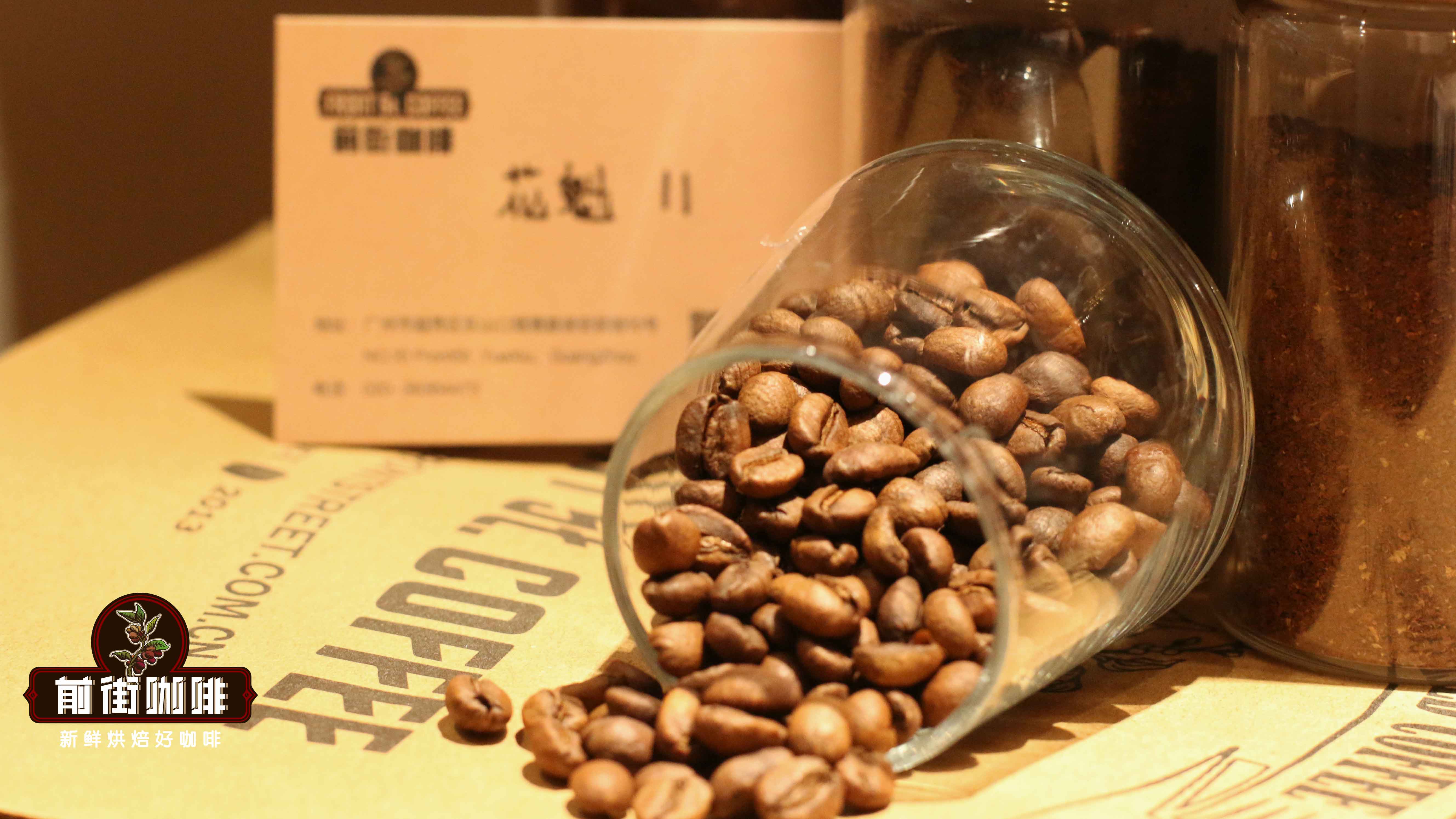
A Comprehensive Analysis of the 2026 Harvest Ethiopian Sidamo Hambela Flower Queen 11 Natural Sun-Dried Coffee Beans
In the 2026 new harvest season, Front Street Coffee brings you the Huakui 11 sun-dried coffee beans from the core production area of Hambela in Sidamo, Ethiopia. This micro-lot comes from the Goro baessa spring water treatment station at an altitude of 2,280 meters, using only fully red cherries, which are sun-dried only when the sugar content is above 21, and undergo 21 days of low-temperature fermentation, presenting rich floral aromas, red wine, and tropical fruits, with high sweetness and a bright, juicy mouthfeel. This article provides a detailed introduction to the origin of the name Huakui, the processing technique, green bean characteristics, and pour-over parameters, giving you a comprehensive understanding of this champion-level sun-dried coffee. [more…]
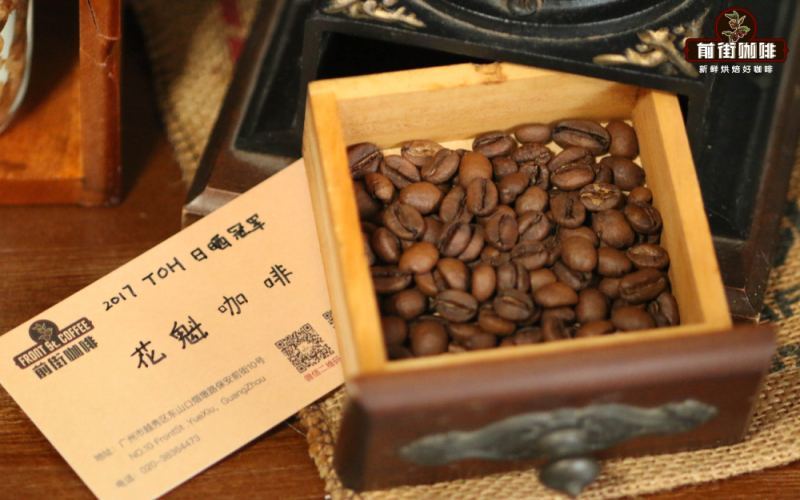
From TOH Champion to Huakui 6.0: A Complete Analysis of Ethiopian Sidamo Hambela Natural Coffee
Huakui, a name well-known in specialty coffee circles, originates from a sun-dried lot from Hambela in Ethiopia's Guji region. In 2017, it made a stunning debut as the TOH champion, and has since been iterated year by year, progressing from Huakui 2.0 all the way to today's 6.0. This article will walk you through Huakui's complete origin background, award history, processing methods, green bean characteristics, roasting curves, and brewing parameters, while preserving Front Street Coffee's experience shared from actual cupping and service. Whether you are a beginner just getting to know African beans or a seasoned enthusiast passionate about sun-dried flavors, you will gain a systematic understanding and practical reference about this bean. [more…]
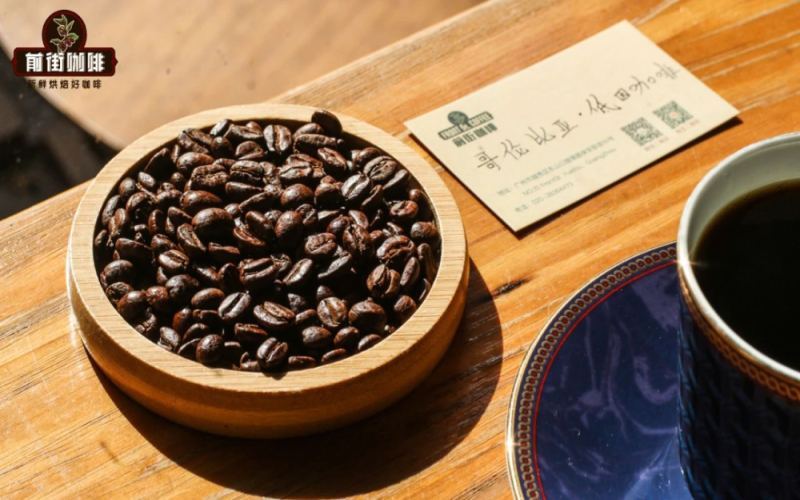
A Comprehensive Analysis of Decaf Coffee: Swiss Water Process and Flavor Characteristics of Colombia Huila Region
For those who love coffee but are sensitive to caffeine, decaf coffee offers a solution that balances flavor and health. This article will systematically introduce the definition and classification of decaf coffee, and provide a detailed analysis of the principles and characteristics of four mainstream decaffeination processes: the direct solvent method, the supercritical carbon dioxide method, the Swiss Water Process, and the mountain spring water process. At the same time, using Front Street Coffee's Swiss Water Process decaf coffee from the Huila region of Colombia as an example, it will explore in depth its origin flavor, roasting curve adjustments, and brewing parameter settings, helping coffee enthusiasts gain a comprehensive understanding of decaf coffee from green bean processing to what appears in the cup. [more…]
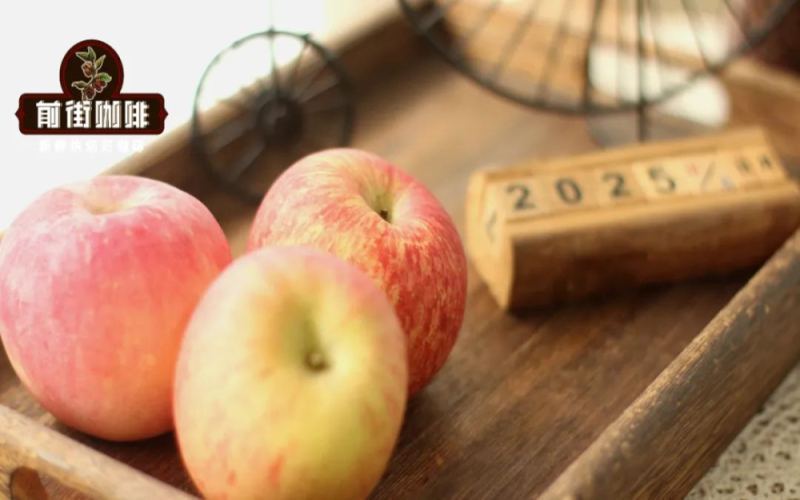
Apple Sailor Pour-Over Coffee Practical Guide: Complete Parameters and Flavor Comparison from Bean Selection to Four-Pour Technique
Using apple-infused water instead of regular drinking water to brew coffee has recently attracted considerable attention in the coffee community. Front Street Coffee conducted multiple rounds of hands-on testing on this, breaking down the feasibility and flavor performance of this approach step by step—from bean selection and apple water boiling time to pouring technique. This article provides a complete record of Front Street's brewing process and tasting results using three beans: Sidamo Santa Vini, washed Yirgacheffe, and Panama Geisha, along with a comparison against versions brewed with Nongfu Spring water, analyzing the effect of apple water's mild acidity on coffee flavor extraction, offering coffee enthusiasts a reproducible operational reference. [more…]

Coffee Brewing Water Blending, Paragon Ice Ball, and Tasting Cup Stacking Effect Test: Front Street Coffee Huakui Blind Test Comparison
When brewing coffee, water quality, cooling methods, and tasting cup types are often treated as independent variables, but can combining all three lead to more significant sensory improvements? Front Street Coffee designed a controlled experiment using Huakui beans as samples: one group used regular mountain spring water, no ice ball, and a standard espresso cup, while the other used a custom water concentrate, a Paragon ice ball, and an aromatic tasting cup, with completely identical brewing parameters. Through concentration measurements and blind tasting, the actual contributions of these tools at different stages were verified. This article documents in detail the TDS control of the custom water concentrate, the cooling mechanism of the Paragon ice ball, and the aroma-concentrating effect of the tasting cup, and invited colleagues and customers to participate in a blind selection. The final results were highly consistent, providing coffee enthusiasts with a reproducible reference for combined techniques. [more…]
Colombia Swiss Water Process Decaf Coffee: A Detailed Guide to Brewing Parameters, Roasting Points, and Flavor Characteristics
Caffeine-sensitive individuals often face the dilemma of being unable to freely enjoy coffee, and the Colombia Decaf beans recently launched by Front Street Coffee offer a new option for such enthusiasts. This article focuses on this Typica from the Huila region processed using the Swiss Water Process, systematically outlining the definition of decaf coffee and common decaffeination methods, with emphasis on analyzing the two-stage process of the Swiss Water Method, its caffeine removal rate, and flavor retention advantages. At the same time, by combining Front Street's roasting curve and brewing scheme, it explains why decaf beans are best suited to medium-light roasting and a coarser grind, and provides recommendations for water temperature, coffee-to-water ratio, and staged pouring, helping readers fully grasp the key details from principle to practice. [more…]

Colombian Coffee Regions | Is Colombian washed Huila coffee suitable for pour-over coffee beginners? What are the flavor characteristics of Colombian washed coffee?
When Front Street recommends coffee beans for beginners just getting into pour-over coffee, they always put the washed Colombian Huila beans first, because compared with the bright acidity of Yirgacheffe beans or the higher body of Mandheling beans, Colombian beans really are extremely [more…]

How to Brew Coffee at Home Without a Dripper, Filter Paper, or Pour-Over Kettle? A Complete Guide to Four Simple Alternatives
Returning home for the Spring Festival, your coffee craving kicks in, only to find you didn't bring a dripper, your filter papers are used up, and your pour-over kettle is nowhere to be found? Don't worry—as long as you have ground coffee and hot water on hand, you can still brew a delicious cup. This article rounds up four simple brewing methods you can do at home: propping a filter paper up with chopsticks, steeping in a teapot, boiling directly in a pot, and an immersion method mimicking cupping. Each method comes with detailed parameters and step-by-step instructions, and using Front Street. Hamashiu natural beans as an example, it walks through the flavor results of each approach one by one, helping you get a satisfying cup even when you're short on gear. [more…]
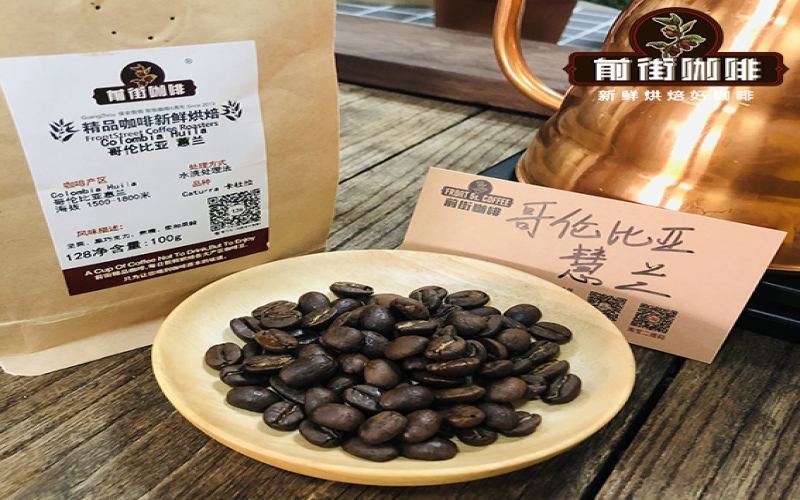
A Detailed Guide to Pour-Over Coffee Extraction Parameters: Flavor Characteristics and Brewing Tips for Colombian Huila Washed Beans
For friends who are just getting into pour-over coffee, choosing a bean with a friendly flavor and balanced performance is often more important than pursuing extreme individuality. The washed coffee beans from Colombia's Huila region are exactly such a "gentle guide"—clean, soft, and with prominent sweetness, they won't catch you off guard with bright acidity like Yirgacheffe, nor are they as heavy and intense as Mandheling. This article, from the recommendation perspective of Front Street Coffee, systematically sorts out the terroir conditions of the Huila region, its variety composition, the washed processing technique, as well as Front Street's roasting approach and complete pour-over extraction plan for this everyday bean, helping enthusiasts understand the flavor logic of a Colombian coffee from origin to cup. [more…]
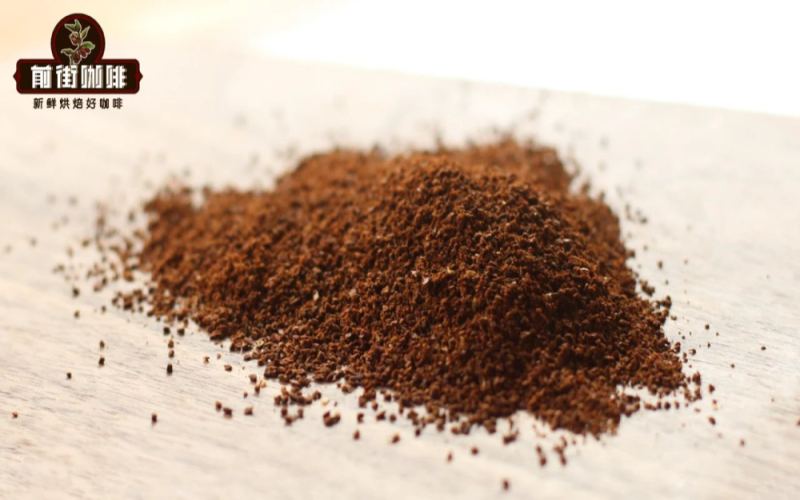
Colombia Flower Moon Night and Rose Valley Coffee Bean Flavor Analysis and Detailed Explanation of Anaerobic Processing
Colombia is located in the northwest of South America, with a mild, spring-like climate that provides a superior growing environment for coffee trees. The country is an important producer of high-quality coffee worldwide, with beans mostly grown in the high-altitude regions of the Andes Mountains, requiring manual harvesting, and washed processing being relatively common. In recent years, special processing methods such as anaerobic fermentation have gradually become popular, and Front Street Coffee has also launched two representative beans, Rose Valley and Flower Moon Night. This article will compare the differences between these two Colombian coffees from the perspectives of variety, processing method, flavor performance, and brewing parameters, and introduce the characteristics of Front Street Coffee's daily beans such as Huila and Isabella, helping enthusiasts understand the diversity of Colombian coffee more systematically. [more…]
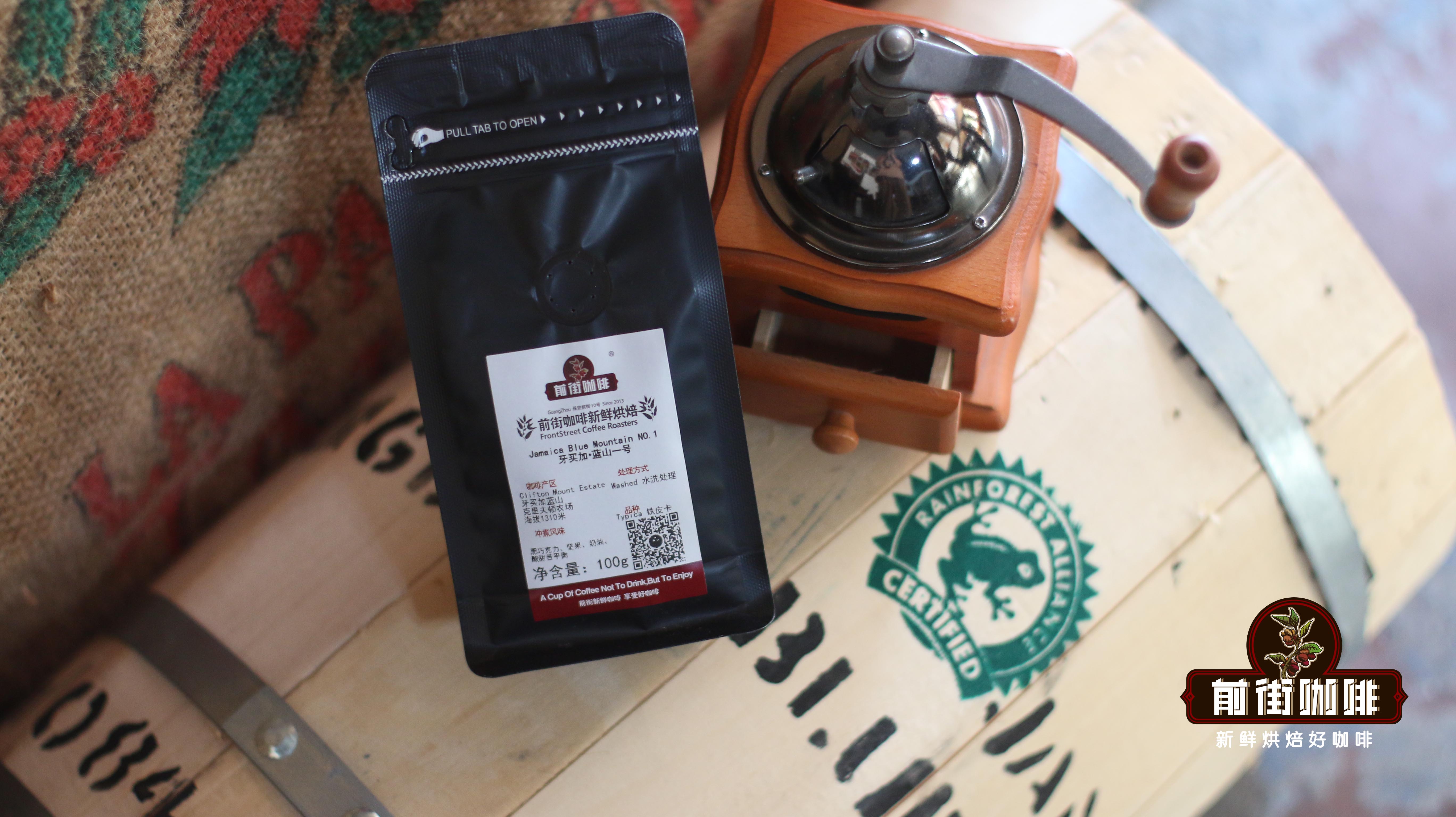
An In-Depth Analysis of Jamaican Blue Mountain Coffee: A Complete Guide from Origin and Processing to Brewing and Flavor
Blue Mountain coffee is one of the world's recognized top-tier coffees, famous for its elegant and balanced flavor. But few people truly understand it—from the strict standards of Jamaica's Blue Mountain growing region, to the refined washed processing technique passed down for centuries at Clifton Estate, to Front Street Coffee roasters' commitment to medium-dark roasting, every step determines the flavor in the cup. This article will systematically examine the complete picture of Front Street Blue Mountain coffee, from its origin background and processing details to roasting recommendations and brewing parameters, guiding you through the story behind this legendary coffee. [more…]
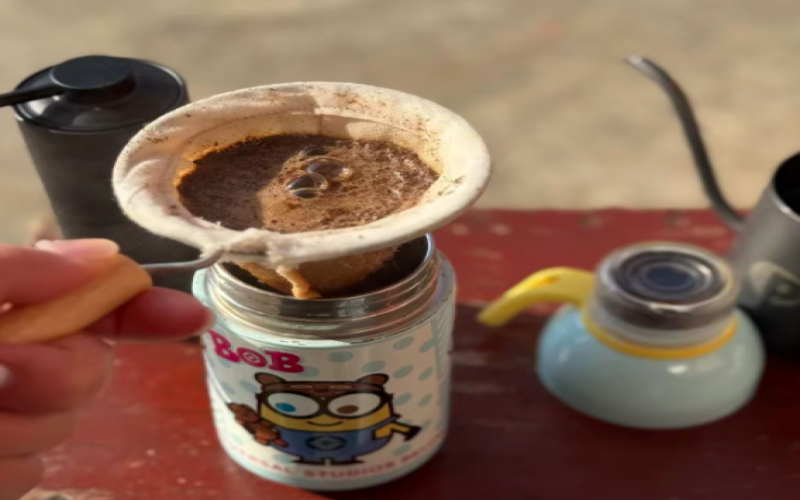
Homecoming Coffee Guide for Chinese New Year: Without Chain Stores or Delivery, How Coffee Lovers Can Make a Cup of Life-Saving Coffee at Home
Returning home for the Spring Festival, for early-risers accustomed to a daily cup of coffee, the biggest challenge may not be snagging a train ticket, but discovering after arriving in the village that no Luckin or Cotti can be found on delivery platforms. Faced with the predicament of no chain brands and no delivery service, coffee lovers each find their own way: some stuff their suitcases full of drip bags and coffee beans in advance, some balance a large pair of scissors on a gas stove to brew with a moka pot, some use a bowl and chopsticks to prop up a drip bag, and some even pour water directly from a thermos. This article compiles various DIY tricks for the coffee-loving city dwellers returning to their hometowns, from tool substitutes to technique adjustments, so you can still enjoy a tasty cup of coffee in the countryside despite limited conditions. [more…]
Yirgacheffe Coffee Flavor and Aroma Analysis: Quality Characteristics of the Gutingding Cooperative and Red Cherry Natural Beans
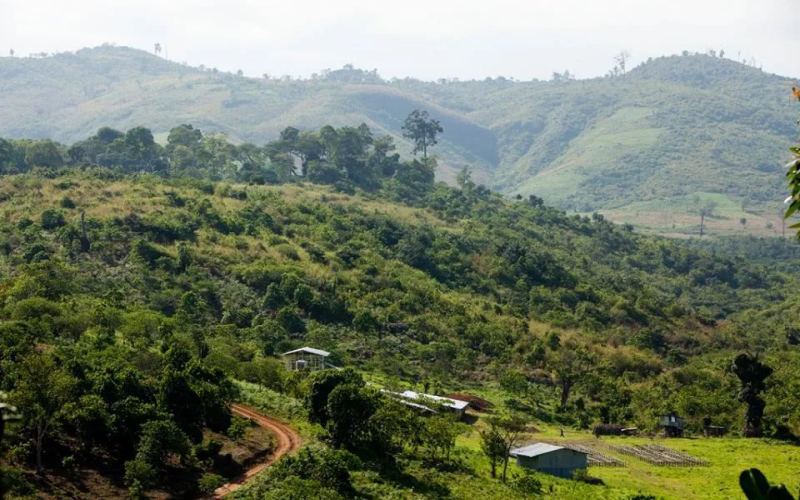
Yirgacheffe is one of Ethiopia's most iconic specialty coffee regions, renowned worldwide for its citrus, jasmine, and berry notes. From the perspective of Front Street Coffee, this article systematically reviews the geographical and historical background of the town of Yirgacheffe, explains in detail the processing methods, cupping flavors, and roasting approaches of two representative coffee beans—the washed Gedingding Cooperative and the natural Red Cherry—and includes complete V60 three-pour brewing parameter recommendations to help coffee enthusiasts gain a comprehensive understanding of this region's unique charm. [more…]
What Is Sicilian Coffee? A Complete Guide to Making Lemon Coffee with Cold Brew, Pour-Over, and Drip Bags
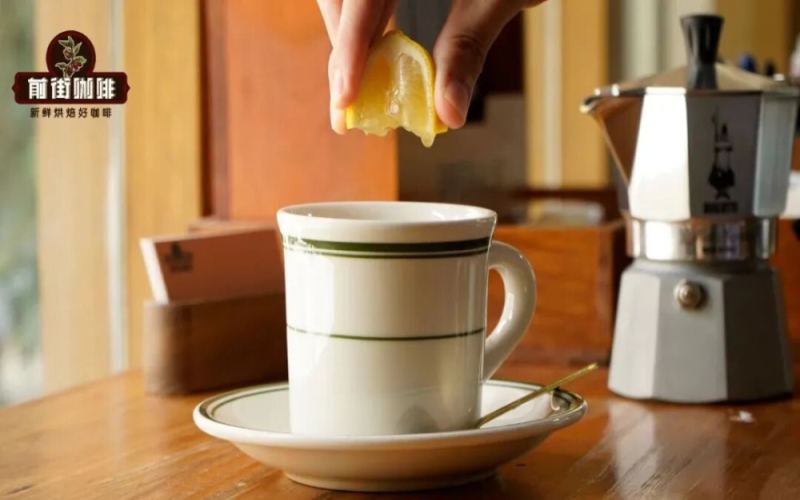
Lemons have always played an important role in Front Street's articles. They not only frequently appear in coffee bean flavor descriptions, but are also a core element of many creative specialty drinks, responsible for bringing fresh aroma and bright acidity. This Spring Festival, Front Street discovered a new pairing of coffee and lemon—Sicilian coffee. This drink has simple ingredients and high playability, with a very prominent lemon aroma. Although the name carries Italian flair, Sicilian coffee does not originate from Sicily, Italy, and there are varying accounts of its origin. This article will introduce the background of Sicilian coffee and share in detail three brewing methods: cold brew, pour-over, and drip bag. The coffee beans used are all from Front Street. Guodingding, allowing you to experience the refreshing charm of the fusion of lemon and coffee. [more…]