







Is Sicilian Coffee Really From Sicily?
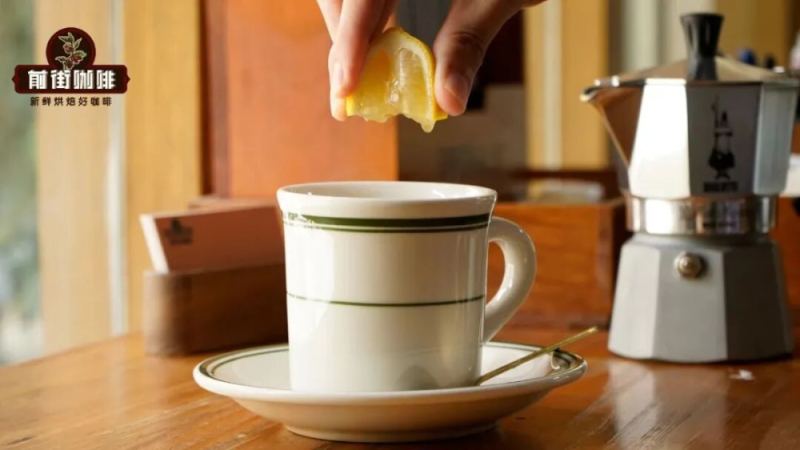
Sicilian coffee is a lemon-and-coffee drink that combines espresso or cold brew with lemon juice, slices, or zest, usually with a little sugar to soften the acidity. Despite the name, it does not come from Sicily. The common origin story places it in early 20th-century Italy, where wartime shortages pushed people to mix lemons into harsh espresso.
Cafes later borrowed the Sicilian name to suggest sunshine, citrus, and sea breeze for iced versions, and it spread among specialty coffee drinkers. Home coffee brewing works three ways: cold brew, pour-over, and drip bag. Each keeps the lemon aroma prominent while letting the coffee's bright acidity carry through.
Lemons have always played an important role in Front Street's articles. They not only frequently appear in coffee bean flavor descriptions, but are also a core element of many creative specialty drinks, responsible for bringing fresh aroma and bright acidity. This Spring Festival, Front Street discovered a new pairing of coffee and lemon—Sicilian coffee. This drink has simple ingredients, high playability, and a very prominent lemon aroma. Although the name carries Italian flair, Sicilian coffee does not originate from the Italian island of Sicily, and there are various accounts of its origin. This article will introduce the background of Sicilian coffee and share in detail three brewing methods: cold brew, pour-over, and drip bag. The coffee beans used all come from Front Street. Fruit Ding Ding, allowing you to experience the refreshing charm of lemon and coffee blended together.
In Front Street's content over recent years, lemons have appeared quite frequently. They are not only often listed in coffee bean flavor descriptions, but also play an important role in many creative specialty coffee drinks, mainly contributing fresh aroma and bright acidity. And this Spring Festival, Front Street discovered a new way to pair coffee with lemon—Sicilian coffee. The required ingredients are not complicated, there is plenty of room for creativity, and the lemon aroma is simply bursting forth. Today let's try making it together.
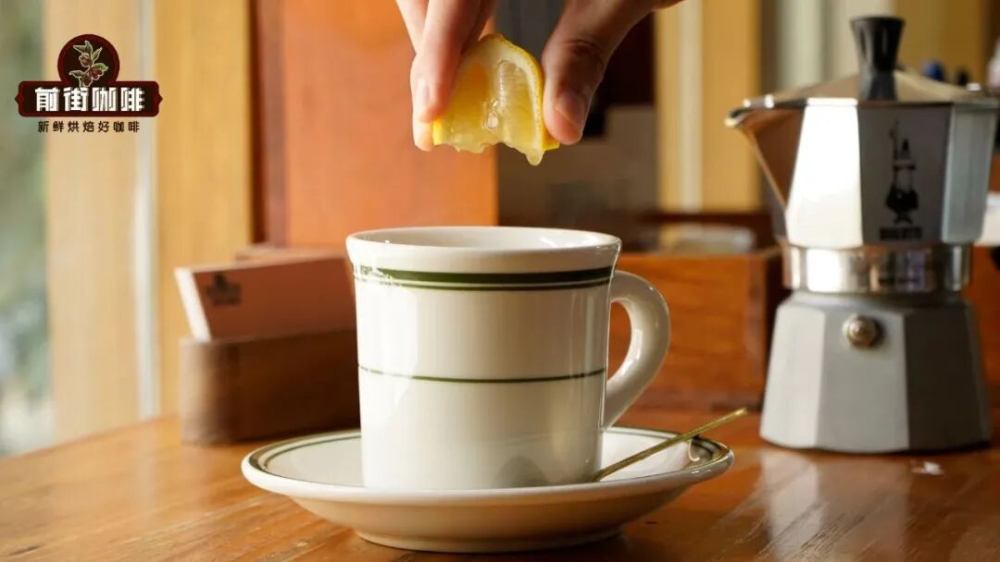
According to Front Street's understanding, the name Sicilian coffee sounds very Italian, but it does not come from the Italian island of Sicily, and there are multiple different accounts of its origin.
One widely circulated account is that Sicilian coffee was born in early 20th-century Italy. At that time, war caused supply shortages, coffee quality declined, and it had a strong irritating taste on the palate. To make coffee easier to drink, Italians mixed lemons commonly found in their homeland with espresso to create a special drink and named it "Espresso Romano."
Later, some café operators, in order to add a selling point, launched an iced coffee different from the original version and borrowed the name of Sicily, hoping to evoke images of sunshine, citrus, and sea breeze, implying that this coffee has a refreshing and bright flavor profile. Today, in more regions, it has attracted coffee enthusiasts to recreate it one after another.
The core feature of Sicilian coffee is the clever combination of coffee and lemon (lemon juice, lemon slices, lemon zest). The traditional method also adds a small amount of sugar to neutralize the acidity of the lemon, making the overall flavor more balanced. There are many choices for the coffee component. In addition to the "Lemon Sparkling Iced Americano" shared by Front Street last year, black coffee extracted by pour-over, cold brew, drip bag, French press, and other methods can also be used.
Complete brewing tutorial for three versions of Sicilian coffee
Iced coffee usually has a more refreshing and understated mouthfeel than hot coffee, while lemon belongs to a bright and elegant style. If you want the two not to overpower each other, it is best to choose light-to-medium roasted coffee beans; if you want coffee to take up a heavier proportion, you should choose a darker type.
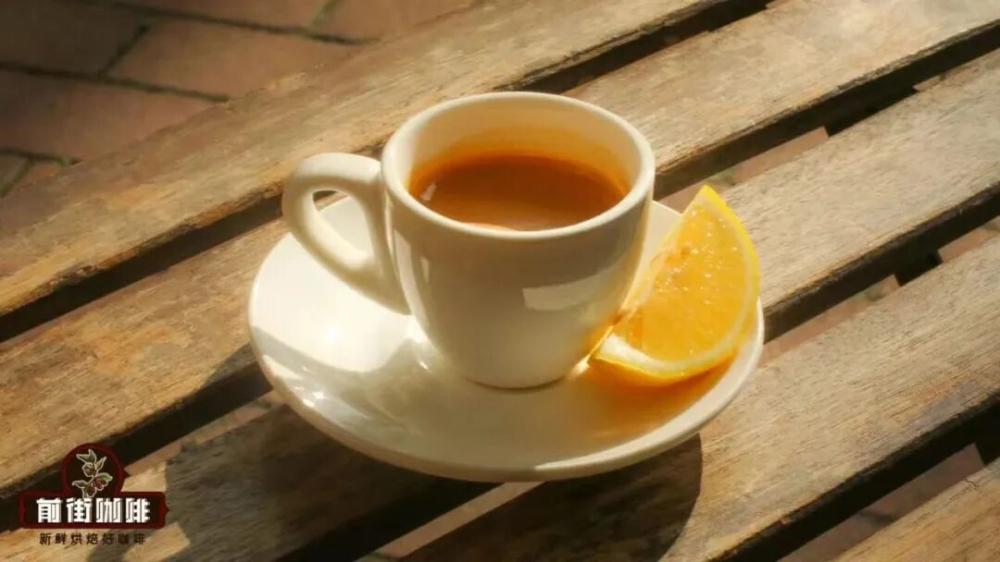
If you prefer obvious floral and fruity notes, you can choose Front Street. Butterfly, Front Street. Kafa Forest; if you like a rich juicy feel, Front Street. Little Tomato and Front Street. Blackberry are suitable; if you like a tea-like feel, you can try Front Street. Yirgacheffe and Front Street. Rwanda Red Bourbon as the base; if you do not accept sourness, Front Street. Front Street PWN Golden Mandheling should be more suitable. Ultimately, personal taste should be the standard.
Here, Front Street. Fruit Ding Ding is chosen for its abundant lemon aroma. It not only has the classic Yirgacheffe flavor, but its fine washed processing and high grade also make its white floral, citrus, and oolong tea flavors clearer.
Cold Brew Version—Sicilian Coffee
1. Prepare 30g Front Street. Fruit Ding Ding coffee beans. This is for two cups; adjust as needed. Grind to fine sugar particle size (EK43s setting 9.5 / C40 grinder setting 22)
2. Pour the coffee grounds into a cold brew pot (a clean sealable container), add 360ml room-temperature water at a ratio of 1:12, stir evenly, seal, and refrigerate for 8–12 hours
3. Use filter paper to filter out the coffee grounds. Prepare a glass, add 80g ice cubes, squeeze 15ml lemon juice over the ice, then pour in 150ml cold brew and 10–15ml original syrup or honey
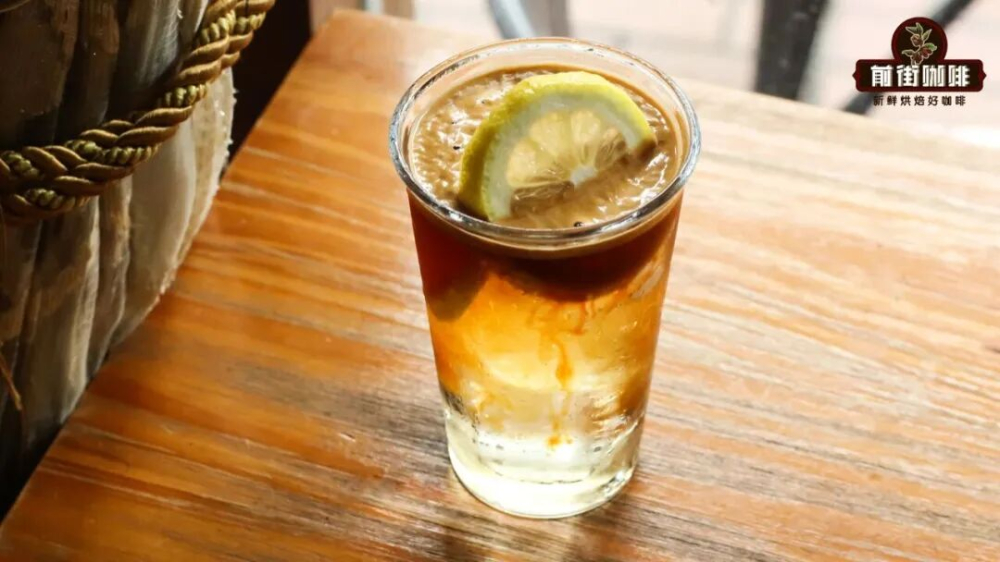
4. Finally, stir the three together thoroughly and it is ready to taste. If you have a shaker, you can also pour all the ingredients into it and shake, then strain out the foam. The lemon cold brew made this way will have better integration.
Pour-Over Version—Sicilian Coffee
Dose: 15g
Coffee-to-water ratio: 1:10
Ice: 75g
Grind size: EK43s setting 9.0 / C40 grinder setting 22
Water temperature: 85–87°C
Pouring method: three-stage (30ml + 60ml + 60ml)
1. Prepare a sharing pot or coffee cup, add 75g ice cubes, then cut 3 slices of fresh lemon and lay them on the surface. If possible, you can use two different kinds of lemons to add layers of aroma
2. Place the dripper and filter paper on the sharing pot, weigh 15g Front Street. Fruit Ding Ding coffee beans, grind them into powder, and pour in. Note that it is best to make the particles slightly finer than usual for iced pour-over, then sprinkle 3g white sugar over the coffee grounds
3. To prevent the release of bitterness from the lemon, the brewing water temperature should not be too high. Front Street uses 86°C for extraction
4. Pour 30ml in the first stage to ensure all coffee grounds are moistened, pour 60ml in the second stage in a circular motion with a small stream, and pour the remaining 60ml in the third stage at a fixed center point. Finish pouring at 1 minute 25 seconds, and the entire brewing process is 1 minute 40–50 seconds. After the coffee liquid has completely cooled, remove the lemon slices to prevent bitterness from soaking too long.
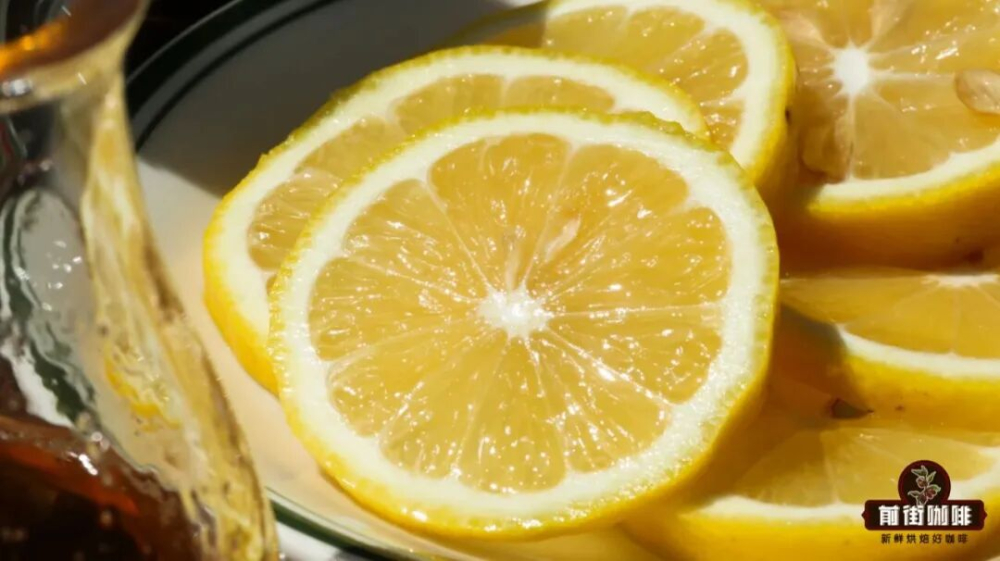
In the pour-over version of Sicilian coffee, the slightly sour taste carries a fresh lemon aroma. It is not only a summer drink, but also very suitable for cutting greasiness after a meal. It is a cup of refreshing coffee full of sweet-and-sour flavor.
Drip Bag Version—Sicilian Coffee
1. Prepare a coffee cup, add 50g ice cubes, and place one slice of fresh lemon
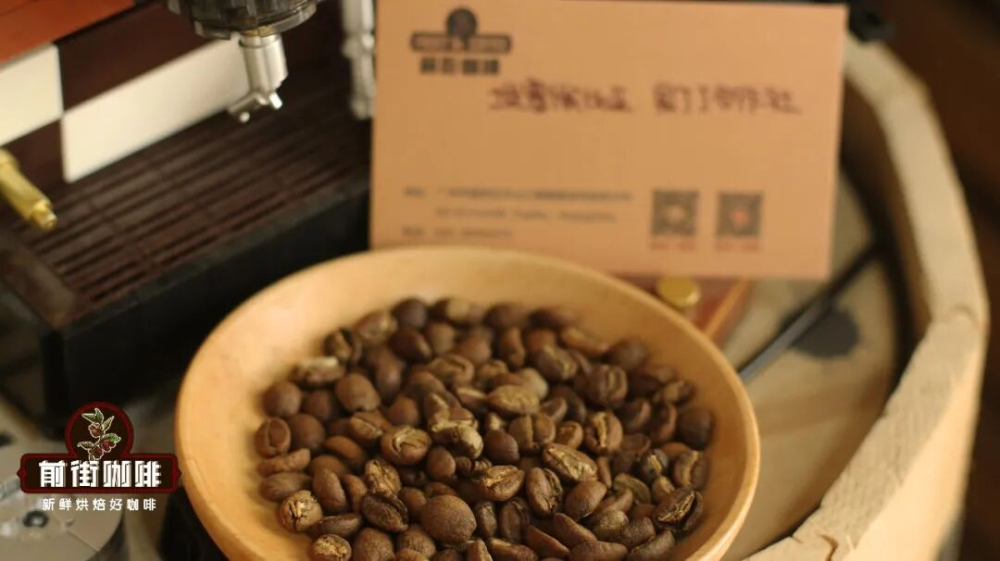
2. Prepare hot water. There is not much requirement for temperature, as long as it is not lower than 85°C. You can boil it and wait 2 minutes with the lid open
3. Tear open the drip bag (each bag contains 10g Front Street. Fruit Ding Ding coffee grounds), and sprinkle 1g white sugar into the filter bag
4. For the first pour, fill half of the filter bag. After it has fully penetrated, begin pouring the second stage in a small stream until it is close to nine-tenths full. After the coffee liquid has flowed through, repeat the same operation for the final pour, then wait for extraction to finish.
Finally, use a straw to stir the coffee liquid evenly. Wait until it cools to an icy state, then remove the lemon slice and start drinking.
The above content is compiled by CoffeeHunters, a coffee news website.


