







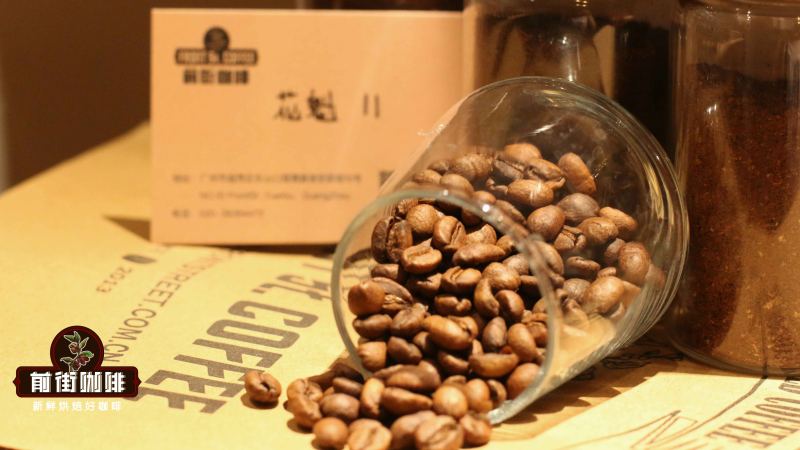
What Coffee Species Name Is Behind Hualui 11?
Hualui 11 is a natural-processed Ethiopian coffee from the Hambela area of Sidama, grown at roughly 2,280 meters and sold as the 2026 new harvest. It uses the Heirloom variety, Ethiopia's local native coffee species, and is graded G1. Only fully red cherries with sugar content above 21 are selected, then fermented at low temperature for 21 days.
The flavor shows floral notes, red wine, and tropical fruit with high sweetness and a juicy mouthfeel. The name Hualui comes from a 2017 win at the Taste of Harvest competition held by the African Coffee Association. Natural processing on African raised beds, plus Hambela's high altitude, shapes the profile buyers should expect from this micro-lot.
In the 2026 new harvest season, Front Street Coffee brings you the Hualui 11 natural coffee beans from the core production area of Hambella in Sidama, Ethiopia. This micro-lot comes from the Goro baessa mountain spring processing station at an altitude of 2280 meters. Only fully red cherries with a sugar content above 21 are selected for natural processing. After 21 days of low-temperature fermentation, the flavor presents rich floral notes, red wine, and tropical fruits, with high sweetness and a bright, juicy mouthfeel. This article provides a detailed introduction to the origin of the name Hualui, the processing method, green bean characteristics, and pour-over parameters, giving you a comprehensive understanding of this champion-level natural coffee.
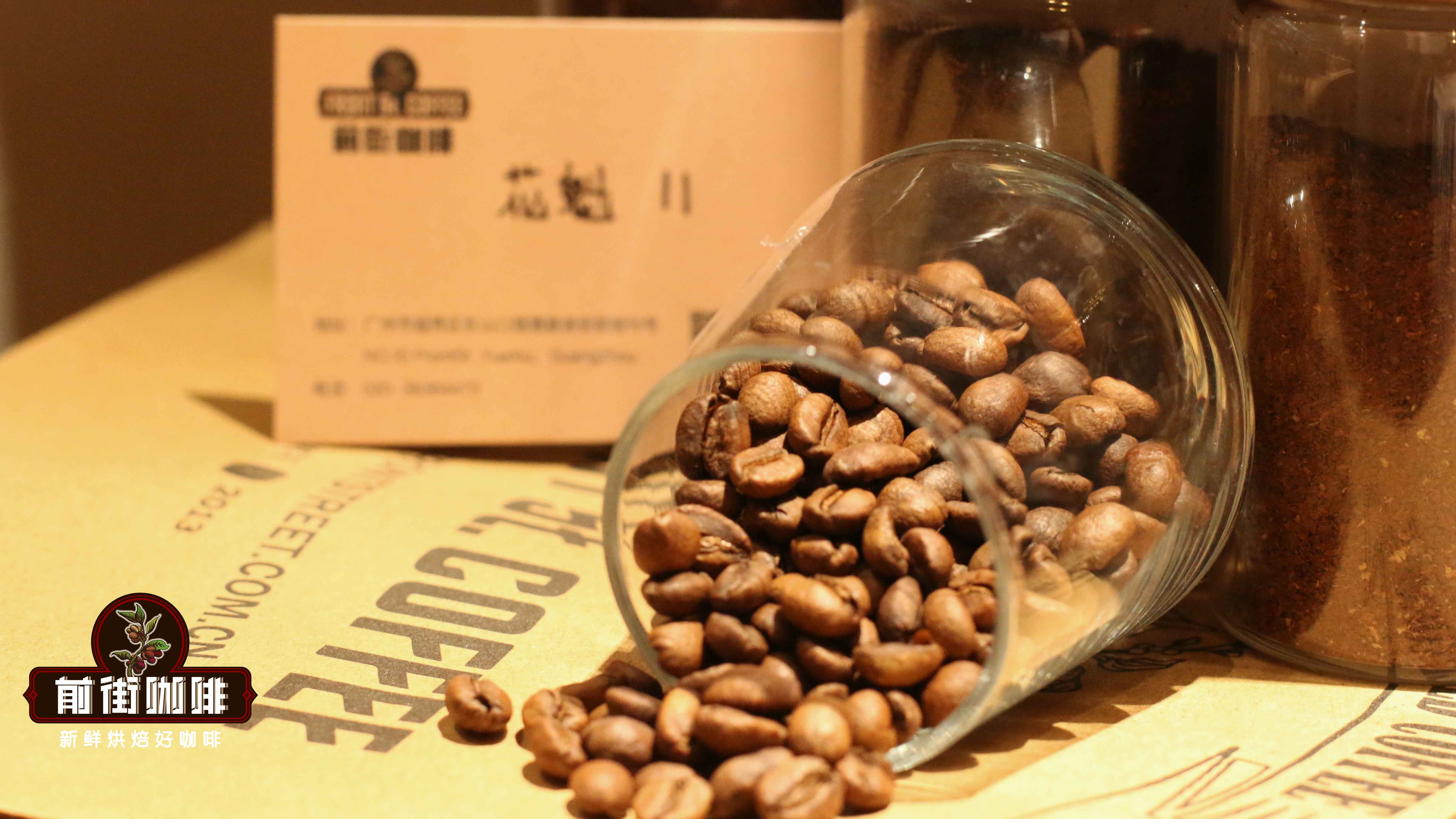
Ethiopian Sidamo Shakisso Natural
Front Street Ethiopia Natural Hualui 11 Coffee Beans
Product Name: Ethiopia Natural Sidama G1 Hualui
Ethiopian Sidamo Shakisso Natural
Coffee Producing Country: Africa, Ethiopia
Coffee Estate: Guji, Hambella Wamena, buku abel
Coffee Variety: Heirloom (local Ethiopian native species)
Production Altitude: 2250-2350M
Quality Grade: G1
Processing Method: Natural (African raised beds)
What is the origin of the name Hualui?
In 2017, the Ethiopian DW green bean company submitted its product to the TOH (the Taste of Harvest) competition organized by the African Coffee Association, and its natural batch won the Ethiopian TOH championship. This batch of green beans was named "Hualui" in recognition of its champion status.
Front Street Hualui comes from Hambella, which is located in Guji (GUJI), the largest coffee-producing region in Ethiopia, and administratively belongs to the Oromia Region. To the west, Hambella faces Yirgacheffe Kochore across the mountains, and to the southeast and north it borders the Guji sub-regions of Shakiso, Uraga, and Kercha respectively. It is the highest-altitude coffee sub-region in Ethiopia (Harrar is the highest-altitude main producing region in Ethiopia).
Awards
2016/2017 Harvest Season Ethiopia National Taste of Harvest Competition Champion
2017 Regional Africa Taste of Harvest Competition Runner-up
Front Street Coffee has newly arrived with the 2026 new harvest season Ethiopian Hualui 11, from the core production area of Hambella, a micro-lot from the mountain spring processing station.
Currently, there are nearly 20 processing stations of various scales in the Hambella production area. The GUJI Hambella production area has also established four natural processing stations, and in the 17/18 harvest season, a series of natural processing method studies were conducted using the region's high-quality coffee varieties. The four estate processing stations in the Hambella core production area are the "Dire" church processing station, the "mansa" mountain pond processing station, the "Bobea" red flag processing station, and the "Goro baessa" mountain spring processing station. Goro baessa is a small village at an altitude of 2280 meters surrounded by mountains. Every December is its coffee harvest season, and at this time, the mountains are full of bright red ripe coffee cherries, neatly arranged on African raised drying beds in the village. This is where "Hualui" is processed.
02 | Processing Method
Most coffee estates in Ethiopia are still in their native state, and local coffee farmers only go into the mountains to pick when the time comes. With red-brown organic soil, average annual rainfall exceeding 1200mm, altitude, and day-night temperature differences, Hualui selects only fully red, fully ripe coffee cherries, all hand-picked. Dried on African raised beds, with limited fruit layer thickness and regular turning every 24 hours without interruption, low-temperature fermentation occurs under the estate's uniquely favorable natural environment.
During the harvest and processing season (December-January), its unique growing environment and natural climate create the distinctive flavor of Hualui. The red cherries we pick must reach a sugar content above 30 before natural processing begins. In the first two days of natural processing, the humidity of the red cherries must be maintained so that the fruit sugars fully begin the fermentation reaction. At the same time, the high-altitude geographical location allows the nighttime temperature at the processing station to drop to around 12 degrees Celsius, without producing overly fermented odors due to excessively high temperatures. When the midday temperature is relatively high, we provide timely shading to prevent the red cherries from sunburn.
For Hualui processed naturally, the red cherries must reach a sugar content above 21 before natural processing begins, so the sweetness is quite high. Combined with 21 days of low-temperature fermentation (typical natural processing lasts just over ten days), this ensures even drying and ventilation, and more precise control of the fermentation degree.
The Front Street new harvest season Hualui 11 has more consistent bean shape and is processed more cleanly. Through cupping evaluation, this year's "Hualui" has a rich and alluring floral aroma, mellow red wine and tropical fruit flavors, and additionally more bright, juicy acidity and sweetness.
The entire processing technique is simply more refined management under the guidance of scientific measuring instruments, without any "tradition-breaking" improved techniques. The red cherries must reach a sugar content above 21 before natural processing begins, so the sweetness is quite high.
At night, to prevent sudden rainfall, thick plastic sheeting is used for wrapping. This allows the red cherries to ferment and dehydrate at a relatively low temperature. After 18 days of natural processing, when the moisture content of the green coffee beans drops to around 13%, natural processing is stopped. They are packed into jute bags and placed in a warehouse under natural conditions of 12-22 degrees Celsius and 40-50% humidity for about 50 days of green bean resting and further dehydration.
03 | Green Bean Analysis
The variety is a local native species, a small-bean type, relatively round in appearance, with a very small bean body, mostly between 14-15 screen size, somewhat smaller than Longberry, yellowish-green in color. There is considerable variation in bean size.
04 | Brewing Analysis
As for the brewing method, pour-over and siphon are the best. When grinding Front Street Hualui 11, you can already smell the striking natural fruity aroma, with obvious sweetness.
A delicious cup of coffee is nothing more than a balance of acidity, sweetness, and bitterness, along with a smooth mouthfeel. The design of the dripper is meant to present these characteristics of coffee. However, the style of coffee presented by different drippers is also different.
Front Street chose a resin V60 dripper to give the coffee richer acidity changes from hot to cold, making this cup more refined. The resin material can enhance aroma intensity.
[About Grind Size]
For light roast, we use a medium-fine grind. The coarseness of the coffee grind directly affects the extraction time and extraction yield. The finer the coffee is ground, the denser the coffee bed, with more coffee particles in contact with hot water, greater extraction resistance, and it becomes easier to prolong extraction time and raise the extraction yield, but over-extraction easily occurs.
Conversely, the coarser the coffee is ground, the larger the gaps in the coffee bed, with fewer coffee particles in contact with hot water, weaker extraction resistance, and it becomes harder to prolong extraction time, lowering the extraction yield, and under-extraction easily occurs. Therefore, the finer the coffee is ground, the more extraction time is prolonged and the extraction yield is raised; the finer the coffee is ground, the more extraction time is shortened and the extraction yield is lowered.
Dripper: Hario v60 transparent resin
Setting: Fine grind
Water Temperature: 91~93℃
Pour in 25g of water for a 30-second bloom, then when the water reaches 120g begin staged pouring, and finish brewing at 226g.
Total Time: 2 minutes 05 seconds
It smells of distinct melon aroma and strawberry jam; on the palate it has a soft acidity like jackfruit,
In the middle section, strawberry berry flavors emerge, along with some sugarcane sweetness in the finish, with fairly rich layers.
Related Recommendations: Introduction to several distinctive varieties from the Ethiopian YCFCU cooperative, with flavor descriptions
The above content is compiled by CoffeeHunters, a coffee news website.


