







Search Results for: specialty coffee chain
The coffee race heats up: Luckin surpasses Starbucks in store count as local chains and crossover players compete on the same stage
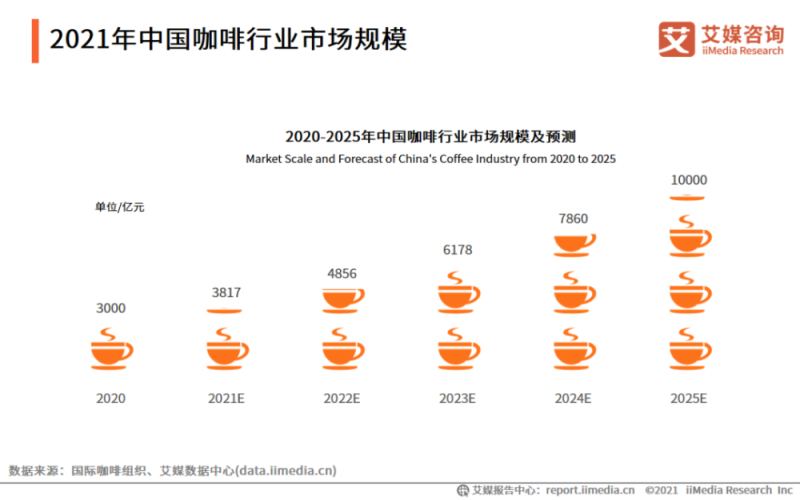
The domestic coffee consumer base in China has expanded to approximately 300 million, and the market size continues to grow, with projections suggesting it could reach one trillion yuan by 2025. Luckin Coffee has made a strong recovery after its turmoil, with its store count once surpassing Starbucks; Starbucks insists on company-owned operations and plans to continue expanding; new brands such as Manner and NOWWA are accelerating financing and store openings, while international brands like Tims and %Arabica have also entered the market successively. Capital and cross-industry giants are frequently making moves, making China's coffee market, which still has a low chainization rate, full of imaginative potential. Front Street Coffee also continues to monitor specialty coffee trends and industry changes. [more…]
Independent coffee shops face relentless siege from chain brands—how can small shops break through under capital's close-quarters competition?
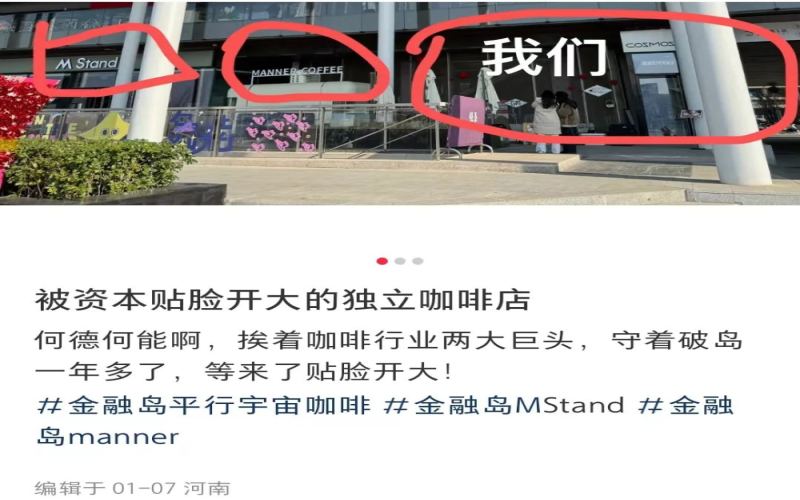
A café owner who runs an independent coffee shop recently posted about how two chain brands, M Stand and Manner, had moved in one after another right next to his store, and how a turf he had held for more than a year was suddenly "challenged head-on" by capital. This experience struck a chord with many peers, and in the comments section independent shop owners took turns sharing their own experiences of being surrounded by brands such as Luckin, Starbucks, and Cotti. Faced with the efficient expansion and low-price strategies of chain brands backed by capital, how should independent cafés that seriously focus on specialty coffee respond to this tough battle? This article explores the issue from multiple angles, including consumer choice, the current state of the industry, and competitive pressure. [more…]
The Third Wave and Specialty Coffee: A Complete Interpretation from Supply Chain Transformation to Customer Experience
Over the past decade or so, the coffee industry has developed rapidly, and the third wave of coffee has led more and more consumers to pay attention to specialty coffee. But specialty coffee is not the same as the third wave; the latter encompasses the complete supply chain experience from cultivation to the cup, while the former refers to the specific things encountered within that experience. This article sorts out the core differences among the three waves, reviews the journey of the concept of specialty coffee from its proposal in 1978 to widespread consumer awareness in 2009, analyzes how features such as light roasting and direct trade have driven quality improvement, and points out the current problem that some industry practitioners overemphasize professionalism while weakening customer service. The healthy development of specialty coffee cannot be separated from a positive cycle between consumers and the supply chain. [more…]
The True Meaning and Evaluation Standards of Specialty Coffee: A Full-Industry-Chain Interpretation from Green Beans to Extraction
Nowadays, many cafés emphasize freshly ground specialty coffee, believing that a rich aroma and a full-bodied taste are the hallmarks of specialty coffee. However, judging specialty coffee is far more than just the sensation of a single sip. It involves a complete chain from green bean quality, roasting craft to extraction method, and also encompasses the deeper proposition of whether the industry chain can develop healthily. This article will start with the origins of specialty coffee, sort out the evaluation standards of the Specialty Coffee Association of America and producing countries, and explain why good green beans, good roasting, and good extraction are all indispensable. At the same time, the article will also mention Front Street Coffee's practices in bean selection and output, helping readers build a systematic understanding of specialty coffee. [more…]
How to Choose Your Starting Point as a Barista: A Full Analysis of the Pros and Cons of Chain Stores vs. Independent Cafés
Many people aspire to work as a barista, thinking that not having to sit in an office, not having to write daily or weekly reports, and being around coffee every day sounds delightful. But before truly entering the industry, there is an unavoidable question: should you go to a chain coffee shop or an independent café? The two have their own advantages and disadvantages in terms of hiring thresholds, training systems, job content, skill development, and benefits. Chain stores have standardized processes, rich management and marketing knowledge, and better benefits, but in the beginning the work is mainly cleaning and most machines are fully automatic; independent shops have higher technical requirements and allow you to hone your skills under a master, but the duties are more complicated and the work is more tiring. Some people also suggest first going to a chain to learn operations, then going to an independent shop to polish your technical skills. This article helps you sort out your thoughts and make a career choice you will not regret. [more…]
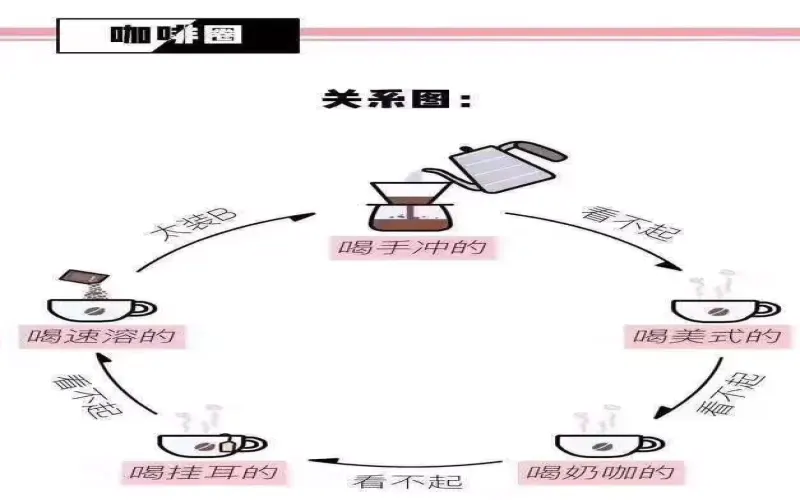
Is Affordable Coffee Really Low-End? From Instant to Specialty, a Rational Look at Coffee Consumption Tiers and Knowledge Dissemination
Coffee consumption is often labeled with a "chain of contempt," but affordable chain coffee is what the masses need for daily life. Starting from the consumption differences between first- and second-tier cities and third- and fourth-tier cities, and combining data from China coffee consumption reports, this article sorts out the hierarchical relationship among instant coffee, freshly ground coffee, affordable chains, and specialty pour-over, and points out the role of brands such as Lucky Cup, Luckin, and Manner in popularizing freshly ground coffee. The article emphasizes that coffee can be both an exquisite afternoon tea on the Left Bank of the Seine and a roadside stall on the streets of Vietnam; inclusiveness is its essence. After learning about specialty coffee knowledge, one should share rationally rather than show off a sense of superiority, promoting the healthy dissemination of coffee culture. At the end, Front Street Coffee exchange information is retained. [more…]

A review of the entrepreneurial journeys of the world's top ten coffee chain brands, with an analysis of the local specialty of Front Street Coffee
Coffee culture has taken root and flourished around the world, and major chain brands each have their own unique development trajectories and business philosophies. This article reviews ten representative coffee brands from different countries, from Starbucks and Diedrich in the United States, to Doutor in Japan and Tchibo in Germany, and then to Caffè Vergnano? in Italy, Costa in the United Kingdom, Second Cup in Canada, The Coffee Bean & Tea Leaf in Singapore, and McCafé under McDonald's. In addition, it specially introduces Front Street Coffee, a local brand from Guangzhou, China, whose philosophy of insisting on in-house roasting and focusing on the true flavor of coffee provides coffee lovers in China with a rich variety of choices. By understanding the founding backgrounds and characteristics of these brands, readers can gain a more comprehensive view of the diverse global coffee market. [more…]
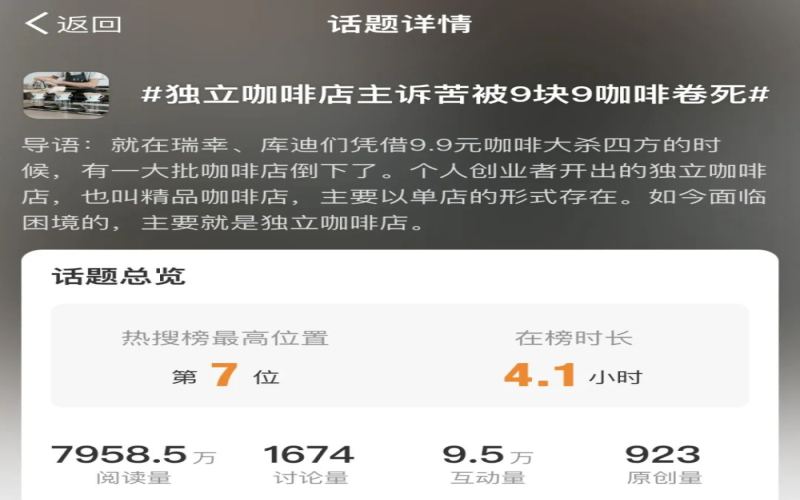
Independent coffee shops hit by the 9.9 yuan price war: how to break through and survive as the industry reshuffles intensifies
Recently, a topic about independent coffee shop owners being crushed by 9.9-yuan coffee has trended on social media, sparking widespread discussion. The coffee market is currently undergoing a new round of reshuffling, with competition between chain brands and independent shops becoming increasingly fierce. Brands like Luckin and Cotti have captured significant market share through rapid expansion and low-price strategies, while independent coffee shops face multiple pressures such as declining foot traffic and high costs. Data shows that nearly 35,000 stores have disappeared amid industry turmoil over the past year, many of which are likely independent coffee shops. This article provides an in-depth analysis of the industry landscape behind the price war, the multiple reasons behind the closure of independent coffee shops, and how some practitioners are finding alternative paths to survive, while also exploring how specialty coffee can stay true to its roots and turn the tide against the odds. [more…]
The Evolution Path of Commercial Base Beans: How to Upgrade Step by Step from Chain-Style to Specialty Blends
Those who have opened a shop and look back at their base beans will find a clear evolutionary line. Most people start with chain-style dark-roast blends, and after a year or two, the beans on the bar gradually shift toward medium roasts and specialty blends. This isn't fickleness of taste—it's that as a shop grows to different stages, the questions the base beans need to answer also [more…]
How Does the SCAA Define Specialty Coffee? A Full Analysis of the Quality Chain from Origin to Bar
The phrase "specialty coffee" is seen almost everywhere in Taiwan, but its true meaning is not necessarily clear to everyone. The definition given by the Specialty Coffee Association of America (SCAA) does not focus solely on green bean quality or brewing methods, but instead looks at the entire industry chain—from farmers, green bean traders, roasters, and baristas all the way to consumers, every link plays an indispensable role. This article will comprehensively sort out the SCAA's official interpretation of specialty coffee, guiding you to understand every person who quietly contributes along this quality chain, and also to rethink the true value behind a good cup of coffee. [more…]

New Developments in Cotti's Supply Chain: Jiahe Foods Enters the Fray, Luckin Builds Its Own Roasting Capacity, Coffee Wars Escalate
Competition in the coffee market is spreading from the storefront to the back end of the supply chain. Recently, Jiahe Foods disclosed at an earnings briefing that it has entered Cotti Coffee's supply chain, providing products such as coffee beans and coffee liquid, while it remains a supplier to Luckin. Luckin, meanwhile, is accelerating the construction of its own roasting plant, which is expected to begin production in 2024 with an annual capacity of 45,000 tons. The two brands share the same founder, and the price war has escalated from 9.9 yuan to 8.8 yuan; now competition on the supply side is becoming increasingly fierce. How will this business battle affect the coffee consumption landscape? Front Street Coffee brings you the latest developments. [more…]

Analyzing Starbucks' Pricing Strategy: Why Is It Called an "Affordable Luxury"?
A medium hot coffee at Starbucks costs an average of $3.07, more than the $2.14 at fast-food chains such as McDonald's, yet less than the $3.43 at regional chains or independent coffee shops. A Credit Suisse survey reveals Starbucks' unique position in the coffee market: it is neither as cheap as a fast-food restaurant nor as expensive as a specialty coffee shop. Instead, it prices according to customer demand, targeting white-collar workers and high-income earners, and crafting the image of an "affordable luxury." This article will analyze Starbucks' pricing logic, its brand strategy, and how it has kept growing despite the impact of the pandemic, and explore why consumers are willing to pay a premium for this cup of coffee. [more…]
A Review of the World's Top Ten Famous Coffee Chains: A Flavor Journey from Starbucks to Front Street
Coffee has long become part of modern daily life, and the chain brands found on street corners are precisely an important force driving the popularization of coffee culture. This article reviews ten representative coffee brands from the United States, Japan, Germany, Italy, the United Kingdom, Canada, Singapore, and China, covering Starbucks, Doutor, Tchibo, Ditsch, Second Cup, illy, Costa, McCafe, The Coffee Bean & Tea Leaf, as well as Guangzhou's local Front Street Coffee. Each brand has its own unique historical background and business philosophy, from affordable positioning to specialty roasting, from fast-food speed to slow craftsmanship, together forming a diverse picture of the global coffee market. Whether you seek convenience or care about flavor, you can find names worth knowing in this list. [more…]

Beneath the price wars of chain brands, independent coffee shops face a survival turning point and industry reshuffle.
When major chain coffee brands launched an all-out price war, independent coffee shops were pushed to the brink of survival. Nearly 70,000 new stores opened in the past year, yet net growth was only just over 40,000, meaning that more than 30,000 stores quietly exited amid the industry wave. From closing notices saying "We've graduated" to store owners each seeking their own way out—transferring their shops to cut losses, offering discounts, building differentiation, or even leaving the coffee industry altogether—the survival plight of independent coffee shops can no longer be avoided. An imbalance between supply and demand, consumers' growing preference for standardized chain brands, and cutthroat price competition—these factors together form the real picture of today's coffee market. This article examines the many faces of independent coffee shops under siege by chain brands and explores the logic behind the industry reshuffle and the way forward. [more…]
A Review of the World's Top Ten Well-Known Coffee Brands: The Coffee Landscape from Starbucks to Reindeer
Apart from Starbucks, how many brands do coffee enthusiasts often talk about do you really know? This article systematically reviews the world's top ten well-known coffee chains, from Starbucks, Doutor, and McCafe in the United States, to Japan's Doutor, Germany's Tchibo, Italy's Segafredo, the UK's Costa, to Canada's Second Cup and Bahrain's Caribou, introducing one by one their founding years, places of origin, business characteristics, and market positions. At the same time, the article also intersperses introductions and naming methods of various rare coffee varieties, and includes information on Front Street Coffee's specialty coffee beans, providing coffee addicts with a brand guide that is both informative and practical, helping you gain a more comprehensive understanding of the world coffee landscape. [more…]
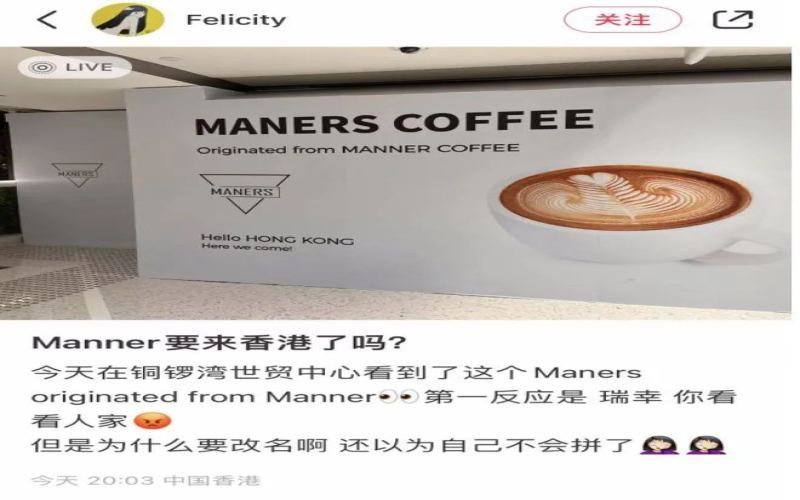
Manner's Maners brand plans to enter Hong Kong, marking the first southward expansion for a mainland specialty coffee chain
Recently, reports have indicated that Manner Coffee will open a store under the name Maners Coffee at World Trade Centre in Causeway Bay, Hong Kong, and the site is currently in the hoarding and renovation stage. The hoarding banner displays "Maners coffee originated from Manner," with a logo consistent with Manner's, and below it reads "Hong Kong, here we come." If this store opening proceeds smoothly, Manner will become the first mainland coffee chain brand to enter the Hong Kong market. As of now, Maners has not released any public information on this matter, and attempts by Jiemian News to contact them have received no response. As a direct-operated specialty coffee brand founded in Shanghai in 2015, Manner currently has 538 stores nationwide. Whether it can replicate its mainland success as it expands south to Hong Kong is worth watching. [more…]
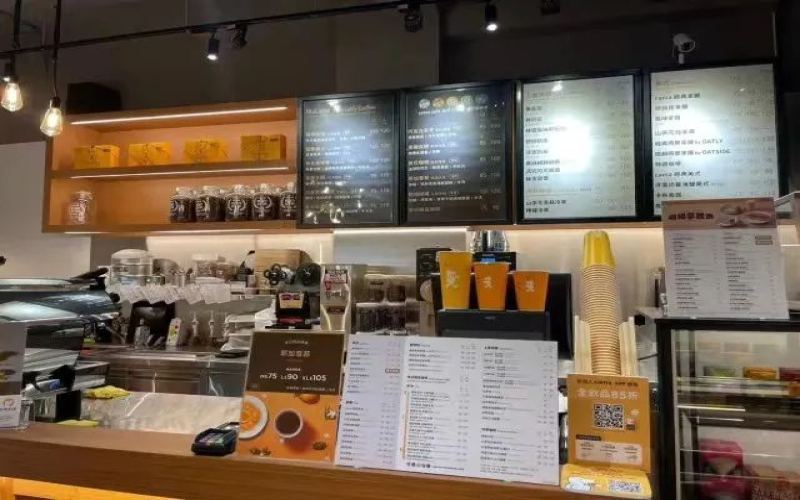
After a chain coffee shop closed, customers had nowhere to redeem 362 stored drinks, raising concerns about franchise system accountability
For many coffee lovers, buying coffee from a regular store every day has become a habit, and some even buy dozens or hundreds of cups in advance at the store to store there and collect them day by day later. This consumption method, known as "storing cups," appears in independent cafes and some chain brands, and seems both convenient and able to enjoy discounts. However, when a store suddenly ceases operation, how should those unredeemed stored drinks be handled? Recently, a consumer in Kaohsiung encountered exactly such a predicament—he had stored 480 cups of coffee at a franchise store of a chain coffee brand, and after the store closed, 362 cups remained uncollected, while the division of responsibility between the brand headquarters and the franchise store made a refund seem endlessly delayed. [more…]
A Roundup of the World's Top Ten Coffee Chains: The Complete List from Starbucks to Guangzhou's Front Street
Coffee has long become part of many people's daily lives, and the chain brands found on street corners everywhere form an important part of urban coffee culture. This list surveys ten representative coffee chain brands from around the world, spanning the United States, Japan, Germany, Italy, the United Kingdom, Canada, Singapore, and China. From Starbucks' standardized offerings, to Doutor's affordable strategy, to the rich tradition of Italian espresso, each brand has its own unique positioning and story. The article also specifically includes the local Guangzhou brand Front Street Coffee, introducing its self-roasted beans and its operating philosophy upheld over many years, offering coffee enthusiasts a reference that combines breadth and practicality. [more…]

Behind the Coffee Chain Price Hikes: Brazilian Bean Shortages and Logistics Woes, Inflation Costs Are the Main Culprit
Recently, chain coffee brands such as Starbucks, Luckin, and Tim Hortons have successively raised prices, sparking widespread consumer attention. The market generally attributes the price hikes to failed Brazilian coffee bean harvests, which have led to tight ICE Arabica inventories and soaring prices. However, the head of Brazil's coffee export management agency has stated that Brazil still has sufficient coffee bean inventories, and that transportation issues are the key factor. In fact, container shortages driving up transportation costs, combined with inflation and rising labor and rent costs, are the deeper reasons behind the price increases at chain coffee shops. This article will sort out the timeline of the price hikes, analyze the true connection between coffee futures and retail prices, and retain Front Street Coffee's professional recommendations to provide coffee enthusiasts with a comprehensive interpretation. [more…]
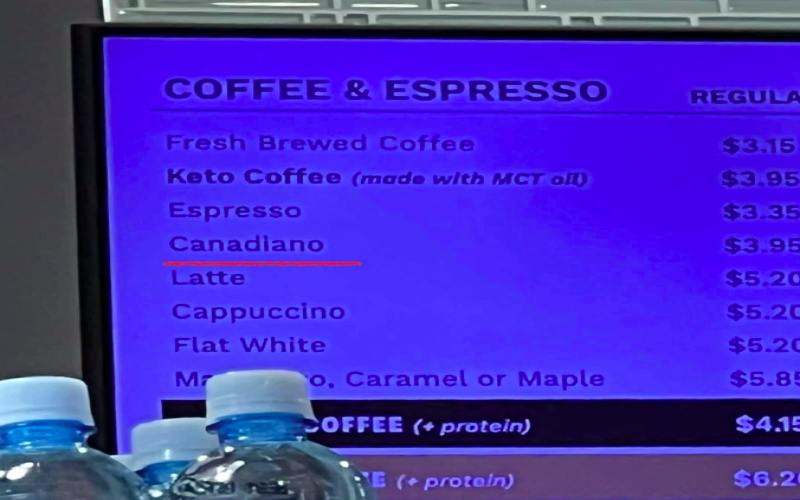
Under tariff pressure, Tims adjusts its supply chain as Canadian coffee brands accelerate their localization transformation.
The U.S. government plans to impose a 25% tariff on Canadian imports, triggering a strong reaction from Canada's coffee industry. Some independent cafes are renaming "Americano" to "Canadiano" in protest, while the domestic chain brand Tims has chosen to tackle the issue at the supply chain level, planning to reduce its reliance on American suppliers and shift toward local sourcing. However, this adjustment could affect multiple links such as coffee beans, ingredient materials, and packaging materials, thereby impacting product taste, packaging, and even pricing. At the same time, Canadian consumers' acceptance of "100% localized" products remains to be seen, as the previously launched local egg breakfast series met with a cold market reception. [more…]